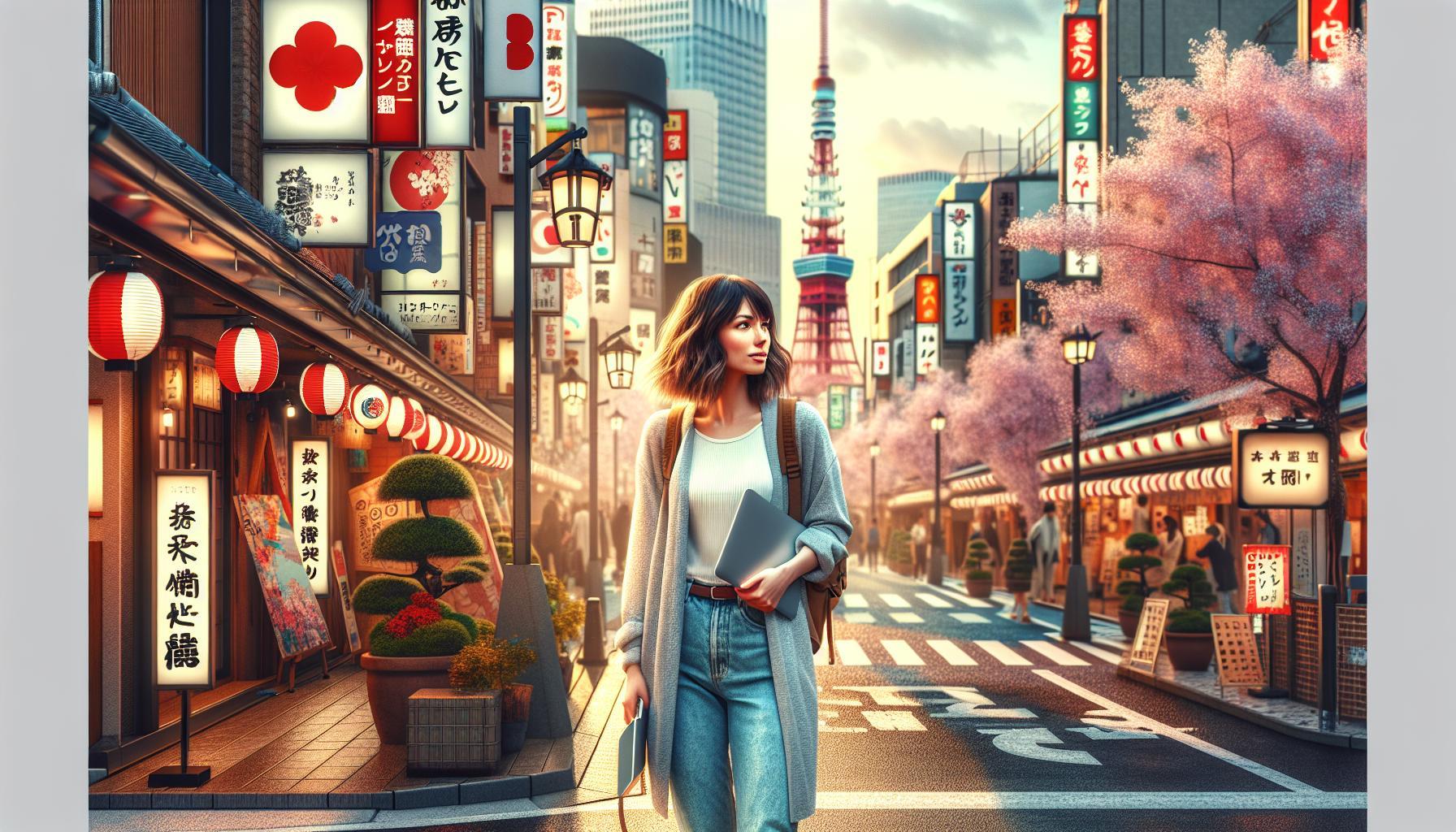
Tokyo, a vibrant metropolis known for its rich culture and modern attractions, welcomes solo female travelers with open arms. With a reputation for safety and efficiency, navigating this bustling capital can be a rewarding adventure. However, understanding the local norms and safety measures is crucial for a worry-free experience.
For many women venturing out alone for the first time, concerns about safety in foreign cities can be daunting. Tokyo’s organized transit systems and friendly locals can help ease these worries, but it’s essential to equip yourself with knowledge about safe practices and helpful tips that ensure a positive journey.
Join us as we explore the city’s safety landscape, empowering you to embrace the adventure of exploring Tokyo on your own terms. From neighborhood recommendations to insights on local customs, this guide aims to provide you with the confidence and resources needed to make the most of your solo travels in Japan’s dazzling capital.
Is Tokyo Safe for Solo Female Travellers?
Exploring Tokyo on your own can be an exhilarating experience, especially for female travelers. Renowned for its low crime rate and welcoming atmosphere, Tokyo is often listed among the safest cities in the world. However, understanding the nuances of safety as a solo female traveler is essential to fully enjoy your adventure without worries. The city boasts a population of 41 million, which contributes to its vibrant yet bustling environment. With such a large populace, you might wonder how to navigate safety considerations effectively.
Tokyo’s overall safety landscape supports women travelers with its efficient policing and public infrastructure. For instance, crime rates are remarkably low, and violent crimes are extremely rare. Public spaces are generally well-lit, even at night, and you’ll find that most locals are polite and helpful. Still, as in any major city, exercising common sense is paramount. It’s advisable to stay aware of your surroundings, especially in crowded areas or if you venture out late at night.
Communication can often enhance your sense of security. Familiarizing yourself with key phrases in Japanese, such as “help” (助けて, tasukete), can make a significant difference. Additionally, consider using local safety apps that allow you to share your location with friends or family back home, providing an extra layer of reassurance. Avoiding overly intoxicated situations and sticking to well-populated areas can also cushion against unforeseen disruptions.
Engaging in local customs and showing respect for cultural norms can bolster your safety further. In Japan, maintaining a respectful demeanor contributes to a positive interaction with locals, which is key to feeling at ease. On the whole, Tokyo’s blend of tradition and modernity, combined with an ingrained societal respectfulness, makes it a prime destination for adventurous solo female travelers seeking to explore all that Japan’s capital has to offer.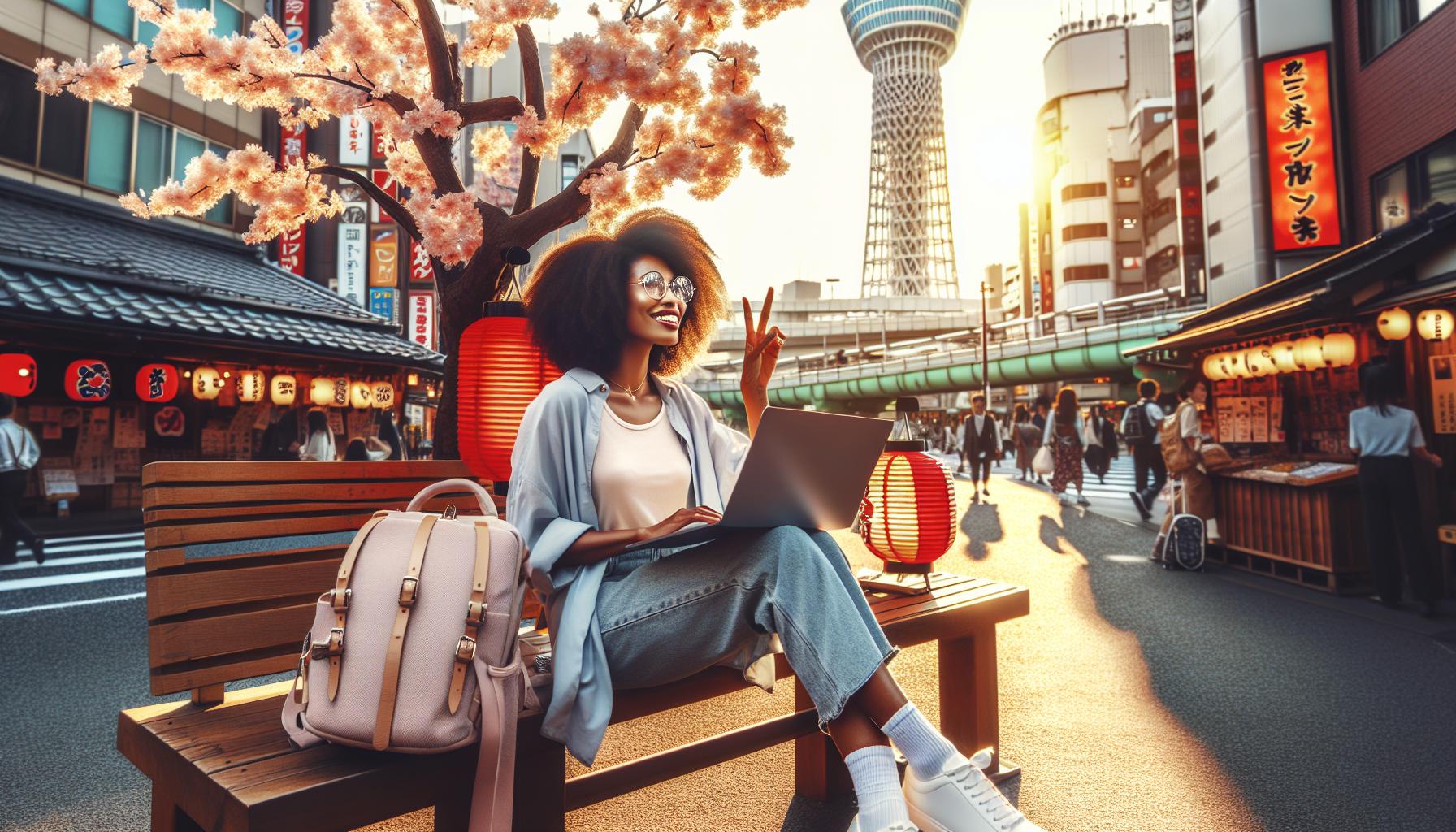
Understanding the Safety Landscape in Tokyo
Tokyo boasts an impressive reputation as one of the safest cities in the world, particularly for solo female travelers. With its meticulously efficient public transport, widespread surveillance, and a culture that places high value on respect and politeness, the city offers an environment that is not only welcoming but also reassuring. Crime rates are notably low, with violent crime being an exceptionally rare occurrence. Women can confidently explore the bustling streets of Shibuya or the tranquil gardens of Shinjuku Gyoen without the same level of concern found in many other urban centers.
extends beyond just crime statistics; it involves engaging with the nuances of daily life in the city. Most local residents are incredibly polite and willing to assist, which can provide an extra layer of security as travelers navigate unfamiliar neighborhoods. The public transportation system is another pillar of safety; trains are not only punctual but also well-maintained and monitored. Solo travelers should feel free to hop on a train at night, particularly since many lines operate until around midnight, and even late-night riders often report feeling safe in well-populated carriages.
To further enhance your peace of mind, it’s advisable to familiarize yourself with basic Japanese phrases that can aid communication in times of need. Phrases like “助けて” (tasukete, meaning “help”) can be invaluable. Moreover, leveraging modern technology can create an additional safety net. Consider downloading safety-focused apps that allow you to share your real-time location with friends or family, ensuring someone knows your whereabouts at all times.
Lastly, being aware of cultural norms can not only enhance your travel experience but also bolster your safety. Understanding local etiquette and respecting customs-such as being mindful of noise levels in public spaces or dressing modestly-helps foster positive interactions with locals, contributing to a sense of belonging in this vast metropolis. By embracing these practices, solo female travelers can navigate Tokyo confidently while immersing themselves in the city’s rich culture and vibrant life.
Cultural Norms for Women Travellers in Japan
Navigating cultural norms in Japan can significantly enhance the travel experience and bolster security, especially for solo female travelers. One of the most notable aspects of Japanese culture is the emphasis on respect and politeness, which guides daily interactions and social conduct. This cultural framework fosters a generally safe and welcoming environment, allowing women to explore the city with more confidence and ease. Familiarizing yourself with these norms can make a positive impact on your journey and help you connect better with locals.
Dress Modestly
While Tokyo is a bustling metropolis where fashion often takes center stage, modest dressing is appreciated, particularly when visiting temples or shrines. Aim for attire that covers shoulders and knees to show respect for cultural sites. Additionally, even in more casual settings, choosing clothing that fits well and avoids overly revealing styles can help you blend into local customs.
Communication Style
Japanese people tend to communicate in a reserved manner compared to many Western cultures. Non-verbal cues such as body language and facial expressions hold significant importance. A gentle bow instead of a handshake is customary when greeting. Mastering a few essential phrases like “ありがとうございます” (arigatou gozaimasu, meaning “thank you”) can also go a long way in breaking the ice and showing respect for their language and culture.
Public Behavior
Being conscious of noise levels is essential in public spaces. Japanese culture values quietness, making it customary to maintain a low volume while talking in restaurants or on public transport. Additionally, phone calls in public areas are generally frowned upon; instead, use text messaging or wait until you can step outside.
Social Etiquette
When dining out, it’s practice to wait for a toast before starting your meal, typically initiated by the phrase “kanpai” (cheers). If you are invited to someone’s home, bringing a small gift, called “temiyage,” is a thoughtful gesture. This could be a box of sweets or something unique from your own country, reflecting appreciation for their hospitality.
In Tokyo, understanding and respecting these cultural norms not only enriches your experience but also instills confidence as you engage with locals. By embracing these practices, solo female travelers can more safely navigate the vibrant streets and hidden corners of Tokyo, creating unforgettable memories in this beautiful city.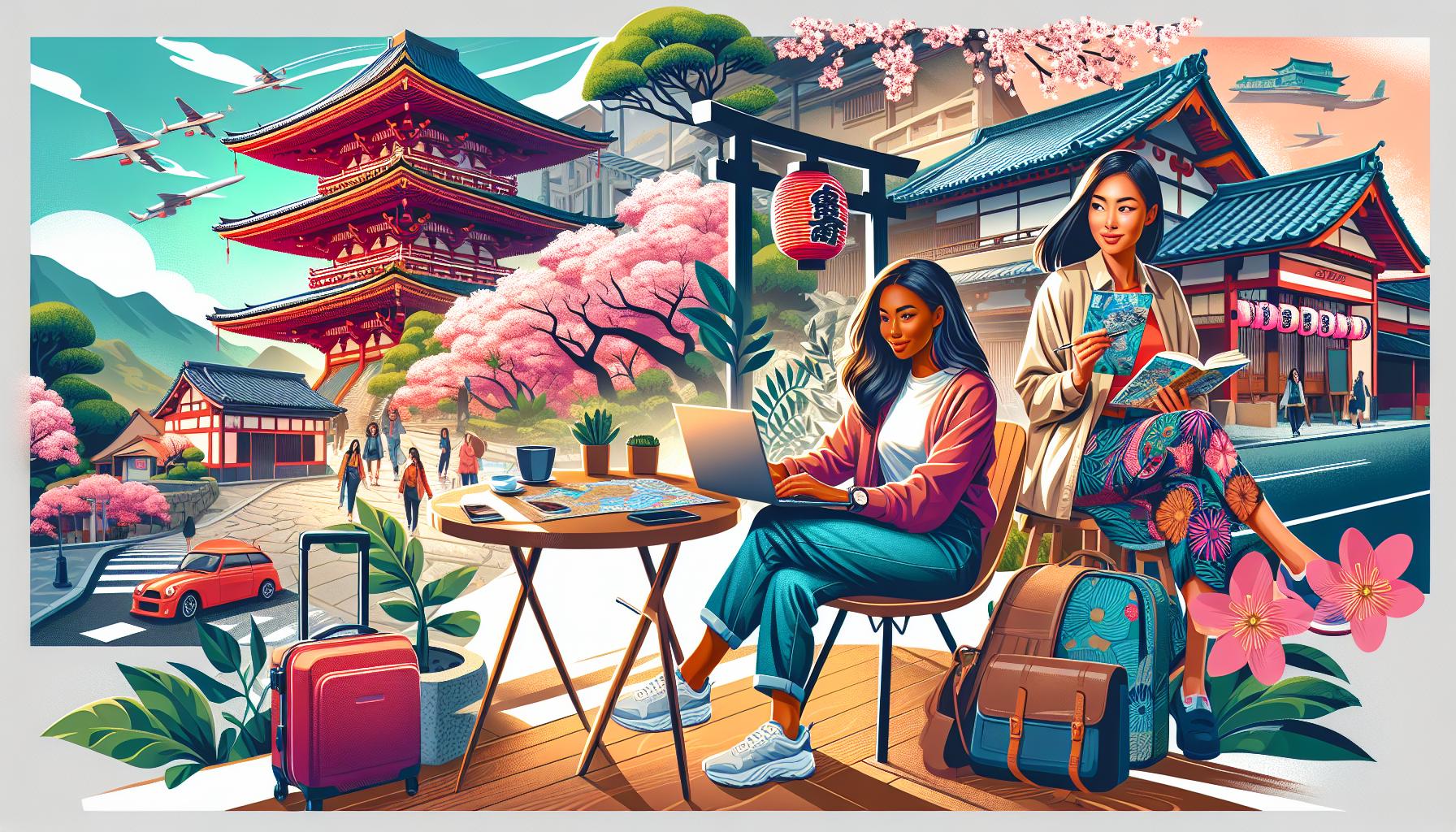
Top Safety Tips for Solo Female Explorers
Tokyo’s reputation as a safe city for solo female travelers is well-earned, but embracing a few smart strategies can enhance your experience significantly and instill additional confidence. Not only does Tokyo boast low crime rates, it also features a culture that prioritizes respect and courtesy, making it welcoming for women exploring its vibrant urban landscape. Still, a proactive approach to safety can further enrich your adventures and ensure peace of mind.
To maximize your safety, consider these essential tips:
- Stay Aware and Alert: Navigating new environments can be immersive, but keep your surroundings in check. Scan your environment regularly, especially in crowded areas or public transport.
- Use Reputable Transportation: Tokyo’s public transport system is efficient, but prefer established services such as taxis or rideshare apps when traveling late at night. Always check the driver’s details before getting in.
- Share Your Itinerary: Keep family or friends informed about your plans. Sharing your itinerary or location with someone you trust can be a useful safety measure should anything unexpected arise.
- Utilize Safety Apps: Leverage technology for safety. Apps like Google Maps are handy for route planning, while local applications may offer insights into transport schedules and emergency contacts.
Engaging with locals can also boost your safety. Whether you’re asking for directions or recommendations, Japanese people are generally helpful and polite. A few basic phrases in Japanese can break ice and potentially lead to friendships that enhance your experience. Additionally, while cultural norms in Japan encourage politeness, don’t hesitate to assert yourself if you feel uncomfortable; your well-being is paramount.
Ultimately, confidence comes from preparation and awareness. By equipping yourself with these tips and remaining open-minded, you can explore Tokyo’s bustling streets, rich history, and unique culture while fully enjoying the freedom of solo travel.
Navigating Tokyo’s Transportation System Safely
Tokyo boasts one of the most efficient public transportation systems in the world, making it easy for solo female travelers to navigate the city with confidence. The extensive network of trains, subways, and buses ensures that you can reach your destination swiftly and safely, even if you’re venturing out alone. Familiarizing yourself with the transport options can significantly enhance your travel experience and alleviate anxiety about getting around.
Utilizing the Tokyo Metro is an excellent choice, as it covers major attractions and neighborhoods. The system is known for its punctuality, cleanliness, and safety, with trains running frequently throughout the day and into the late hours. For those unfamiliar, consider downloading apps like Hyperdia or using Google Maps for real-time navigation and transit schedules. These tools simplify route planning and provide crucial information on train transfers.
While the Metro is generally safe, it’s wise to practice a few precautionary measures. When traveling during rush hours, be aware that trains can be extremely crowded. Keep your personal belongings secure and maintain a vigilant awareness of your surroundings. If you feel uncomfortable in a crowded space, don’t hesitate to find a less busy area of the train, or wait for the next train to ensure a more pleasant journey.
If you prefer to travel after dark, opt for reputable transportation options, such as licensed taxis or rideshare services like Uber. Taxi fares are reasonable, and you can easily request a ride via a mobile app, which adds an extra layer of security. Make sure to have your destination written in Japanese, as many drivers may not speak English. These subtle adjustments can help alleviate any concerns and make you feel more at ease during your adventures.
For those who enjoy exploring on foot, many neighborhoods in Tokyo-like Shibuya, Shinjuku, and Asakusa-are easily walkable, and wandering through these areas reveals a wealth of sights. When venturing out, especially after dark, choose well-lit and populated streets whenever possible. By taking these steps and embracing Tokyo’s transportation system, you’ll find yourself navigating with ease, allowing you to fully immerse in the city’s rich culture and vibrant energy.
Recommended Safe Areas for Solo Female Travellers
Tokyo is renowned for its vibrant culture and bustling streets, but it also offers welcoming neighborhoods that are particularly safe and enjoyable for solo female travelers. Choosing the right areas to explore can enhance your experience and boost your confidence while navigating this exciting metropolis.
One of the top recommendations is Shinjuku, known for its lively nightlife, extensive shopping districts, and the serene Shinjuku Gyoen National Garden. Here, you’ll find a mix of bright lights and tranquility, with numerous cafes and restaurants where you can enjoy a meal or a coffee break. The area is safe, and public transportation is plentiful, making it easy to travel at any time of day or night.
Another excellent area is Shibuya, famous for its iconic crossing and youthful energy. This district offers a myriad of stores, eateries, and entertainment options, with bustling streets that are well-lit and filled with people. Shibuya has a vibrant atmosphere and is often considered a hub for fashion and culture. If you are comfortable exploring on foot, wandering through its alleys can reveal hidden gems of quiet cafes and unique shops.
Lastly, consider Asakusa, where old-world charm meets modern amenities. Home to the historic Senso-ji Temple, this neighborhood is less frenetic than Shinjuku or Shibuya and offers a more laid-back vibe. Asakusa is also knit with plenty of shops and street food stalls, providing a taste of Tokyo’s rich cultural tapestry. The area’s community feel means that locals are often welcoming, which can make solo travelers feel more at ease.
When selecting a place to stay, look for accommodations that prioritize safety, such as hotels in these neighborhoods with good reviews from female travelers. Many facilities even offer female-only dormitories or floors, ensuring a more secure environment. With a little planning, you can embrace the adventure of Tokyo, finding both excitement and safety while exploring this captivating city.
Emergency Contacts and Resources for Women in Tokyo
In a city as vast and bustling as Tokyo, being prepared for emergencies is crucial, especially for solo female travelers. Having quick access to essential contacts and resources can provide an added layer of comfort and security as you navigate this vibrant metropolis. Luckily, Tokyo is known for its low crime rate and high safety standards, presenting a welcoming environment for all visitors.
Emergency Contacts
In case of an emergency, knowing whom to contact is paramount. Here are key numbers to keep handy:
- Emergency Services: Dial 119 for fire and ambulance services.
- Police: Call 110 for any police assistance or if you feel threatened.
- Tokyo English Lifeline (TELL): Reach out at 03-5774-0992 for English-speaking support.
- Local Hospitals: Familiarize yourself with the nearest urgent care facilities; many hospitals in Tokyo have English-speaking staff.
Resources for Women Travelers
Several organizations and services exist to support female travelers navigating Tokyo. Consider downloading the language translation app Google Translate to break communication barriers. Additionally, apps like Safety Map Tokyo provide real-time information about safe routes, nearby police stations, and emergency services.
Safe Spaces and Women’s Assistance
Tokyo prides itself on comprehensive safety measures. Women’s solo safety initiatives such as Women-Only Train Cars during busy hours help create a friendlier and secure travel experience on public transport. Moreover, look for ‘Merry-Go-Round’ initiatives which provide women-friendly environments in certain districts.
By arming yourself with this information, you can confidently step out into the dynamic streets of Tokyo. The city is not only rich in culture and experiences but also attentive to the safety and needs of solo female travelers, ensuring you have the support you need, no matter the circumstance.
Local Laws and Etiquette: What to Know
Tokyo’s cultural landscape is rich with traditions, deeply rooted societal norms, and specific laws that are important for any traveler, particularly solo female travelers, to understand. Being informed about local customs not only enhances your experience but also helps you navigate interactions respectfully and confidently.
In Japan, courtesy and etiquette are paramount. For instance, bowing is a common greeting, and preserving personal space is highly valued. It’s crucial to be polite and respectful in all interactions. While English is spoken in many tourist areas, learning a few basic Japanese phrases can go a long way in demonstrating respect for the culture. Simple greetings or expressions like “Arigatou gozaimasu” (thank you) can open doors and create a warmer atmosphere during interactions.
When it comes to laws, Japan has strict regulations that travelers should be aware of. Drug use is highly penalized, with severe consequences even for possession of small amounts. It’s also illegal to drink alcohol on public transport; however, consuming beverages in public spaces like parks is generally acceptable. Street harassment is rare, but if you encounter a troubling situation, know that you can always seek help from the police, as they are trained to assist foreigners.
For personal safety, the Japanese legal system is impartial and efficient. Tokyo has a “no-tolerance” policy toward violence and harassment, making it a safe place for women. However, being mindful of local sensitivities, such as public displays of affection, is prudent. Maintaining a low profile and dressing modestly aligns well with local customs, ensuring that you feel more comfortable in various situations.
Overall, by respecting local laws and cultural practices, you not only ensure your own safety but also contribute positively to the welcoming atmosphere that Tokyo is known for, empowering you to explore this vibrant city with confidence.
Solo Female Travel Stories: Real Experiences in Tokyo
Many solo female travelers share breathtaking experiences while exploring Tokyo, highlighting the city’s inherent safety and welcoming atmosphere. Each story encapsulates the essence of navigating this vibrant metropolis, revealing that adventure and empowerment coalesce seamlessly in one of the world’s most dynamic capitals.
One traveler recounted her late-night escapades in Shinjuku, where she felt completely at ease wandering among the bright lights and bustling crowds. Despite the late hour, she found herself comfortably seated in a tiny ramen shop, enjoying a warm bowl while chatting with locals, who encouraged her to try their favorite dishes. The sense of community and warmth complemented her nighttime adventures. Emphasizing that she never felt unsafe, she advised others to embrace the local culture through food and conversation, stating that the best experiences often come from engaging with people in those intimate moments.
Another solo traveler shared her experience navigating Tokyo’s extensive public transportation system. She was initially apprehensive about riding the train alone, worried about potential confusion and crowds. However, she discovered that the transport system is not only efficient but also remarkably easy to navigate, with signage in English and helpful staff readily available. She recalled an instance where a friendly stranger offered her guidance after noticing her looking at the map. This experience reassured her and illustrated the generosity of the Tokyo community. Her top tip for fellow travelers? Downloading helpful transportation apps like Google Maps or HyperDia can ease any concerns regarding train routes or schedules.
Even leisurely strolls through neighborhoods like Harajuku can unveil countless safe and memorable experiences. One traveler described wandering through vibrant streets filled with quirky shops, all while appreciating the unique street fashion and culture thriving in the area. She noted how easy it was to connect with other like-minded wanderers in cafes, often leading to spontaneous meetups later. Such accounts emphasize the importance of remaining open to new experiences and interactions, fostering a sense of adventure no matter where you find yourself in Tokyo.
These reflections not only affirm that solo female travelers can enjoy their time in Tokyo without undue concern but also serve as powerful reminders of the enriching experiences that await when one dives into a city’s culture with an adventurous spirit. Embrace every opportunity to connect, explore, and learn, transcending boundaries and inspiring others to embark on their journeys.
Best Times to Visit Tokyo for Women Travellers
Tokyo presents unique seasonal experiences, making it an enticing destination for solo female travelers throughout the year. Consider timing your visit to align with cultural festivals, pleasant weather, and vibrant activities that enhance your sense of safety and adventure.
Spring (March to May) is an exceptionally beautiful time, especially during the cherry blossom season. The famous sakura festival attracts crowds to parks like Ueno and Shinjuku Gyoen, but the atmosphere remains safe due to Japan’s low crime rates. As warm days usher in blooming trees, you can enjoy leisurely strolls, picnics, and encounters with friendly locals who are eager to share their love for the blossoms. Engaging in hanami (flower-viewing) picnics provides a wonderful opportunity to connect with others while appreciating nature’s beauty.
Summer (June to August), though hot and humid, is filled with lively cultural festivals, such as the famous Gion Matsuri, which allows travelers to immerse themselves in local traditions. Be mindful of the heat, and plan activities for earlier in the day or later in the evening when it cools down. The Japanese summer also brings exciting fireworks festivals (hanabi taikai) where solo travelers can join bustling crowds, enhancing the feeling of safety while enjoying entertainment. Opt for air-conditioned indoor activities during the hottest hours, and don’t hesitate to ask locals for recommendations on the best cool cafés or shops.
Autumn (September to November) is another excellent season to explore, marked by vibrant fall foliage and pleasantly mild weather. Parks transform with autumn colors, making it perfect for group tours, nature walks, and outdoor events. The comfortable temperatures empower solo travelers to blend into local activities, such as traditional tea ceremonies or food markets celebrating harvests, making it easier to mingle and create memories amidst picturesque settings.
Winter (December to February) offers unique experiences, particularly for those interested in Japan’s holiday traditions and winter illuminations. Festive markets and light displays brighten the streets, enhancing the already safe ambiance for women traveling alone. While it’s crucial to dress warmly, the festive spirit fosters a sense of community, making outings to see illuminations feel inviting and secure. Additionally, this serene season allows for quieter explorations of temples and shrines, offering an entirely different perspective of Tokyo’s culture.
In every season, ensuring personal safety remains paramount. Prioritize your well-being by selecting accommodations in safe neighborhoods, communicating your travel plans with friends or family, and utilizing technology to navigate the city confidently. With each period boasting its charm, Tokyo becomes not just a destination but a cherished part of your solo travel journey.
Engaging with Locals: Safety and Social Interactions
Meeting locals can be one of the most enriching parts of traveling solo in Tokyo, especially for women travelers. The city’s culture is rooted in hospitality, and you may find that many people are eager to help or engage in conversation. However, understanding how to navigate social interactions safely can enhance your experience significantly.
When you’re in public spaces-like parks, cafes, or shopping areas-don’t hesitate to smile and initiate small talk. Many Tokyoites appreciate friendly gestures and are open to chatting. Engaging with locals at language exchange events or cultural workshops can be particularly rewarding. These gatherings not only provide opportunities to practice Japanese but also create a welcoming atmosphere where you can meet others with similar interests. Look for events on community boards, social media, or apps designed for travelers.
It’s important to be mindful of non-verbal cues, as body language plays a significant role in Japanese culture. If someone seems withdrawn or uninterested, it’s wise to politely end the conversation and thank them for their time. This respect for personal space and social boundaries helps foster positive interactions. Moreover, utilizing social networks can facilitate connections-apps like Meetup or Couchsurfing can inform you about local groups looking to engage in cultural exchanges or social events.
Always prioritize your comfort and safety. If you do meet someone new, consider meeting in busy or public areas, and ensure you have a plan for your return. Share your whereabouts with a friend or family member if you decide to continue socializing outside of a public setting. This not only keeps you safe but also allows them to feel connected to your adventure. Trust your instincts; if something doesn’t feel right, don’t hesitate to disengage and move to a safer environment. By balancing openness with a safeguarding instinct, you can fully enjoy the vibrant social fabric of Tokyo while ensuring your personal safety.
Safety Apps and Technology for Your Trip
Utilizing technology can significantly enhance your travel experience as a solo female traveler in Tokyo, providing both peace of mind and practical assistance. With the city’s advanced infrastructure and the widespread availability of smartphones, several apps can help you navigate safely and efficiently. Here are some useful tools to consider integrating into your travel plans.
Essential Safety Apps
Start with apps designed for personal safety and emergency assistance. One highly recommended app is bSafe, which allows users to send out alerts and your location to selected contacts if you feel unsafe. Another valuable app is SafeTrek, which acts as a virtual safety button; you hold it while feeling unsafe, and if you release it without entering your pin, authorities are notified of your location.
Additionally, Emergency Services Contacts is an app that provides a list of important emergency numbers specific to Japan, including police, ambulance, and fire services. Be sure to keep these contacts easily accessible during your trip.
Navigation and Transport Apps
Navigating Tokyo’s intricate transport system can be daunting, but using apps like Google Maps or Citymapper can simplify your journey. These apps offer real-time transit information and can guide you safely between destinations. For a more immersive experience, consider NAVITIME, which provides detailed routing options for trains, buses, and even walking paths, ensuring you have the most direct route wherever you go.
For late-night transport, Uber and DiDi operate within Tokyo, providing safe options to return to your accommodation after a night out.
Communication and Language Apps
Language barriers can add to travel anxiety, but apps like Google Translate allow for real-time translation of text and speech, helping you communicate effectively with locals when needed. Additionally, HelloTalk connects you with native Japanese speakers for language exchanges, which can be a fun way to immerse yourself in the culture while ensuring you have an additional layer of support from friends you make along the way.
Local Guides and Community Apps
Engaging with local communities can enrich your travel experience. Apps like Meetup and Couchsurfing help you find local events or meet-ups with other travelers or residents. They offer a chance to build social connections and discover safe activities in new areas while also making friends.
By incorporating these apps into your travel toolkit, you can enhance your sense of security and independence while exploring Tokyo. Always ensure your devices are charged and consider carrying a portable charger, so you’re never left without access to these essential tools. Embrace the adventure ahead with the confidence that technology can make your experience smoother and safer!
Exploring Tokyo’s Nightlife: Safety Considerations
Tokyo’s nightlife is vibrant and thrilling, offering everything from chic bars and lively izakayas to late-night karaoke spots. As a solo female traveler, experiencing this dynamic scene can be both exciting and a bit daunting. Fortunately, with some thoughtful strategies and local insights, enjoying a night out in Tokyo can be safe and memorable.
Start by choosing the right neighborhoods for your nocturnal adventures. Areas like Shinjuku, Shibuya, and Roppongi are popular for their nightlife and are generally safe for solo female travelers. Shinjuku’s Golden Gai offers a maze of small bars where you can meet locals and fellow travelers in a cozy setting. Shibuya boasts vibrant clubs and eateries, while Roppongi’s international atmosphere provides a mix of lounges and dance spots. Always opt for well-lit areas and stay where there are plenty of people. Avoid wandering into isolated side streets after dark.
Utilize local transportation wisely when moving between venues. Tokyo’s metro system is reliable and user-friendly, but be mindful of its close to midnight closing time. For late-night outings, consider using ride-sharing apps like Uber or DiDi, which can offer a safe option to return to your accommodation. If you do take a taxi, make sure to use licensed taxis with clear company markings and consider giving your destination to the driver in Japanese for clarity.
Engaging with locals can enhance your nightlife experience, but it’s essential to stay aware of your surroundings. If you find yourself in a conversation with someone new, trust your instincts-if something feels off, it’s perfectly acceptable to politely excuse yourself. Joining groups or community meetups via apps like Meetup can provide a safe way to explore nightlife in a social setting.
Lastly, keep some key safety practices in mind: share your plans with a trusted friend, keep your phone charged, and consider carrying a portable charger. A small personal safety alarm can also offer peace of mind if you find yourself feeling uneasy. With these strategies in hand, you can embrace Tokyo’s nightlife confidently and create unforgettable memories.
Faq
Q: Is Tokyo safe for solo female travelers at night?
A: Yes, Tokyo is generally safe for solo female travelers at night. The city has a low crime rate, well-lit streets, and reliable public transport. However, it’s advisable to stay in crowded areas and remain aware of your surroundings. Check the section on “Exploring Tokyo’s Nightlife: Safety Considerations” for more tips.
Q: What should solo female travelers know about Japanese culture?
A: Understanding Japanese culture is essential for solo female travelers. Respect for etiquette, such as being polite and keeping quiet on public transport, is paramount. Familiarize yourself with local customs, which helps in making safe social interactions, as discussed in “Cultural Norms for Women Travellers in Japan.”
Q: Are there emergency numbers that solo female travelers should know in Tokyo?
A: Yes, the emergency number for police in Japan is 110, while 119 is for fire and ambulance services. It’s also useful to have the contact for the nearest embassy or consulate. For more emergency contacts and resources, see the section on “Emergency Contacts and Resources for Women in Tokyo.”
Q: How can solo female travelers navigate Tokyo safely?
A: Navigation in Tokyo can be made safe by using reliable apps like Google Maps for directions. Stick to well-populated routes and avoid isolated areas, especially after dark. The article’s section “Navigating Tokyo’s Transportation System Safely” offers detailed advice on transportation safety.
Q: What areas in Tokyo are recommended for solo female travelers?
A: Safe neighborhoods for solo female travelers include Shinjuku, Shibuya, and Ginza, known for their vibrant atmospheres and amenities. These areas have a higher presence of tourists and locals alike, ensuring safety. You can read more about recommended safe areas in the article’s dedicated section.
Q: Are there specific laws or regulations that solo female travelers should be aware of in Japan?
A: Yes, it’s important to know that Japan has strict public behavior laws, including no drinking in public and being quiet on public transport. Familiarizing yourself with local laws is crucial for avoiding misunderstandings. The article covers “Local Laws and Etiquette: What to Know” for further details.
Q: How can solo female travelers connect safely with locals in Tokyo?
A: To connect safely, utilize social platforms designed for travel, like Meetup or Couchsurfing, which have community events. Always meet in public places, and inform someone of your plans. For more on social interactions, check the article’s section on “Engaging with Locals: Safety and Social Interactions.”
Q: What are the best times to visit Tokyo for solo female travelers?
A: The best times to visit Tokyo for solo female travelers are during spring (March to May) and autumn (September to November). These seasons provide pleasant weather and less crowding. For detailed insights, refer to “Best Times to Visit Tokyo for Women Travellers” in the article.
In Summary
As you consider your journey to Tokyo, remember that this vibrant city is not just a destination; it represents a unique opportunity for adventure and cultural immersion, especially for solo female travelers. With its low crime rates, efficient transportation, and welcoming locals, you’ll find that exploring Tokyo is both safe and invigorating. Don’t miss out on discovering the beauty of areas like Shibuya and Asakusa, or indulging in luxury shopping at Ginza.
Ready to plan your unforgettable Tokyo experience? Dive deeper into our guide on how to navigate Japanese customs and etiquette, or explore our recommendations for must-see attractions in Tokyo. If you have any lingering doubts or questions, feel free to drop a comment below-we’re here to help! For continual updates and travel tips, consider signing up for our newsletter. Your adventure awaits, and Tokyo is ready to welcome you with open arms!