Nestled in the Indian Ocean, Sri Lanka is often referred to as the “Pearl of the Orient.” This stunning island offers lush landscapes, rich cultural heritage, and warm hospitality, making it an attractive destination for solo travelers. However, safety concerns can loom large, especially for those navigating unfamiliar territories alone.
This guide explores the essential aspects of traveling in Sri Lanka as a solo adventurer, addressing common worries and offering practical tips to ensure your journey is not only enjoyable but also safe. Whether you’re a seasoned traveler or stepping out on your own for the first time, understanding the local environment will empower you to embrace the island’s beauty with confidence. Continue reading to uncover the vibrant experiences that await you, all while traveling with peace of mind.
Is Sri Lanka Safe for Solo Travelers?
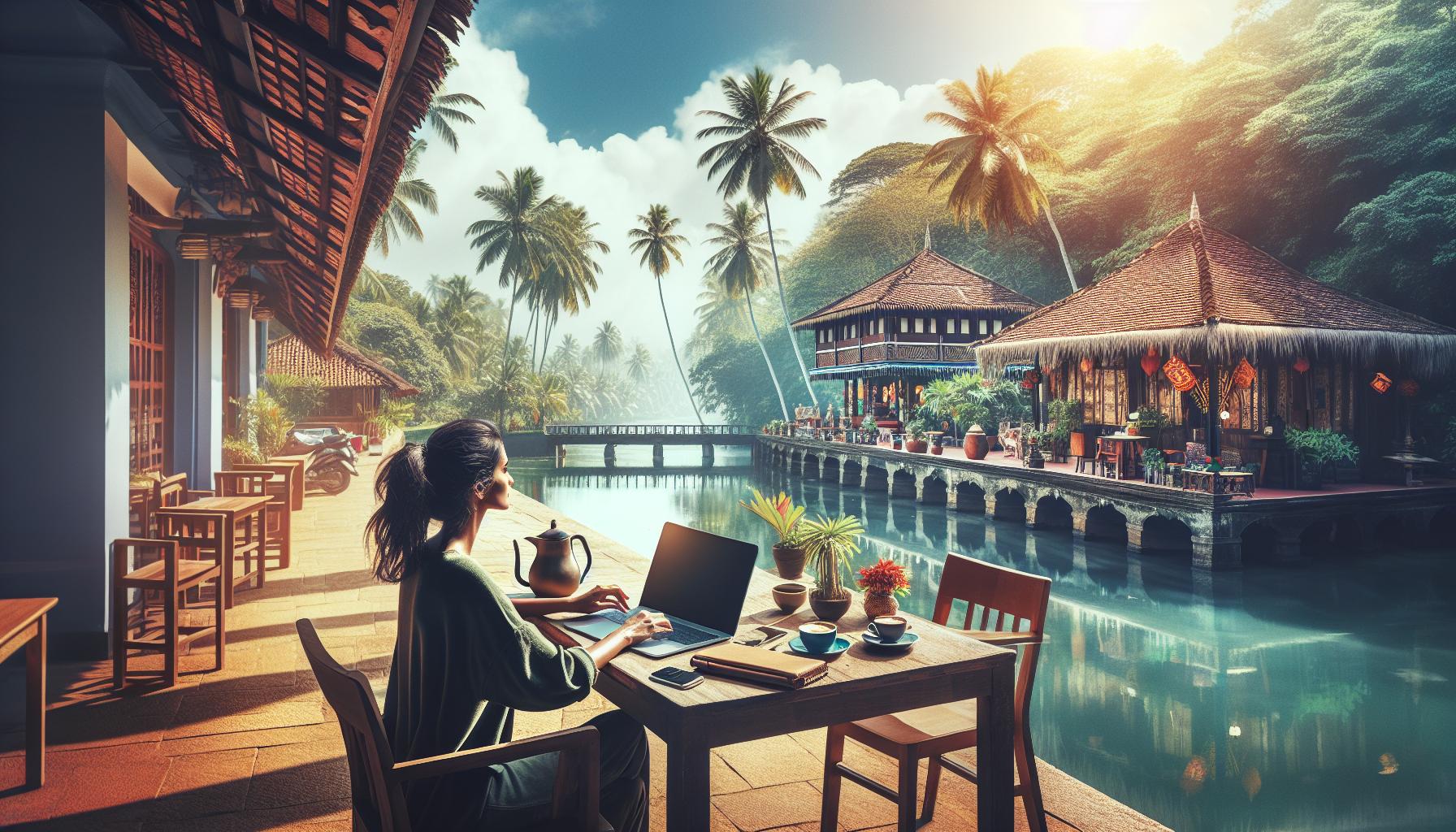
Traveling solo in Sri Lanka can be a remarkably enriching experience, yet it does come with its own set of challenges and considerations. The island’s vibrant culture, stunning landscapes, and friendly locals make it an enticing destination for solo adventurers. However, current travel conditions, such as political stability and personal safety, also play a crucial role in planning your journey. Fortunately, recent efforts in improving travel safety and infrastructure have positively impacted the experience for solo travelers, allowing you to explore with greater peace of mind.
The key to a safe solo journey in Sri Lanka lies in awareness and preparation. While major urban areas and tourist hotspots like Colombo, Kandy, and Galle tend to be safe for travelers, it’s crucial to remain vigilant, particularly in less crowded regions. Avoiding distractions from your surroundings and staying alert in busy markets or transit areas can significantly reduce risks. Furthermore, understanding local customs can cultivate a respectful interaction with the communities you visit, helping you navigate regional sensitivities more effortlessly.
Equipping yourself with practical knowledge is essential. Familiarize yourself with local transportation options, such as tuk-tuks and buses, but consider using established taxi apps to enhance your safety. It’s also advisable to carry a copy of your passport and relevant documents while keeping them secure in your accommodations. Engage with other travelers or locals through social media platforms or travelers’ forums to share experiences and gather real-time advice, making your solo exploration of Sri Lanka not just safe but also deeply rewarding.
Understanding the Risks: Safety Overview for Solo Travel
Traveling solo in Sri Lanka offers a unique opportunity to immerse yourself in its rich culture and stunning natural beauty. However, understanding the various risks associated with solo travel is vital for ensuring a safe and enjoyable experience. While Sri Lanka has made significant strides in enhancing safety for tourists in recent years, being informed about potential hazards is key to navigating your trip with confidence.
The primary concerns for solo travelers in Sri Lanka include petty crime, transportation safety, and understanding local customs. Petty crime, such as pickpocketing and bag snatching, can occur, particularly in crowded areas and tourist hotspots. Always keep your belongings secure and remain vigilant in bustling markets or while using public transportation. When it comes to getting around, while public transport can be an adventure in itself, opting for reputable taxi services or rideshare apps can enhance your safety.
Moreover, an awareness of local customs and etiquette goes a long way in fostering positive interactions. Sri Lankans are generally friendly and welcoming, and being respectful toward cultural norms can enhance your experience and safety. For instance, modest dress is appreciated, especially when visiting temples. Understanding basic local phrases or customs can also earn you goodwill from locals, which may lead to helpful insights and assistance during your travels.
Additionally, researching the political climate prior to your trip is essential; although the situation has improved in recent years, staying updated on any travel advisories can help you avoid any potential disturbances. Stay informed through reliable sources and engage with other travelers online to get real-time advice. By equipping yourself with this knowledge, you are better positioned to enjoy the extraordinary beauty and diverse experiences Sri Lanka has to offer, all while prioritizing your safety as a solo traveler.
Cultural Awareness: Navigating Local Norms and Etiquette
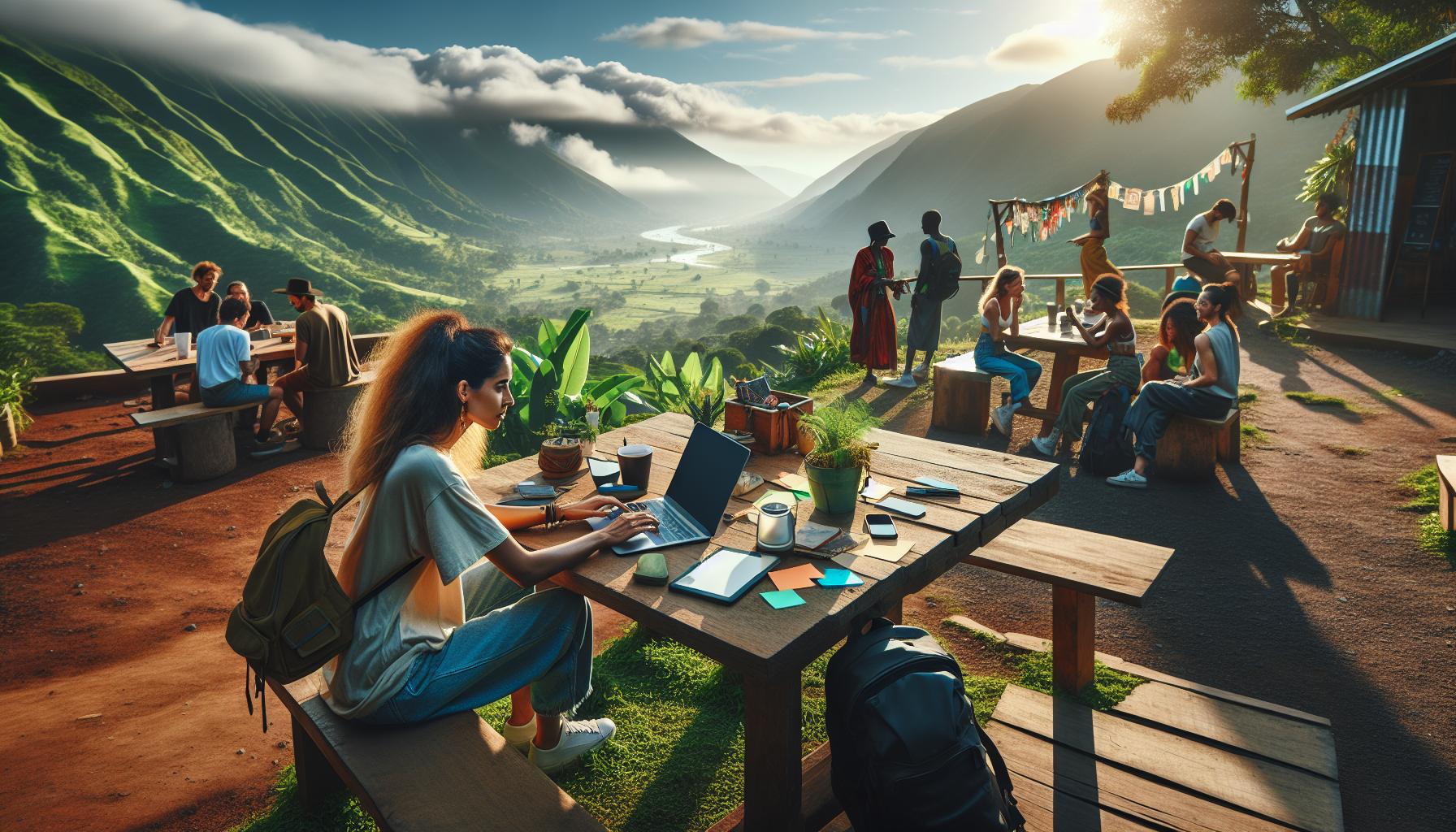
Navigating cultural norms in Sri Lanka can significantly enhance your experience as a solo traveler, offering you both safety and opportunities for meaningful interactions. The country is renowned for its rich traditions, diverse ethnicities, and warm hospitality. To connect deeply with the local culture and ensure a respectful visit, it’s important to understand and embrace the etiquette that governs everyday life in Sri Lanka.
One of the key aspects of Sri Lankan culture is the emphasis on respect and politeness. When greeting someone, a traditional practice is the “ayubowan,” which signifies “may you live long.” This respectful salutation is often accompanied by a slight bow and hands held together in a prayer-like gesture. Engaging in this simple greeting not only shows respect but also opens up smiles and friendly exchanges with locals.
Dress modestly, particularly when visiting religious sites. For women, wearing skirts or dresses that cover the knee and tops that cover the shoulders is advisable. Men should avoid shorts in temples and opt for long pants. This is not only a show of respect but also a means of ensuring you are welcome in sacred spaces like the Temple of the Tooth in Kandy or ancient ruins in Polonnaruwa.
When dining, remember that many locals eat with their right hand. Using the left hand for this purpose is considered disrespectful, as it is traditionally associated with unclean tasks. If you’re uncomfortable eating this way, it’s perfectly acceptable to request utensils, but trying the local way can enrich your experience. In informal gatherings or dining situations, sharing food is common, so accept offerings graciously to foster goodwill.
Lastly, be aware that public displays of affection are generally frowned upon in Sri Lankan society. While it is important to be yourself, maintaining a level of decorum will ensure that you are perceived as respectful. Understanding these cultural nuances and actively showing your respect can lead to rewarding interactions and memorable experiences throughout your journey.
By embracing local customs and etiquette, you will navigate Sri Lanka with greater ease, and make the most of your solo travel adventure while feeling secure and welcomed.
Essential Safety Tips for Solo Travelers in Sri Lanka

Traveling solo in Sri Lanka can be a thrilling experience, offering an enticing blend of stunning landscapes, rich culture, and welcoming locals. However, understanding the essential safety measures can go a long way in enhancing this adventure. Here are some key tips to ensure a safe and enjoyable journey across the island.
First and foremost, stay aware of your surroundings. When exploring bustling markets or quiet villages, maintain a heightened sense of situational awareness. Carry your belongings in a secure manner, opting for an anti-theft backpack or a crossbody bag that you can keep in front of you, especially in crowded areas. Try to keep your valuables, such as passports and credit cards, stored in a money belt or hidden pouch rather than in your purse.
Plan Your Itinerary Wisely
When creating your travel itinerary, consider sticking to well-trodden tourist paths and avoiding remote or poorly lit areas after dark. Popular destinations like Galle, Ella, and Kandy offer a plethora of experiences while ensuring a certain level of safety. Moreover, joining guided tours for some excursions can be a great way to connect with other travelers and alleviate isolation.
Communicate Openly
Establish connections with fellow travelers by staying in hostels, guesthouses, or homestay accommodations. Not only can these interactions provide companionship, but they also offer valuable insights into safe practices from those who may have traveled through the region recently. Don’t hesitate to share your plans with trusted staff members at your accommodation; they can provide insider knowledge on safety and suggest local contacts.
In addition, keeping your mobile phone charged and having local emergency numbers at hand can be invaluable. A simple note with the contacts for local authorities or your country’s embassy could be beneficial if needed.
The use of rideshare services, such as Uber or local alternatives, is recommended for safe transportation, especially at night. Always check the driver’s details before getting in and share your journey with a friend or family member if possible. As always, trust your instincts-if a situation feels uncomfortable or unsafe, remove yourself and seek assistance.
By implementing these essential safety tips, you can explore the breathtaking beauty of Sri Lanka with confidence. With a bit of preparation and awareness, your solo travels can be not only safe but also incredibly enriching, leading to unforgettable memories on this beautiful island.
Popular Destinations: Safe Areas for Solo Exploration

Exploring the enchanting landscapes of Sri Lanka opens up a world brimming with vibrant culture and breathtaking views, making it a prime destination for solo travelers. To ensure a safe adventure, attention should be placed on certain areas known for their welcoming atmosphere and tourism-friendly environments. Cities like Galle, Ella, and Kandy stand out as safe havens where you can fully embrace your solitary journey.
Galle
This coastal city, armed with a UNESCO World Heritage designation, is not only visually stunning but also relatively safe for solo explorers. The Dutch Fort in Galle offers charming streets to wander, filled with cafes and boutiques. Here, you can enjoy the stunning ocean views while mingling with fellow travelers and locals alike. During the day, the area is bustling with activity, enhancing your sense of security. Another perk? Galle’s easy connectivity via public transport ensures you can venture both to quieter beaches and nearby towns without stress.
Ella
Known for its laid-back vibe and picturesque landscapes, Ella is a backpacker’s paradise that feels remarkably safe for solo female travelers. The town is surrounded by lush hills and tea plantations, making it an excellent spot for hiking, such as the journey up Little Adam’s Peak. The local community is friendly and welcoming, often encouraging visitors to engage in cultural experiences. Opt to stay in one of the many guesthouses or hostels, where you can easily connect with other solo travelers and share insights, enhancing your overall travel experience.
Kandy
As the cultural capital of Sri Lanka, Kandy provides a rich dip into the island’s heritage along with a warm and inviting atmosphere. Home to the revered Temple of the Tooth, Kandy attracts tourists from all walks of life, giving the city a lively buzz. The convenience of travel within the city-be it by tuk-tuk or on foot-coupled with a variety of accommodations, makes it an accessible choice for solo adventurers. Stick to well-lit areas and engage with locals; Kandy offers opportunities for robust cultural exchanges that will enrich your journey.
Embracing larger cities and popular towns not only enhances your travel itinerary but also acts as a safety net while navigating your adventures. By opting for these spots, you create a buffer that allows for both exploration and security, ensuring that your solo journey in Sri Lanka can be filled with unforgettable experiences and transformative encounters. Take the leap, and let the island’s warmth and beauty captivate you, all while feeling at ease in your surroundings.
Transportation Safety: Getting Around the Island Securely
Navigating the vibrant streets and beautiful landscapes of Sri Lanka can be an adventure in itself, but understanding how to do so safely is key for solo travelers. Public transportation options like buses and trains are widely available and provide a unique glimpse into local life. Always opt for well-established bus routes or train services, as they tend to be more reliable and frequented by tourists. Ensure to keep a close eye on your belongings, particularly in crowded areas, as pickpocketing can occur.
For a more personalized travel experience, consider using ride-sharing apps like PickMe or Uber, which are available in major cities. These services offer a convenient and safer means of transportation, especially when traveling during late hours. Whenever possible, verify your driver’s identity by checking the vehicle’s registration details provided on the app.
Walkability varies throughout the island; while urban areas like Kandy and Galle are pedestrian-friendly, certain rural areas might lack sidewalks. Stick to main roads, and when walking at night, stay in well-lit, populated areas. If you’re unsure of the safety of your route, don’t hesitate to ask locals for advice-they’re often more than willing to help. Embracing these transportation strategies will empower you to explore Sri Lanka with confidence, allowing you to fully immerse yourself in its stunning culture and landscapes while prioritizing your safety.
Emergency Contacts: What Solo Travelers Need to Know
In a diverse and enchanting destination like Sri Lanka, being prepared for emergencies is crucial for solo travelers. Knowing whom to contact can make a world of difference in stressful situations, providing not just assistance, but also peace of mind throughout your journey. Whether you’ve misplaced your belongings, faced a medical issue, or encountered an unexpected situation, having key contacts at your fingertips can streamline the process and ensure you remain safe and supported.
Essential Emergency Numbers
It’s vital to have a list of emergency contacts readily available. Here are some key numbers you should save in your phone before embarking on your trip:
- Police Emergency Number: 119
- Ambulance Service: 110
- Fire Service: 110
- Tourist Police (for travelers): 011 2 432 112
These contacts will help you reach the appropriate services quickly. The Tourist Police, in particular, are dedicated to assisting travelers and are familiar with common issues faced by foreigners.
Local Embassy Contacts
Knowing the location and contact information for your country’s embassy or consulate is equally important. In case of lost passports, legal issues, or emergencies that require a higher level of assistance, your embassy is your best resource. Make sure to write down their address and phone number. Keep an electronic copy of pertinent documents for added security.
Connecting with Locals and Other Travelers
Joining local travel groups on social media platforms or forums before your trip can enrich your travel experience and provide additional support. Engaging with fellow travelers and locals can lead to valuable advice and help establish a network in case of emergencies. Apps like Meetup and Couchsurfing can also connect you with communities of travelers and locals who can offer assistance or companionship during your stay.
Being proactive about emergency contacts empowers you to explore Sri Lanka with confidence. Understanding how to reach out for help not only enhances your travel experience but also allows you to immerse yourself in the culture while maintaining a layer of safety. Remember, the island’s beauty awaits; with a little preparation, you can enjoy your adventure to the fullest!
Health Considerations: Staying Safe and Well in Sri Lanka
Staying healthy while exploring the beautiful landscapes and vibrant cultures of Sri Lanka is essential for solo travelers. With its diverse climate and variety of foods, it’s crucial to be proactive about your health to ensure a fulfilling adventure. From the tropical heat to the variety of local dishes, awareness and preparation will help you navigate potential health risks with ease.
First and foremost, make sure to stay hydrated, especially in the humid conditions. Carry a reusable water bottle and fill it with safe drinking water, either bottled or filtered. It’s advisable to avoid tap water, as it may cause stomach issues. Additionally, consider bringing electrolyte packets to replenish lost minerals, especially if you spend long days exploring under the sun.
Vaccinations and medications are also vital aspects of health preparation. Consult with a healthcare provider before your trip to discuss recommended vaccines, which may include Hepatitis A, Typhoid, and Tetanus, among others. Make sure to pack a basic first-aid kit containing essentials like antiseptic wipes, adhesive bandages, and any personal medications. For travelers prone to motion sickness, medications like Dramamine can be helpful, particularly when using local transportation options such as buses or tuk-tuks.
Once you arrive, be mindful of food and water safety to avoid the infamous traveler’s stomach upset. Opt for cooked dishes rather than raw foods and enjoy local fruits after washing them thoroughly. Street food can be an appealing option, but stick to vendors who prepare food in front of you to ensure freshness and cleanliness. Additionally, using hand sanitizer regularly will go a long way in preventing illness.
Lastly, familiarize yourself with local healthcare facilities. Research hospitals and clinics that cater to expatriates and tourists, and have their contact information handy. In case of an emergency, knowing where to go for help can significantly reduce stress. For solo travelers, especially women, practicing self-care and mindfulness in managing health can make all the difference in enjoying the stunning beauty of Sri Lanka while ensuring personal wellness throughout the journey.
Accommodations: Finding Safe Places to Stay
Finding the right accommodations is a crucial aspect of ensuring a safe and enjoyable solo travel experience in Sri Lanka. This island nation offers a multitude of lodging options, from hotels to homestays, but knowing where to stay can empower you with peace of mind as you navigate this vibrant culture. It’s essential to choose places that provide not only comfort but also a sense of security.
Begin your search with boutique hotels or guesthouses that have excellent reviews from solo travelers, particularly those who have shared experiences regarding safety. Websites such as Booking.com and Airbnb allow you to filter results based on user ratings and specific amenities. Look for properties that offer 24-hour reception and security features, such as key-card access or lockers for your belongings. For instance, popular cities like Colombo and Kandy feature establishments that often cater to international tourists, providing a welcoming atmosphere and attentive staff.
For an even more immersive experience, consider staying in homestays. Not only do these provide a unique opportunity to interact with local families, but they also inherently carry an added layer of safety, as local hosts are generally invested in the wellbeing of their guests. This can be particularly beneficial if you’re traveling alone-your host can provide valuable insights about safe areas to explore and recommend dining options that align with your dietary preferences.
Additionally, it’s wise to be cautious when choosing accommodations in less populated or unfamiliar areas. Research neighborhoods in advance through online forums or travel blogs, and don’t hesitate to reach out to fellow travelers for recommendations. It’s important to ensure the locale is safe, especially if you plan on returning late at night. Solo travelers often find peace in areas known for their friendly communities and lower crime rates, enhancing the overall travel experience while minimizing risks.
Finally, remember to communicate your travel plans with family or friends back home. Sharing your accommodation details and itinerary not only allows them to stay informed but can also serve as a safety precaution in the unlikely event of an emergency. By making informed choices about your accommodations, you’ll set the stage for an enriching solo journey through the mesmerizing landscapes and cultures of Sri Lanka, allowing you to explore with confidence and joy.
Local Laws and Regulations: What Solo Travelers Should Know
Navigating the laws and regulations of a new country can significantly enhance your solo travel experience and ensure your safety in Sri Lanka. The diverse legal landscape reflects the island’s rich culture and heritage, governing everything from dress codes to behavior in sacred spaces. Understanding these norms will not only keep you safe but also respect the traditions of the local people.
One of the fundamental aspects to be aware of is that Sri Lanka adheres to a strict code of conduct in religious places. Visit temples and churches modestly attired; for instance, women should cover their arms and legs, while men should refrain from wearing sleeveless shirts. Observing these practices demonstrates respect and will often lead to a more enriching experience. It’s also advisable to remove your shoes before entering these sacred sites, as this is a common practice and a sign of reverence.
In terms of legal restrictions, it’s crucial to be aware that drug use is strictly prohibited in Sri Lanka, and penalties can be severe, including imprisonment. Always check current regulations regarding alcohol consumption, as they may vary, especially in religious regions or during specific local festivals. Additionally, photography in certain areas, such as military installations or other sensitive locations, is often forbidden, so it’s wise to look for signage indicating where you can and cannot take photos.
When it comes to road rules, Sri Lanka operates on the left side of the road, which can be a significant adjustment for travelers from countries where driving is on the right. Wearing seatbelts is mandatory, and the use of a helmet is required for motorbike riders. For solo travelers planning to rent a vehicle, ensure that you have a valid international driving permit.
Lastly, familiarize yourself with local laws regarding behavior in public places. Acts of public displays of affection might be frowned upon, and maintaining decorum is generally advised. Being mindful of local customs will contribute to a smoother travel experience and help you connect more authentically with the island’s vibrant culture.
By arming yourself with this knowledge, you can explore the stunning landscapes and rich history of Sri Lanka with both confidence and respect, allowing for a truly immersive adventure on this beautiful island.
Connecting with Other Travelers: Finding Community
In the vibrant tapestry of Sri Lanka, one of the best ways to enhance your solo travel experience is by connecting with fellow travelers. Engaging with others not only enriches your journey but also amplifies your sense of safety and community. Hostels, guesthouses, and co-living spaces are excellent starting points for meeting like-minded adventurers. Many of these accommodations host communal activities, such as guided tours or cooking classes, which create a relaxed environment to bond with fellow travelers.
Social media groups and online platforms can also serve as vital resources for finding travel companions or gaining insider tips. Websites like Meetup and Couchsurfing offer opportunities to join local events or connect with residents who can provide guidance. Additionally, leveraging platforms such as Instagram or Facebook to follow travel influencers who explore Sri Lanka can lead you to community events or group trips. Many travelers share their itineraries or organize meetups, which can be a fantastic way to explore the island while forging friendships.
Safety in Community
Traveling in a group, even if that group is formed spontaneously with new friends, can enhance your overall safety. When exploring bustling markets or remote natural sights, having travel companions provides not only security in numbers but also experience-sharing that often leads to discovering hidden gems. For instance, local knowledge about safe hiking trails or restaurant recommendations are precious insights that fellow travelers can offer.
Furthermore, like-minded individuals often share interests, whether in photography, food, or adventure sports, creating bonds that elevate your experience. Engaging in activities together, such as surfing in Weligama or visiting the ancient rock fortress of Sigiriya, can make your adventures not only safer but also more memorable. Sharing stories and advice over a meal or a sunset can spark new friendships that last long after your journey ends.
To facilitate these connections, consider participating in local volunteer opportunities or workshops that interest you. Activities like beach clean-ups or cultural exchange programs can be meaningful ways to meet others while contributing to the community, reinforcing your role as a respectful traveler.
By embracing the spirit of community in Sri Lanka, you can navigate your solo adventure with enhanced confidence and a sense of belonging, ensuring that your journey is as safe and enriching as possible.
Tips for Women Traveling Alone in Sri Lanka
Traveling alone as a woman in Sri Lanka can be an enriching experience filled with adventure and growth. The island’s warm culture and welcoming locals often create a safe environment for solo female travelers, but being prepared is key to enhancing your overall experience.
Start by embracing the local dress code. Sri Lanka is a predominantly Buddhist country, and modesty is appreciated. Wearing clothing that covers your shoulders and knees, particularly when visiting temples or rural areas, not only shows respect but can also help you blend in. Additionally, it’s wise to keep your belongings secure; using a crossbody bag and being mindful of your surroundings can deter petty theft.
Building a network can greatly enhance your experience. Make connections through travel forums or social media platforms dedicated to female travelers. Joining local tours or workshops is another fantastic way to meet other travelers and locals while engaging in activities like cooking classes or guided hikes. Such interactions can lead to not only friendships but also valuable advice on safe places to visit.
When it comes to transportation, consider using reputable services. Rideshare apps and private taxis are usually safer options than public transport at night. Always carry a local SIM card or ensure your phone is functional with a reliable data plan, as it can help you navigate and stay in touch with friends or family back home.
Don’t hesitate to trust your instincts. If something feels off-whether it’s the ambiance of a location or the demeanor of a person-it’s absolutely okay to change your plans. Women who travel solo often share stories of the empowering decisions made when they prioritize their comfort and safety.
Lastly, engage with the local culture. Attend festivals, explore local markets, and learn a few Sinhala or Tamil phrases; this openness can lead to positive interactions and enhance your enjoyment of the island’s diverse offerings. Through thoughtful planning and staying aware, your journey through Sri Lanka can be an unforgettable tale of exploration and empowerment.
FAQ
Q: Is it safe to travel solo in Sri Lanka?
A: Yes, Sri Lanka is generally safe for solo travelers, especially in tourist-friendly areas. However, it’s essential to stay alert, stick to popular destinations, and follow local advice for safety tips. Engaging with local communities can enhance your experience while maintaining safety.
Q: What are the best practices for female solo travelers in Sri Lanka?
A: Female solo travelers should dress modestly, avoid traveling alone at night, and use trusted transportation options. Joining local women’s groups or tours can provide companionship and additional safety. Always trust your instincts and be aware of your surroundings.
Q: How can solo travelers stay connected in Sri Lanka?
A: Purchasing a local SIM card upon arrival is the easiest way for solo travelers to stay connected. Information on mobile providers can typically be found at the airport. Apps like WhatsApp and Google Maps are invaluable for navigation and keeping in touch.
Q: When is the best time to travel solo in Sri Lanka?
A: The ideal times for solo travel in Sri Lanka are during the dry seasons, from December to March and April to June. This period provides pleasant weather for exploring various attractions and enhances overall safety.
Q: Are there any specific areas in Sri Lanka that are safer for solo travel?
A: Yes, areas like Colombo, Kandy, Galle, and the cultural triangle are considered safe and rich in tourist activities. Staying in reputable accommodations in these regions can help ensure a secure experience while enhancing your adventure.
Q: What should I pack for solo travel in Sri Lanka?
A: Solo travelers should pack lightweight, breathable clothing, a good pair of walking shoes, travel-sized toiletries, and a first-aid kit. Additionally, consider a portable charger and a water bottle to stay hydrated while exploring.
Q: How can I meet other travelers while solo traveling in Sri Lanka?
A: Joining group tours, attending local events, or staying in hostels can be great ways to meet fellow travelers. Engaging with online travel communities before your trip can also help you connect with others in real-time.
Q: What is the public transportation like in Sri Lanka for solo travelers?
A: Public transportation in Sri Lanka includes buses and trains, which are affordable and widely used. While safe, they can be crowded, so it’s wise to travel during off-peak hours and choose reputable transport options for longer distances.
Closing Remarks
As you contemplate your solo journey through the enchanting landscapes of Sri Lanka, remember that safety and adventure can coexist beautifully. Travelers consistently share tales of the island’s warm hospitality and vibrant culture, making it an inviting destination for independent exploration. Don’t let hesitation hold you back-now is the perfect time to embrace the unique experiences waiting for you in this tropical paradise.
For more insights, check our guides on navigating local customs and essential travel tips to enhance your adventure. If you’re looking for personalized assistance, consider our travel consultation services tailored to solo travelers. Stay informed and inspired by subscribing to our newsletter for the latest updates and stories from fellow adventurers exploring the diverse facets of travel. Sri Lanka is calling-answer it with confidence!