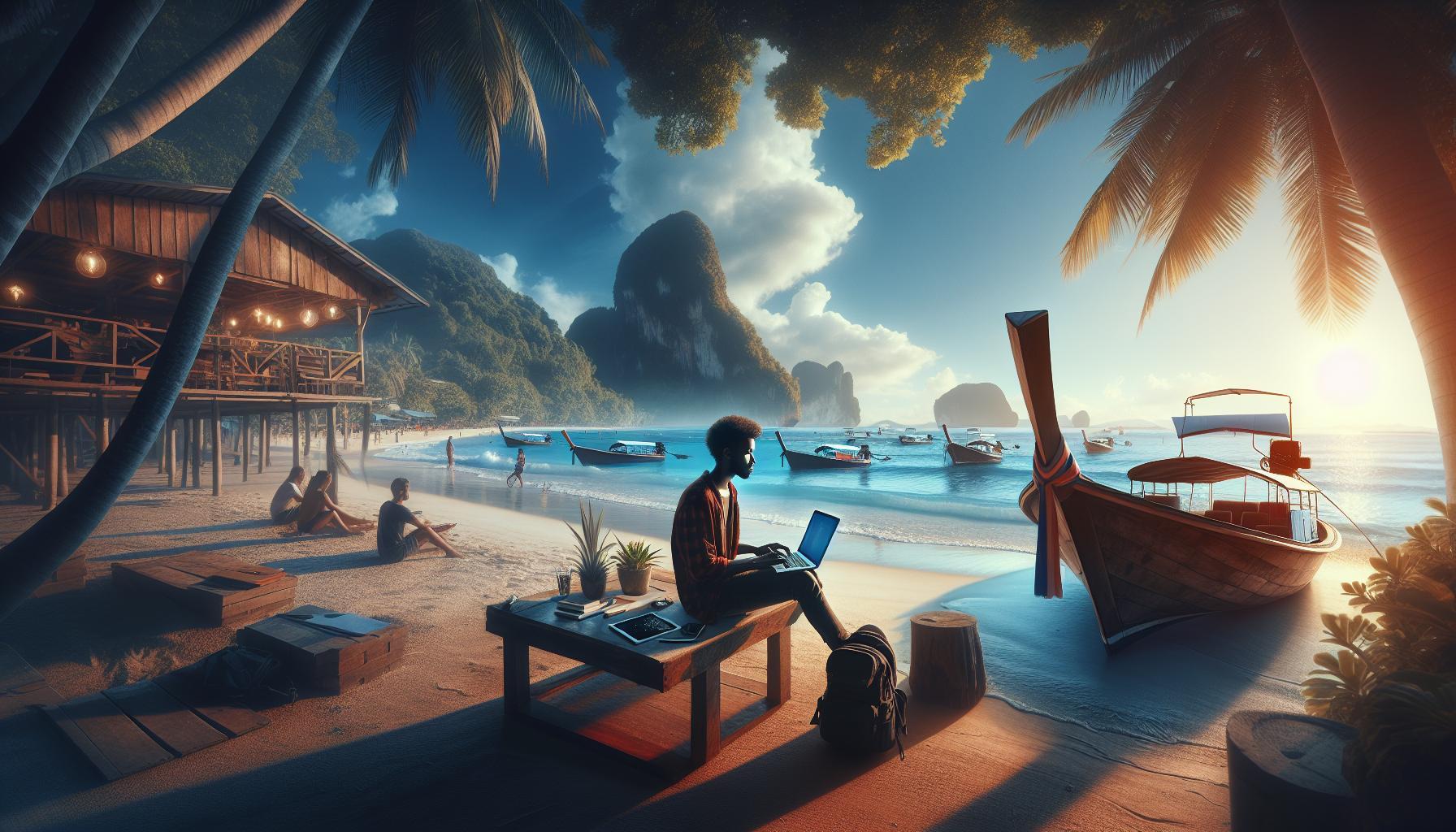
Imagine waking up to the sound of waves crashing on the shore or sipping coffee in a vibrant café surrounded by stunning architecture. For digital nomads, the world is their office, and 2025 is brimming with enticing destinations that combine work and adventure seamlessly.
In this guide, we’ll explore the best places to work remotely, each offering unique charms that cater to your professional and personal aspirations. Whether you’re a seasoned traveler or considering your first journey into the remote work lifestyle, understanding the top digital nomad destinations can transform your experience. From inspiring coworking spaces to supportive expat communities, these locations are not just about stunning views; they provide the infrastructure you need to thrive.
Join us as we uncover the ultimate spots where productivity meets paradise, igniting your wanderlust and empowering you to embrace location independence like never before!
Best Cities for Digital Nomads in 2025
In 2025, the digital nomad movement continues to thrive, and several cities around the globe stand out as prime locations for remote work combined with vibrant lifestyles. These destinations not only offer reliable internet connections and co-working spaces but also the warmth of community and culture that enrich the nomadic experience. From the lively streets of Lisbon to the serene beaches of Bali, each city provides unique attributes that cater to digital nomads seeking adventure and productivity alike.
Lisbon, Portugal
Lisbon has become a hotspot for international remote workers, offering a rich blend of historic charm and modern conveniences. The cost of living is relatively low compared to other European capitals, and the city is renowned for its sunny weather, delicious cuisine, and friendly locals. Numerous co-working spaces, like Second Home and Impact Hub, foster creativity and networking among expats. Plus, Lisbon’s extensive public transport system makes it easy to explore the city’s many attractions on your days off.
Bali, Indonesia
Bali remains a perennial favorite amongst digital nomads for its breathtaking landscapes and laid-back lifestyle. The island features a plethora of co-working spaces, such as Dojo Bali and Outpost, which provide all the amenities necessary for a productive workday. Accommodation options range from budget hostels to luxurious villas, and the cost of living can be quite affordable. With its rich culture, yoga retreats, and an active community of like-minded individuals, Bali offers an unparalleled balance of work and relaxation.
Chiang Mai, Thailand
For those looking for a more affordable lifestyle, Chiang Mai is a fantastic option. The city has a vibrant digital nomad scene with numerous co-working spaces like CAMP and The Workation. Its low cost of living allows for a comfortable lifestyle, and its delicious street food scene is a highlight for many. Moreover, Chiang Mai offers stunning landscapes and a multitude of cultural experiences, making it the perfect spot to unwind after a busy work week.
By choosing one of these top cities for remote work, you can not only enhance productivity but also immerse yourself in rich local cultures. Each destination offers unique advantages tailored to different preferences, making it essential to consider what environment best aligns with your lifestyle and work needs as a digital nomad.
Cost of Living: What to Expect in 2025

The surge in the digital nomad lifestyle has led to a diverse range of living costs across the globe, making it essential for aspiring remote workers to plan wisely for their adventures. In 2025, budget considerations vary significantly based on location, lifestyle choices, and personal habits. For many digital nomads, the goal is to strike a balance between affordability and quality of life while enjoying the benefits of a vibrant culture and community.
When evaluating potential destinations, consider examining factors such as accommodation, food, transportation, and leisure costs. For example, Lisbon offers a relatively affordable cost of living compared to other Western European capitals, with shared apartments averaging around €400-€700 per month in popular neighborhoods. Dining out may cost approximately €10-€15 for a meal at a mid-range restaurant, showcasing Portugal’s culinary delights without breaking the bank.
In contrast, Bali can be incredibly budget-friendly, with affordable co-working spaces available for as little as $50 per month and accommodation options ranging from $200 for basic residences to $1,500 for luxury villas. The local cuisine is not only delicious but also inexpensive, with meals at local warungs costing just a few dollars, allowing nomads to indulge in the island’s rich flavors.
Chiang Mai, often regarded as the digital nomad capital of Thailand, boasts even lower living costs, where one can live comfortably on a budget of $500 to $1,000 per month. Here, a meal from a street vendor might cost around $1, making it easy to explore a wide array of Thai dishes. Additionally, access to co-working spaces is plentiful and costs about $30-50 per month, making it feasible to work efficiently without excessive expenditure.
As you narrow down your choices, it’s crucial to create a budget tailored to your lifestyle needs. This includes not just living expenses but also travel costs to explore your surrounding area. Using resources like Numbeo or Expatistan, potential nomads can gain insight into the cost of living in various cities, helping them assess where their money will go further. Remember to consider additional expenses, including healthcare, local taxes, and potential currency fluctuations, which can also impact your overall budget.
Ultimately, ensuring you have a clear understanding of costs associated with your chosen destination will enhance your nomadic journey, allowing for greater exploration and adventure while working remotely. Enjoying the benefits of different cultures and communities can be incredibly rewarding, especially when your budget allows for both work and relaxation.
Top Co-Working Spaces for Remote Work

Remote work has propelled the co-working movement into the spotlight, offering vibrant spaces tailored specifically for digital nomads. In 2025, the best co-working spaces blend functionality, community, and atmosphere, forming hubs where creativity and productivity flourish. So whether you’re in the bustling streets of Lisbon or the serene beaches of Bali, finding the right environment can significantly enhance your work experience.
Consider co-working spaces that not only provide high-quality amenities but also foster connections with fellow remote workers. Locations such as Selina, popular in both Latin America and Bali, offer flexible options ranging from hot desks to private offices, and they often feature community events that encourage networking and collaboration. Another standout is Spaces in cities like Amsterdam and Berlin, known for its inspiring design and engaging community atmosphere while providing robust business services and high-speed internet.
Key Features to Look For
When scouting for co-working spaces, prioritize the following:
- High-Speed Internet: Essential for seamless video calls and quick uploads.
- Access to Meeting Rooms: For collaborative projects and client meetings.
- Community Events: Opportunities to connect with other professionals.
- Work-Life Balance Amenities: Think yoga classes, cafes, or relaxation areas that keep you energized.
Cities like Chiang Mai, with its plethora of co-working spaces such as Punspace, provide budget-friendly options while delivering strong networking opportunities through events and workshops designed for digital nomads. Additionally, Lima hosts La Gran Avenida, a unique space that combines a café atmosphere with dedicated work areas, perfect for those who thrive in social settings. These carefully chosen co-working environments enhance your productivity while allowing you to interact with like-minded individuals from around the world.
As you embark on your nomadic journey, don’t hesitate to explore and experiment with various co-working spaces. Many offer day passes or trial memberships, making it easy to find the right fit for your personal work style and the unique culture of your chosen city. With the right space, not only can you be productive, but you can also build a network of contacts and friendships that enrich your adventure, making the world feel just a little bit smaller.
Navigating Visas and Work Permits

The thrill of working remotely from exotic locations is tempered by an essential reality: navigating the complex landscape of visas and work permits. Each country has its own set of rules governing the legalities of staying and working within its borders, which can vary widely based on nationality, the duration of stay, and employment circumstances. For aspiring digital nomads, understanding these nuances is instrumental in transforming wanderlust into a sustainable lifestyle.
To simplify the process, start by researching visa options in your desired destinations. Many countries have introduced specific visas catering to remote workers and digital nomads, such as Portugal’s D7 Visa or Croatia’s Digital Nomad Visa. These permits typically allow you to live and work remotely while providing opportunities for longer stays without the need for frequent border runs. Be sure to check the eligibility requirements, which may include proof of income, health insurance, and even documentation from your employer confirming your remote work status.
Steps to Secure Your Visa
- Identify Your Destination: Research countries that offer favorable visa options for digital nomads.
- Gather Required Documentation: Collect necessary documents such as proof of income, employment contracts, and insurance coverage.
- Submit Application: Apply through the appropriate government websites or consulates, paying close attention to application timelines and fees.
- Prepare for Arrival: Familiarize yourself with local laws and regulations, and have a plan in place for transitioning to a new culture.
Another critical aspect is to be aware of the potential for visa renewals and extensions. Many countries make it relatively straightforward to extend your visa if you are enjoying your stay and proving you can financially support yourself. Keep a record of your stay and adhere to local requirements to avoid complications.
Lastly, join digital nomad communities online to stay updated on any changes in visa policies or share experiences with fellow travelers. Utilizing platforms like Facebook groups or forums dedicated to van-life or remote work can provide invaluable insights and recent updates from locals and seasoned nomads alike. By arming yourself with knowledge and community support, you can turn the often-daunting task of visa navigation into a manageable and empowering adventure, setting the stage for a fulfilling journey as a digital nomad.
Internet Connectivity: Essential Considerations

As a digital nomad, stable and high-speed internet is your lifeline, allowing you to connect with colleagues, clients, and friends. Before deciding on a destination, it’s crucial to investigate the local internet landscape, as it can significantly impact your productivity and peace of mind while traveling. In 2025, many popular digital nomad hotspots will offer varying levels of connectivity, making it essential to choose wisely.
Start by checking internet speed rankings for your potential cities. Countries like Portugal, Spain, and parts of Southeast Asia consistently rank high for reliable internet access. For example, Lisbon’s network is robust, with average speeds surpassing 100 Mbps, making it an excellent location for remote work. Similarly, Chiang Mai in Thailand also boasts a reliable network, supported by numerous co-working spaces equipped with strong Wi-Fi to keep you connected.
It’s not merely about speed, though; also consider connectivity options. Look for cities that provide extensive mobile data coverage as a backup. Investing in a local SIM card with a good data plan can be your safety net in case you encounter network issues at your primary workspace. Additionally, researching the prevalence of co-working spaces in your chosen destination can result in not only a reliable internet connection but also opportunities for networking and collaboration with like-minded professionals.
To ensure a seamless experience, try to engage with local communities on platforms like Facebook or Meetup, where fellow remote workers can share their insights on the most reliable providers and fastest networks. Don’t forget to check for any seasonal variations, as internet quality can fluctuate based on tourist influx or infrastructural developments. By arming yourself with this vital information, you can confidently embark on your next adventure, fully equipped to work effectively and creatively from anywhere in the world.
Local Culture: Embracing Community as a Nomad
Embracing local culture is one of the most enriching aspects of the digital nomad lifestyle. Each new destination offers a unique tapestry of experiences, traditions, and opportunities to forge connections with the community. Rather than simply being a transient visitor, immersing yourself in the local culture can transform your remote working experience from mundane to memorable. Activities like joining cultural festivals, participating in language exchange meetups, or volunteering can significantly enhance your connection to the place you call home, at least temporarily.
Utilizing platforms such as Meetup, Couchsurfing, or local Facebook groups can unveil a plethora of community activities tailored to expatriates and travelers. These gatherings are ideal opportunities for networking not only professionally but also socially. Collaborating with locals and other nomads can lead to friendships, partnerships, and potentially valuable business insights. It’s also beneficial to frequent local markets and eateries, where you can savor authentic cuisine and meet the artisans and vendors behind the products. Engaging with local traditions-whether it’s celebrating a holiday, learning about indigenous crafts, or taking cooking classes-can deepen your appreciation for your new environment.
Understanding and respecting local customs is equally vital. Even small gestures, like greeting locals in their language or partaking in traditional practices such as regular siestas in Spain, can go a long way toward building rapport. This not only demonstrates cultural sensitivity but can also open doors that might otherwise remain closed. If you’re in a country where hiking or outdoor activities are popular, consider joining guided tours or community hikes to make friends and enjoy the breathtaking scenery together.
Remember, the beauty of being a digital nomad lies in the freedom to weave your lifestyle with that of the world around you. By actively seeking out these cultural experiences, you become part of a larger community that can enrich your travels and inspire your work. Whether you find yourself sipping coffee with locals in a bustling café in Buenos Aires or exploring historical landmarks in Lisbon, each experience adds depth to your journey, allowing you to work while thriving in a vibrant, interconnected world.
Health and Safety Tips for Solo Travelers
Exploring the world as a solo traveler can be one of the most empowering experiences of your life. However, safety and health should be at the forefront of your mind while navigating new environments. As you embark on your journey to top digital nomad destinations in 2025, incorporating robust health and safety practices can enhance your adventure while providing peace of mind.
Firstly, stay informed about your destination. Research local customs, health advisories, and safety concerns related to your chosen location. Websites like the CDC or WHO provide valuable insights into any necessary vaccinations, current outbreaks, or health alerts. Make a habit of checking the local news to stay updated on any developments that may affect your safety.
Carrying a well-stocked first-aid kit is essential. Equip it with basic supplies, including band-aids, antiseptic wipes, pain relievers, allergy medication, and any personal prescriptions. Familiarize yourself with the local healthcare system, including where hospitals or urgent care centers are located. In addition, consider health insurance that covers you while abroad. Many companies specialize in plans tailored for travelers, ensuring you have access to medical services if needed.
When it comes to personal safety, trust your instincts. Always be aware of your surroundings and avoid areas known for crime, especially at night. Consider using technology to your advantage; share your location with friends or family and check in regularly. Utilizing apps designed for solo travelers can connect you with local communities or fellow nomads, providing a network for support.
Lastly, practice safe habits. Within your accommodation, utilize lockers to secure valuables and be cautious with how much cash you carry. Opt for reputable transportation methods, whether it’s a trusted taxi app or public transportation that locals recommend. As you explore, engage with people but remain discerning about personal information. Building connections with fellow travelers can also lead to shared experiences that enhance safety and enjoyment.
Incorporating these health and safety tips into your routine will empower you as a solo traveler, making your digital nomad journey not only memorable but also safe. Embrace the adventure with confidence, knowing you are prepared to navigate the beautiful complexities of the world.
Best Countries for Remote Work Tax Benefits
Navigating the world of remote work tax benefits can significantly enhance your digital nomad lifestyle, allowing you to allocate more of your earnings towards exploring new destinations. Several countries stand out for their favorable tax regimes, making them especially attractive for remote workers who prioritize financial efficiency alongside adventure.
Top Countries with Lucrative Tax Benefits
- Portugal: With its Non-Habitual Resident (NHR) scheme, Portugal offers substantial tax reductions for expatriates. Income from foreign sources may be exempt from tax under this regime for ten years, making it an ideal base for digital nomads.
- Mexico: Known for its vibrant culture and lower cost of living, Mexico has a foreign income exemption threshold. Expats earning below a certain limit are not required to pay income taxes, allowing for more savings to enjoy the local lifestyle.
- Georgia: This country has gained popularity for its favorable tax policies, offering a special visa program for remote workers and a flat tax rate as low as 1% for businesses in certain sectors. Its blend of stunning landscapes and friendly locals make it an inviting spot for finicky nomads.
- Bali, Indonesia: Though Indonesia has a more complicated tax system, Bali has become a hub for digital nomads due to its special visas. While expats must generally pay taxes on local income, many enjoy lower living costs and a lifestyle that prioritizes work-life balance.
Understanding the tax requirements in your chosen country is essential. Before moving, ensure you research local regulations and potential taxes on income. Consulting with a tax professional can help optimize your tax strategy, enabling you to retain more of your earnings while enjoying your adventures abroad.
Embracing the tax benefits of remote work can empower you to choose destinations that not only enrich your personal and professional life but also allow you to thrive financially as you travel. With the right planning, you can navigate the nuances of international tax laws seamlessly, ensuring a fulfilling and prosperous nomadic experience.
How to Choose Your Ideal Nomad Destination
Choosing the right destination as a digital nomad can significantly impact your productivity, lifestyle, and overall experience while working remotely. With numerous options available worldwide, it’s essential to evaluate various factors that align with your personal and professional needs. Understanding these considerations will empower you to select a place that not only accommodates your work requirements but also enriches your travel adventure.
Start by assessing your work needs: reliable internet connectivity, availability of co-working spaces, and a suitable environment for focused work. Research cities renowned for their thriving remote work communities, such as Bali, where co-working hubs foster collaboration among freelancers, or Lisbon, known for its digital nomad vibe and robust infrastructure. Utilize online resources and platforms where nomads share their experiences to gauge the quality of work environments in potential locations.
Next, consider the cost of living, which can vary dramatically from one city to another. Calculate your budget to ensure you can maintain a comfortable lifestyle while meeting your work obligations. For instance, while a city like Prague offers a rich historical ambiance, it may have a different price point compared to relatively inexpensive destinations like Chiang Mai in Thailand, where you can enjoy a vibrant culture without breaking the bank. Comparing costs-rent, food, transport-can help you make an informed decision that won’t strain your finances.
Cultural immersion is another crucial aspect. Opt for destinations where you feel a sense of community that reflects your values and interests. Engaging with local customs, meeting fellow nomads, or participating in community events can enhance your experience significantly. For instance, cities like Medellín and Budapest are not only known for their affordability but also their welcoming communities, which provide ample opportunities for networking and socializing.
Lastly, don’t overlook logistical considerations such as visa regulations and safety. Some countries offer specific visas aimed at digital nomads, making it easier to settle in for longer terms. Research entry requirements and stay compliant to avoid complications during your travels. Additionally, always prioritize your safety by choosing locations that are considered secure for solo travelers. Leveraging local insights, travel blogs, and global nomad forums can provide essential tips on how to stay safe and enjoy your journey fully.
By giving thoughtful attention to these factors-work needs, cost of living, cultural experiences, and practical logistics-you can confidently choose a destination that will support both your professional ambitions and your wanderlust, leading to a fulfilling and adventurous nomadic lifestyle.
Overcoming Challenges: Tips for Digital Nomads
Navigating the digital nomad lifestyle can be exhilarating, yet it also presents its own set of challenges that require thoughtful strategies to overcome. One of the most common hurdles is managing time effectively. Without a traditional office structure, it’s easy to blur the lines between work and leisure. Implementing a structured schedule can help maintain productivity. Consider using techniques like the Pomodoro Technique, where work is broken into focused intervals followed by short breaks, to enhance concentration. This approach not only aids in time management but also prevents burnout by allowing time for relaxation and exploration.
Another significant challenge is staying connected. During your travels, reliable internet access may not always be guaranteed. To mitigate this, research co-working spaces and local cafes known for good Wi-Fi before arriving in a new city. Engaging with online communities on platforms like Facebook groups or nomad-specific forums can also yield valuable suggestions on places that cater to digital workers. Furthermore, consider keeping a backup plan, such as a portable hotspot or eSIM, to ensure you can remain productive regardless of location.
Cultural differences and language barriers can also present obstacles for digital nomads. While immersing yourself in new cultures is one of the greatest perks of this lifestyle, it can sometimes feel overwhelming. To ease this transition, take time to learn basic phrases in the local language and familiarize yourself with the customs and etiquette of your destination. Resources like language learning apps or local meetups can also foster connections and enhance your experience.
Lastly, maintaining a sense of community while traveling extensively can be challenging, especially for solo nomads. Finding ways to engage with other travelers or locals can bolster your social network and provide essential emotional support. Look for local groups, workshops, or digital nomad meetups. Platforms such as Meetup or Bumble BFF can connect you with like-minded individuals. Making an effort to build relationships not only enriches your journey but can also lead to lasting friendships that transcends borders.
By proactively addressing these challenges with innovative solutions, the rewarding lifestyle of a digital nomad can become more accessible and enjoyable. Embrace the journey, remain flexible, and remember that every obstacle presents an opportunity for growth and adventure.
Balancing Work and Travel: A Lifestyle Guide
Finding the perfect balance between work and travel is key to thriving in the digital nomad lifestyle, especially as more workers embrace the idea of remote living in 2025. One effective approach to achieving this balance is to establish a routine that melds work responsibilities with explorative adventures. Start your day with a structured morning that includes a few hours dedicated to focused work-choosing a peaceful environment such as a café with reliable Wi-Fi or a co-working space that fosters productivity, both of which are abundant in top digital nomad cities.
Scheduling Work Hours
To maintain productivity, consider allocating specific work hours that align with the local culture and energy. For instance, if you are in a city with a vibrant nightlife, starting your workday earlier can free up your evenings for exploring. Here’s a simple framework to start with:
- Morning Routine (7 AM – 9 AM): Start your day with a light workout, local breakfast, and review your tasks.
- Work Block (9 AM – 12 PM): Focus on high-priority tasks while you’re fresh.
- Lunch Break (12 PM – 1 PM): Take a break to enjoy local cuisine and stretch your legs.
- Afternoon Work Block (1 PM – 4 PM): Continue with less intense tasks or meetings.
- Evening Exploration (4 PM onwards): Allow yourself to explore local sights, engage in activities, or socialize.
Setting Boundaries
It is crucial to set boundaries to protect your leisure time. Use tools like calendar apps to block out your work hours, ensuring colleagues or clients are aware of your availability. Communicating your working hours helps maintain professionalism while giving you the freedom to engage fully with your surroundings. Additionally, incorporate techniques to minimize distractions, such as silencing notifications during work hours or finding quieter spaces to enhance your focus.
Integrating Travel into Your Work Life
Travel doesn’t have to be a hindrance to productivity. Instead, think creatively about how to integrate exploration into your work routine. Take your meetings outdoors or schedule work sessions in interesting locations. For example, you could join a coworking space that offers events or social gatherings that promote networking with other remote workers and enhancing a sense of community.
Also, embrace the local culture during downtime. Attend language classes, cooking workshops, or local tours to enrich your experience in the region. These activities not only provide a refreshing break from work but also foster deeper connections with the destinations you inhabit.
By adopting these practices, you can navigate your dual roles as a professional and traveler without sacrificing either aspect. Embrace the excitement of this lifestyle, knowing that achieving a harmonious blend of work and adventure is possible with careful planning and an open mind.
Q&A
Q: What are the top cities for digital nomads in 2025?
A: In 2025, prominent cities for digital nomads include Bali, Lisbon, and Medellín, known for their vibrant cultures, affordability, and strong remote work communities. These cities offer diverse experiences and extensive networking opportunities for remote workers looking to balance work and travel effectively.
Q: How can I find affordable accommodation as a digital nomad?
A: To find affordable accommodation, explore platforms like Airbnb, Hostelworld, or local Facebook groups for rentals. Consider co-living spaces, which often cater to digital nomads and include amenities like coworking areas. Research average rental prices in potential destinations to budget effectively.
Q: What are the benefits of being a digital nomad?
A: The benefits of being a digital nomad include flexibility in your work location, the opportunity to travel and explore diverse cultures, and the ability to create a work-life balance that suits your personal needs. Many digital nomads highlight the chance to meet like-minded individuals as a significant plus.
Q: What are common challenges digital nomads face?
A: Common challenges include maintaining a steady income, finding reliable internet, dealing with loneliness, and navigating visa regulations. Establishing a routine and connecting with local communities can help mitigate these challenges, ensuring a rewarding nomadic lifestyle.
Q: How can I build a community as a digital nomad?
A: Engage with local coworking spaces, attend meetups, and participate in online forums or social media groups tailored for digital nomads. Networking events, workshops, and volunteering can also foster connections, creating a supportive community in your chosen location.
Q: What should I consider when choosing a digital nomad destination?
A: When selecting a destination, consider factors like cost of living, internet connectivity, local culture, safety, and the presence of a nomad community. Research each aspect carefully to ensure the chosen location aligns with your lifestyle and work requirements.
Q: Are there specific visa categories for digital nomads?
A: Yes, many countries now offer digital nomad visas that allow remote workers to live and work legally abroad for extended periods. Research visa requirements for your desired destinations, as regulations vary widely, ensuring compliance to avoid legal issues.
Q: How do I manage my work-life balance as a digital nomad?
A: To manage work-life balance, establish a routine that delineates work hours from leisure time. Utilize tools like time management apps, and set clear boundaries to separate work from exploration. Prioritize self-care and plan activities that excite you during non-work hours.
To Conclude
As you consider your next adventure in 2025, remember that the world is full of inspiring places to embrace the digital nomad lifestyle. From vibrant urban hubs to serene beach fronts, each destination offers unique opportunities to blend work and travel. Don’t wait to start planning your journey-visit our guides on essential visas and taxes to ensure a smooth transition to remote work abroad.
Explore more about the best coworking spaces and tips for staying productive while traveling. Your dream of freedom and flexibility is just a click away! Join our community of remote professionals today by signing up for our newsletter, and share your thoughts in the comments below-what destination excites you the most? Together, let’s unlock the world of digital nomadism and make the most of every unique experience ahead!