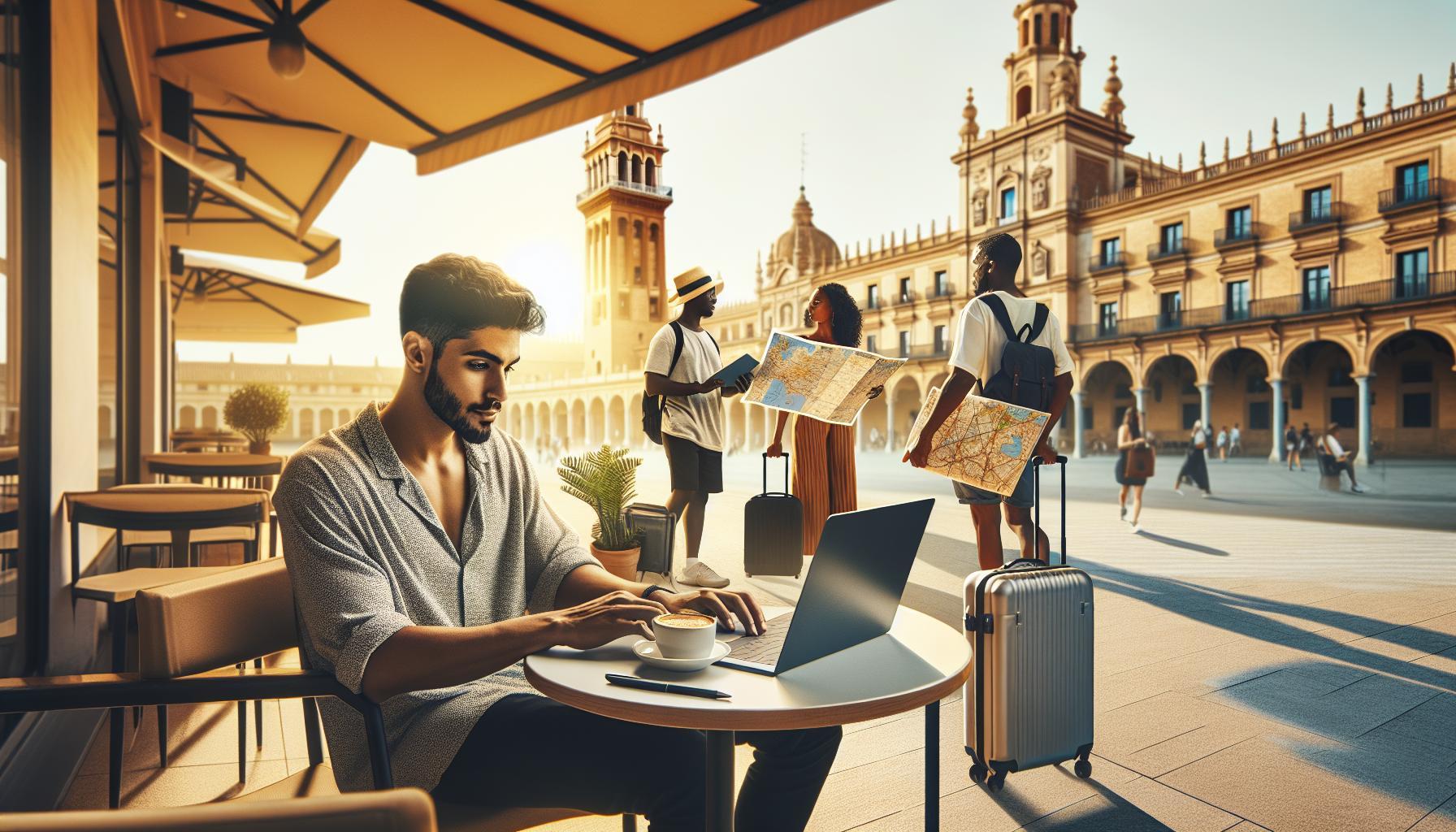
In a world where traditional office jobs are increasingly being replaced by remote opportunities, the digital nomad lifestyle has gained immense popularity. This article delves into the best remote work opportunities shared by fellow nomads on Reddit, a platform where real experiences and insights can guide you toward achieving your location-independent dreams. Whether you’re seeking flexibility to travel or simply want to escape the 9-to-5 grind, the wisdom offered by seasoned digital nomads can help illuminate the path.
Imagine working from a beach in Bali, a cozy café in Lisbon, or a bustling co-working space in Medellín, all while building your career. The challenges of finding the right remote job or balancing work with travel might seem daunting, but within the vibrant Reddit community, you’ll discover valuable resources, tips, and real-life success stories that can turn your aspirations into reality. Ready to embrace the adventure? Let’s explore the top digital nomad job opportunities that are waiting for you!
Remote Work Opportunities for Digital Nomads

Remote work has transformed the landscape of employment, providing vast opportunities for digital nomads eager to embrace a life untethered from traditional office spaces. With advancements in technology, more businesses recognize the value of remote work, creating a thriving market for roles that offer flexibility, independence, and diverse location choices. Whether you’re a seasoned freelancer or a corporate professional seeking freedom, there are numerous options tailored for the digital nomad lifestyle.
Consider exploring fields such as web development, graphic design, digital marketing, and content writing. These sectors are particularly conducive to remote work due to their reliance on digital tools and online communication. Platforms like Upwork and Freelancer offer myriad opportunities, allowing you to connect with clients globally. Additionally, many companies are increasingly hiring for remote roles, especially in tech, customer support, and project management. This shift creates a rich tapestry of job postings catering to various skills and experience levels. You can find roles that fit your schedule, from part-time gigs to full-time positions, on dedicated job boards such as Working Nomads.
To make the most of these opportunities, it’s crucial to build a personal brand and online presence. Portfolios showcasing your work are invaluable, as they demonstrate your skills and attract potential employers or clients. Engaging in online communities, such as relevant subreddits, can also yield insights into current job openings and best practices shared by other digital nomads. Don’t underestimate the power of networking-connecting with others in your field can lead to job referrals and collaborations that enhance your career.
As you embark on this exciting journey, remember that the key to a successful remote work experience lies in balancing work responsibilities with personal exploration. Establish routines, utilize productivity tools, and remain disciplined to maintain your work-life harmony. Embracing these remote opportunities can lead not only to financial freedom but also to an enriching lifestyle that combines career aspirations with unforgettable adventures around the globe.
Top Skills in Demand for Remote Jobs
In an ever-evolving digital landscape, certain skills have emerged as essential for those seeking remote work, particularly for digital nomads eager to travel while maintaining a fulfilling career. Employers are increasingly looking for candidates who possess a blend of technical knowledge, creativity, and interpersonal skills. By honing these abilities, you can significantly enhance your marketability and secure desirable remote positions.
Key Skills in Demand
- Digital Marketing: Proficiency in SEO, content marketing, and social media management is highly sought after. Understanding analytics tools, like Google Analytics, allows you to measure campaign success and make data-driven decisions.
- Web Development: Skills in coding (HTML, CSS, JavaScript) and front-end/backend development can open doors to numerous freelance opportunities. Familiarity with frameworks like React or Angular makes you a strong candidate for remote roles.
- Content Creation: Whether it’s writing, video production, or graphic design, the ability to produce engaging content is invaluable. Strong storytelling skills can set you apart, making your work resonate with your audience.
- Project Management: With remote teams becoming standard, being versed in project management software (like Asana, Trello, or Slack) helps keep tasks organized. Certification in Agile or Scrum methodologies can further boost your appeal.
- Communication Skills: Strong written and verbal communication skills are essential, particularly in a remote setting. The ability to articulate ideas clearly fosters collaboration and reduces misunderstandings.
Tailoring these skills to match the demands of specific industries can further enhance your job prospects. For example, if you’re entering tech, dive deeper into programming languages and frameworks that are trending in the market. On the other hand, if content writing is your focus, exploring niches like SEO or technical writing can help you stand out.
Cultivating these in-demand skills can be accomplished through online courses, workshops, or even self-study. Websites like Coursera, Udemy, or LinkedIn Learning offer a wealth of resources to help you become proficient quickly. As you build your skill set, remember that practical experience through freelance projects or internships can solidify your knowledge and make you more attractive to future employers. Embrace this journey of growth and learning, as it is the foundation of a rewarding and flexible digital nomad lifestyle.
Where to Find Remote Job Listings Online
Finding remote job listings online can be an adventure in itself, particularly for aspiring digital nomads who crave the freedom to work from anywhere in the world. With an ever-growing number of companies embracing remote work, various platforms cater specifically to remote job seekers. These resources can help you tap into a pool of opportunities that align with your skills and lifestyle.
One of the best places to start is specialized job boards focused on remote work, such as Remote.co, We Work Remotely, and FlexJobs. These platforms curate listings from a range of industries, allowing you to filter jobs by category, such as tech, marketing, or customer service. Working Nomads is another excellent site where you can find online jobs categorized by location, such as remote jobs in Ireland or the Philippines, ensuring you’re aligned with geographical preferences as you travel[1][2].
Another invaluable resource is Reddit, particularly subreddits like r/WorkOnline and r/digitalnomad. Here, members frequently share job leads and experiences, making it a treasure trove of real-time opportunities and practical advice from fellow nomads. Additionally, engaging in online communities can provide networking opportunities as you connect with others who are already living the lifestyle you aspire to.
Don’t overlook the power of social media, particularly LinkedIn and Twitter. Joining groups or following accounts associated with remote work can expose you to job postings, webinars, and resources that might not be found elsewhere. Actively participating in discussions can also put you on the radar of potential employers looking for candidates who engage with their niche.
Lastly, while job boards and social media are essential, leveraging your existing network can lead to unexpected opportunities. Inform friends, former colleagues, and professional contacts about your job search; often, word of mouth can lead to roles that are not actively advertised. By combining these strategies, you can effectively increase your chances of landing a remote job that fits your nomadic lifestyle.
Tips for Building a Remote Work Portfolio

Building a compelling remote work portfolio is crucial for securing digital nomad jobs, especially as the landscape becomes increasingly competitive. Your portfolio should serve not only as a showcase of your skills but also as a reflection of your unique journey and experiences as a nomad. Include your best work samples, and ensure they are well-organized and easy to navigate. A portfolio with a clean design can make you stand out in the eyes of employers looking for professionalism and creativity.
Curate Your Best Work
Start by selecting projects that highlight your strongest skills and showcase the variety of your capabilities. Ideally, feature:
- Relevant Projects: Only include work that aligns with the remote jobs you’re targeting, such as web design, content creation, or digital marketing.
- Impactful Results: Use metrics to demonstrate the success of your projects, like increased engagement rates or successful campaign outcomes.
- Diverse Skills: Showcase different skills across your projects, such as writing, graphic design, or coding, to appeal to a broader range of job opportunities.
Make sure to also include brief case studies for a couple of key projects that outline the problem, your approach, and the results. This narrative approach will give potential employers insight into your problem-solving skills and process.
Develop an Online Presence
In addition to a portfolio, maintain a professional online presence on platforms like LinkedIn and Twitter. Share insights from your freelance projects, updates on your travels, and lessons learned about remote work. Engaging with the community can amplify your visibility and create networking opportunities. Join discussions in relevant subreddits (like r/digitalnomad) to share your expertise, which can position you as a thought leader in the digital nomad space.
Remember, authenticity is key. Your portfolio and online activities should reflect not just your professional qualifications, but also your adventures and insights as you travel. This unique perspective can resonate with employers who value candidates with the adaptability and creativity that come from the nomadic lifestyle.
Navigating Visa Requirements for Digital Nomads

Navigating the world of visa requirements can be one of the most daunting aspects of the digital nomad lifestyle. With many countries now offering specific visas tailored to remote workers, understanding the options available to you is crucial for a seamless travel experience. Most importantly, having the right visa ensures you can enjoy your adventures without the stress of legal repercussions, allowing you to focus on your work and exploration.
Every country has its own regulations, which can change frequently, so it’s vital to stay informed. Generally, the first step is to research countries that have a welcoming stance toward digital nomads. For instance, places like Portugal, Estonia, and Barbados have implemented programs specifically designed for remote workers, making it easier for you to obtain the necessary documentation for your stay. You can typically find this information on official government websites or through reputable travel blogs dedicated to the digital nomad community.
Steps to Navigate Visa Requirements:
- Identify Your Destination: Choose countries that fit your lifestyle and have robust digital nomad visa options.
- Understand the Type of Visa: Whether it’s a digital nomad visa, a tourist visa that allows for remote work, or a freelance visa, each has distinct requirements and durations.
- Gather Required Documentation: This may include proof of employment, income statements, travel insurance, and sometimes even a background check.
- Apply Early: Most visas take some time to process. Applying well in advance of your intended travel date can save you stress.
Additionally, keep in mind that some countries might require you to have health insurance or prove you can support yourself financially during your stay. Real-world examples from fellow nomads can be invaluable; consider engaging with online communities on platforms like Reddit, where you can find shared experiences and tips for specific countries.
Remember, each destination presents a unique opportunity not just to work remotely but also to immerse yourself in local cultures and experiences. By understanding and adhering to visa requirements, you’ll set the stage for a fulfilling and legally compliant nomadic adventure.
Budgeting for a Nomadic Lifestyle
Managing finances while living a nomadic lifestyle is essential for ensuring both adventure and stability. Without a solid budget, the thrill of traveling can quickly turn into financial stress. Whether you’re exploring the bustling streets of Bangkok or relaxing on the beaches of Portugal, having a clear understanding of your expenses will allow you to enjoy your travels fully.
Start by outlining your expected monthly income from remote work opportunities. This might vary depending on freelance gigs or remote positions you hold, so aim to create a realistic estimate. Next, consider your typical costs across different locations, as these can vary widely. Research on platforms like Reddit can provide insights into the cost of living in various countries, helping you establish a baseline budget.
Essential Budgeting Tips for Digital Nomads
- Track Your Spending: Use apps like YNAB or Mint to keep an eye on your daily expenditures. This way, you can spot trends and adjust your budget when necessary.
- Plan for Fluctuations: Prepare for irregular income by building an emergency fund. Aim for at least three months’ worth of living expenses, so you have a safety net during lean months.
- Embrace Local Costs: Leverage the lower cost of living in many countries. Choose accommodations like hostels or affordable airbnbs and shop at local markets instead of tourist-driven venues.
- Maximize Your Earnings: Diversify your sources of income by exploring different freelance platforms such as Upwork or Fiverr, and consider building passive income streams.
Lastly, join online communities, like those on Reddit, where you can share tips and strategies on saving money and managing expenses while living the digital nomad lifestyle. Understanding how to budget effectively will not only reduce stress but also empower you to explore new opportunities and experiences without financial worry.
Effective Communication Tools for Remote Teams
In an era where teams span across continents, effective communication tools are the lifeblood of remote work, especially for digital nomads. The ability to stay connected, collaborate seamlessly, and ensure clarity in communication can dramatically affect the success of both projects and relationships. With a multitude of options available, knowing which tools to leverage can empower you to create a more efficient and engaging remote work environment.
One of the most widely used platforms is Slack, which offers channels for organized discussions, direct messaging, and integration with numerous apps. It fosters a sense of community among remote teams, as members can interact casually while staying focused on work. Additionally, Zoom has become synonymous with virtual meetings, allowing teams to connect face-to-face, which is essential for building relationships. Its recording feature also enables team members in different time zones to catch up on discussions they may have missed.
Collaboration Tools
For collaborative projects, tools like Trello and Asana allow teams to manage tasks effectively, providing visibility into project timelines and individual responsibilities. This transparency helps in accountability and ensures that everyone is aligned, regardless of their physical location. Google Workspace offers a suite of applications including Docs, Sheets, and Drive, which facilitate real-time collaboration and document sharing, making it ideal for teams that need to work together on content and data.
Time Management and Scheduling
Managing time zones can be challenging for digital nomads, but tools such as World Time Buddy and Clockify can help in scheduling meetings without the usual confusion. Additionally, Calendly simplifies the process of booking appointments, allowing clients and team members to select times that work for all parties involved.
Investing time in finding the right mix of communication tools can lead to more productive work hours and provide a sense of connection, even when you’re physically distant from your team. Utilizing a combination of instant messaging, video calls, collaborative platforms, and scheduling tools will undoubtedly improve not only your workflow but also your overall nomadic experience. Embrace these tools as part of your digital nomad toolkit to thrive in a location-independent lifestyle.
Maximizing Productivity While Traveling
Traveling while working can feel like an exhilarating balancing act, but it can also lead to unproductive days if not managed properly. With the right strategies in place, you can ensure that the beauty of new landscapes doesn’t detract from your work goals. To maximize productivity, creating a structured yet flexible routine that fits your travel style is essential. Embrace the adventures around you while establishing a solid work foundation, allowing you to thrive as a digital nomad.
One effective approach is to set specific work hours that align with your own productivity peaks. Consider using early mornings or late evenings when distractions may be minimal. This can help you maintain a steady workflow, while still allowing ample time to explore new destinations during the day. Aim to create a dedicated workspace, whether that’s in a cozy café, a quiet co-working space, or even a thoughtfully chosen corner in your accommodation. Establishing a physical boundary between work and leisure can enhance your focus and creativity.
Leveraging Technology
Using technology to your advantage can greatly increase efficiency. Implement apps that help you track tasks and manage projects seamlessly on the go. For instance, tools like Todoist or Notion can keep you organized and mindful of deadlines no matter where you are. Additionally, maintaining a reliable internet connection is vital; consider investing in a high-quality mobile hotspot or researching local SIM options to ensure connectivity wherever your travels take you.
Combining Work and Play
Don’t forget to integrate leisure into your routine. Plan breaks for activities such as exploring local attractions or trying out street food, and use these moments as rewards after achieving work milestones. This not only helps recharge your mental energy but also enriches your travel experience. Building a balance between professional responsibilities and personal exploration can keep your motivation high and your stress low.
By adopting these strategies, you can transform your travel journey into an opportunity for professional growth and personal fulfillment. Embrace the challenges and joys of remote work while exploring the world, and let each destination become a chapter in your unique story as a digital nomad.
Balancing Work and Travel: Time Management Strategies
Traveling the world while maintaining your job can feel like a dream come true, yet it also poses unique challenges that require adept time management. Using effective strategies to balance your professional responsibilities with the desire to explore new cultures and locations is essential for a fulfilling digital nomad lifestyle. Structuring your days in a way that accommodates both work commitments and travel experiences can unlock the adventure of a lifetime without compromising productivity.
To begin, establishing a clear routine is key. Consider breaking your day into distinct blocks dedicated to work and leisure. For instance, you might choose to work in the morning when your mind is fresh and focused. This can typically be a more productive time to tackle market reports, write, or engage in virtual meetings. Once the afternoon arrives, plan to dedicate time to explore your new environment. Whether that’s visiting a local attraction, trying out street food, or simply enjoying a walk in a nearby park, these breaks not only rejuvenate you but also enhance your overall experience.
Utilizing tools and techniques can further streamline your schedule. Calendar apps can help you set boundaries and send reminders for work tasks while keeping your afternoons clear for exploration. Additionally, leveraging methods like the Pomodoro Technique-working for 25 minutes followed by a 5-minute break-can enhance concentration during your work hours and keep your energy levels high. This structured approach to your workday minimizes burnout and ensures that adventuring in new locales remains a priority.
While the allure of spontaneous adventures can be tempting, try to incorporate intentional exploration into your schedule. Planning activities around your work deadlines creates a routine that promotes a healthy balance. For example, consider setting specific goals for the week, such as seeking out a coffee shop you wanted to try or booking a local tour on the weekend. This strategy keeps work front and center while highlighting the joy of discovery in your travels.
In sum, effectively managing your time as a digital nomad enables you to embrace both your professional obligations and your passion for adventure. By creating a balanced routine that respects your work hours while allowing for leisurely exploration, you will not only enhance your productivity but also enrich your travels. Remember, the key is to enjoy the journey as much as the destination by mastering the art of time management!
Solo Travel Safety Tips for Digital Nomads
Venturing into solo travel as a digital nomad can be exhilarating, yet it brings unique safety considerations that should not be overlooked. With the freedom of location independence comes the responsibility of ensuring your personal safety in unfamiliar environments. One critical aspect is to always stay informed about your destination. Understanding local customs, laws, and common scams can empower you to navigate your surroundings with confidence. For instance, research the neighborhoods in which you plan to stay, identifying both safe and less favorable areas. This proactive approach not only minimizes risks but enhances your overall travel experience.
Utilizing technology wisely can offer a significant advantage in maintaining safety. Make sure to download reliable navigation apps to help you find your way, and consider using offline maps in case of limited internet access. Staying connected with friends or family back home can also provide an additional layer of protection. Sharing your itinerary and regularly checking in can reassure loved ones of your wellbeing. Furthermore, explore safety apps that provide emergency contacts or allow you to send your location to others with just a tap.
When it comes to managing personal belongings, exercising mindfulness is essential. Opt for a backpack or a bag that is not only practical but also secure, making use of anti-theft features such as lockable zippers or RFID-blocking pockets. Keep your valuables close and avoid lengthy exposure of them in public places. Consider using a money belt or neck pouch to safeguard important items like your passport, credit cards, and cash. Additionally, maintain a low profile with your attire and belongings to avoid drawing attention as a tourist. Blending in can be a simple yet effective strategy for enhancing personal safety.
Finally, cultivating a network with fellow digital nomads can elevate your travel security. Connecting with others can provide companionship while exploring new locations, and you can benefit from shared experiences and safety tips. Engage with local expat communities, forums, or social media groups focused on nomadic lifestyles, which can offer insights into current safety conditions and recommendations. By prioritizing safety through preparation, technology, and community, you can embrace the adventure of solo travel with confidence and peace of mind.
Real-Life Success Stories of Digital Nomads
Inspiring stories of digital nomads illuminate the incredible potential of remote work, showcasing how individuals transform their lives through location independence. One prime example comes from Mia, a former corporate marketer in New York. Disillusioned by the 9-to-5 grind, she took the plunge to venture into the world of freelancing. Utilizing her marketing skills, she began finding clients on Reddit and freelance platforms, eventually carving out a niche in social media strategy for travel companies. Mia now spends her winters in the sun-drenched beaches of Bali, all while managing a thriving career that allows her to explore the world.
Similarly, consider Jake, a software developer who leveraged the burgeoning tech scene. With just a laptop and a strong internet connection, he transitioned to a remote role that he discovered through discussions in Reddit’s job-seeking threads. This move not only enabled him to escape the cold winters of Canada, but also propelled him into a community of like-minded wanderers. Jake frequently collaborates with fellow developers he meets during co-working retreats, blending work with the thrill of travel. His story exemplifies the importance of networking and being proactive in seeking opportunities, underscoring that each connection can lead to new adventures.
The conversations on platforms like Reddit are a treasure trove of information. They encourage aspiring digital nomads to share their experiences, challenges, and triumphs. Joining this community can be invaluable for those looking to break into remote work, providing insights and recommendations on everything from job listings to travel tips. It reflects a growing trend: the more you engage and learn from others, the more equipped you are to craft your dream nomadic lifestyle.
To embrace the digital nomad lifestyle, it’s vital to take action. Start by exploring online job boards, participating in relevant subreddits, and sharing your skills with others. Inspire and be inspired by fellow travelers’ stories, allowing their experiences to guide you on your path to a fulfilling remote career. With perseverance and a spirit of adventure, your journey toward becoming a digital nomad can begin today.
Frequently asked questions
Q: What are the best websites for finding digital nomad jobs?
A: The best websites for finding digital nomad jobs include platforms like Working Nomads, We Work Remotely, and Remote.co. These sites offer a variety of remote positions across numerous fields, making it easier for digital nomads to find job listings that match their skills and preferences.
Q: How can I start working remotely as a digital nomad?
A: To start working remotely as a digital nomad, identify your skill set and target remote-friendly industries, such as tech, writing, or design. Create a robust online portfolio and utilize job boards dedicated to remote work. Networking in digital nomad communities can also be beneficial for job leads.
Q: What skills are most valuable for digital nomad jobs?
A: Valuable skills for digital nomad jobs often include programming, graphic design, content writing, and digital marketing. Additionally, skills in project management and proficiency in communication tools like Slack and Zoom are crucial for effective remote collaboration.
Q: How do digital nomads manage time zones while working?
A: Digital nomads manage time zones by establishing a consistent schedule that aligns with clients or teams’ availability. Using scheduling tools like World Time Buddy can help. Communicating clearly about working hours and being flexible with meeting times is also important.
Q: What challenges do digital nomads face in remote work?
A: Digital nomads often face challenges such as connectivity issues, time zone differences, and feelings of isolation. They can mitigate these by choosing reliable workspaces, establishing a solid routine, and actively engaging with local or online communities for support.
Q: Are there specific job types that are better suited for digital nomads?
A: Yes, job types that are better suited for digital nomads include freelance writing, software development, online tutoring, and virtual assistance. These roles often provide the flexibility needed to work from various locations without compromising productivity.
Q: How can digital nomads find community support while traveling?
A: Digital nomads can find community support through local meetups, co-working spaces, and online platforms such as Facebook groups or forums like Reddit. Joining these communities can help connect travelers, share experiences, and gain valuable advice.
Q: What are common visa requirements for digital nomads?
A: Common visa requirements for digital nomads include proof of employment or income, health insurance, and sometimes, a minimum stay period. It’s essential to research specific visa options, such as digital nomad visas offered by various countries, which cater specifically to remote workers.
Final Thoughts
As you embark on your journey to find the ideal digital nomad job, remember that countless opportunities await you. From freelance gigs to full-time remote positions, the world is filled with options that can fit your lifestyle and professional aspirations. Don’t miss out! Explore our curated listings of remote jobs that cater to your skills, ensuring that you can work from anywhere-the beach, a bustling café, or your cozy home office.
If you’re curious about how to navigate the logistics of remote work, such as visas or travel safety tips, check out our guides on Visa Requirements for Digital Nomads and Top Tips for Safe Solo Travel. Also, consider subscribing to our newsletter for the latest insights and job opportunities tailored for digital nomads like you-it’s the perfect way to stay ahead in this dynamic job market!
Join the conversation and share your experiences or questions in the comments below. Together, we can build a supportive community ready to tackle the digital nomad lifestyle. The next chapter of your adventure starts now-dive into those job listings and take the leap toward your dream remote career!