Imagine sipping coffee in a sun-soaked Lisbon café, your laptop open and work flowing seamlessly. The Portugal Digital Nomad Visa makes this dream a reality for remote workers looking to immerse themselves in one of Europe’s most vibrant cultures while maintaining their careers. Designed for non-EU citizens, this visa offers the freedom to live and work in Portugal, allowing you to blend a fulfilling professional life with the adventure of relocation.
However, navigating the specifics of obtaining this visa can feel daunting. With requirements such as a stable income and a secure contract, understanding the process is vital for your success as a digital nomad. Whether you are seeking inspiration or practical advice, this guide will equip you with everything you need to start your journey toward location independence in this welcoming European hotspot. Embrace the opportunity to explore new horizons while continuing your professional pursuits-Portugal awaits!
Understanding the Portugal Digital Nomad Visa
The allure of Portugal as a digital nomad hub lies not only in its breathtaking landscapes and vibrant culture but also in its forward-thinking policies aimed at attracting remote workers. The opportunity to live and work under the azure skies of the Algarve or amidst the historical charm of Porto is becoming increasingly accessible thanks to the Portugal Digital Nomad Visa. This visa specifically caters to individuals looking to establish their life remotely in this European hotspot, providing the legal framework to work while savoring a rich cultural experience.
Understanding the nuances of the Digital Nomad Visa can empower aspiring nomads to navigate requirements confidently. Primarily, this visa targets remote workers employed by foreign companies, freelancers, and entrepreneurs who meet specific income thresholds. Applicants must demonstrate financial self-sufficiency, typically through proof of income that exceeds a set minimum, ensuring they can sustain themselves without relying on the Portuguese local job market. Notably, the visa is designed to cover long-term stays, typically up to a year, with the possibility of renewal, fostering a sense of stability for nomads.
The application process for this visa is streamlined but requires attention to detail. To begin, candidates need to prepare essential documentation, including proof of employment, income statements, and health insurance coverage. Moreover, securing a local address, even temporarily through rental agreements, can enhance the application’s legitimacy. As applicants gather their documents, they should remain mindful of submission timelines and potential interviews at Portuguese consulates or embassies abroad, ensuring that every step is completed diligently.
In essence, embarking on the journey to secure a Digital Nomad Visa in Portugal paves the way for enriching experiences. By marrying work and travel seamlessly, digital nomads can immerse themselves in a diverse community, tasting local delicacies, exploring historical landmarks, and enjoying the scenic vistas that Portugal has to offer-all while building a fulfilling professional life. The key is preparation, persistence, and the excitement of discovering a new corner of the world that feels just like home.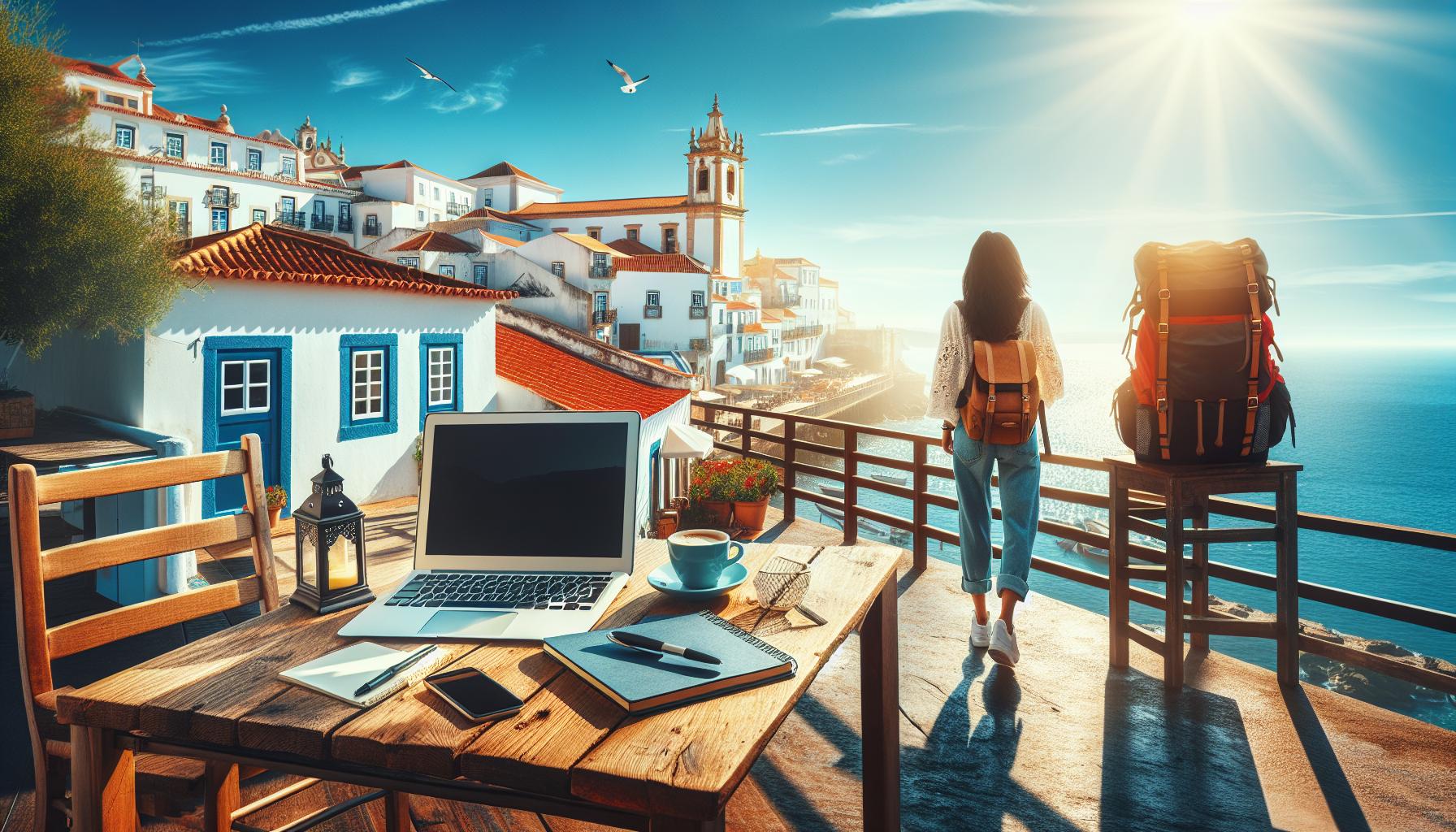
Eligibility Criteria for the Nomad Visa
In order to embark on a thrilling journey as a digital nomad in Portugal, it’s essential to meet specific eligibility criteria for the Digital Nomad Visa. Designed for remote workers, freelancers, and self-employed individuals, this visa opens doors to a new lifestyle in one of Europe’s most sought-after destinations. The foundational requirement is proving a steady income from sources outside of Portugal. To qualify, applicants must demonstrate a minimum monthly income of €3,480, which ensures that they can sustain their living expenses without relying on the local job market.
Key Requirements
Not only must you meet the income threshold, but financial preparedness is further emphasized through the necessity of maintaining savings. It’s advisable to have at least €10,440 in your savings account, which serves as a safety net while you adjust to your new surroundings. This stipulation not only provides peace of mind for applicants but also offers reassurance to the Portuguese government regarding the financial self-sufficiency of new residents.
Employment Status
The Digital Nomad Visa is inclusive, catering to both employees and freelancers. If you work for a company based outside of Portugal, you can easily fulfill the employment criteria. Freelancers also qualify as long as their client base is international, allowing for a diverse range of skills and professions to be represented among those who call Portugal home. Moreover, entrepreneurs who are running their own businesses with overseas clients can apply, provided they can substantiate their income.
With the right qualifications in place, your dream of living and working in Portugal can transform into a reality. The blend of stunning landscapes, rich culture, and a welcoming community creates an inspiring backdrop for digital nomads seeking adventure. Always remember, the effort you invest in preparing your application will pay off in the rewarding experiences waiting for you in sunny Portugal.
Step-by-Step Application Process
Once you’re ready to take the leap into the vibrant life of a digital nomad in Portugal, the application process for the Digital Nomad Visa is your pathway to making it a reality. Understanding the steps involved will empower you to navigate your way confidently, ensuring a smooth transition to your new life.
Start by gathering the necessary documentation that proves your eligibility. You will need to clearly demonstrate your income, which mandates that you earn at least €3,480 monthly from sources outside Portugal. Financial stability is also crucial, thus maintaining a savings balance of at least €10,440 is recommended. Prepare to showcase additional documents, such as work contracts or client agreements, depending on your employment status as a freelancer or remote employee.
Application Steps
- Pre-Application Preparation: Compile the required documents:
– Proof of income
– Bank statements showing minimum savings
– Professional contracts or client agreements
- Complete Your Application: Fill out the application form specific to the Digital Nomad Visa on the Portuguese consulate or embassy website in your country of residence. Ensure that every detail is accurate and complete to avoid delays.
- Schedule an Appointment: Book an appointment with the nearest Portuguese consulate or embassy to submit your application. This is usually done online, and some locations may require you to pay a visa application fee.
- Attend Your Appointment: Bring all your prepared documentation, along with any additional forms required by the consulate. Be ready to answer questions about your work, income, and reason for moving to Portugal.
- Wait for Processing: The visa processing time can take up to 60 days. During this time, keep an eye on your email for any updates or requests for further information from the authorities.
- Receive Your Visa: If approved, you will receive your Digital Nomad Visa, allowing you to travel to Portugal. Upon arrival, you may need to apply for a residency permit, which can provide additional security and benefits.
Navigating this process might feel intimidating at first, but breaking it down into clear steps will help manage the complexity. Surround yourself with supportive communities, both online and locally, and share your experience with fellow nomads. The sense of accomplishment you will feel once you’ve secured your visa will set the stage for an incredible adventure filled with personal and professional growth.
Required Documents for Your Application
Gathering the right documents is a crucial step for anyone embarking on the journey to obtain a Digital Nomad Visa for Portugal. Navigating the paperwork may seem daunting, but with the correct approach and preparation, you can streamline this process efficiently. A comprehensive understanding of what you need will not only enhance your confidence but also help ensure that your application is processed smoothly.
To start, you must provide proof of income. This is vital since the Portuguese authorities require you to demonstrate a minimum monthly income of €3,480, sourced from outside Portugal. Acceptable forms of income proof may include pay stubs, contracts with clients, or bank statements that clearly show your earnings. If you’re a freelancer or a remote worker for an overseas company, having detailed contracts that outline your remuneration can significantly strengthen your application.
Additionally, maintaining a financial cushion is essential. You will need to show bank statements indicating a minimum savings balance of at least €10,440. These statements should ideally be current and reflective of your financial health. It’s recommended to have these documents neatly organized and easily accessible, as consulate staff may ask for them during your appointment.
It’s also prudent to include any professional contracts or client agreements you have, as these documents provide context to your income and employment structure. If you have any certifications or qualifications relevant to your profession, attaching these could further bolster your case, especially if they resonate with the type of work you aim to pursue while living in Portugal.
Lastly, do not overlook the importance of your identification documents, such as a valid passport and potentially a criminal background check, depending on your specific situation. This robust documentation package will not only meet the required prerequisites but also present you as a well-prepared candidate, setting a positive tone for your nomadic adventure in Portugal.
Tax Implications for Digital Nomads in Portugal
Understanding the tax landscape in Portugal can greatly enhance your experience as a digital nomad. With the right knowledge, you can navigate the system efficiently and ensure compliance while maximizing your benefits. Portugal offers a wealth of opportunities for remote workers, but being aware of the tax obligations and incentives can make all the difference in your financial planning.
As a digital nomad applying for the visa, you’ll benefit from Portugal’s Non-Habitual Resident (NHR) regime. This program offers significant tax advantages for the first ten years of residence, including reduced tax rates on income sourced from abroad and potential exemptions on foreign income, such as royalties or dividends. To qualify, you must not have been a tax resident in Portugal in the five years prior to your application and need to apply for this status once you arrive.
Tax Obligations
- Income Tax: Digital nomads are subject to progressive income tax rates that range from 14.5% to 48%, depending on income levels. It’s essential to understand your personal tax bracket to plan effectively.
- Social Security Contributions: If you are self-employed or freelance, you may need to register with the Portuguese social security system and pay contributions ranging from 21.4% to 32% of your income.
- Value Added Tax (VAT): This indirect tax is applicable on goods and services in Portugal. If your remote work involves sales or services, you should be cognizant of the 23% standard VAT rate and any exemptions.
Practical Steps for Managing Your Taxes
- Register as a Tax Resident: After residing in Portugal for more than 183 days, you need to register with the Portuguese tax authorities for a tax number (NIF).
- Evaluate Your Income: Keep meticulous records of your foreign income and any local earnings to ensure accurate reporting and compliance with tax laws.
- Consult a Tax Advisor: Seeking advice from a tax professional familiar with expat tax issues in Portugal is invaluable. They can provide tailored guidance to help you make the most of the NHR status and navigate any complexities.
- Stay Updated: Tax laws can change, so it’s essential to stay informed about any legislative changes that could affect your tax obligations or benefits.
By equipping yourself with this knowledge and preparation, you can fully immerse yourself in the lifestyle of a digital nomad in Portugal, enjoying both the beauty of the country and the freedom of working remotely. Embracing location independence allows you to thrive in an environment designed for productivity and creativity, all while enjoying Portugal’s rich culture and stunning landscapes.
Best Cities in Portugal for Remote Work
Portugal has emerged as a top choice for digital nomads, thanks in part to its vibrant cities that offer a perfect blend of culture, community, and connectivity. Each city presents unique characteristics, enabling you to find the ideal environment that suits your work style and lifestyle preferences.
Lisbon, the capital, is a bustling metropolis where modern amenities meet historic charm. Its numerous coworking spaces, such as Second Home and Villages, offer great opportunities for networking with other remote workers. The city’s extensive public transport system makes it easy to explore, while a strong food scene and sunny weather keep life exciting outside of work hours.
Porto, known for its stunning river views and beautiful architecture, provides a more relaxed atmosphere compared to Lisbon. With a burgeoning community of tech startups and freelancers, Porto features coworking spaces like Impact Hub and Porto i/o, which foster collaboration among digital nomads. The affordable cost of living makes it a popular choice for those who want to enjoy a high quality of life without the price tag associated with larger cities.
For those seeking tranquility amidst nature, consider heading to the coastal town of Ericeira. Renowned for its surfing culture, it combines beach life with a tight-knit community of remote workers. The quaint cafés with ocean views serve as perfect spots for work, while the proximity to Lisbon allows for easy city access when needed. With its laid-back vibe, Ericeira could be an ideal backdrop for inspiration and creativity.
Additionally, cities like Braga and Faro offer unique opportunities. Braga’s rich history paired with a youthful spirit from its university creates a vibrant atmosphere for innovation and study. Meanwhile, Faro, situated in the Algarve region, is perfect for those who appreciate a slower pace of life with stunning beaches at their doorstep.
Each of these cities not only provides the necessary infrastructure for remote work but also cultivates a sense of community among its diverse residents. Whether you crave vibrant city life, serene coastal views, or historical charm, Portugal’s cities are well-equipped to support your journey as a digital nomad.
Cost of Living: Budgeting as a Nomad
Living as a digital nomad in Portugal doesn’t just come with stunning views and rich culture; it also offers a surprisingly affordable lifestyle, especially compared to other western European countries. If you’re planning to transition into this lively nomadic lifestyle, understanding the cost of living will be essential in helping you budget effectively and enjoy your time in the country without financial strain.
When budgeting for your stay, consider essential expenses such as accommodation, food, transportation, and leisure activities. Here’s a breakdown of typical monthly costs in key cities:
Accommodation
Renting a room in a shared apartment can cost anywhere from €200 to €600, depending on the city and location. In Lisbon, for example, expect closer to €400-€600, while Porto and smaller towns like Ericeira may offer more affordable options around €200-€400. Many digital nomads find short-term rentals or coworking/living spaces, which can provide flexibility and community.
Food
Eating out can be quite economical in Portugal, with a meal at a local café costing around €8-€15. If you choose to cook, grocery prices are reasonable. Expect to spend about €150-€250 per month on food, depending on your dietary preferences. Markets offer fresh, local produce at great prices, enhancing your culinary experience while saving costs.
Transportation
Public transport is efficient and affordable. Monthly transportation passes range from €30-€50, allowing unlimited travel across buses, metros, and trams in cities like Lisbon and Porto. If you’re living in a smaller town, walking or biking can often suffice, adding to your daily exercise routine while minimizing expenses.
Leisure Activities
Portugal offers a plethora of free and low-cost activities. From beach days to hiking trails and local festivals, budgeting around €50-€100 for entertainment can provide ample opportunities to explore without breaking the bank. Joining community events or meet-ups can also enrich your experience and connect you with fellow nomads.
In conclusion, effective budgeting in Portugal allows you to live comfortably while enjoying the vibrant culture and breathtaking landscapes. With a focus on shared living arrangements, local dining, and utilizing public transport, digital nomads can thrive without compromising on experiences. Living independently in Portugal can be an enriching adventure, and understanding the costs involved will empower you to enjoy your journey fully.
Finding Community and Networking Opportunities
Living in Portugal as a digital nomad provides an incredible opportunity to connect with a vibrant community of like-minded individuals. The country is home to numerous coworking spaces, networking events, and social gatherings that cater specifically to remote workers, making it easier than ever to forge friendships and professional connections. Lisbon, in particular, boasts a plethora of well-established hubs where you can rub elbows with fellow nomads, freelancers, and entrepreneurs-all while soaking up the local culture.
Embrace Coworking Spaces
One of the best ways to integrate into the digital nomad scene is by utilizing coworking spaces. Places like Second Home and Lisbon Work Hub not only offer a productive environment but also frequently host community events, talks, and workshops. These spaces provide the perfect backdrop for networking and collaboration. Consider attending their scheduled events or simply chatting with fellow members over coffee to exchange tips and insights.
Join Local Meetups and Networking Events
Participation in local meetups can significantly enhance your experience. Websites like Meetup.com and social media platforms often list networking events specifically aimed at digital nomads and expats. From tech gatherings to social mixers, these events allow you to meet people who share similar interests and challenges. Moreover, don’t hesitate to strike up conversations with others; many nomads are in the same boat and are eager to connect.
Utilize Online Communities
Online platforms are invaluable for finding connections before even arriving in Portugal. Join digital nomad groups on Facebook, or look for forums like Nomad List and Remote Work Hub. These resources can provide insights on local events, recommendations for networking opportunities, and even tips on finding housing or navigating the Portuguese lifestyle.
In conclusion, nurturing a robust network while living in Portugal can transform your nomadic experience from solitary to sociable. Engage with the community both online and offline, and take full advantage of coworking spaces and local meetups. You’ll find that the connections you make will not only enrich your stay but may also lead to career opportunities, collaborations, and friendships that last well beyond your time in this beautiful country.
Essential Tips for Living in Portugal
Living in Portugal opens up a world of possibilities for digital nomads, blending work and adventure in a stunning European landscape. With its rich culture, delicious cuisine, and welcoming locals, it’s no wonder that many remote workers are eager to call this country home, at least for a season. Here are some essential tips to make your transition smooth and enjoyable as you embark on this exhilarating journey.
Get to Know the Local Language
While many locals in popular areas speak English, familiarizing yourself with basic Portuguese phrases can enhance your experience significantly. It demonstrates respect for the culture and can ease daily interactions, whether you’re ordering at a café or asking for directions. Consider downloading language learning apps like Duolingo or Babbel to build your vocabulary on-the-go.
Navigating Transportation
Portugal boasts an efficient and affordable public transportation system that includes trains, buses, and trams. Utilizing services like the Comboios de Portugal (CP) for trains or local metro systems in cities like Lisbon can facilitate your travel across the country. Consider getting a transport card, such as the Lisboa Card, which provides unlimited travel and discounts on attractions, making it a cost-effective option for nomads eager to explore.
Understanding the Cost of Living
Portugal is generally known for its reasonable cost of living compared to other Western European countries. Cities like Lisbon and Porto offer a range of accommodations from budget hostels to serviced apartments. When budgeting, be mindful of your essential expenses, which typically include housing, food, transportation, and internet connectivity. For a comfortable lifestyle, estimate around €800-€1,500 per month depending on your location and lifestyle choices.
Explore Local Cuisine
Indulging in the culinary delights of Portugal is a must. From the famed bacalhau à brás (codfish dish) to pastéis de nata (custard tarts), the local food scene is a source of immense pleasure. Try to shop at local markets such as Mercado da Ribeira in Lisbon to taste fresh produce and regional specialties while supporting local farmers. Cooking at home not only saves money but can be a fun way to engage with Portuguese culture.
Embrace the Nomadic Lifestyle
Take advantage of the myriad of coworking spaces scattered across cities. Establishments like Impact Hub or WeWork not only provide reliable internet and a conducive work environment but also host networking events which are invaluable for building connections. Remember to balance your work with exploration; schedule time to experience Portugal’s breathtaking landscapes, beaches, and historical sites.
Incorporating these tips into your life in Portugal will help you navigate the nuances of living and working as a digital nomad successfully. By embracing local culture, being financially savvy, and prioritizing community engagement, you’ll create a fulfilling and enriching nomadic experience that enhances both your professional and personal growth.
Balancing Work and Travel: A Nomad’s Guide
Living and working in Portugal offers an exhilarating blend of adventure and productivity. With its idyllic beaches, rich heritage, and vibrant cities, it’s easy to set your sights on exploring while managing remote work responsibilities. One effective approach to achieve this balance is through meticulous planning and creating a routine tailored to your lifestyle. Set dedicated work hours that align with your productivity peaks, while leaving ample time for leisure activities that allow you to dive into the local culture and sights.
Consider adopting tools like digital planners or project management software to keep your tasks organized and deadlines in check. This will enable you to carve out chunks of your day for exploration-whether that’s hiking in the picturesque trails of the Douro Valley or savoring a sun-soaked afternoon at the beaches of the Algarve. Embrace flexibility; if a spontaneous opportunity arises to join a local festival or explore a hidden gem, prioritize that joy alongside your work commitments.
Connecting with Other Nomads
Becoming part of the digital nomad community can significantly enrich your experience in Portugal. Look for local meet-ups, coworking spaces, or networking events where fellow remote workers gather. Engaging with others in similar situations not only provides camaraderie but can also lead to collaborative opportunities, shared adventures, and valuable insights. Online platforms like Meetup or Facebook groups dedicated to expats and digital nomads can be great resources for finding connections and events tailored to your interests.
Creating Boundaries and Managing Time Wisely
Establishing a clear separation between work and leisure is crucial to avoid burnout. Designate a specific workspace, whether that’s a cozy café with reliable Wi-Fi or a quiet corner in your rented apartment. Communicate your schedule with both your employer and your newfound friends in Portugal to ensure that your work commitments are honored while still allowing space for exploration. Utilizing time-blocking methods can be effective; dedicate certain hours exclusively to professional tasks, and block out time in your afternoons or evenings for travel and socializing.
By thoughtfully navigating your schedule and actively engaging with the local community, you’ll cultivate a lifestyle that harmoniously merges work and unforgettable travel experiences through the vibrant landscapes of Portugal. The adventure awaits-embrace it with confidence and enthusiasm!
Safety Tips for Solo Travelers in Portugal
Traveling solo can be both exhilarating and daunting, but Portugal stands out as one of the safest destinations for solo travelers in Europe. Known for its warm hospitality and vibrant culture, this country offers a fantastic backdrop for those looking to enjoy both adventure and peace of mind while working remotely. However, as with any travel experience, your awareness and preparation can greatly enhance your safety and enjoyment.
To maximize your safety, familiarize yourself with the local customs and cultures. Most Portuguese people are friendly and helpful, but understanding basic local etiquette can go a long way. It’s a good idea to learn some common phrases in Portuguese; simple greetings or thanks can create goodwill and open doors to friendly interactions. While Portugal is generally safe, exercising usual precautions can further enhance your experience. Here are some practical tips:
General Safety Tips
- Stay Alert: Be mindful of your surroundings, especially in crowded places such as markets or tourist attractions, where pickpockets may operate.
- Secure Your Belongings: Use a crossbody bag or money belt, keeping valuables like your passport and credit cards close to your body.
- Transportation Wisdom: Stick to reputable taxi services or rideshare apps like Uber instead of hailing random cabs on the street, especially at night.
- Emergency Contacts: Save the local emergency numbers and the contact info for your country’s embassy in Portugal to handle any unexpected situations confidently.
It’s also wise to choose accommodations wisely. Opt for well-reviewed hotels or hostels located in safe neighborhoods. Places like Lisbon’s Alfama district or Porto’s Ribeira area not only offer vibrant atmospheres but are also known for their safety. Research the areas you’re considering staying in and read current reviews.
Connecting with fellow travelers or digital nomads can further enhance your safety and experience. Engage in local communities through platforms like Meetup or Facebook groups where like-minded individuals gather. Not only can you share experiences and tips, but you may also find travel companions for outings or workspace gatherings.
In conclusion, with its enchanting landscapes, friendly locals, and low crime rates, Portugal is an ideal place for solo travelers working remotely. By staying informed and embracing the culture, you can navigate the vibrant streets of Lisbon or relax by the beaches of the Algarve with confidence, allowing your adventures to unfold beautifully, both personally and professionally.
Maximizing Your Nomadic Experience in Europe
Embracing the digital nomad lifestyle in Portugal offers a unique blend of productivity and adventure, where your workspace can shift from a cozy café in Lisbon to a sun-soaked beach in the Algarve. One remarkable aspect of living in Portugal is the diversity in work environments and leisure opportunities available, making it easy to maximize both your professional and personal experiences.
To fully immerse yourself in this lifestyle, consider creating a routine that balances work and exploration. Portugal is known for its charming cities and towns, each offering distinct cultures and workspaces. Utilize co-working spaces in urban areas like Lisbon or Porto, where you’ll find vibrant communities of like-minded individuals. Spaces such as Second Home in Lisbon or Porto’s Mambo are not just places to work; they’re hubs for networking and collaboration.
Making Connections
Connecting with other digital nomads and locals is key to enhancing your experience. Join local Meetups, workshops, or events specifically catering to remote workers. Platforms like Meetup or Eventbrite list numerous gatherings where you can expand your network and even collaborate on projects. Websites like Nomad List can also provide insights on the best digital nomad-friendly spots, allowing you to meet fellow travelers who share your journey.
Exploring the Cultural Landscape
When the workday ends, immerse yourself in Portugal’s rich history and culture. Take advantage of your flexible schedule to explore world-renowned landmarks, such as the Belem Tower in Lisbon or the palaces of Sintra, without the crowds. Weekend trips to the Douro Valley for wine tasting or the serene Azores islands for hiking can provide refreshing pauses from remote work, fueling your creativity and productivity.
Maintaining a Healthy Work-Life Balance
A successful nomadic life hinges on maintaining a healthy work-life balance. Schedule breaks to explore nearby sites or enjoy a leisurely meal of traditional Portuguese dishes such as bacalhau (cod) or pastéis de nata (custard tarts). Being in tune with the local rhythm can enhance your well-being; midday meals and late evenings are common, allowing you to indulge in relaxation and socialization after work hours.
Ultimately, your time in Portugal can be a fulfilling chapter of your nomadic journey. By leveraging local resources, connecting with communities, and embracing the culture, you can create a lifestyle that is not just about work but also about growing personally and professionally in one of Europe’s most stunning corners.
Faq
Q: What is the duration of the Portugal Digital Nomad Visa?
A: The Portugal Digital Nomad Visa typically allows for a temporary residency of one year, with the possibility to renew for up to two additional years. After five years of continuous residence, you may apply for permanent residency or citizenship.
Q: How can I prepare for the application process for the Nomad Visa?
A: To prepare for the Portugal Digital Nomad Visa application, gather all required documents, including proof of income, identification, and a criminal background check. Also, ensure your financial stability is evident through bank statements and employment contracts.
Q: Are there any age restrictions for the Portugal Digital Nomad Visa?
A: There are no specific age restrictions for the Portugal Digital Nomad Visa. However, applicants must meet the eligibility criteria, such as proof of sufficient income and valid employment, to qualify.
Q: Can my family accompany me on the Portugal Digital Nomad Visa?
A: Yes, your family can accompany you. Once you have your Digital Nomad Visa, you can apply for family reunification for your spouse and dependent children, allowing them to join you in Portugal.
Q: What language should I use for the Digital Nomad Visa application?
A: The application for the Portugal Digital Nomad Visa should be submitted in Portuguese. It’s advisable to seek assistance from a professional translator or legal expert to ensure accuracy in your application documents.
Q: How does the tax system work for Digital Nomads in Portugal?
A: Digital Nomads in Portugal may be subject to local tax laws; however, those holding a valid residency may benefit from a Non-Habitual Resident (NHR) regime that offers favorable tax rates for the first ten years of residency. Consult a tax advisor for personalized guidance.
Q: What are the health insurance requirements for the Portugal Digital Nomad Visa?
A: Applicants for the Portugal Digital Nomad Visa must have valid health insurance covering their stay in Portugal. This insurance should include access to public healthcare services. It’s important to provide proof when applying for the visa.
Q: Is it necessary to learn Portuguese for the Digital Nomad Visa?
A: While it’s not a requirement to speak Portuguese for the Digital Nomad Visa, learning the language can enhance your living experience, help with integration, and facilitate daily interactions in Portugal.
In Conclusion
Embarking on your journey with the Portugal Digital Nomad Visa opens the door to not just a new way of working, but an entire lifestyle of adventure and culture in one of Europe’s finest destinations. Don’t let uncertainty hold you back-consider this your invitation to explore the endless possibilities that await in this vibrant hotspot. Take the first step today by checking out our detailed guides on remote work logistics and navigating the visa process seamlessly.
Want to stay inspired? Subscribe to our newsletter for exclusive tips and success stories from fellow digital nomads. As you prepare for your move, explore more about local coworking spaces or find your ideal neighborhoods in Lisbon and beyond. Join our growing community of like-minded individuals seeking their own path to location independence. The world is calling-are you ready to answer?