Imagine waking up to the sound of the ocean, sipping your morning coffee as vibrant sunrises paint the sky-this is the daily reality for digital nomads in Bali. As one of the world’s top destinations for remote work, Bali offers not only breathtaking landscapes but also a thriving community of like-minded professionals seeking freedom and inspiration while they work.
Transitioning to a location-independent lifestyle can seem daunting, but Bali provides the perfect blend of vibrant culture, modern amenities, and ample coworking spaces that cater specifically to remote workers’ needs. With a rich array of resources to assist with everything from visas to cultural integration, you can focus on maximizing productivity and creativity in this tropical paradise.
Whether you’re a seasoned digital nomad or just taking the first steps to embrace freedom in your work life, Bali holds the key to a fulfilling and adventurous journey. Dive into this guide to unlock the secrets of thriving as a remote worker in one of the most enchanting places on earth.
Digital Nomad Life: Finding Your Community in Bali
Finding a community while living the digital nomad lifestyle in Bali can be one of the most enriching aspects of your experience on this tropical island. With its vibrant culture and welcoming locals, Bali provides countless opportunities to connect with fellow nomads and locals alike. From co-living spaces to specialized meet-ups, there are numerous avenues to establish meaningful relationships that can enhance both your work and leisure experiences.
Engage with Local Co-Working Spaces
The island is dotted with co-working spaces that are more than just places to get work done; they often serve as community hubs. Joining a co-working space like Dojo in Canggu or Hubud in Ubud can provide you with a built-in network of like-minded individuals. These locations frequently host events, workshops, and social gatherings that are perfect for networking and forging friendships. Make a point to attend these functions, as they can open doors to collaborations or simply provide friendly faces to share a coffee with during breaks.
Join Online and Offline Communities
Another effective way to find your tribe is to engage with local and online communities. Websites like Meetup, Facebook Groups, and even Instagram can connect you with events and gatherings specifically tailored for digital nomads. Participating in activities-whether it’s a yoga class, surfing lessons, or local volunteer opportunities-can lead to striking up conversations. Many nomads are in the same boat, looking to create friendships, and these settings naturally facilitate connections.
- Local Events: Check out farmer’s markets, art classes, or music festivals-these are great opportunities to immerse yourself in the local culture while meeting others.
- Workshops and Classes: Engage in a skill you want to learn, like Balinese cooking or diving, which can lead to meeting both locals and other travelers.
- Networking Events: Attend scheduled networking events specifically designed for entrepreneurs and remote workers, where you can share experiences and advice.
Participate in Social Initiatives
Volunteering is another fulfilling way to connect with others while giving back to the community. Look for projects focused on environmental sustainability, education, or animal care, where you can work alongside locals and other nomads. This not only strengthens your ties to Bali but enhances your experience by allowing you to contribute positively to your surroundings.
Bali’s charm lies not only in its stunning landscapes but also in its ability to foster connections among diverse individuals from around the globe. By actively engaging in co-working spaces, local events, and community projects, you’ll not only enhance your experience as a digital nomad but also create a supportive network that can enrich your journey. Embrace this opportunity to create lasting relationships that make your time in Bali even more special.
Essential Visa Information for Digital Nomads
As a digital nomad heading to Bali, understanding visa options is crucial to ensuring a smooth transition into your new lifestyle on this beautiful island. The Indonesian government has recognized the rise of remote work and is adapting its visa policies accordingly. Currently, the most popular visa options for digital nomads include the B211A Visa and the Retirement Visa, each with its own set of requirements and benefits.
The B211A Visa, also known as a social-cultural visa, allows you to stay in Indonesia for up to 60 days, with the possibility of extending it four times for an additional 30 days each time, giving you a total of up to 180 days. To apply for this visa, you’ll need to provide a sponsor letter, usually from an Indonesian entity, and a valid passport with at least six months of validity remaining. This visa is ideal for travelers looking to explore the island while working remotely, as it can be acquired through many travel agencies or immigration services in Bali.
For those considering a longer stay, the Retirement Visa may be a viable option. Designed for retirees aged 55 and older, this visa allows you to live in Indonesia for an extended period with a renewable stay of up to five years. To be eligible, you need to meet certain financial criteria and provide proof of health insurance. Though it’s primarily aimed at retirees, some digital nomads who meet the criteria may find this an attractive option for a more permanent lifestyle in Bali.
Navigating the Application Process
When preparing to apply for either visa, it’s essential to gather all necessary documentation ahead of time. Here’s a quick checklist to simplify the process:
- Valid Passport: Ensure it has at least six months validity.
- Visa Application Form: Complete the appropriate forms as required.
- Proof of Funds: This may include bank statements to demonstrate you can support yourself while in Bali.
- Health Insurance: Particularly important for the Retirement Visa but recommended for all.
- Sponsor Letter: Required for the B211A Visa, ideally from a local business or friend.
Understanding these options helps empower you on your journey. Bali invites you to embrace its culture, engage with fellow nomads, and soak up the sun while you work remotely. Always check the latest visa regulations and options, as governmental policies may change. Getting your visa sorted allows you to focus more on enjoying your time in Bali and less on bureaucratic concerns. Your adventure awaits!
Balancing Work and Leisure: Tips for Remote Workers
To thrive as a remote worker in the vibrant and dynamic environment of Bali, finding the right balance between work and leisure is essential. This stunning island offers a unique blend of productivity and relaxation that can enhance your overall experience as a digital nomad. A compelling way to achieve this balance is to set clear boundaries around your work hours while also embracing the rich experiences Bali has to offer.
Start by establishing a dedicated workspace, whether it’s a cozy corner in your villa or a bustling co-working space. A defined work area helps signal to your brain when it’s time to focus and when it’s time to unwind. Aim to set regular work hours, similar to a traditional office, while remaining flexible enough to enjoy spontaneous adventures that island life presents. A straightforward daily schedule can look something like this:
- Morning: Focus on your most critical tasks during peak productivity hours (often early in the day).
- Midday: Take a break for lunch, preferably somewhere scenic. This could be a beachside café or a lush garden setting.
- Afternoon: Continue working but allow yourself to wrap things up early if you have plans for the evening.
- Evening: Dedicate time to exploring local cuisine, joining a yoga class, or networking with other remote workers.
Another effective strategy is to leverage Bali’s wealth of wellness offerings. Consider scheduling daily or weekly activities that promote physical and mental well-being, such as yoga, meditation, or surfing lessons. Engaging in these activities can effectively refresh your mind, boosting creativity and productivity during your work periods.
Social connections play a vital role in this balance, too. Joining local expat meetups or co-working communities can help you build a robust support network. For instance, attending events like community dinners or creative workshops not only enriches your social life but also offers chances to collaborate or share experiences with fellow digital nomads.
Remember, the essence of being a digital nomad is not just about working remotely; it’s about integrating work with life in a way that fosters happiness and productivity. Take advantage of Bali’s breathtaking landscapes and cultural richness to recharge and inspire your work. Embrace the adventure, explore, and let each day in Bali be a blend of productive work and unforgettable experiences.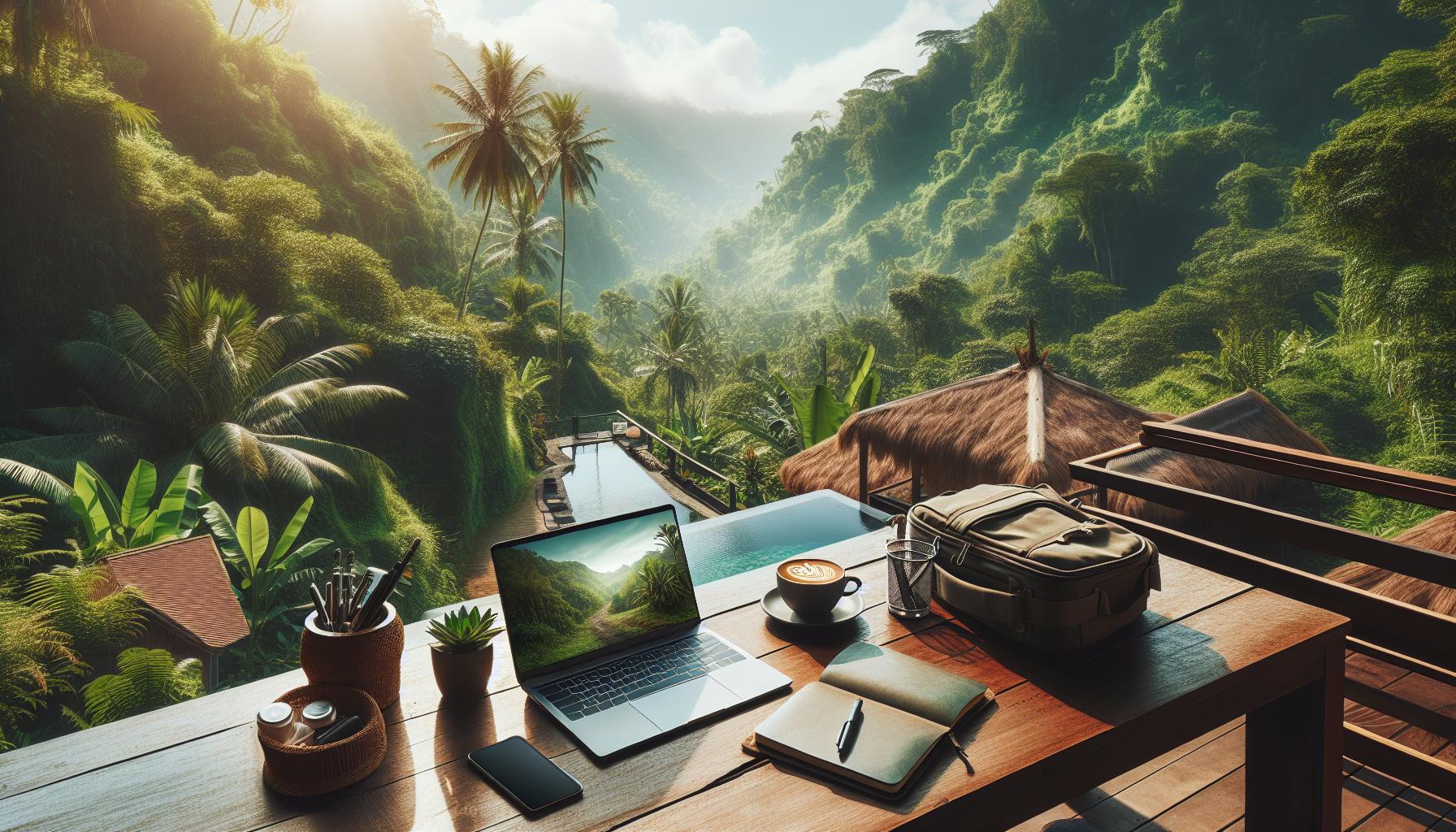
Cost of Living in Bali: Budgeting for Nomads
Bali’s allure as a remote work paradise is complemented by its surprisingly affordable cost of living, making it an attractive option for digital nomads looking to stretch their budget while enjoying a vibrant lifestyle. The island offers a wide range of options that cater to both frugal travelers and those seeking a more luxurious experience. Knowing how to navigate these costs effectively can enhance your experience and ensure your financial peace of mind.
Accommodations can vary significantly-from budget hostels and guesthouses starting at around $10 per night to luxurious villas that can run upwards of $200 or more. Many digital nomads opt for mid-range accommodations, such as shared villas or serviced apartments, which typically range from $300 to $800 per month, depending on location and amenities. Areas like Canggu and Ubud are popular for their blend of affordability and community, making them ideal for remote workers. Consider platforms like Airbnb or local expat groups on social media to find suitable living arrangements.
Eating out in Bali is another area where you can save significantly. Local warungs (small family-owned eateries) offer delicious meals at incredibly low prices, often around $2 to $5. If you prefer international cuisine, costlier dining options are still very affordable, usually ranging from $5 to $15. Many remote workers adopt a mix of local dining and occasional splurges on nicer restaurants, allowing for both budget-friendly meals and culinary experiences.
When it comes to co-working spaces, Bali boasts some of the best, with prices typically ranging from $6 to $15 per day, or more economical monthly memberships that can drop the cost to as low as $100. These spaces not only provide reliable internet but also foster a community of like-minded individuals, perfect for networking and collaboration.
Budget Breakdown
| Expense Category | Approximate Cost (USD) |
|---|---|
| Accommodation | $10 – $800/month |
| Dining Out | $2 – $15/meal |
| Co-working Space | $100 – $300/month |
| Transportation (scooter rental) | $50 – $80/month |
| Activities (yoga, surfing) | $10 – $30/class |
By carefully considering these aspects, you can create a budget that allows for both work and play in Bali. Embrace the island’s lifestyle, connect with fellow nomads, and enjoy the sense of community that comes with living in such an inspiring environment. The financial flexibility you gain will enable you to explore more, whether it’s through yoga classes, local excursions, or culinary adventures, enriching your time and experiences as a nomad in paradise.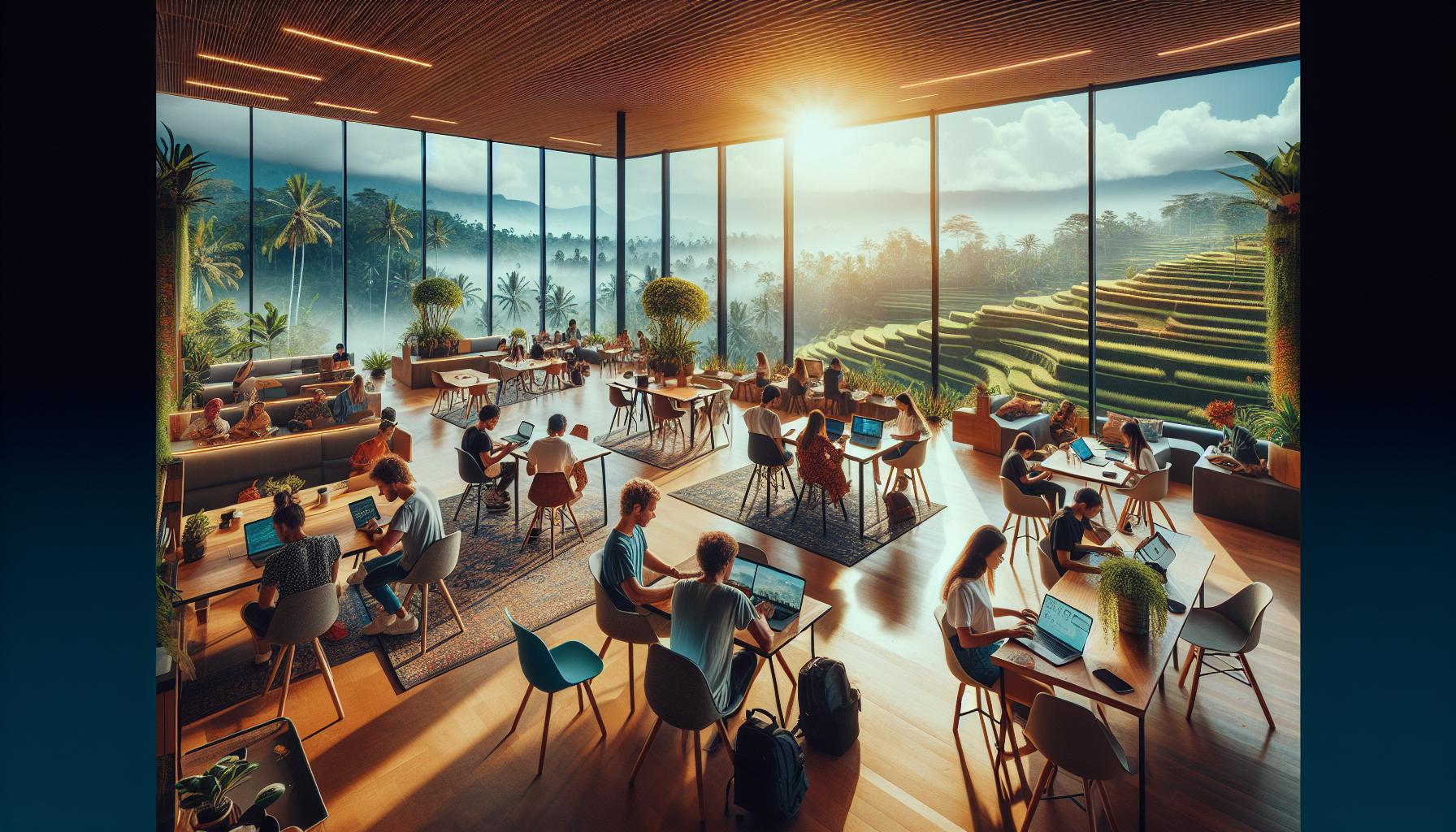
Top Co-Working Spaces in Bali for Creativity
Bali’s vibrant culture and stunning landscapes create an incredible backdrop for creativity, making it an ideal locale for digital nomads to work. Co-working spaces here are not just about desks and Wi-Fi; they are dynamic hubs that inspire collaboration and innovation. These spaces cater to a diverse range of professionals, from tech entrepreneurs to writers and artists, offering an environment that encourages creativity and connection.
Among the top spots is Dojo Bali in Canggu, renowned for its strong community atmosphere. With a plethora of events, workshops, and networking opportunities, Dojo provides an ideal setting to connect with fellow creatives. The modern, open design also features lively outdoor spaces, fostering an environment that’s both inspiring and effective for productivity.
Another popular choice is Hubud in Ubud, which combines a serene ambiance with high-quality facilities. Nestled among rice paddies, this space integrates the tranquility of nature with the bustle of work. Hubud hosts a range of creative workshops and activities, such as yoga and meditation sessions, offering a holistic approach to balancing work and personal growth.
For those seeking a more upscale atmosphere, Kembali in Seminyak stands out. This co-working space features stylish interiors and premium amenities, catering to a more luxury-oriented crowd. Kembali focuses on the wellness of its members, providing comfortable workstations, relaxation areas, and community events that spark creativity and collaboration.
Moreover, many of these spaces offer flexible membership plans, making it easier for digital nomads to find their perfect fit. Daily passes typically start around $6, with monthly memberships often available at discounts that can significantly lower costs. Here’s a quick breakdown of typical membership options you might encounter:
| Co-Working Space | Daily Pass (USD) | Monthly Membership (USD) |
|---|---|---|
| Dojo Bali | $8 | $150 |
| Hubud | $10 | $180 |
| Kembali | $12 | $250 |
Finding the right co-working space can greatly enhance your creative output and business collaborations. With numerous options available across the island, explore various environments until you discover where you thrive. Immersing yourself in Bali’s community of digital nomads will not only expand your professional network but also enrich your personal experiences, leading to an inspiring and fulfilling nomadic life.
Navigating Health Care as a Digital Nomad
Access to quality health care is a crucial aspect of living a seamless digital nomad life in Bali. While the island is known for its stunning landscapes and vibrant culture, understanding how to navigate local health services is essential for a smooth and worry-free stay. With a mix of international facilities and local clinics, Bali offers a range of options tailored for expats and travelers, ensuring that you can receive the appropriate care whenever needed.
Start by familiarizing yourself with the local medical infrastructure. In major areas such as Seminyak, Ubud, and Canggu, you will find reputable clinics and hospitals staffed with English-speaking professionals. Notable facilities like BIMC Hospital in Nusa Dua and Siloam Hospitals provide high-quality emergency care and specialized medical services. However, for minor ailments or routine checks, local clinics, which are widespread, often offer quicker and more affordable options.
It’s wise to invest in reliable health insurance that covers you internationally, particularly in Bali, where medical costs can vary significantly. Many digital nomads opt for health insurance plans that include coverage for medical evacuation, should the need arise. Researching and comparing plans before your trip can save you stress and money in the long run.
Being proactive about your health is also about establishing a routine. Keep up with vaccinations and consider prophylactic medication for conditions such as malaria, especially if you plan to explore the more rural or remote areas of the island. Maintain a healthy lifestyle by joining local fitness classes or yoga studios, which not only contribute to physical well-being but also help you connect with other like-minded individuals in the community.
Finally, create a list of emergency contacts and locations for pharmacies, hospitals, and clinics near your accommodation. Understanding your health care options empowers you to explore Bali confidently and fully immerse yourself in your nomadic experience, knowing you’re prepared for any situation. Balancing work and the new adventures awaiting you on this beautiful island is easier when you prioritize your health and well-being, ensuring your life as a digital nomad is as vibrant as the culture that surrounds you.
Building a Routine: Maintaining Productivity Abroad
Creating a routine while living in an exciting place like Bali can be a game-changer for maintaining productivity as a digital nomad. With its breathtaking landscapes and vibrant culture, it’s easy to get swept away in the island’s charm, leading to distractions that can derail your work. The key to thriving in this remote work paradise lies beneath the palm trees and surf breaks: establishing a flexible but consistent schedule.
Begin your day early to capitalize on the peaceful morning hours. This is often when many report feeling most productive. Try starting with a healthy breakfast that fuels you for the day ahead, perhaps a smoothie bowl loaded with local fruits. Following this, designate a specific block of time for focused work. Whether you’re creating, planning, or brainstorming, using tools like the Pomodoro Technique-working for 25 minutes followed by a 5-minute break-can help enhance your concentration.
Designate Your Workspace
Finding the right environment is crucial. Bali is brimming with inspiring co-working spaces, from Sedona in Canggu to Hubud in Ubud, each offering a lively atmosphere and opportunities to meet fellow remote workers. Choose a space that resonates with your work style to foster creativity while remaining productive. Alternatively, if you prefer solitude, exploring cafes with reliable Wi-Fi, like Revolver Espresso, can provide a comforting backdrop for your tasks.
Incorporate Leisure and Local Culture
In addition to work, remember that immersion in the local culture is one of the perks of being a digital nomad. Allow for breaks throughout your day to explore Bali’s rich offerings, whether it’s a quick walk on the beach, a visit to a local market, or a relaxing yoga session. These activities not only refresh your mind but also keep you connected to the island and its community, which can re-invigorate your enthusiasm for work.
Lastly, be sure to wind down your day with a defined ending routine. This could involve journaling about your accomplishments, planning your next day, or enjoying a sunset at a beach club. Having clear boundaries between work and leisure helps maintain mental clarity and balance, making your experience in Bali rewarding both professionally and personally. Remember, as much as you are here to work, you are also here to live and explore-finding that balance is the essence of the digital nomad lifestyle.
Local Culture: Embracing the Balinese Lifestyle
Bali is not just a backdrop for work; it’s a vibrant tapestry of culture that enriches the digital nomad experience. The island offers a unique chance to immerse yourself in its traditions, spirituality, and community, which can be both inspiring and grounding. Understanding and embracing Balinese culture will not only enhance your quality of life but also create meaningful connections with locals and fellow travelers alike.
One of the most captivating aspects of Balinese culture is its spiritual dimension. The island is dotted with thousands of temples, each with its rituals and festivals. Participating in these local ceremonies, such as the spectacular Kecak Fire Dance at Uluwatu Temple, can provide insight into the rich traditions of the Balinese people. Engaging with the community during such events fosters a sense of belonging and provides a refreshing break from the digital grind.
Food is another vital part of Balinese culture. Exploring local markets and trying traditional dishes such as Nasi Campur or Babi Guling not only delights your palate but also supports local farmers and vendors. You can even join a cooking class to learn how to make these dishes, allowing you to bring a piece of Bali back home. Additionally, many co-working spaces and cafes offer healthy, locally-sourced meals that cater to the wellness-focused lifestyle common among digital nomads.
Engaging with local initiatives is a fantastic way to connect with the Balinese lifestyle while giving back to the community. Consider volunteering for environmental conservation projects or participating in beach clean-ups. Such experiences enrich your understanding of the island and demonstrate respect for its natural beauty, creating a reciprocal relationship with the local environment.
Remember to celebrate the small moments. Whether it’s a sunset yoga session overlooking the rice terraces or chatting with a local artisan at a craft market, these experiences can profoundly impact your work-life balance. By embracing the local culture, you can weave elements of Bali into your daily routine, creating a harmonious blend of productivity and fulfillment. This cultural richness is what makes living and working in Bali a truly transformative experience.
Exploring Bali: Must-Visit Spots for Nomads
Bali is a treasure trove of experiences waiting to be explored, perfectly blending its stunning landscapes with an extensive array of cultural gems. For digital nomads eager to balance work with adventure, this island offers countless opportunities to recharge and rejuvenate. Whether you’re drawn to serene beaches, lush rice terraces, or vibrant art scenes, discovering these must-visit spots can significantly enrich your journey.
Top Attractions for Digital Nomads
- Ubud
Often regarded as the cultural heart of Bali, Ubud is a haven for those looking to soak in the local arts and traditions. Visit the Ubud Monkey Forest for a unique encounter with its playful inhabitants, or take a stroll through the Tegallalang Rice Terraces, where you can marvel at the breathtaking views and serene landscapes. Additionally, Ubud’s numerous art galleries and workshops offer great opportunities to hone your creative skills.
- Canggu
Known for its surf culture, Canggu is ideal for those who love the ocean. With laid-back beaches like Echo Beach and Berawa Beach, you can unwind after a day of work or hit the waves for some surfing. The area is also dotted with trendy cafes and co-working spaces, making it easy to balance productivity with leisure.
- Seminyak
For a more upscale vibe, Seminyak features chic beach clubs, high-end shopping, and gourmet dining. Enjoy sunset drinks at venues like Potato Head Beach Club or spend an afternoon at one of the luxurious spas. Seminyak not only offers comfort and style but also an array of networking opportunities with fellow nomads.
- Nusa Penida
If you have some time off the grid, a day trip to Nusa Penida is an absolute must. This stunning island, known for its towering cliffs, pristine beaches, and crystal-clear waters, provides an escape from the hustle and bustle of mainland Bali. Don’t miss legendary spots like Kelingking Beach and Angel’s Billabong, both perfect for Instagram-worthy pics.
Hidden Gems off the Beaten Path
- Amed
Amed is a quiet fishing village that rewards those who seek tranquility. Perfect for snorkeling and diving enthusiasts, the coral reefs here are rich in marine biodiversity. It’s an excellent spot to relax and recharge before returning to your work routine.
- Jatiluwih Rice Terraces
A UNESCO World Heritage site, the Jatiluwih Rice Terraces offer a mesmerizing view of Bali’s agricultural landscape. Walk along the paths and appreciate the farmer’s traditional methods of rice cultivation. It’s a peaceful retreat that invigorates the mind and spirit.
- Mount Batur
For adventurous souls, a sunrise trek to Mount Batur is unforgettable. Witnessing the sunrise from the summit is an experience that will remind you why you chose this lifestyle. It’s a physical challenge that leaves you both inspired and energized for the day ahead.
In addition to these attractions, immersing yourself in Bali’s rich culture while exploring ensures a well-rounded nomadic experience. Whether participating in local ceremonies, trying traditional cuisine, or simply enjoying the stunning views, each encounter contributes to a life-changing adventure on this paradise island. Remember to stay open to new experiences and engage with the community to enrich your journey further.
Safety Tips for Solo Travelers in Bali
When exploring a paradise like Bali, particularly as a solo traveler, prioritizing safety can enhance your experience and allow you to fully immerse yourself in the vibrant culture and stunning surroundings. Bali is generally safe, but like any destination, being cautious and prepared is key to having a worry-free adventure. Start by keeping your belongings secure; using a crossbody bag or a money belt can help deter pickpocketing, especially in busy markets or tourist hotspots.
Establish a daily routine to keep your surroundings familiar and predictably safe. Walk in well-lit areas, especially at night, and try to plan your outings to busy, populated streets. Use reputable transportation services if you need to travel after dark. Ride-sharing apps like Grab are popular and can often feel safer than hailing a taxi off the street. Always share your plans with someone, whether it’s a friend, fellow traveler, or even a host if you’re staying in a homestay or hostel.
Familiarize yourself with basic local phrases and cultural norms, as this can help you communicate effectively and show respect towards the local customs. Many Balinese are friendly and helpful, and a simple greeting in Bahasa Indonesia can go a long way in enriching your interactions. Should you find yourself in any uncomfortable situation, don’t hesitate to reach out for help. Local authorities are usually responsive, and establishments will likely assist you in contacting the proper services.
Lastly, consider joining local groups or communities for digital nomads; they not only provide networking opportunities but can also increase your sense of security. Engaging with others who share your lifestyle can enhance your experience and provide you with local insights that come from firsthand experience. By being proactive and aware, you will navigate Bali with confidence, allowing your journey to be both productive and enjoyable.
Frequently Asked Questions
Q: What are the best months to visit Bali as a digital nomad?
A: The best months to visit Bali for digital nomads are between April and October, during the dry season. This period offers pleasant weather, making it ideal for both work and leisure activities. However, try to avoid peak tourist months like July and August for a more relaxed experience.
Q: How expensive is coworking space in Bali?
A: Coworking spaces in Bali typically range from $100 to $400 per month, depending on location and amenities. Many provide flexible options, including daily, weekly, and monthly passes. Popular areas like Canggu and Ubud offer a variety of budget-friendly choices tailored for digital nomads.
Q: How can I maintain work-life balance while living in Bali?
A: To maintain work-life balance in Bali, set a daily routine that includes designated work hours and leisure time. Utilize local activities like yoga or beach outings during breaks, and consider coworking spaces that foster community engagement to enhance both productivity and relaxation.
Q: What kind of visa do I need as a digital nomad in Bali?
A: Digital nomads can apply for a visa on arrival, which is valid for 30 days and can be extended for another 30 days. Alternatively, consider a long-term social visa or a business visa if you plan to stay longer or engage in specific freelance work while in Bali.
Q: Where can I meet other digital nomads in Bali?
A: You can meet other digital nomads in Bali at coworking spaces, local coffee shops, or networking events. Join online communities or social media groups where events are frequently posted, making it easier to connect with like-minded individuals.
Q: What health insurance is recommended for digital nomads in Bali?
A: It is advisable for digital nomads to obtain international health insurance that covers emergency medical situations abroad. Ensure it includes coverage for evacuation and repatriation. Companies like SafetyWing and World Nomads are popular choices among the digital nomad community.
Q: What are the best activities for digital nomads in Bali during downtime?
A: Digital nomads can enjoy numerous activities during downtime, including surfing, exploring rice terraces, or participating in wellness retreats. Visiting local temples or engaging in cooking classes also allows for cultural immersion while unwinding from work.
Q: How do I deal with time zone differences while working remotely from Bali?
A: Dealing with time zone differences can be managed by setting a consistent work schedule that aligns with your clients or colleagues’ time zones. Apps like World Time Buddy can help you track various time zones effortlessly, aiding in arranging meetings and deadlines effectively.
The Way Forward
As you embark on your journey to embrace the digital nomad lifestyle in Bali, remember that this paradise offers not just stunning landscapes but a unique opportunity to thrive both personally and professionally. Whether you’re curious about finding the best coworking spaces or navigating visa options, our resources are designed to equip you for success. Don’t miss out on essential guides like “Mastering Bali’s Visa Process for Digital Nomads” and “Top 10 Coworking Spaces in Bali” linked above.
Start mapping out your Bali adventure today! The vibrant community awaits you, and there’s no better time to take that leap toward location independence. If you’re unsure about making the switch, consider subscribing to our newsletter for tips and support directly to your inbox. Join fellow travelers and share your thoughts below; we love hearing from aspiring nomads just like you! Together, let’s transform the way you work and travel-Bali is calling!