Switzerland, with its breathtaking landscapes and high quality of life, often calls to those seeking a remote work paradise. However, the absence of a dedicated digital nomad visa can present challenges for those dreaming of living and working amidst the Alps. This article will explore the options and requirements for remotely residing in this stunning country, empowering you with the knowledge to make your aspirations a reality.
Navigating visa regulations can be daunting, especially for first-time digital nomads who wish to blend work and adventure. Understanding the intricacies of Swiss immigration policies will help you make informed decisions and seize opportunities for a fulfilling lifestyle. As you delve into the specifics of living and working remotely in Switzerland, you might discover how to embrace both professional growth and personal enrichment in one of Europe’s most picturesque settings.
Stay curious and ready to explore everything Switzerland has to offer, from its vibrant cities to its tranquil nature, as you embark on this exciting journey towards location independence.
Switzerland Digital Nomad Visa Overview
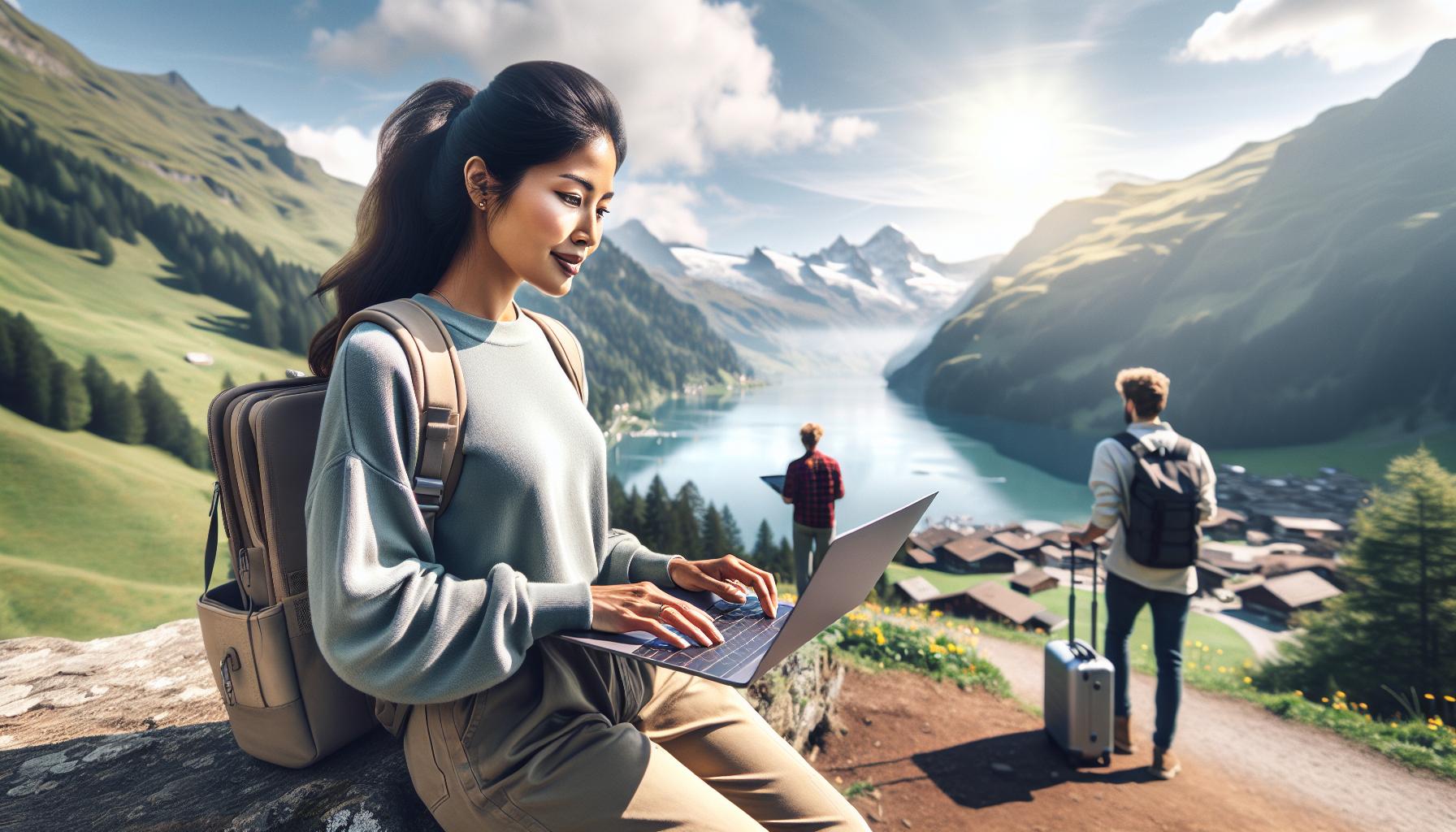
Switzerland, with its breathtaking landscapes, rich culture, and advanced infrastructure, is a dream destination for many digital nomads. However, while the allure of working amid the stunning Swiss Alps may be strong, it’s essential to understand the current landscape regarding digital nomad visas. As of now, Switzerland does not have a specific digital nomad visa in place, which creates a unique challenge for those wishing to live and work remotely from its picturesque locales. This puts Switzerland in stark contrast to other countries actively accommodating remote workers with tailored visa options.
Non-EU citizens are particularly affected by this absence, as the existing regulations stipulate that without a work permit, they cannot legally work or reside in Switzerland. Most digital nomads, therefore, find themselves exploring options like the Schengen Type C tourist visa, which permits stays for up to 90 days within a 180-day period but explicitly forbids engagement in work activities. This situation encourages digital nomads to plan their stays carefully or seek ways to transition to other visa types if they wish to linger longer or seek employment within the country.
Given the lack of a structured pathway for digital nomads, those considering this enchanting country must weigh their options and prepare for necessary legal frameworks when planning their stay. For more prolonged visits or work arrangements, one may need to sponsor their work or apply through different avenues. Always stay informed and plan ahead to embrace the adventure of working remotely from this stunning alpine haven, keeping in mind how local regulations may impact your plans.
Eligibility Criteria for Switzerland’s Digital Nomad Visa

Switzerland’s picturesque mountains, charming cities, and high quality of life might entice you to explore the prospect of working remotely from this beautiful country. However, it’s crucial to understand the current reality for digital nomads: there is no specific visa designed for them. This absence of a tailored visa poses unique eligibility challenges, particularly affecting non-EU citizens and those wishing to establish a long-term residence.
Those not holding EU/EFTA citizenship face stricter regulations. To legally reside in Switzerland while working remotely, you would typically need to secure a residence permit or a work visa. The most common alternative for short stays is the Schengen Type C tourist visa, which allows you to spend up to 90 days in a 180-day period. Unfortunately, this visa explicitly prohibits any work activities, making it unsuitable for digital nomads looking to maintain professional commitments during their stay.
To broaden your stay beyond typical tourist allowances, you will generally need to meet specific criteria set by local authorities. These may include demonstrating stable income, health insurance coverage, a clear work plan, or sponsorship from a Swiss employer or organization. It’s also wise to consider that Swiss immigration bureaucracy can sometimes be complex, so prospective candidates should be prepared for potential delays and the need to provide comprehensive documentation.
In summary, while the dream of working in Switzerland is inviting, navigating the current lack of a specific digital nomad visa requires careful planning. Prospective digital nomads should thoroughly research their options, gather the necessary documentation, and explore alternative avenues to balance their remote work aspirations with the realities of Swiss immigration policies. By doing so, you can take steps toward successfully experiencing the Swiss lifestyle while continuing to pursue your career.
Step-by-Step Application Process for the Visa

Navigating the Swiss immigration landscape can be an exciting yet complex journey for aspiring digital nomads. While Switzerland doesn’t have a specific digital nomad visa, you can still explore living and working remotely through the right procedures. Here’s a step-by-step guide to help streamline your application process for a residence permit or a suitable visa arrangement, ensuring you take full advantage of your experience in this breathtaking country.
Step 1: Determine Your Visa Needs
Before diving into the application process, assess your situation. Non-EU/EFTA citizens need to apply for a residence permit or work visa if they plan to stay longer than 90 days. If you’re looking for a short-term arrangement, consider the Schengen Type C visa, but remember, it strictly prohibits work. Understanding your needs will help you decide which type of residence or work permit is appropriate for you.
Step 2: Outline Your Plan
Create a clear plan outlining your intended stay, work commitments, and living arrangements in Switzerland. Local authorities often require proof of employment or a business plan, so refine your proposal detailing how you will sustain your remote work while living in Switzerland. Include evidence of stable income and details about your work setup-this can be crucial in your application process.
Step 3: Prepare Required Documentation
Compile necessary documents to support your application. Typically, you’ll need:
- Valid passport with at least six months of validity
- Proof of financial stability (bank statements, income guarantees)
- Health insurance coverage that meets Swiss standards
- Proof of accommodation (rental contract or letter from a host)
- Criminal record check from your home country
- A cover letter detailing your work plan
Step 4: Submit Your Application
Once all documentation is organized, submit your application to the appropriate cantonal immigration office in Switzerland or to the Swiss embassy in your home country. Be prepared for a potentially lengthy processing time-immigration bureaucracy can be detailed, so allow for several weeks, if not months, for your application to be reviewed and approved.
Step 5: Await Approval and Prepare for Arrival
Once you submit your application, the waiting game begins. Use this time to plan your life in Switzerland further-research neighborhoods, local customs, and even community groups for expats or digital nomads. Once approved, ensure you have a plan for your arrival, including arranging your health insurance and housing before settling in.
Embracing this meticulous process will empower you on your journey toward a fulfilling remote work experience in Switzerland. While it may appear daunting at first, following these steps methodically will allow you to immerse yourself in the Swiss lifestyle while continuing your professional journey remotely.
Required Documentation and Important Forms
Navigating the requirements for living and working remotely in Switzerland can feel daunting, but understanding the necessary documentation can empower you on this adventure. To successfully apply for a residence permit or a suitable visa arrangement, it’s essential to gather a comprehensive set of documents that showcase your intention to establish yourself in Switzerland. Each piece of documentation plays a vital role in painting a picture of your life as a digital nomad, demonstrating both your preparedness and your commitment.
The fundamental documents you will need include:
- Valid Passport: Ensure your passport is valid for at least six months beyond your intended stay, as it is crucial for identity verification.
- Proof of Financial Stability: Provide recent bank statements or proof of income that demonstrate you can support yourself while living in Switzerland. This could include contracts, pay slips, or business income documents.
- Health Insurance Coverage: Obtain health insurance that meets Swiss standards, as this is mandatory for all residents. Ensure your insurance covers all necessary medical services.
- Proof of Accommodation: Present a rental contract, letter from a host, or any confirmation of your living arrangement while residing in Switzerland.
- Criminal Record Check: A background check from your home country is often required to ensure you have no legal impediments.
- Cover Letter: Craft a letter that outlines your work plan and details your professional activities, demonstrating how you will sustain your digital nomad lifestyle.
Collecting and preparing these documents ahead of time can significantly expedite the application process. Additionally, it’s advisable to maintain photocopies of each document for your records. Remember, the immigration process may involve waiting periods, so plan your transition wisely. Engage with local expat communities or digital nomad groups online-they can provide invaluable insights and support, helping you settle into life in Switzerland. As you embark on your Swiss journey, these essential documents will serve not just as a means to gain access but also as a foundation for your new life, establishing you as a thriving remote worker in one of the world’s most beautiful countries.
Understanding Taxes for Digital Nomads in Switzerland
Navigating the financial landscape in Switzerland as a digital nomad requires a clear understanding of the country’s tax obligations. When living in this beautiful country, you will be subject to taxation based on your residency status. In Switzerland, tax rates can vary significantly from canton to canton, so knowing where you plan to stay can impact your overall tax burden. Understanding how the Swiss taxation system works is crucial for maintaining your financial health while enjoying the freedoms of a nomadic lifestyle.
All residents in Switzerland, regardless of nationality, are liable for income tax based on their worldwide income. This means that if you earn money while residing in Switzerland, you must report and pay taxes on your earnings-even if your clients or employer are based outside of Swiss borders. You may be required to file a tax return annually, and it’s essential to keep accurate records of your income, as well as any deductible expenses related to your work.
Tax Rates and Deductions
Tax rates in Switzerland are progressive and can be a bit complex due to the dual structure of federal and cantonal taxes. Here’s a brief overview of what to expect:
- Federal Taxes: These are uniform across the country, with rates starting at about 0.77% and going up to approximately 11.5% for higher income brackets.
- Cantonal Taxes: Each canton sets its own rates, which can lead to significant variability. For example, tax rates in Zurich can be markedly different than in Zug, known for its lower taxes.
Additionally, Switzerland allows for various deductions that can ease your tax burden. Common deductions for digital nomads include work-related expenses, home office costs, and contributions to pension plans. For more personalized advice, consider consulting a tax professional who understands the nuances of Swiss tax law.
Double Taxation Agreements
To avoid being taxed in both your home country and Switzerland, it’s important to be aware of any double taxation agreements (DTAs) Switzerland has with your country of residence. These agreements can sometimes exempt you from taxes on certain types of income and help you navigate your financial responsibilities with ease. Always verify how these agreements play into your situation, particularly if you have ongoing financial ties to another country.
By arming yourself with knowledge about the tax implications of living in Switzerland, you can take confident strides into your digital nomad journey. This understanding not only helps you to comply with local laws but also lets you focus on what truly matters-immersing yourself in the unique Swiss culture and breathtaking landscapes while maintaining your work-life harmony.
Health Insurance Requirements for Remote Workers
In Switzerland, securing health insurance is an essential step for anyone planning to live and work remotely. As a digital nomad, it is not only a legal requirement but also a crucial component of safeguarding your health and well-being in a new country. The Swiss health care system is known for its high standards, but understanding its intricacies can help you navigate your options and costs effectively.
Unlike many other countries, Switzerland mandates that all residents must have health insurance, which can be arranged through a private provider. This includes short-term stays; even if you plan to work remotely on a freelance basis, you must secure coverage within three months of establishing residency. Be mindful that failure to do so may result in penalties.
While choosing a plan, consider the following aspects:
- Coverage Options: Most basic health insurance covers essential medical services, while supplementary plans can offer more extensive coverage, such as dental or alternative treatments.
- Costs: Premiums can vary significantly depending on the canton, your age, and your selected plan. It’s wise to compare different providers to find a plan that fits your budget.
- Co-payments and Deductibles: Be aware of the co-payments and deductibles associated with your insurance plan. Understanding these financial responsibilities is crucial for budgeting.
Furthermore, if you opt for private health insurance from your home country, ensure it meets the Swiss minimum requirements. In some cases, it may be advantageous to transition to a local plan that better fits your lifestyle and needs as a nomad.
Living in Switzerland can be an enriching experience, and being adequately insured not only provides peace of mind but also empowers you to explore and enjoy this beautiful country without the worry of unforeseen medical expenses. Your health is paramount, so invest the time needed to select the right insurance plan as you embark on your exciting journey.
Cost of Living Considerations in Switzerland
Living in Switzerland provides a unique opportunity to experience stunning landscapes and a high quality of life, but it comes with a cost. Known for its picturesque mountains and vibrant cities, Switzerland consistently ranks as one of the most expensive countries in the world. For digital nomads, understanding the cost of living is crucial for planning an adventurous yet manageable stay.
Accommodation is one of the biggest expenses you’ll encounter. Whether you choose a sleek apartment in Zurich or a charming chalet in the Alps, rentals can quickly drain your budget. In major cities like Zurich and Geneva, expect to pay between CHF 1,500 to CHF 2,200 for a one-bedroom apartment. However, if you’re willing to explore smaller towns or rural areas, prices can be more reasonable, potentially dropping to CHF 800-CHF 1,200 per month. Opting for shared living arrangements or co-working spaces can not only reduce costs but also offer rich networking opportunities with other like-minded individuals.
In addition to housing, keep in mind that grocery and meal prices are significantly higher than in many other countries. A typical monthly grocery budget can range from CHF 300 to CHF 600, depending on your dietary preferences. Dining out can also be pricey, with an average meal costing CHF 20 to CHF 40 per person in a mid-range restaurant. To save, consider shopping at local markets and preparing meals at home, allowing you to indulge in Swiss delicacies like fondue without breaking the bank.
Public transportation is another crucial consideration, known for its efficiency and coverage. A monthly transportation pass in major cities can cost around CHF 80 to CHF 100, but many towns offer stunning views and walkability, making biking or walking enjoyable alternatives. Additionally, taking advantage of the Swiss Travel Pass can yield significant savings if you plan on exploring different regions.
Finally, while Switzerland’s cost of living is high, many digital nomads find that the rich experiences and the opportunity to connect with fellow remote workers throughout the country far outweigh the financial challenges. With comprehensive planning and budgeting, you can embrace the nomadic lifestyle without sacrificing the thrill of living in this captivating country. Keep these considerations in mind, and you’ll be well on your way to maximizing your Swiss adventure while maintaining control over your expenses.
Best Cities in Switzerland for Digital Nomads
Switzerland is not just about breathtaking landscapes and high-quality living; it also offers a range of vibrant cities that serve as perfect bases for digital nomads. Each city has its own unique charm, amenities, and communities, making it easier for remote workers to meld work-life balance with adventure. Here are some of the best cities in Switzerland where digital nomads can thrive.
Zurich
As the largest city in Switzerland, Zurich is a top choice for digital nomads seeking vibrant urban life paired with professional opportunities. It boasts world-class co-working spaces and a thriving tech scene, making it an ideal locale for networking. The efficient public transport system allows for seamless commuting, while the picturesque lake and nearby mountains provide perfect spots for weekend getaways. However, be prepared for higher living costs, with one-bedroom apartments averaging around CHF 2,200.
Geneva
Known for its international clientele and cultural diversity, Geneva attracts many remote workers. The city is home to numerous NGOs and multinational corporations, presenting ample networking opportunities. It features several co-working spaces, coffee shops, and beautiful parks conducive to remote work. While the cost of living can be steep (with rents around CHF 2,000 for a one-bedroom), the opportunity to mingle with other expatriates and professionals is invaluable.
Lausanne
Lausanne is another gem on Lake Geneva, offering a slightly less hectic pace than Zurich and Geneva. Known for its university and innovation in technology, this city is ideal for those in academia or tech startups. The cost of living is relatively lower than in larger cities, with one-bedroom apartments averaging about CHF 1,500. Moreover, the breathtaking views of the lake and mountains provide a stunning backdrop for any remote worker looking for inspiration.
Bern
Switzerland’s capital, Bern, combines historical charm with modern-day conveniences. The city is characterized by its medieval architecture and slower pace, making it a liberating workspace for creatives and remote workers. Bern’s rent costs are generally more moderate, with one-bedroom apartments going for around CHF 1,500. The cultural offerings are rich, and the sense of community is strong, making it a welcoming choice for solo travelers.
Basel
Basel’s strategic location at the crossroads of Switzerland, France, and Germany makes it an attractive hub for digital nomads. The city is known for its arts scene, vibrant nightlife, and academic institutions. Basel offers a unique blend of cultures and is home to some of the best museums in Europe. The rental market is also relatively more affordable compared to Zurich and Geneva, with one-bedroom apartments starting around CHF 1,600.
Choosing any of these cities allows digital nomads not only to work efficiently but also to enjoy the stunning Swiss vistas and rich cultural experiences. The combination of professional opportunities, community, and nature creates an ideal environment for those looking to live and work remotely in Switzerland.
Work-Life Balance: Living as a Nomad in Switzerland
Switzerland is a land of striking contrasts, where picturesque landscapes meet a vibrant urban lifestyle, offering digital nomads an extraordinary backdrop to balance work and leisure. Living in this beautiful country allows you to structure your life in a way that aligns with your professional goals while indulging in the myriad adventures that Switzerland has to offer. By combining your career with a fulfilling lifestyle, you can thrive as a remote worker in one of the world’s most livable countries.
To achieve an enriching work-life balance, consider establishing a routine that allows for focused work sessions interspersed with outdoor explorations. The Swiss landscape, from majestic mountains to serene lakes, provides limitless opportunities for hiking, skiing, or simply unwinding in nature. Many remote workers find that starting their day with a refreshing hike or a calming stroll can enhance their focus and creativity when they return to their desks. You might find inspiration while working at a café with breathtaking views or in a cozy co-working space that fosters collaboration and community.
Networking opportunities abound, and connecting with fellow remote workers in Switzerland can lead you to fruitful professional relationships and friendships. Engage with expat groups or attend local meetups to share experiences, learn about new projects, and perhaps even collaborate. Many cities such as Zurich and Geneva host coworking spaces that double as community hubs, enabling you to build a network while enjoying stimulating conversations with like-minded individuals.
However, to maintain your well-being, make it a habit to schedule downtime. Immerse yourself in local culture by visiting museums, participating in festivals, or savoring culinary delights at quaint restaurants. Remember, the essence of being a digital nomad in Switzerland is not just about work; it’s about creating a lifestyle that’s rich and fulfilling. Balancing professional obligations with personal pursuits will empower you to enjoy the best that this remarkable country has to offer.
Community and Networking Opportunities for Digital Nomads
Connecting with fellow remote workers in Switzerland can transform your experience from solitary to collaborative. This country is not just about stunning landscapes and robust work ethics; it also offers a vibrant community of digital nomads eager to share their insights and experiences. Major cities like Zurich, Geneva, and Basel are hotspots for networking, providing a plethora of co-working spaces, meetups, and events tailored for remote professionals.
One excellent way to get involved is by joining local expat groups or online communities, such as those found on platforms like Facebook or Meetup. Here, you can engage in conversations about local life, arrange meetups, and share tips on work-life balance in this unique environment. Coworking spaces, such as WeWork or Impact Hub, often host informal networking events, workshops, and social gatherings which are perfect opportunities for meeting like-minded folks while also getting work done in a collaborative atmosphere.
Utilizing social media is another effective tool. LinkedIn groups specifically aimed at digital nomads can provide valuable connections and opportunities to collaborate on projects. Additionally, platforms like Slack or Discord have specific channels focused on remote work in Switzerland, where you can ask questions, share resources, and seek advice on anything from visa tips to the best coffee shops for working remotely.
Lastly, attending local events and workshops tailored for entrepreneurs and freelancers can pave the way to professional relationships. Look for pop-up networking events, seminars, or tech meetups in your city-these gatherings can offer the chance to not only learn from industry experts but also to forge lasting connections. Embracing these community and networking opportunities will not only enrich your professional life in Switzerland but also enhance your personal journey as you explore everything this remarkable country has to offer.
Tips for Settling In: Culture and Lifestyle Adjustments
Living in Switzerland as a digital nomad can be both an exhilarating and challenging experience. Embracing the unique culture and adjusting your lifestyle will not only enhance your personal satisfaction but also contribute to your overall productivity. Switzerland’s rich heritage, characterized by four national languages and strong regional customs, presents an opportunity to immerse yourself in a truly diverse experience. Understanding local etiquette, customs, and daily routines becomes crucial as you settle in.
To ease your transition, familiarize yourself with the Swiss appreciation for punctuality and order. Whether it’s a casual coffee date or a professional meeting, being on time is a sign of respect. Locals also appreciate a friendly greeting; don’t be surprised if you hear “Grüezi” (Hello in Swiss German) frequently. Learning basic phrases in the local language, whether it’s German, French, Italian, or Romansh depending on the region, can greatly enhance your interactions and help you feel more connected to your surroundings.
In addition, adapt your lifestyle to align with local customs. The Swiss take an active interest in outdoor activities, so incorporating hiking, skiing, or even leisurely walks into your routine will not only help you stay fit but also make it easier to bond with colleagues and friends. Regular markets are a staple in Swiss towns, meaning you’ll have access to local produce-taking advantage of these venues can lead to healthier eating habits and a greater appreciation of Swiss cuisine.
Lastly, balance is key. While the work ethic in Switzerland is robust, the culture emphasizes leisure and relaxation. Make time to explore the breathtaking landscapes, attend local festivals, and engage with the community. Connect with fellow nomads and locals through workshops or cultural events. This integration will enrich your experience, turning what may initially feel like a solitary journey into a vibrant adventure filled with opportunities for personal and professional growth. Embrace this opportunity to grow, both in your career and as an individual, while enjoying the stunning backdrop that Switzerland offers.
Solo Travel Safety Tips for Digital Nomads in Switzerland
Traveling solo in Switzerland, a country renowned for its breathtaking landscapes and safety, can be an exhilarating experience. While Switzerland is often regarded as one of the safest countries in Europe, it’s essential to prioritize your safety as a digital nomad. Here are some practical tips to ensure you enjoy all the beauty and adventure Switzerland offers while staying safe.
Stay Aware of Your Surroundings
Being aware of your environment is crucial, especially when exploring new cities or remote areas. Avoid distractions like excessive phone use when walking. Instead, take a moment to admire your surroundings – the majestic mountains or quaint villages. Use reputable navigation apps that work offline to avoid fumbling with your phone in public places.
Choose Accommodations Wisely
When selecting where to stay, opt for well-reviewed hostels or hotels in safe neighborhoods. Many digital nomads find success in co-living spaces, offering more than just a bed but also a chance to connect with other remote workers. Check security features such as secure entrances, lockers for valuables, and in-room safes.
Keep Your Belongings Secure
Petty theft can happen in crowded areas, particularly in popular tourist spots. Use a crossbody bag or a money belt to keep your valuables close. When dining alone, consider sitting at a bar or café counter where you can keep an eye on your belongings. Also, avoid bringing too many expensive items; a reliable laptop and a phone should suffice for most periods of remote work.
Understand Local Emergency Numbers and Services
Get familiar with the local emergency numbers. In Switzerland, you can reach the police by dialing 117, and the ambulance service is available at 144. Keeping the contact information for your country’s embassy handy can also be beneficial in case of emergencies or lost passports.
Connect with Other Nomads
Joining online communities such as digital nomad forums or local expat groups on social media can provide invaluable support. Engaging with others who share your lifestyle can lead to meet-ups, collaborative work sessions, or even just friendly conversations about navigating life in Switzerland.
Understanding these safety tips will empower you to explore the stunning Swiss landscapes with confidence. By taking precautionary steps, you will not only protect yourself but also enhance your overall travel experience, making it even more rewarding. Embrace the adventure ahead and enjoy all that Switzerland has to offer!
Faq
Q: Does Switzerland have a digital nomad visa?
A: No, Switzerland does not currently offer a specific digital nomad visa. Digital nomads typically need to apply for a work permit or choose another type of visa if they wish to live and work in Switzerland remotely [1[1].
Q: Can I live in Switzerland as a remote worker?
A: Yes, you can live in Switzerland as a remote worker, but specific visa requirements must be met. Non-EU citizens require a work permit to legally live and work in Switzerland [2[2].
Q: What are the visa options for digital nomads in Switzerland?
A: Since there is no dedicated digital nomad visa, options include applying for a work permit, a student visa, or a residence permit, depending on your circumstances [3[3].
Q: How can I work remotely in Switzerland legally?
A: To work remotely in Switzerland legally, secure a valid visa or work permit that allows employment or business activities. Ensure compliance with local laws and regulations before relocating [2[2].
Q: Is it expensive to live as a digital nomad in Switzerland?
A: Yes, Switzerland is known for its high cost of living, especially in cities like Zurich and Geneva. Budgeting for housing, transportation, and daily expenses is crucial for digital nomads considering a move [1[1].
Q: What health insurance do I need as a digital nomad in Switzerland?
A: Digital nomads must have valid health insurance that meets Swiss regulations. Considering international health insurance options or local plans that provide comprehensive coverage is essential before moving [1[1].
Q: What are the best cities in Switzerland for digital nomads?
A: Some of the best cities for digital nomads in Switzerland include Zurich, Geneva, and Bern due to their strong digital infrastructure, vibrant communities, and scenic environments conducive to a remote working lifestyle [1[1].
Q: What is the work-life balance like for digital nomads in Switzerland?
A: Switzerland is known for its excellent work-life balance, boasting a culture that values leisure and personal time. Digital nomads can enjoy ample outdoor activities and a high quality of life while working remotely [1[1].
In Summary
As you consider your dream of living and working remotely in Switzerland, it’s important to recognize that while the country doesn’t currently provide a digital nomad visa, there are still pathways for remote work available, particularly for EU citizens and those with the right permits. Emphasize your need for proper documentation and stay updated on potential changes to immigration policies that could facilitate long-term stays.
For additional insights, explore our other guides on remote work logistics and the best European countries for digital nomads. Don’t forget to check out our articles on tax implications for remote workers and tips for relocating abroad. Your journey towards a remote lifestyle starts here, so dive deeper and prepare for the adventure ahead! Share your thoughts and questions in the comments, and consider signing up for our newsletter to stay informed about the latest updates and resources tailored for digital nomads. Your dream of a nomadic life in Switzerland could be just a few steps away!