Imagine sipping coffee on a sun-soaked terrace in Lisbon while handling your work emails or exploring the vibrant streets of Barcelona between video calls. The rise of digital nomad visas has turned this dream into reality for many remote workers. These specialized visas enable you to legally live and work abroad, unlocking a world of opportunities while you continue your career.
As more countries embrace flexible work arrangements, understanding where to find the best digital nomad visas becomes essential for those seeking adventure away from home. Whether you’re yearning for a vibrant city atmosphere, breathtaking natural landscapes, or a peaceful island retreat, this guide will illuminate the best destinations to work remotely. Discover the requirements, processes, and unique perks each country offers, and take the first step towards your exciting new lifestyle!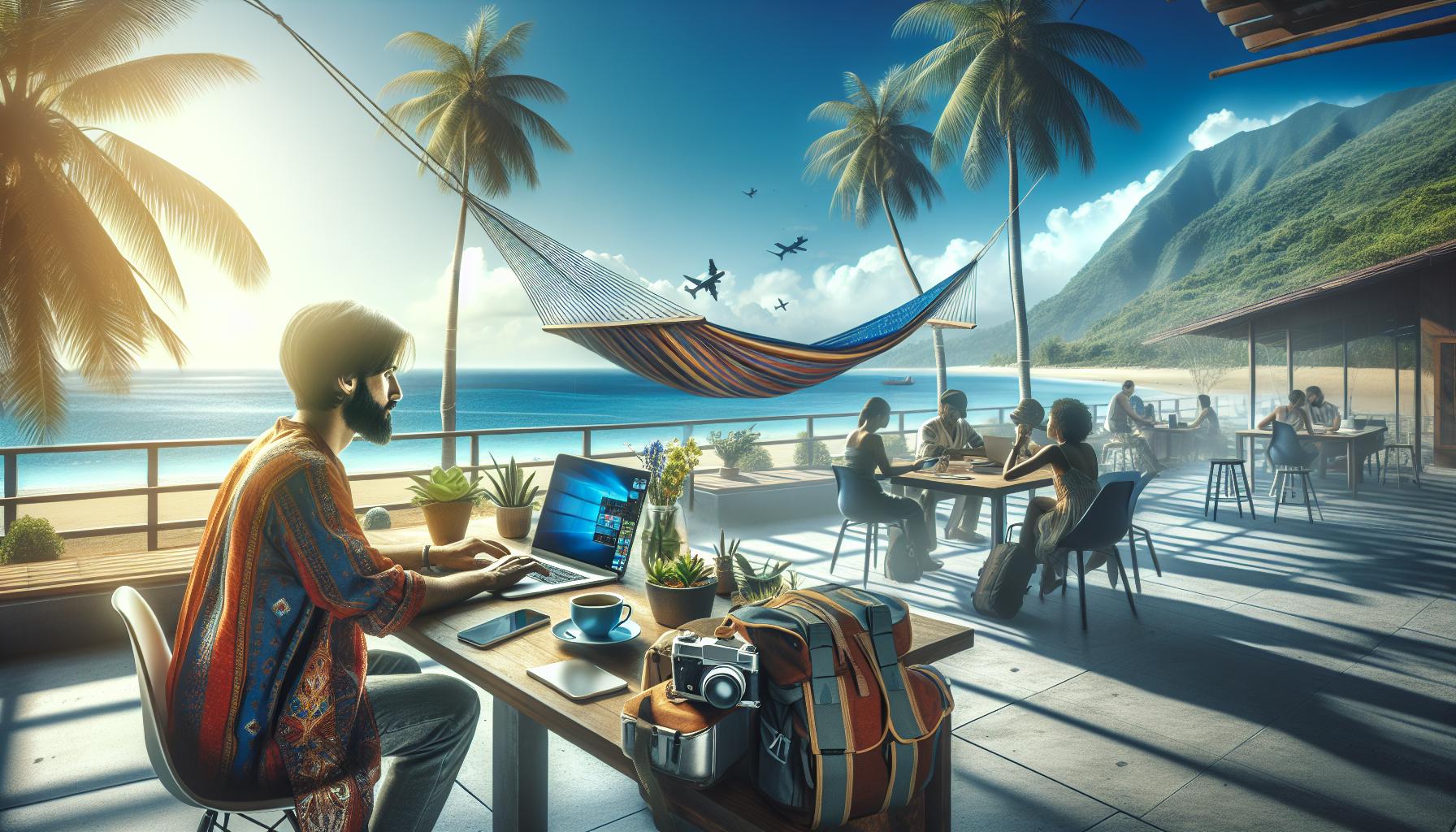
Countries Offering Digital Nomad Visas for Remote Work
Countries across the world are increasingly recognizing the allure of digital nomadism, offering tailored visas that allow remote workers to live and work legally while enjoying a new country’s culture and scenery. These digital nomad visas not only provide an opportunity for a refreshing change of environment but also grant access to a supportive local community, unique experiences, and the chance to explore various local customs.
Several countries have rolled out enticing digital nomad visa programs, each with different criteria and benefits. For instance, Estonia offers a visa specifically for digital nomads, allowing them to stay for up to a year while working for a business not registered in Estonia. Similarly, Portugal’s D7 visa caters to remote workers and retirees with a steady income, granting residency in a country known for its stunning landscapes and warm climate. Costa Rica has also jumped on the trend with its “Digital Nomad Visa,” targeting individuals who can prove a monthly income of $3,000, making it an attractive spot for those seeking to blend work and leisure in a tropical setting.
Key Considerations
Before applying for a digital nomad visa, it’s essential to consider various factors such as:
- Duration of Stay: How long do you plan to stay? Different countries offer varying periods, from six months to several years.
- Income Requirements: Many programs require proof of stable income-ensure you meet the financial criteria.
- Tax Implications: Understand any tax obligations you may acquire once living in a new country.
- Local Regulations: Familiarize yourself with local laws regarding work and residency.
Countries like Greece, Germany, and Bermuda are also making moves to attract remote workers with similar offers, each creating unique environments that foster productivity and personal growth. The combination of workflow flexibility and the richness of exploring new places can turn a fleeting vacation into a lifelong adventure. Pursuing a digital nomad visa can transform your work-life balance while enabling you to fully immerse yourself in diverse cultures and experiences.
Benefits of Getting a Digital Nomad Visa
The allure of a digital nomad visa goes far beyond merely getting the right documents; it opens the door to a lifestyle filled with adventure, flexibility, and new experiences. Imagine waking up to the sound of waves in Bali or the bustling streets of Lisbon while knowing you can work from anywhere your heart desires. These visas offer a legal framework that allows individuals to blend work and travel seamlessly, enabling a lifestyle that many only dream about.
One of the most significant is the ability to immerse yourself in a new culture. Not only can you explore breathtaking landscapes and taste amazing cuisines, but you also gain access to local communities that can enrich your experience. This integration can lead to new friendships, networking opportunities, and even collaborations that might not have been possible otherwise. Embracing a new environment can lead to increased creativity and productivity-a welcome change from the confines of a traditional office.
Moreover, many countries that offer digital nomad visas have infrastructures designed to support remote workers. From coworking spaces to reliable internet access, these destinations are equipped to meet the needs of digital nomads. This makes it easier than ever to stay connected with colleagues while enjoying the perks of a new lifestyle. Countries like Estonia and Portugal not only provide stunning scenery but also offer environments that foster innovation and work-life balance.
However, the advantages extend beyond just the immediate benefits of travel and work flexibility. Holding a digital nomad visa can simplify legal and tax responsibilities during your time abroad. By securing residency in a welcoming country, you often mitigate the risks associated with being an undocumented worker in a foreign land. Before you take the plunge, ensure you understand the legal requirements and income stipulations that come with the visa. The peace of mind that follows can make your travels more enjoyable, allowing you to focus on making the most of your nomadic journey.
In conclusion, a digital nomad visa is not just a travel document-it’s a passport to a new way of living, working, and experiencing the world. Embrace this opportunity, and you’re likely to find that your adventures will lead you to unexpected places, both geographically and personally.
Step-by-Step Guide to Applying for a Digital Nomad Visa
Embarking on the journey to obtain a digital nomad visa can be exhilarating, and understanding the application process is essential to making your travel dreams a reality. It’s not just about filling out forms; it involves gathering the right documents, ensuring you meet specific requirements, and preparing thoroughly for your adventure abroad. Here’s a clear, actionable guide to help you navigate this rewarding path.
Gather Necessary Documentation
Before starting your application, compile all necessary documents. Most countries require:
- Proof of Employment: A letter from your employer, detailing your remote work status, or recent contracts if you’re a freelancer.
- Proof of Income: Recent bank statements or pay stubs demonstrating a sustainable income, usually above a specified threshold.
- Health Insurance: A policy that covers you while abroad, including emergency evacuation and repatriation.
- Passport Validity: Ensure your passport is valid for at least six months beyond your intended stay.
- Application Form: Complete the specific form required by the country you wish to apply to.
Complete the Application Process
Once your documentation is in order, begin the online or in-person application process. Some countries offer easy online applications, while others may require you to visit an embassy or consulate. Pay attention to the following steps:
- Submit Your Application: Fill out the application form accurately. Consider using a checklist based on requirements to avoid missing any information.
- Pay the Fees: Be prepared to pay application fees which vary by country. Keep receipts as proof of payment.
- Attend an Interview: If required, some applications may necessitate an interview. Prepare by reviewing your application, having clear answers about your plans, and showcasing your commitment to living and working in their country.
Wait for Approval
Patience is key after submitting your application. The processing time can vary widely between countries, ranging from a few weeks to several months. During this waiting period, it is advisable to stay proactive:
- Remain Available: Be ready to respond to requests for additional information or clarification from the immigration office.
- Prepare for Your Move: Use this time to research your destination, book flights, accommodation, and start networking with fellow nomads in the area.
Once you receive your approval, you can begin your exciting adventure of living and working in a new country, tapping into its culture and enjoying the benefits of a digital nomad lifestyle. Embrace the journey ahead; the world awaits your exploration!
Top Destinations for Digital Nomads in 2023
Exploring the latest digital nomad visa options has opened a plethora of exciting destinations for remote workers in 2023. Countries are increasingly recognizing the value of attracting digital nomads, leading to visa programs designed for those who wish to blend work and travel. Imagine sipping coffee at a beachside café in Portugal or working from a vibrant co-working space in Mexico City-these experiences are now more accessible than ever thanks to favorable visa policies.
One standout destination is Portugal, known for its mild climate and rich culture. The D7 visa allows non-EU citizens to reside in Portugal while maintaining their remote jobs. Cities like Lisbon and Porto are hubs for digital nomads, offering a robust community, affordable living, and an abundance of cafés with strong Wi-Fi. Furthermore, Portugal’s digital nomad community is welcoming, ensuring that newcomers can tap into networking opportunities and local resources quickly.
Another enticing option is Costa Rica, famous for its stunning natural landscapes and “Pura Vida” lifestyle. The country launched a digital nomad visa that permits remote workers to live in paradise for up to two years. With its diverse environments ranging from beaches to rainforests, Costa Rica not only provides an idyllic backdrop for work but also a wealth of adventure activities during downtime-think surfing, hiking, and wildlife watching.
Consider Estonia, a pioneer in digital innovation. The country’s digital nomad visa allows eligible remote workers to live in Estonia for up to a year while enjoying its vibrant tech scene and beautiful architecture. Tallinn, the capital, is a mix of medieval charm and modern amenities, offering structured co-working spaces and networking opportunities that cater specifically to tech-savvy professionals.
Lastly, Mexico continues to be a favorite among digital nomads due to its friendly culture and affordability. Cities such as Tulum and Playa del Carmen not only provide stunning beaches but also a plethora of community events tailored for remote workers. The temporary resident visa offers an avenue for nomads to stay for an extended period while enjoying all that these vibrant locales have to offer.
These destinations are just a glimpse into the opportunities available for digital nomads in 2023. Embracing the digital nomad lifestyle doesn’t just mean a change of scenery; it opens doors to new cultures, communities, and experiences that can enrich both your personal and professional life. Whether you seek adventure, community, or tranquility, the world is your office-so pack your bags and start planning your next remote work adventure!
Cost of Living Comparisons for Digital Nomads
Understanding the cost of living in different countries is crucial for digital nomads as it directly impacts both their budget and lifestyle. Countries that offer digital nomad visas often showcase varying living expenses, from rent and groceries to transportation and leisure activities. For many digital nomads, finding a balance between affordable living and a vibrant atmosphere is key to a fulfilling experience abroad.
Let’s explore some of the most popular destinations for digital nomads, examining their cost of living relative to the benefits offered:
Portugal
Portugal, particularly Lisbon and Porto, is celebrated for its relatively low cost of living in comparison to other Western European capitals. Monthly expenses can range around €1,000 to €1,500, which includes rent, utilities, and food. This makes it feasible for many digital nomads to enjoy the benefits of working in a culturally rich environment while still keeping costs manageable. Public transportation is also efficient, with monthly passes under €40, allowing easy exploration of the beautiful surroundings.
Costa Rica
In Costa Rica, the cost of living can vary significantly based on location and lifestyle. A typical budget for a digital nomad might fall between $1,200 to $2,000 per month. Rent in popular expat areas like Tamarindo and Tamarindo can be higher, often exceeding $1,000 for a one-bedroom apartment. However, the remarkable natural beauty and “Pura Vida” lifestyle, characterized by outdoor activities and a laid-back atmosphere, offer immense value that many find well worth the expense.
Estonia
Estonia stands out not only for its innovative digital environment but also for its cost-effective living. In cities like Tallinn, digital nomads can expect to spend around €800 to €1,200 monthly, including rent and other essentials. The availability of co-working spaces and a burgeoning tech scene adds an enriching layer to the living experience, making it an attractive option for tech professionals. Transportation costs are low, with public transport using an affordable flat-rate ticket system.
Mexico
Mexico is a haven for many digital nomads, particularly in cities such as Tulum and Playa del Carmen. Monthly living costs can range from $1,200 to $2,000, depending on lifestyle choices and accommodations. The local cuisine offers budget-friendly dining options, while vibrant communities provide numerous events and networking opportunities. With a plethora of options for leisure activities, from beach days to cultural excursions, the overall experience tends to outweigh the expenses.
| Country | Estimated Monthly Cost | Highlights |
|---|---|---|
| Portugal | €1,000 – €1,500 | Cultural richness, efficient public transport |
| Costa Rica | $1,200 – $2,000 | Stunning natural landscapes, outdoor activities |
| Estonia | €800 – €1,200 | Innovative tech scene, affordable livability |
| Mexico | $1,200 – $2,000 | Diverse culture, vibrant communities |
When evaluating potential destinations, it’s essential to consider not just the cost of living but also what each location offers in terms of quality of life, community, and personal growth opportunities. Many nomads find that investing in a slightly higher cost of living can lead to unparalleled experiences and enhanced networking opportunities, ultimately enriching both their personal and professional lives. So, whether you’re looking for beach vibes or a bustling tech hub, understanding the financial landscape can empower you to make the best choice for your next adventure.
Understanding Tax Implications When Working Abroad
Navigating the world of taxes while living and working abroad can be a daunting task, especially for digital nomads who seek the freedom of location independence. Understanding the tax implications is pivotal not only for compliance but also for effectively managing your finances. Various countries that offer digital nomad visas have different regulations and treaties regarding taxation, which can significantly impact your overall experience.
When you decide to work remotely in another country, the primary question is whether you will be liable for taxes in your home country, the country where you are living, or sometimes both. Most countries require you to pay income taxes if you reside there for a specific duration, often referred to as the “tax residency” period. For instance, many countries consider you a tax resident if you stay for more than 183 days in a calendar year. Therefore, it’s crucial to keep track of your days spent in each location to avoid unexpected tax bills.
Understanding Double Taxation Agreements (DTAs)
Many countries have established Double Taxation Agreements (DTAs) to prevent individuals from being taxed twice on the same income. These agreements typically allow you to claim exemptions or reductions in taxes owed in one or both countries. If you’re a citizen of a country with a DTA with your destination, familiarize yourself with its terms to ensure you’re not paying more than required. For example, as a U.S. citizen living in Portugal, you may need to file taxes in both countries, but the DTA can help mitigate the amount owed.
Practical Steps to Manage Tax Implications
- Consult a Tax Professional: Before you relocate, it’s advisable to consult a tax advisor who understands international tax laws and can guide you based on your unique situation. They can help you navigate your tax obligations effectively.
- Maintain Clear Records: Keep detailed records of your income, days spent in different countries, and any taxes paid. This documentation is essential for filing your taxes accurately and claiming any necessary deductions or credits.
- Check Local Regulations: Each country has its regulations regarding the taxation of foreigners. Some countries, like Costa Rica, may offer tax incentives for foreign income, while others might tax your global income. Familiarize yourself with these rules before making any commitments.
Living as a digital nomad offers incredible freedom and potential for growth, but it comes with its financial responsibilities. By educating yourself on tax implications and being proactive in your financial management, you can fully embrace your new lifestyle without unnecessary stress or surprises. Remember, every journey is an adventure that comes with its set of challenges, and understanding your tax responsibilities is a crucial step toward truly enjoying the nomadic life.
Best Remote Work Opportunities in Digital Nomad Hotspots
In an era where remote work has become mainstream, the allure of combining work and travel is unmatched, especially for digital nomads thriving in vibrant hotspots around the globe. Countries offering digital nomad visas are not just providing opportunities for tax benefits and extended stays; they are creating dynamic ecosystems for remote workers, brimming with unique job prospects. For those seeking the perfect blend of adventure and career growth, here are some of the best remote work opportunities available in popular digital nomad destinations.
A growing number of tech companies offer remote positions that bridge the gap between location independence and professional development. For instance, in Lisbon, Portugal, the startup culture flourishes, with numerous roles available for software developers, digital marketers, and UX/UI designers. The city’s warm climate and a plethora of coworking spaces cater to the needs of remote workers, making it an ideal base to network with like-minded professionals while enjoying the vibrant European lifestyle.
In Bali, Indonesia, the demand for creative freelancers is robust, particularly in content creation, photography, and online marketing. The stunning beaches and relaxed atmosphere foster creativity, encouraging remote workers to explore unique projects while engaging with a community of digital nomads. Utilizing platforms such as Upwork and Fiverr can help freelancers tap into global clientele, turning their passion into a sustainable income while living in paradise.
Meanwhile, in places like Medellín, Colombia, the rise of coworking spaces and a lower cost of living attract entrepreneurs and business consultants. The city has established itself as a major hub for digital nomads, offering numerous networking events and workshops aimed at skill development and collaboration. This thriving community not only enhances professional growth but also fosters personal relationships that can lead to new business ventures.
As you navigate your remote work journey, consider the myriad opportunities presented in these destinations. Embrace the chance to connect with local professionals and use technology to your advantage. Take advantage of flexible schedules to explore the local culture, cuisine, and natural beauty surrounding you. Ultimately, the world is your office, and with the right mindset, every destination can offer a new chapter in your career and personal growth.
Cultural Considerations for Living as a Digital Nomad
Navigating life as a digital nomad is not just about picking a laptop-friendly destination; it’s also about integrating into new cultures. Each country brings its own unique traditions, languages, and social dynamics. Embracing these elements enhances your experience and often leads to deeper connections with the local community. Understanding the cultural landscape can transform your journey from a series of brief layovers into a meaningful adventure.
One essential aspect for digital nomads is to familiarize themselves with local customs and etiquette. For example, in countries like Thailand, showing respect for the monarchy and practicing polite greetings can go a long way. Similarly, learning a few basic phrases in the native language, such as greetings or thank-you’s, demonstrates your willingness to engage with the local culture, making it easier to forge friendships and networks. Joining local events or community gatherings can also enrich your experience; platforms like Meetup can help you find opportunities to connect with both locals and fellow travelers.
As you settle into a new location, consider how your lifestyle may differ from that of locals. Work hours, social norms, and even dining habits can vary significantly. In some cultures, meal times might be much later than what you’re accustomed to, and understanding this can prevent feelings of isolation or frustration. Engaging with local cuisine not only supports the economy but also introduces you to new flavors and culinary experiences that can be one of the highlights of your travels.
Furthermore, being aware of cultural sensitivities can help you avoid unintended faux pas that may arise during interactions. For instance, some countries have strict norms regarding personal space or dress codes in public places. Researching cultural dos and don’ts prior to your arrival can ensure respectful and considerate behavior, allowing you to fully immerse yourself in each new experience.
Ultimately, living as a digital nomad is an invitation to explore and grow, not only professionally but personally as well. By embracing and respecting the cultures you encounter, you open the door to rich experiences that go beyond traditional tourist paths. Every interaction and shared moment fosters a sense of belonging and expands your global perspective.
Essential Tools and Apps for Digital Nomads
In a world where remote work is becoming the norm, having the right tools and apps can be the difference between a smooth experience and a chaotic one. As you explore countries offering digital nomad visas, it’s essential to equip yourself with technology that ensures productivity, connectivity, and organization. Leveraging the best resources allows you to focus on your work while also embracing the adventures that come with living in new environments.
Must-Have Tools for Remote Workers
Utilize the following applications to streamline your work process and make your digital nomad life smoother:
- Communication: Slack or Microsoft Teams – Keep in touch with your team, collaborate on projects, and maintain a sense of camaraderie, regardless of your location.
- Project Management: Trello or Asana – Organize your tasks and manage your projects efficiently. These tools allow you to track your progress and deadlines while collaborating with others.
- Time Management: RescueTime – Understand how you spend your time and identify areas for improvement. This app helps balance work and leisure, ensuring you don’t get burned out while adventuring.
- File Sharing: Google Drive or Dropbox – Easily store and share files across devices and with your team. These platforms are essential for accessing documents from anywhere in the world.
Apps for Navigating Life Abroad
Living in a new country can be both exciting and daunting. Equip yourself with applications that smooth the transition and enhance your experience:
- Language Learning: Duolingo or Babbel – Boost your language skills to communicate better with locals and enrich your cultural experience. Speaking even a few phrases can work wonders in building rapport.
- Local Experiences: Meetup or Couchsurfing – Connect with locals and other travelers for events, meet-ups, and opportunities to immerse yourself in the culture.
- Travel Planning: Google Maps – This is an indispensable tool for navigation and finding local attractions, restaurants, and coworking spaces.
- Expense Tracking: Expensify or YNAB (You Need A Budget) – Keep your finances under control while managing expenses in different currencies. These apps help track your budget and financial goals on the go.
Equipped with the right tools and apps, you can navigate your digital nomad life with confidence. Embrace the flexibility and freedom that comes with remote work while forging unforgettable memories in the countries you explore. Each location offers a fresh perspective and new opportunities, and with these resources at your disposal, you can thrive both personally and professionally.
Safety Tips for Solo Travelers in New Countries
Traveling solo in a new country can be one of life’s most exhilarating adventures, but it also comes with its own set of challenges and potential risks. As you embrace the freedom and flexibility afforded by a digital nomad lifestyle, prioritizing safety ensures you can explore with confidence. To cultivate a sense of security, consider adopting a few essential practices that will empower you to enjoy your travels while remaining aware of your surroundings.
Stay informed about local customs and laws to avert misunderstandings that could lead to dangerous situations. Before arriving, do your research on the destination’s culture, behaviors to avoid, and common scams targeting tourists. This knowledge not only helps in blending in but also enhances your experience as you engage more authentically with the locale. Once you are there, use reliable apps for maps and reviews, like Google Maps or TripAdvisor, to find safe routes and trustworthy establishments.
Engaging with local communities can greatly enhance your sense of security while encouraging meaningful interactions. Consider using platforms like Meetup or Couchsurfing to join local events or gatherings, which can also provide insights into safe areas and neighborhoods. When socializing, always trust your instincts-if something feels off, don’t hesitate to change your plans or leave.
Practicing situational awareness is crucial. Be mindful of your belongings and avoid excessive displays of wealth, as this can attract unwanted attention. Keep your valuables secure, ideally using a money belt or hidden pouch, and stay alert to your surroundings, particularly in crowded places. It’s also wise to maintain the habit of establishing a “check-in” routine with friends or family back home, sharing your whereabouts, especially if you venture into less familiar areas.
Ultimately, combining preparation with local engagement creates a safer travel environment. Embrace your journey with a sense of adventure, knowing that each step you take, armed with knowledge and awareness, brings you closer to understanding the vibrant world around you. By following these safety tips, you can have enriching experiences while working remotely from stunning destinations, all while ensuring your solo travels remain as enjoyable as they are secure.
Community and Networking Opportunities for Digital Nomads
In today’s interconnected world, the digital nomad lifestyle thrives on community and networking opportunities that enrich the remote working experience. As you explore various countries offering digital nomad visas, embracing local networks and communities can turn your solo journey into a rewarding adventure. Engaging with like-minded individuals not only creates potential partnerships or collaborations but also fosters friendships that can make foreign locations feel more like home.
Utilizing social media, platforms like Facebook and Telegram host numerous groups dedicated to digital nomads. These groups often provide vital information about local meetups, co-working spaces, and events specifically catering to remote workers. For example, in countries like Portugal or Mexico, attending local nomadic gatherings can connect you with fellow remote workers who share insights about the best places to work, socialize, or relax. Don’t hesitate to introduce yourself and share your experiences; the digital nomad community is welcoming and eager to embrace new members.
Building Connections Through Co-Working Spaces
Co-working spaces serve as a central hub for digital nomads, offering not just workstations but also opportunities for networking. Look for places that host workshops or social events, which can introduce you to other remote workers and entrepreneurs. Many co-working spaces in cities such as Bali, Barcelona, and Tbilisi regularly organize events ranging from brunch meetups to skill-sharing sessions, providing a platform for collaboration and innovation.
Additionally, exploring local cafes and coffee shops known for their work-friendly environments can facilitate networking. Consider frequenting spots that cater specifically to digital nomads, as the ambiance often attracts others with a similar mindset. Engaging in conversations with other patrons can lead to shared experiences and new friendships that transcend borders.
Leveraging Online Platforms
Don’t forget about the power of technology in building community. Websites like Meetup and Couchsurfing enable you to connect with locals and fellow travelers. By participating in local events – whether they be tech meetups or cultural excursions – you can gain deeper insights into the local culture while expanding your network.
The more active you are in these communities, the richer your experiences will be. Here are some practical tips to enhance your networking efforts:
- Attend Local Workshops: Look for workshops relevant to your field to learn and meet fellow professionals.
- Join Social Clubs or Classes: Whether it’s a yoga class or a language course, participating in shared activities fosters connections.
- Volunteer: Engage with the local community by volunteering; it’s a great way to meet people and give back.
By engaging in these networking opportunities, you not only enhance your remote working experience but also open yourself up to a world of possibilities, friendships, and professional growth. The digital nomad lifestyle is about more than just location independence; it’s an adventure enriched by the diverse communities you encounter along the way. Embrace it wholeheartedly, and watch your journey transform into an extraordinary tapestry of experiences and connections.
Future Trends in Digital Nomad Visa Policies
The landscape of digital nomad visas is evolving rapidly, reflecting the increasing desire for flexibility in work locations and lifestyles. As more countries recognize the benefits of attracting remote workers-such as boosting local economies and diversifying demographics-the competition to create appealing visa programs intensifies. In the coming years, you can expect to see innovative visa solutions that cater to the needs of digital nomads, offering longer durations, simplified processes, and more inclusive eligibility criteria.
One trend is the emergence of collaboration between countries to create regional digital nomad visa agreements. This approach allows remote workers to move seamlessly across borders while working. For instance, countries within the European Union may establish a shared visa system that permits digital nomads to work in multiple member states without the need for separate applications in each country. This flexibility not only enhances mobility but also enriches the cultural experience as nomads immerse themselves in different environments.
Investing in infrastructure and support systems for digital nomads is another area of focus. More governments are recognizing the importance of providing resources such as co-working spaces, networking events, and local communities. For example, a country may offer subsidies or incentives for the development of co-working facilities and regular meet-ups aimed at fostering connections among remote workers. This not only enhances the appeal of the destination but also creates a supportive ecosystem for nomads.
As tax implications and regulations are often a concern for digital nomads, we foresee a movement toward clearer and more favorable tax policies. Countries may develop attractive tax schemes that target digital nomads specifically, perhaps offering tax breaks or simplified tax compliance processes. Additionally, there may be a shift towards international agreements to avoid double taxation, making it easier for remote workers to navigate their responsibilities seamlessly.
Finally, we can anticipate a more integrated tech support system to help digital nomads manage their lives abroad. This could include mobile apps that centralize visa management, tax documentation, or even community-building features that link nomads with local services and events. The rise of smart technology and data analytics may further improve the experience of remote workers, making it easier to thrive in new environments.
In summary, as the concept of digital nomadism gains traction worldwide, you can expect policies and infrastructures designed to support this lifestyle to continue to evolve. Countries that embrace these changes will not only attract more digital nomads but also foster diverse and vibrant communities that benefit everyone involved. Embrace this exciting evolution and consider how you can leverage these emerging opportunities as you venture into new territories once they become available.
Q&A
Q: What are the best countries for digital nomad visas?
A: The best countries for digital nomad visas include Portugal, Estonia, Croatia, and Mexico. These locations offer vibrant communities, reasonable living costs, and a welcoming atmosphere for remote workers. Portugal, for example, has an easy application process and stunning scenery, making it a top choice for many digital nomads.
Q: How can I find countries with digital nomad visas that suit my needs?
A: To find countries with digital nomad visas that suit your needs, consider factors such as visa length, income requirements, cost of living, and local amenities. Research each country’s specific visa program details to determine which aligns best with your lifestyle and work preferences.
Q: What are the eligibility requirements for digital nomad visas in different countries?
A: Eligibility requirements for digital nomad visas vary by country but generally include proof of employment with a foreign employer or self-employment, meeting minimum income thresholds, and valid health insurance. It’s essential to check the individual country regulations for precise criteria.
Q: Can families apply for digital nomad visas, and which countries are family-friendly?
A: Yes, many countries allow families to apply for digital nomad visas. Family-friendly options include Portugal and Spain, which provide supportive environments with excellent schooling options, healthcare, and community resources, making them ideal for digital nomad families.
Q: What should I consider before applying for a digital nomad visa?
A: Before applying for a digital nomad visa, consider the cost of living, language barriers, healthcare access, and available community support. Research locals’ attitudes toward digital nomads and evaluate the country’s amenities to ensure it matches your remote work lifestyle.
Q: Are there any specific tax implications to consider when applying for a digital nomad visa?
A: Yes, tax implications can vary significantly based on your residency status and the country you choose. Research local tax laws, including income tax and social security contributions, to avoid unforeseen expenses. Consulting a tax expert familiar with international regulations is advisable.
Q: How long can I stay in a country with a digital nomad visa?
A: Duration of stay on a digital nomad visa varies by country. For example, some may offer visas valid for one year with extensions, while others allow stays of two years or longer. Always check the visa specifics to understand your permitted duration and renewal options.
Q: What are the application fees associated with digital nomad visas in popular countries?
A: Application fees for digital nomad visas can vary, typically ranging from $100 to $500 depending on the country. Some nations may charge additional fees for processing or background checks. It’s crucial to budget accordingly and check official government sources for the most current fee structures.
Wrapping Up
As remote work continues to rise, the opportunities provided by digital nomad visas are more enticing than ever. Whether you’re drawn to stunning beaches or bustling cities, these visas enable you to blend work and adventure seamlessly. Now is the perfect time to explore the diverse landscapes of countries offering digital nomad programs-you don’t want to miss out on the chance to experience life in a new culture while maintaining your career.
If you’re ready to take the plunge, check out our guides on how to apply for digital nomad visas and the best tips for living abroad. Curious about tax implications or finding coworking spaces abroad? Our resources can help you navigate those topics with ease. Engage with our community by leaving a comment or sharing your experiences, and let’s embark on this journey together. Embrace the freedom to work from anywhere-your adventure awaits!