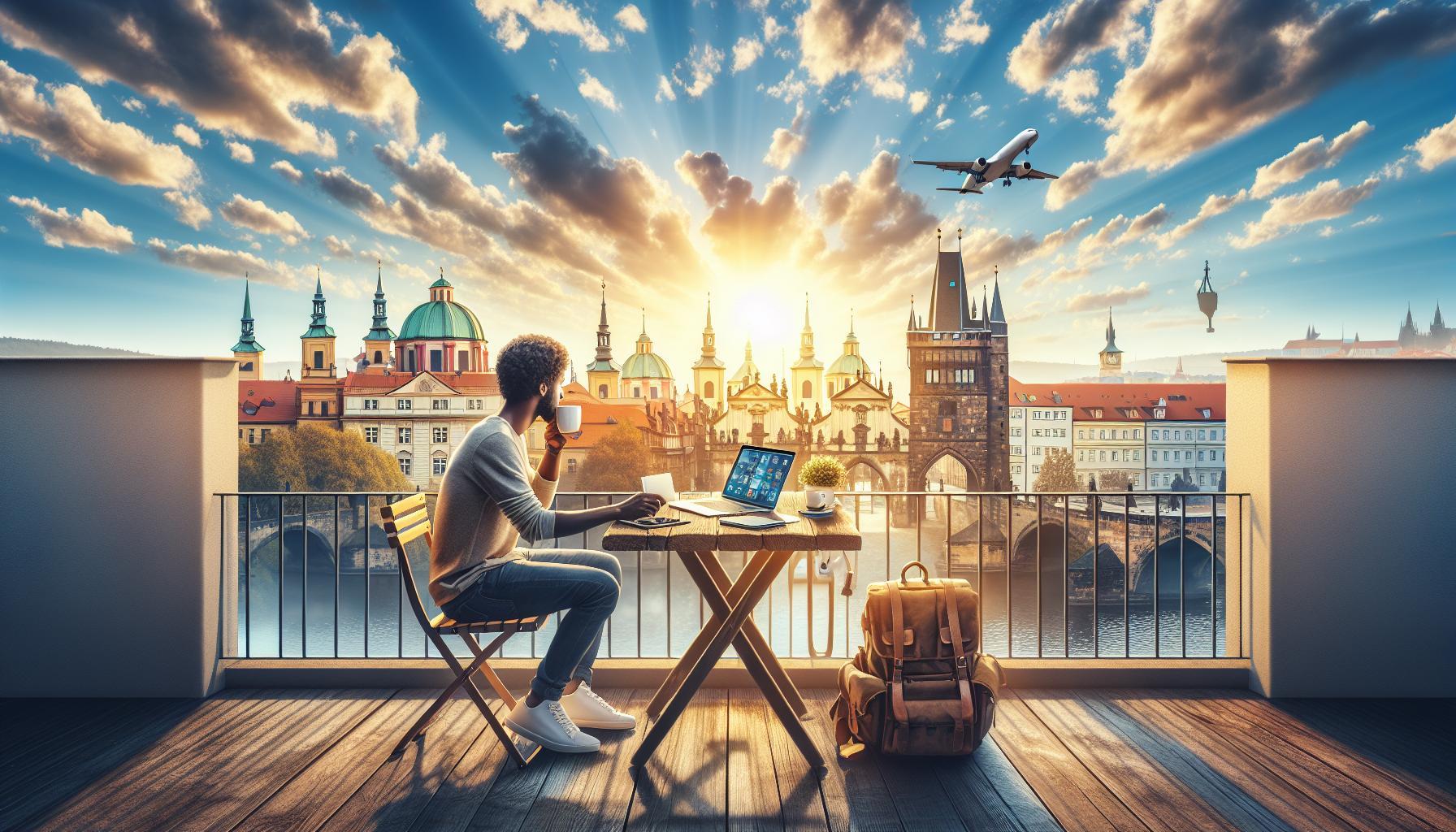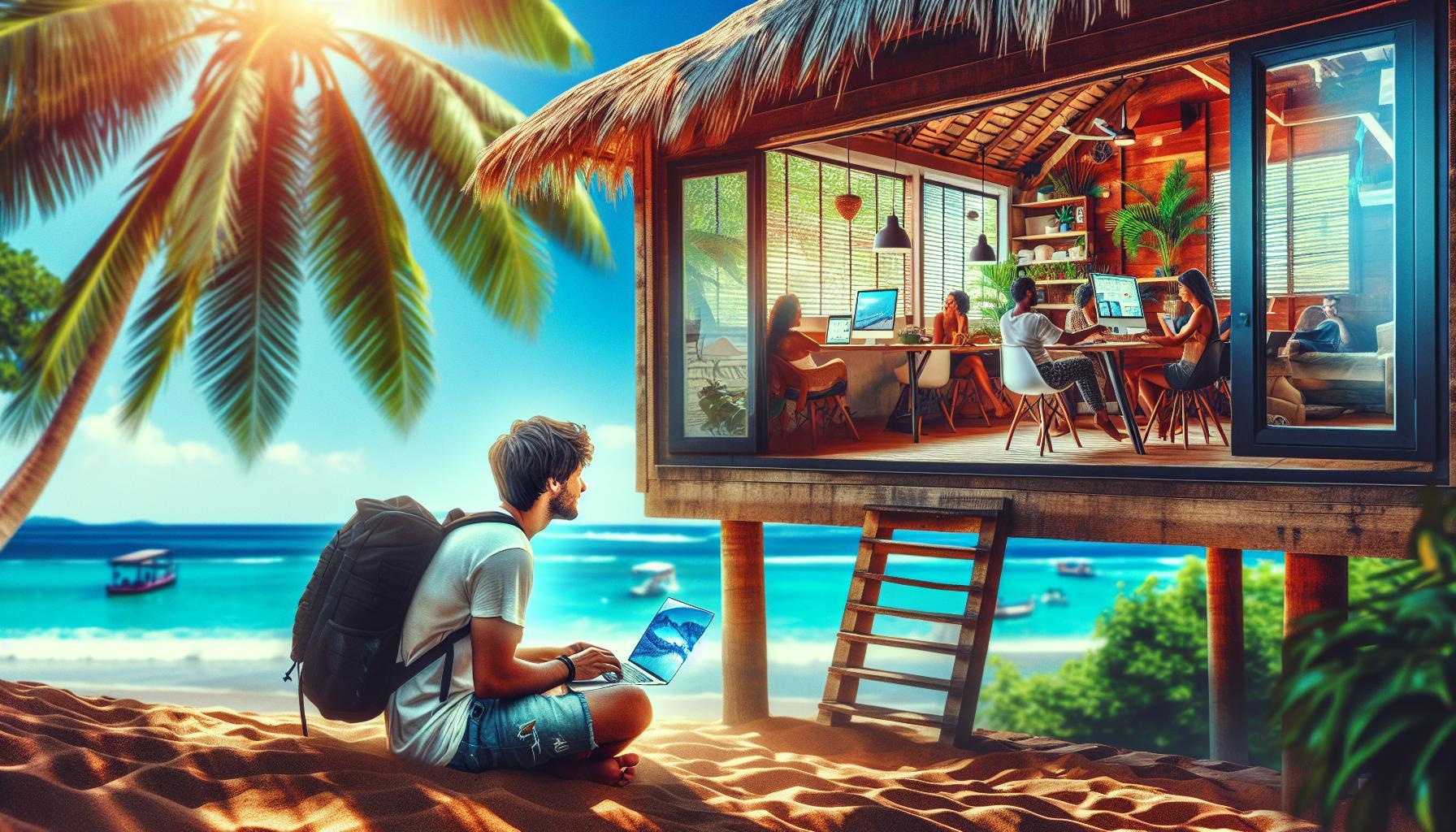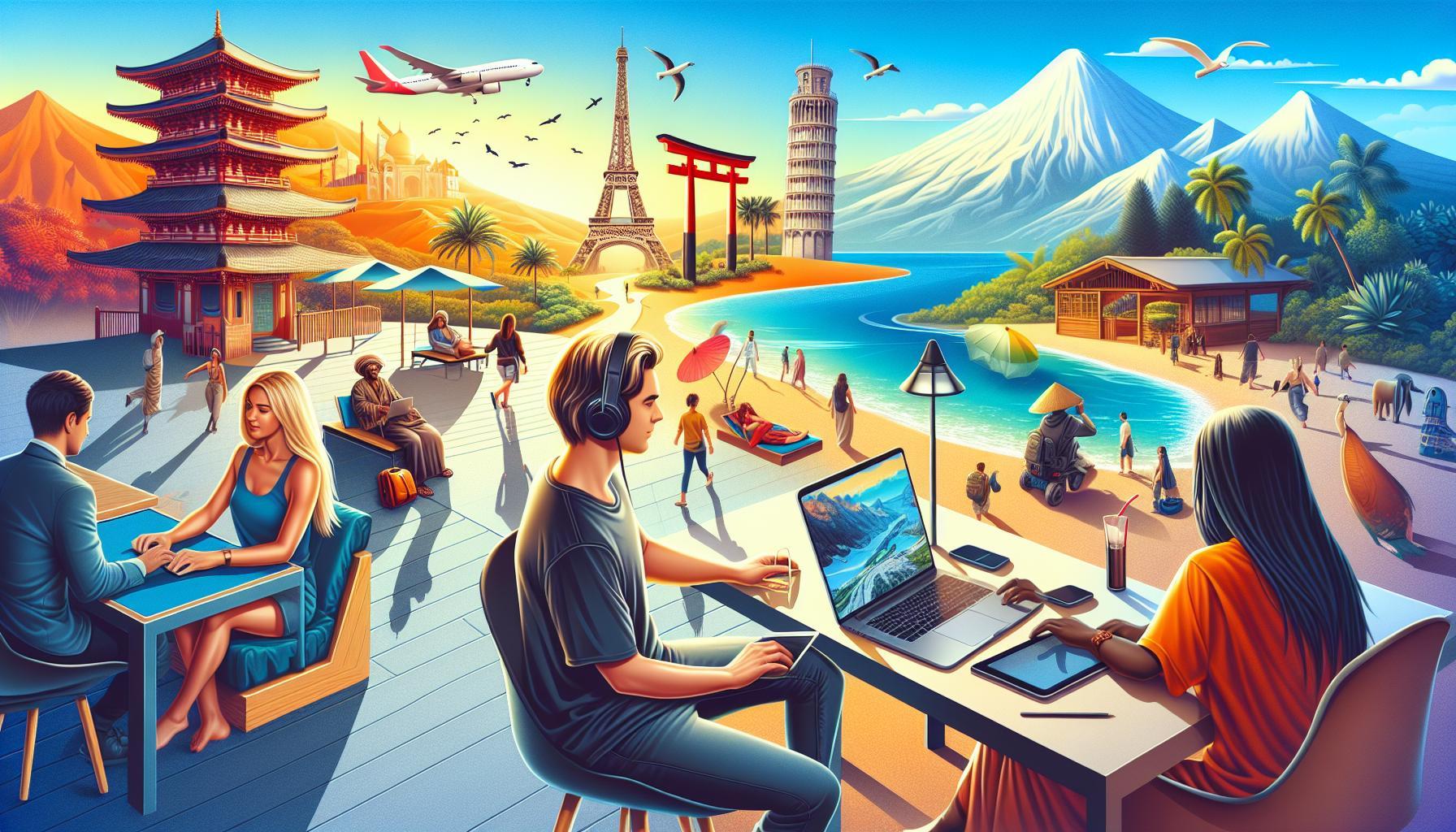
Imagine waking up to the sound of waves lapping on a distant shore, your laptop open and ready for the day ahead-all while being legally allowed to call another country home. This is the allure of a digital nomad visa. Designed for remote workers, freelancers, and entrepreneurs, this specialized permit allows you to live and work abroad for extended periods, fostering a lifestyle that seamlessly blends adventure with productivity.
As the trend of remote working grows, so does the importance of understanding how to navigate global living options. Whether you’re looking to explore vibrant cities, relax in serene landscapes, or simply break free from the conventional office setting, knowing how to secure a digital nomad visa can open doors to invaluable experiences. In this guide, we’ll delve into the essentials of digital nomad visas-what they are, where you can find them, and how they can help you achieve your dreams of location independence. Prepare to embark on a journey that could forever change how you see work and travel!
What is a Digital Nomad Visa?
A digital nomad visa is an innovative travel permit designed for individuals who wish to live and work remotely in a foreign country for an extended period, typically more than 90 days. This visa caters to the growing demographic of remote workers, freelancers, and online entrepreneurs, allowing them to establish a temporary base in another location while continuing to fulfill their professional obligations. By offering a legal framework for remote work, digital nomad visas not only enhance the appeal of countries seeking to attract skilled talent but also support those looking to embrace a flexible lifestyle away from their home countries.
Through a digital nomad visa, you gain access to the ability to immerse yourself in a new culture while maintaining your sources of income from clients or businesses based outside the host nation. This arrangement provides a unique opportunity to connect with different communities and network with like-minded professionals. Many countries have recognized the potential of attracting digital nomads and have introduced tailored programs to facilitate this, transforming their economies and showcasing their culture to a global workforce.
To apply for a digital nomad visa typically involves demonstrating proof of employment and income, securing health insurance, and sometimes showing that you possess specific skills that are in demand within the country. Application processes vary by location, often requiring various documentation forms and adherence to local regulations. Countries such as Portugal, Estonia, and Barbados have become popular destinations for digital nomads due to their favorable visa structures and vibrant local scenes that cater to the needs of remote workers.
In essence, a digital nomad visa opens doors not just to work remotely, but to explore the world on your terms, reinforcing the idea that the office can be anywhere. It empowers modern professionals to break free from conventional work environments, paving the way for a lifestyle filled with adventure and personal growth.
The Benefits of a Digital Nomad Visa
Imagine waking up to the sound of waves lapping against the shore, sipping coffee on a sun-drenched terrace, and starting your workday in a vibrant new city. This is the allure of holding a digital nomad visa-freedom to explore the world while sustaining your career. A digital nomad visa not only legitimizes your stay in a foreign country but also opens up a myriad of benefits that enhance both your personal and professional life.
One of the most significant advantages is the flexibility it offers. With a digital nomad visa, you can choose where you want to live and work, from tropical beaches to bustling urban centers. This freedom fosters creativity and can lead to increased productivity as you find inspiration in diverse environments. Additionally, many countries rolling out these visas cater to remote workers by providing essential amenities such as co-working spaces, high-speed internet, and vibrant communities of fellow nomads. These resources help you strike a harmonious balance between fulfilling your job responsibilities and embracing a new lifestyle.
Moreover, living abroad provides a unique opportunity for cultural immersion. You can learn a new language, savor local cuisines, and engage with residents, enriching your understanding of global perspectives. This cultural exposure might not only enhance your personal growth but could also positively impact your professional network, leading to new business opportunities and collaborations. As countries actively seek to attract skilled professionals, the digital nomad visa acts as a bridge connecting you to exciting potential ventures while allowing you to contribute to the local economy.
In terms of logistics, a digital nomad visa often simplifies many complexities associated with international work. Unlike traditional work visas, which may come with stringent employment requirements, the digital nomad visa typically allows you to maintain clients or jobs based in other countries. It removes the entanglements of local labor markets, making it easier for you to settle into a new environment without the anxiety of navigating work restrictions. Ultimately, the combined benefits of flexibility, cultural immersion, and simplified logistics make a digital nomad visa an enticing option for those eager to blend work with travel and adventure.
How to Apply for a Digital Nomad Visa

Applying for a digital nomad visa is a thrilling step towards embracing a lifestyle filled with adventure and flexibility. With this visa, the world becomes your office, allowing you to work remotely while exploring new cultures and environments. However, the application process can seem daunting, especially for first-time travelers. Here’s a straightforward guide to help you navigate your way through it.
First, research the specific requirements and processes of the destination country offering a digital nomad visa. Each country has its own criteria, including minimum income levels, documentation needed, and application fees. Generally, the application process includes the following steps:
Step-by-Step Application Process
- Determine Eligibility: Ensure you meet the minimum income requirements, generally from remote work for clients overseas.
- Gather Required Documents: Typical documents include a valid passport, proof of income, health insurance coverage, and a clean criminal record. Some countries may also ask for a letter from your employer or clients.
- Complete the Application: Fill out the online application form accurately. Pay attention to detail, as errors can lead to delays or rejections.
- Submit the Application and Pay Fees: After compiling your documents and filling out the form, submit your application along with any applicable fees. Be sure to keep a record of your submission.
- Await Approval: Processing times can vary. Check the country’s guidelines for estimated wait times and be prepared for possible interviews or additional checks.
Once you receive your visa, it’s time to plan your travel! However, before jumping on a plane, ensure that you understand the local laws and regulations regarding remote work to maintain compliance during your stay.
Embarking on this journey requires attention to detail, but the rewards, including cultural immersion, new friendships, and unforgettable experiences, make it all worthwhile. In the words of many seasoned digital nomads, the world is your office, and every new destination is an opportunity to grow both personally and professionally.
Eligibility Requirements for Digital Nomad Visas
Navigating the eligibility requirements for a digital nomad visa can make the difference between an exciting journey of exploration and the frustration of a denied application. Most countries offering these visas aim to attract skilled remote workers who can contribute positively to their economy while enjoying the local culture. The criteria can vary significantly from one destination to another, but there are several common factors that you need to consider before you take the leap.
To begin with, income verification is typically a cornerstone of eligibility. Many countries require applicants to demonstrate a minimum monthly income, often ranging from €2,000 to €5,000. This ensures that you can support yourself without needing local employment. Gathering proof of income can include bank statements, pay stubs, or contracts with overseas clients. It’s essential that the income is derived from remote work for clients or businesses based outside of the nomad destination.
Another crucial aspect is health insurance coverage. Countries want to ensure that you can access medical care without becoming a burden on their healthcare system. Proof of comprehensive health insurance that covers you in your host country is often mandatory. Look for policies that offer extensive international coverage, including emergency evacuation. Some countries may also impose specific requirements regarding the type of insurance accepted, so researching this ahead of time can save you headaches later.
Lastly, background checks play an important role in the application process. Most countries require a clean criminal record certificate to verify that applicants have no history of serious crimes. This step is vital as it helps maintain the safety and security of the local population.
Before applying, carefully review the specific demands of the country you wish to move to, as these can change and be influenced by factors like international relations and regional policies. Being well-informed not only eases your application experience but also empowers you to embark on this adventurous lifestyle with confidence. Each step you take towards securing your visa is a step closer to turning the world into your office and immersing yourself in new cultures.
Top Destinations Offering Digital Nomad Visas
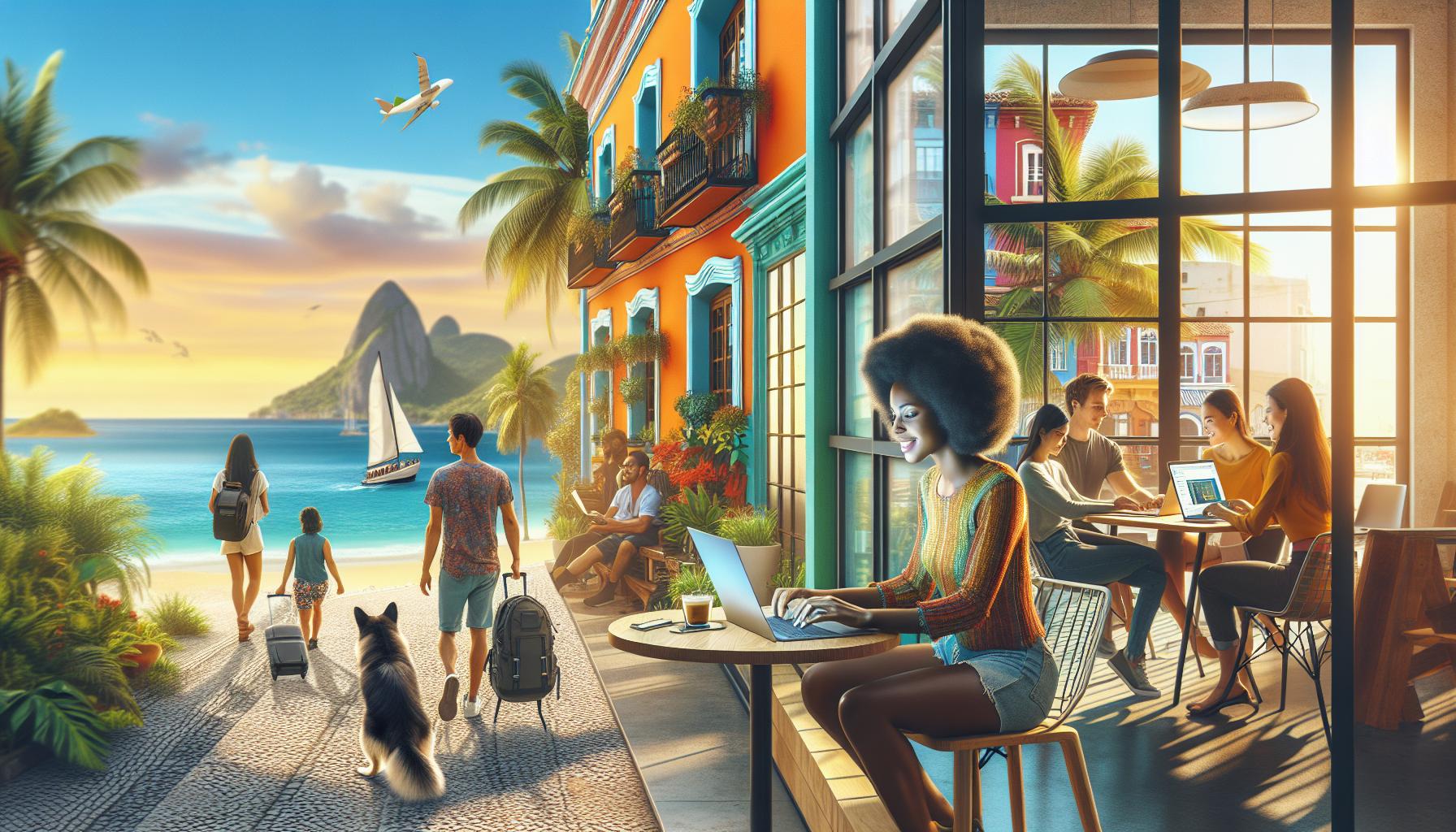
With over 60 countries now embracing the digital nomad lifestyle, the options for remote workers to explore new cultures while working are more abundant than ever. Destinations from the Caribbean to Europe offer tailored visa programs, allowing you to work without the traditional constraints of an office. Not only do these countries welcome skilled professionals, but they also showcase their own unique environments, making them perfect for long-term stays.
Countries Leading the Way
Some standout locations that offer enticing digital nomad visas include:
- Portugal: With its rich history and vibrant culture, Portugal offers a digital nomad visa that allows you to stay for up to a year, with the possibility of renewal. Lisbon and Porto are particularly popular due to their thriving tech scenes and warm climates.
- Estonia: Known for its digital innovation, Estonia’s e-Residency program allows digital nomads to establish a business online, while the digital nomad visa permits stays up to one year. Tallinn is a hub for its creative community.
- Mexico: The Temporary Resident Visa allows remote workers to live and work in Mexico for up to four years, making it ideal for those looking to immerse themselves in diverse cultures. Cities like Tulum and Playa del Carmen are favorites among nomads.
- Barbados: The Barbados Welcome Stamp lets you stay for up to 12 months while working remotely. With beautiful beaches and a welcoming culture, it’s a fantastic perk for the work-life balance.
- Greece: With new options emerging, Greece recently introduced a digital nomad visa that permits stays up to 12 months, particularly appealing for those seeking sun-soaked Mediterranean lifestyle experiences.
Why These Locations Stand Out
The appeal of these destinations extends beyond convenient visa options. Each is rich in local culture, offers robust infrastructure for remote work, and boasts vibrant communities of fellow digital nomads and expats. Engaging in local coworking spaces or meetups can lead to networking opportunities and friendships that enhance your travel experience.
When deciding on your next destination, consider what type of environment inspires you to work efficiently. Do you thrive in bustling city life, or do you prefer lush, quiet landscapes? Researching these factors can help you choose a location that not only fuels your productivity but also enriches your life with exciting experiences and adventures to enjoy in your downtime.
Embrace this opportunity to combine work and travel in one of these fantastic locations, as they provide the perfect backdrop for your digital nomad journey. Each place offers the chance to explore, connect, and grow while maintaining your professional responsibilities.
Digital Nomad Visa Extensions and Renewals
Navigating the world of digital nomad visas is an adventure in itself, and understanding how to extend or renew your stay is crucial to maintaining your location-independent lifestyle. Many countries offer the possibility to extend your initial visa, allowing you to maximize your experience abroad. Generally, it’s best to start this process well before your current visa expires, often recommended at least 30 days in advance. Each country has its unique protocols, fees, and required documentation, so familiarizing yourself with these specifics is vital.
Steps to Extend or Renew Your Digital Nomad Visa
- Research Local Regulations: Before anything else, delve into the specific extension or renewal guidelines of the country you are in. Websites of local immigration offices or government portals usually contain invaluable information.
- Prepare Necessary Documents: Commonly required documents include proof of continued remote employment, bank statements, tax documents, and perhaps a letter of intent explaining your desire to stay longer. Ensure that all paperwork is up to date and correctly formatted.
- File Application on Time: Submit your application ahead of the expiration date of your current visa. Processing times can vary significantly, so the earlier you begin, the less stress you’ll face.
- Fees and Processes: Be prepared to pay any applicable fees for your application. Some countries allow online applications, while others may require an in-person visit to their immigration office.
Real-World Examples
- In Portugal, you can apply to extend your visa for another year, providing you maintain your employment outside the country. The application involves proving you have sufficient income and health insurance.
- Mexico’s Temporary Resident Visa can be renewed up to four years, but you must show there’s a reason for your extended stay, such as ongoing projects or business engagements.
Understanding and properly managing your visa’s renewal or extension process ensures that your digital nomadic journey continues without interruption. By staying organized and informed, you can keep your travel dreams alive and maintain work-life balance while discovering new cultures.
Common Pitfalls to Avoid During Application
When embarking on the journey to obtain a digital nomad visa, it’s essential to be aware of the common pitfalls that can arise during the application process. Awareness can turn potential obstacles into manageable steps, ensuring a smoother path toward your location independence and remote work aspirations.
One frequent mistake is inadequate research into the specific requirements of the country you wish to live in. Each country has unique documentation requirements, processing times, and eligibility criteria. For instance, some nations may require proof of income that exceeds a certain threshold, while others may seek specific forms of employment verification. Therefore, it’s critical to meticulously check the latest guidelines on official immigration or government websites before submitting your application.
Another common oversight is failing to gather all required documents ahead of time. Applicants often underestimate the importance of having comprehensive and correctly formatted paperwork. Missing documents can lead to delays or outright rejections. Take the time to compile all necessary documentation such as bank statements, proof of remote employment, and health insurance coverage in advance, ensuring that everything is presented in the proper format.
Timing is also crucial. Submitting your application too close to your intended departure date can lead to issues, especially given the varying processing times across different countries. Always aim to submit applications well ahead of any planned travel dates. Lastly, beware of underestimating the fees associated with the application process. Ensure that you not only include these costs in your budget but also are ready for any unexpected expenses that might arise during your application journey.
By avoiding these common pitfalls-conducting thorough research, meticulously preparing documents, being mindful of timelines, and accurately budgeting-your path to becoming a successful digital nomad will be much clearer and less stressful. Embrace the adventure ahead with confidence!
Tax Implications for Digital Nomads
Understanding the tax implications is crucial for anyone planning to embark on a digital nomadic lifestyle. While the freedom to work remotely comes with a sense of adventure, it also introduces complexity in managing taxes across different jurisdictions. Since digital nomads often reside in multiple countries over a year, determining tax residency can be challenging but essential to avoid unforeseen liabilities.
Tax Residency
Many countries have specific thresholds for determining tax residency, often based on the number of days spent within their borders. For example, if you spend more than 183 days in a country within a tax year, you’ll usually be considered a tax resident and obligated to pay taxes there on your global income. It’s vital to keep meticulous records of your travel dates to evaluate your residency status accurately.
- Check local laws: Each country has different regulations regarding tax residency.
- Travel records: Maintain a detailed log of your movements to substantiate your residency claim.
Tax Treaties
Many countries have tax treaties to avoid double taxation, which can benefit digital nomads significantly. These treaties usually outline which country gets the right to tax your income if you are considered a resident in more than one location. Familiarizing yourself with these agreements can help you strategize where to claim residency or file taxes.
Local Tax Regulations
It’s imperative to understand that not only your home country but also the countries where you live and work may have taxation rights over your income. Some nations may impose taxes on income earned locally, even if you are a foreign national. For instance, if you work remotely while living in a country with a high tax rate, this could impact your financial plans.
- Business structures: Consider the implications of your business structure (e.g., freelancer vs. incorporated) on tax burdens.
- Local taxes: Research any payroll, sales, or value-added taxes that could apply to your business activities.
Budgeting for Taxes
As a digital nomad, it’s crucial to budget for your tax liabilities based on your travel plans and expected income. Consulting a tax professional who understands the complexities of international taxation can save time and stress. They can help you navigate deductions, file in multiple jurisdictions, and optimize your tax position effectively.
By staying informed and proactive, you can make your digital nomadic journey as rewarding as possible, balancing your exploration of the world with legal and financial savvy. Embrace the adventure, but don’t overlook the essential role that tax planning plays in your journey!
Real-Life Success Stories of Digital Nomads
The allure of a digital nomad lifestyle is not just about the scenic views or newfound cultural experiences; it’s about real people achieving remarkable flexibility and freedom through the digital nomad visa. Take the story of Sarah, a graphic designer from Canada, who decided to leave her 9-to-5 job after discovering the digital nomad visa. By relocating to Portugal, she was able to thrive in a vibrant creative community while working remotely for clients around the globe. Sarah not only enjoyed the beautiful landscapes and rich history but also found that the local lifestyle inspired her designs, enriching her work and personal life.
Equally captivating is Mark, a software developer, who opted for a digital nomad visa to live in Bali. Initially seeking a temporary escape, he transformed his experience into a long-term venture. Mark leveraged local co-working spaces to meet other nomads and tech enthusiasts, leading to collaborations that enhanced his skills and broadened his client base. He learned to balance work with relaxation, often coding by the beach in the mornings and exploring nearby islands in the afternoons. Mark’s journey emphasizes the opportunity to grow professionally while indulging in the scenic freedom a digital nomad lifestyle offers.
Tips for Aspiring Digital Nomads
As these success stories illuminate, there are practical steps you can take to replicate their journeys:
- Research and Choose the Right Destination: Consider visa requirements, cost of living, and community support when selecting where to live.
- Build a Network: Engage with local and online communities to find opportunities and support.
- Maintain Work-Life Balance: Set clear work hours and utilize local experiences to enrich your daily routine.
- Stay Organized: Manage your time effectively and keep track of your travel logistics, visa renewals, and important deadlines.
These stories and strategies are more than just inspiration; they’re a roadmap to making your digital nomad dreams a reality. Each success underscores the potential for personal and professional growth while exploring the globe. Whether you’re starting your journey or looking to extend your travels, the experiences of these digital nomads assure you that with the right approach, your ideal lifestyle is within reach.
Combining Travel and Work: Tips for Success
Embracing the digital nomad lifestyle is not just about working from exotic locations; it’s about finding the right blend of productivity and adventure. The key to successfully combining travel with work lies in creating a flexible yet structured routine that accommodates both your professional responsibilities and your exploration spirit. Here are some essential strategies to help you thrive as a digital nomad.
Establish a Routine
Creating a daily routine can help you maintain productivity while you explore new surroundings. Identify your peak productivity hours-these are the times when you feel most energized and focused. For instance, some digital nomads find they work best early in the morning or during late evenings. By scheduling your most important tasks during these hours, you can enjoy the rest of your day for sightseeing or relaxation.
Tip: Use tools like time-blocking or the Pomodoro technique to manage your work sessions efficiently, allowing for short breaks that let you recharge and appreciate your beautiful surroundings.
Utilize the Right Tools and Technology
Having the right technological setup is crucial for work efficiency while on the go. Make sure you have a reliable laptop, necessary software applications, and a secure internet connection. Consider using tools like project management software (e.g., Trello or Asana) to keep your tasks organized and communication platforms (like Slack or Zoom) to stay connected with your team or clients.
Tip: Research your destination ahead of time to find co-working spaces or cafes with good Wi-Fi. Sites like Workfrom can help you locate the best work-friendly spots in your area.
Network Locally and Online
Building a community can significantly enhance your nomadic experience. Engage with fellow nomads through platforms like Nomad List, Facebook groups, or Meetup events in your destination. Networking not only opens doors to potential collaborations but also fosters friendships and support systems that can make your travels much richer.
Tip: Attend local meetups or workshops related to your profession. This is a fantastic way to learn from others, share experiences, and find inspiration in your work.
Embrace Flexibility
One of the greatest advantages of being a digital nomad is the ability to adapt your schedule. Allow yourself the freedom to switch plans when unexpected opportunities arise-like a spontaneous trip to a nearby town or an invitation to a local festival. However, ensure you have designated work days to maintain your professional commitments. Balancing flexibility with discipline can lead to a fulfilling and productive nomadic life.
By implementing these strategies, you can enjoy the best of both worlds-exploring new cultures and landscapes while maintaining a fruitful career. Remember, the journey may come with its challenges, but by staying organized, connected, and adaptable, you can create unforgettable memories and professional growth as a digital nomad.
Future Trends in Digital Nomad Visas
As the digital landscape continues to evolve, so too does the phenomenon of digital nomadism. Over recent years, a notable shift has occurred in how countries view remote work and the nomadic lifestyle. This shift is largely driven by the increasing recognition that digital nomads can contribute significantly to local economies, enriching communities and fostering cultural exchange. Consequently, many nations are adopting more inclusive policies to attract these mobile professionals, leading to the rapid growth of digital nomad visa programs worldwide.
In the near future, we can expect to see several key trends emerging within the realm of digital nomad visas:
Increased Competition
With more countries introducing or refining their visa options, competition among nations to attract digital nomads is becoming fiercer. This competition often leads to more favorable conditions, such as lower application fees, relaxed eligibility requirements, and the introduction of longer visa durations. For instance, countries that previously offered short-term tourist visas are now exploring extended stays for remote workers, allowing nomads to immerse themselves in local culture while maintaining professional commitments.
Focus on Remote Work Infrastructure
As the demand for digital nomads grows, countries are investing in infrastructure tailored to remote workers. This includes developing co-working spaces, improving internet connectivity, and enhancing amenities that cater to the needs of digital professionals. More destinations are likely to establish tech hubs or ‘digital nomad friendly’ areas, creating environments that support collaboration and networking among remote workers.
Emphasis on Community and Connection
Future digital nomad visa programs may also place a stronger emphasis on community-building initiatives. Countries might develop programs that link nomads with local entrepreneurs, mentorship opportunities, and networking events to ensure a sense of belonging and community engagement. These initiatives will not only enhance the nomadic experience but also help digital nomads contribute positively to their host communities by sharing skills and knowledge.
Specialization in Tax Regulations
As nomads traverse multiple countries and navigate complex tax situations, governments may begin to streamline and clarify tax obligations for digital nomads. Countries could introduce specific tax guidelines or exemptions that cater to the remote worker demographic, simplifying the process and providing peace of mind for digital nomads regarding their financial responsibilities. This way, they can focus on exploring new destinations while maintaining compliance.
In summary, the future of digital nomad visas looks bright, marked by innovations and improvements that cater to the needs of remote workers. Embracing these changes can empower individuals to explore the world on their own terms while successfully managing their professional lives. As you embark on your nomadic journey, consider how these evolving trends might assist you in finding the ideal destination that balances work and adventure.
FAQ
Q: What are the requirements for a digital nomad visa?
A: Requirements for a digital nomad visa typically include proof of employment or a steady income, valid health insurance, and sometimes a minimum income threshold. Each country has specific criteria, so it’s essential to check the details for the destination you choose. For a comprehensive overview, refer to the “Eligibility Requirements” section in your article.
Q: How long can you stay on a digital nomad visa?
A: The duration of stay on a digital nomad visa varies by country, generally ranging from 6 months to 2 years, with potential for extensions. It’s crucial to understand the specific rules of the country you plan to work from to ensure compliance.
Q: Can freelancers apply for a digital nomad visa?
A: Yes, freelancers can apply for a digital nomad visa, provided they meet the requirements, such as demonstrating a stable income and having a valid work contract. Different countries may have varying requirements for freelancers, so checking specific guidelines is recommended.
Q: Are digital nomad visas the same as work visas?
A: No, digital nomad visas are specifically designed for remote workers who wish to live and work in a different country legally while not taking a local job. Traditional work visas usually require employment with a local employer and have different eligibility criteria.
Q: What documents are needed to apply for a digital nomad visa?
A: Common documents include a valid passport, proof of employment or freelance contracts, bank statements showing income, a health insurance policy, and sometimes a criminal background check. Always check individual country requirements for additional documentation.
Q: What is the application process for a digital nomad visa?
A: The application process usually involves gathering required documents, submitting them online or through a local consulate, and paying a fee. Processing times can vary significantly, so plan your application well ahead of your intended travel date.
Q: Can family members join a digital nomad visa holder?
A: Many countries allow family members to join digital nomad visa holders, often through dependent visas. However, specific rules and eligibility vary, so it is essential to check each country’s policies regarding dependents for digital nomad visas.
Q: What if my digital nomad visa expires while I’m abroad?
A: If your digital nomad visa expires while you are abroad, you may need to leave the country or seek a visa renewal or extension beforehand. Staying aware of your visa’s expiration date and regulations is critical to maintaining legal status in the country where you are working.
Key Takeaways
As you embark on your journey towards location independence, understanding the digital nomad visa is your first step towards an adventurous lifestyle filled with remote work opportunities. This visa not only allows you to explore new cultures but also enables you to continue your professional endeavors seamlessly. If you’re ready to take the plunge, consider checking out our comprehensive guides on the best countries for digital nomads and practical tips for remote work success.
Don’t let uncertainty hold you back! Dive deeper into the nuances of digital nomad life and gain insight on how to balance work and travel effectively. For those looking to stay updated and receive exclusive tips, sign up for our newsletter today and join a community of like-minded adventurers. The world is wide and full of possibilities-your next destination awaits! Share your thoughts in the comments below and let’s start a conversation about your dream location!