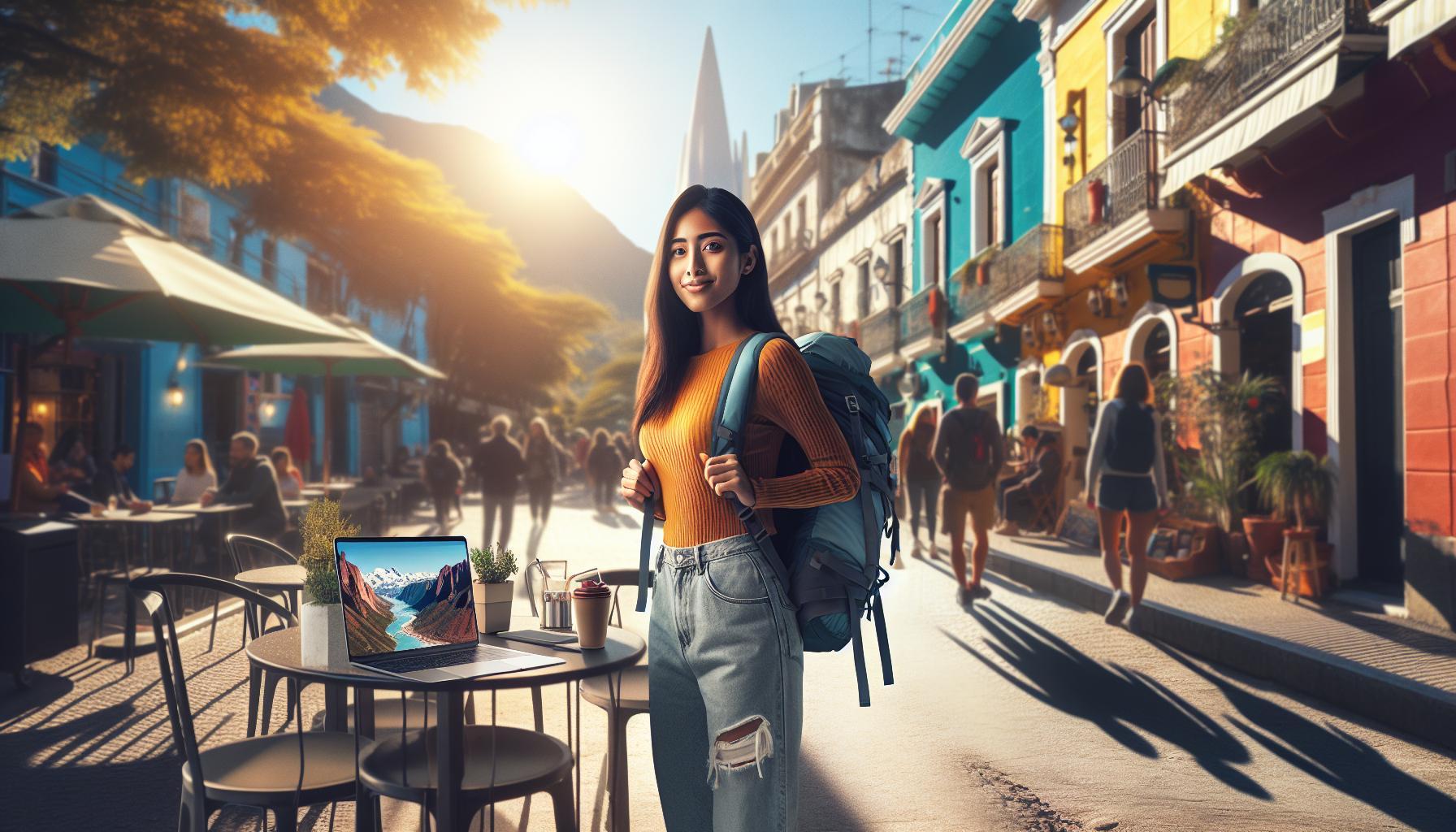
Traveling solo can be one of the most empowering experiences of your life, offering unmatched freedom and the chance to explore the world on your own terms. However, it also comes with unique challenges and safety concerns that can leave many potential adventurers feeling apprehensive. This guide, “Tips for Solo Travelers: Maximize Safety, Fun, and Connection,” is designed to equip you with practical strategies and insights to enhance your solo travel experience, allowing you to embrace the journey with confidence and excitement.
Whether you’re planning your first trip alone or are a seasoned traveler looking to refine your approach, understanding how to stay safe, make meaningful connections, and ensure you’re enjoying every moment is vital. As you dive into this guide, you’ll uncover actionable tips that not only prioritize your safety but also enhance your enjoyment and foster new friendships, transforming your solo adventure into an unforgettable story. Let’s embark on this journey together, where adventure, safety, and connection await at every turn.
Maximizing Safety: Essential Guidelines for Solo Travelers
When embarking on a solo travel adventure, the thrill of exploration can be accompanied by certain risks. However, taking proactive steps to maximize your safety can lead to enriching experiences and unforgettable memories. Preparation is key to ensuring your solo journey is secure and enjoyable. Here are essential guidelines that every solo traveler should consider.
Be Aware of Your Surroundings
The first step to enhancing your safety involves staying alert and tuned into your environment. This means being aware of local customs, laws, and the general atmosphere in various neighborhoods. Researching your destination beforehand can help you identify areas that are best avoided, particularly after dark. Pay attention to local news and travel advisories from reliable sources.
Keep Valuables Secure
Protecting your belongings is crucial when traveling alone. Use a crossbody bag or money belt to keep your passport, money, and essential cards close and concealed. It’s also wise to have a backup plan: keep copies of important documents and store them separately from the originals. Consider using anti-theft luggage or bags designed with hidden zippers and cut-resistant straps to deter pickpockets.
Trust Your Instincts
While guidelines and tips are helpful, your intuition is one of your best safety tools. If a situation feels uncomfortable or risky, it’s perfectly acceptable to remove yourself from it. Whether it’s declining an offer for help from a stranger or avoiding a secluded area late at night, trusting your gut can be a significant safety measure.
Stay Connected
Establishing a line of communication with friends or family back home can offer peace of mind. Share your travel itinerary and check in regularly. Familiarize yourself with local emergency numbers and keep a charged phone with you. Download useful apps for navigation and communication to help you stay connected and informed during your travels.
By following these guidelines, you can navigate your solo adventures with confidence and security, allowing you to immerse yourself in new cultures and experiences while minimizing risks.
Choosing Your Destination: Safe and Friendly Places for Solo Travel
When choosing a destination for solo travel, the balance between adventure and safety is crucial. Start by identifying places renowned for their welcoming atmospheres and low crime rates. Cities like Copenhagen, Japan’s Kyoto, and New Zealand’s Wellington offer a unique blend of cultural richness and safety that can empower solo adventurers. Research viable destinations using platforms that provide traveler insights, focusing on solo traveler experiences.
- Copenhagen, Denmark: Known for its high safety standards, this bicycle-friendly city is teeming with friendly locals willing to help. You can explore the vibrant neighborhoods and historical sites with ease, thanks to well-marked routes and public transportation.
- Kyoto, Japan: With a reputation for politeness and order, Kyoto is a fantastic option for solo travelers. The efficient public transport makes it easy to navigate, while cultural experiences like tea ceremonies or temple visits provide opportunities for personal growth.
- Wellington, New Zealand: Often dubbed the “coolest little capital,” Wellington is not only safe but also rich in arts and landscapes. The walkable city layout makes it easy to discover local cafés and scenic views without feeling isolated.
Additionally, consider destinations that have good healthcare facilities and English speakers, enhancing your security in case of emergencies. Look into travel blogs or forums specifically targeting solo travelers to gauge experiences and gather firsthand accounts of safety concerns.
Exploring travel advisories from official sources can also guide your selection process. Check tips and reports about recent safety issues, natural disasters, or political tensions in the areas you’re interested in. Ultimately, the right destination will not only fulfill your desire for exploration but will also provide you with the peace of mind to enjoy your journey wholeheartedly.
Packing Smart: Essentials for Safe and Enjoyable Solo Trips
Packing wisely is the backbone of a successful solo trip, impacting both your safety and enjoyment. The right gear can provide peace of mind, allowing you to focus on the adventure awaiting you. Start with a reliable backpack tailored to your travels, ensuring it’s not only comfortable but also secure. Look for options with anti-theft features, such as lockable zippers or RFID-blocking pockets, which serve to protect your valuables like passports and credit cards.
Consider the essential items for your journey carefully. Apart from clothing suited to the destination’s climate, packing a compact first-aid kit, a refillable water bottle, and portable snacks can be lifesavers. A light travel umbrella or a poncho is often overlooked but crucial for unpredictable weather, especially in regions known for sudden downpours. Don’t forget a power bank to keep your devices charged, empowering you to stay connected and navigate safely.
- Documentation: Keep photocopies of important documents like your passport, travel insurance, and itinerary in a separate bag from the originals. This step ensures you have backups if anything is lost or stolen.
- Emergency Contacts: Maintain a written list of emergency contacts and housing information; digital versions can fail or run out of battery.
- Multi-tool Gadgets: Items like Swiss Army knives or travel-sized sewing kits can come in handy for unexpected situations.
Lastly, think about your clothing choices. Opt for layers that can adapt to temperature changes, and pack items that mix and match easily to reduce bulk. This strategy not only saves space but also helps maintain a low profile-something that is particularly beneficial when traveling alone. By packing smart, you empower yourself to embrace the freedom of solo travel while significantly enhancing your safety and overall experience.
Planning Your Itinerary: Balancing Adventure and Safety
Planning an itinerary as a solo traveler offers an exciting opportunity to blend adventure with safety, ensuring that you create memorable experiences while minimizing potential risks. One effective strategy is to strike a balance between structured activities and unplanned exploration. This blend allows you to enjoy the spontaneity of travel but also provides you with the security of a planned outline. Start by identifying key attractions and activities you wish to experience, then map them in relation to each other to optimize your travel route.
It’s important to puzzle together a daily agenda that considers both your interests and your safety. For example, if you’re drawn to outdoor adventures, research guided tours that offer a dependable way to explore nature while meeting fellow travelers. If you’re contemplating a nightlife outing, choose well-reviewed venues that are known for their safety and welcoming atmosphere. Additionally, make it a practice to share your itinerary with a trusted friend or family member, allowing them to stay updated on your adventures and location.
Incorporating downtime is equally crucial. Traveling solo can be exhilarating, yet it can also be overwhelming. Build in moments where you can relax or reflect, whether it’s over a cup of coffee at a local café or a stroll through a quiet park. This time not only rejuvenates you but also allows for organic interactions with locals or fellow travelers, enriching your journey.
Remember to keep an eye on local events or community gatherings during your stay. Engaging with cultural activities can enhance your experience while providing insight into the local way of life, all while giving you a structured context for meeting new people in a welcoming setting.
Ultimately, crafting a thoughtful itinerary will empower you as a solo traveler, helping you embrace the thrill of adventure while maintaining the safety and comfort necessary for a fulfilling journey.
Building Connections: Meeting Fellow Travelers and Locals
Connecting with fellow travelers and locals is one of the most rewarding aspects of solo travel. It opens up a world of new experiences, diverse perspectives, and lasting memories. Whether you’re sharing stories over a meal, exploring alongside newfound friends, or participating in local traditions, the benefits of building connections while on the road are immense. Engaging with others not only enhances your trip but can also provide invaluable safety networks and insights into the culture you’re visiting.
To meet fellow travelers, consider staying in hostels or joining group tours. Hostels often have communal areas where guests mingle, exchange travel tips, and plan outings together. Look for hostels that organize grouped activities or events, as these are typically perfect opportunities to bond with other solo travelers. Alternatively, guided tours offer both conviviality and the comfort of shared experiences in unknown environments. Online platforms like Meetup or Couchsurfing can also facilitate connections, providing you access to local events or fellow travelers eager to explore.
Engaging with locals can particularly deepen your travel experience. Learning a few key phrases in the local language can go a long way in breaking the ice, demonstrating respect for their culture. Make it a point to visit local markets, attend community events, or try family-owned restaurants where conversations can naturally arise. Don’t be shy to ask for recommendations on hidden gems-locals often appreciate the opportunity to share their culture and might invite you to join them in festivities or gatherings.
In addition, consider participating in volunteer opportunities or workshops, such as cooking classes or craft lessons, that immerse you in the community. These settings not only facilitate interaction but also often create lasting friendships, as sharing experiences fosters bonds. Remember that solo doesn’t have to mean alone; every conversation and shared moment is a step toward enriching your journey!
Navigating Travel Logistics: Transportation Tips for Solo Travelers
Navigating the world as a solo traveler can be both thrilling and daunting, especially when it comes to transportation logistics. The right transportation choices can enhance your adventure, ensuring you feel secure and empowered while exploring new destinations. Here are essential tips that will help you maneuver through various transportation methods with confidence.
To begin with, familiarize yourself with the public transportation options available in your chosen destination. Research local transit systems, such as buses, trams, or subways, which can be budget-friendly and efficient. Many cities offer discounted travel passes for tourists that allow unlimited rides for a set period, which can significantly lower costs while granting you access to a wide array of attractions. Download official apps for local transit, which often provide real-time updates and route planning. For example, apps like Citymapper can be invaluable in urban areas, helping you navigate complex transit networks effortlessly.
When it comes to taxis and rideshares, always prioritize safety. Use reputable taxi services or ridesharing platforms like Uber or Lyft, particularly in unfamiliar places where street taxis might not be regulated. Before getting into a vehicle, check that the driver’s information matches what appears in your app, and consider sharing your trip status with a trusted friend or family member. If you prefer to travel by foot or bike, ensure you have a reliable map app on hand; this not only helps with navigation but also keeps you aware of your surroundings, minimizing risk.
For longer journeys or travels between cities, consider trains or buses, which can offer a unique perspective on the landscape. In many countries, train travel can be both comfortable and scenic, while long-distance buses might provide economical alternatives. To enhance your comfort, book tickets in advance, particularly during peak seasons, and check for additional amenities like Wi-Fi or power outlets.
Lastly, consider what to keep on hand during your travels. Having a small, portable bag with essentials like a water bottle, snacks, and any medications ensures you’re prepared for sudden changes in plans or unforeseen delays. Also, embrace the spirit of spontaneity by remaining flexible with your travel arrangements. While it’s crucial to have a plan, allowing for adjustments can lead to unexpected adventures and connections that enrich your journey even more.
By being proactive in your transportation planning and developing a keen awareness of your environment, you can maximize safety, enjoy unprecedented freedom, and create memorable experiences as you navigate the world solo.
Staying Safe: Strategies for Protecting Yourself
Every year, millions embark on solo adventures that provide both exhilarating freedom and unique challenges. One critical aspect of these journeys is ensuring personal safety. It is essential to adopt proactive strategies that not only protect you but also enhance your overall experience. By staying informed and prepared, you can confidently navigate new environments while remaining open to spontaneous adventures.
Be Aware of Your Surroundings
Your sense of awareness is your first line of defense. Engage with your environment by keeping your head up, avoiding distractions like staring at your phone, and being mindful of local customs. This attentiveness can help you avoid potentially risky situations. For instance, if you’re wandering through a bustling market, pay attention to those around you; if something feels off, trust your instincts and remove yourself from the area. Additionally, familiarize yourself with the layout of your destination-study maps beforehand and know the locations of key points like your accommodation, local hospitals, and police stations.
Secure Your Belongings
When traveling solo, keeping your belongings safe is paramount. Use a theft-proof backpack or crossbody bag with locking zippers and hidden pockets. Invest in a money belt or neck pouch to keep essential documents like your passport, cash, and cards securely tucked away. When dining or socializing, hang your bag on your chair but keep it within your line of sight, or opt for a waterproof pouch that you can wear under your clothing while swimming or engaging in adventure sports. Adopting these practices helps prevent theft and gives you greater peace of mind as you explore your surroundings.
Stay Connected and Informed
Maintaining communication with family or friends back home can provide both support and safety. Share your itinerary and check in regularly, especially after moving to a new location. Utilizing travel apps can also enhance safety. Tools like WhatsApp or Google Maps make it easy to keep others updated on your whereabouts and plan reliable routes. Moreover, familiarize yourself with local emergency numbers and necessary contact information for your accommodations or travel services, ensuring a quick response if needed.
Trust Your Instincts
Ultimately, the most effective safety strategy is developing and trusting your intuition. If a situation feels uncomfortable, remove yourself from it without delay. This instinct can be nurtured through experience, but it’s always valid from day one of your travels. Share experiences with fellow travelers about their insights on local cultures and travel tips, but remember that your comfort comes first. Being bold and adventurous is indeed part of solo traveling, but blending that spirit with common sense and awareness can protect you and enhance your journey as you explore the world independently.
By weaving safety seamlessly into your travel routine, you empower yourself to embrace your solo journey fully, fostering a unique blend of adventure and security that enriches every experience.
Embracing Freedom: Enjoying Alone Time While Traveling
Traveling alone is one of the most liberating experiences that fosters self-discovery and independence. It provides an opportunity to explore not only new places but also your own interests and desires. This freedom allows solo travelers to create their own itineraries, indulge in personal whims, and immerse themselves fully in the moment. Whether wandering through ancient streets, sipping coffee in a quaint café, or soaking up the sun at a beautiful beach, your solo journey offers countless chances to connect with yourself and the world around you.
One of the most enriching aspects of traveling alone is the ability to embrace spontaneity. Since there are no external schedules to adhere to, you can follow your instincts to explore hidden streets or take detours that pique your interest. Embrace the unexpected-this could lead you to a local festival, a stunning sunset on an uncharted beach, or an impromptu conversation with a friendly local. Consider keeping a journal to document these spontaneous adventures; it can serve as a wonderful reflection on your journey and an inspiring reminder of your autonomy.
The freedom of solo travel also means you can choose how to engage with new environments. Participate in activities that enhance your sense of adventure-such as hiking, diving, or cooking classes-without the need to compromise with another traveler’s preferences. Use technology to enrich your experience: apps that offer self-guided tours, local recommendations, or language assistance can open doors to new adventures. Engage with local cultures respectfully. Whether it’s learning basic phrases in the local language or understanding cultural customs, doing so can create deeper connections and make your experience even more rewarding.
Building a routine that prioritizes your well-being while traveling solo is vital to truly enjoying this freedom. Schedule downtime for self-care amidst your adventurous spirit-whether it’s through meditation, yoga, or simply reading a book in a peaceful park. Use this alone time to recharge your energy and reflect on your experiences. This balance not only enhances your mental health but also prepares you for the next adventure waiting just around the corner.
Embracing the freedom of solo travel can feel daunting at first, but it ultimately enriches your life in remarkable ways. Each moment spent alone has the potential to empower you, offering profound insights about yourself and the world. Remember, the adventure is as much about the journey within as it is about the adventure outside. So pack your bags, trust your instincts, and dive into the delightful world of solo travel!
Cultural Sensitivity: Engaging Respectfully with Local Communities
Cultivating cultural sensitivity while traveling not only enhances your experience but also fosters mutual respect between you and the communities you visit. A captivating element of travel is the potential for meaningful interactions with locals-each conversation a chance to learn, share stories, and create memories. However, navigating these interactions requires mindfulness and awareness of cultural nuances.
To engage respectfully, it’s essential to do your homework before you go. Research local customs, traditions, and etiquette. For instance, in some cultures, it may be customary to greet individuals in a specific way, or certain gestures may carry different meanings. Learning a few key phrases in the local language can be a powerful icebreaker and show your genuine interest in engaging with the community. Simple courtesies like saying “hello” or “thank you” in the local language can go a long way in building rapport.
Another vital aspect is to be aware of dress codes and behavioral expectations. When visiting religious sites or local neighborhoods, ensure your attire aligns with local standards. This demonstrates respect for cultural values and helps avoid drawing negative attention. Observing how locals dress and behave can provide valuable cues about what is appropriate.
Participating in Local Activities
Engaging in cultural activities, such as cooking classes, artisan workshops, or communal events, offers authentic insights into local life. Not only does this create opportunities for connection, but it also contributes positively to the community’s economy. Be open and willing to learn from local experts. Listen actively, ask questions, and show appreciation for their craft or tradition.
Respect personal space and privacy, especially in more reserved cultures. In some places, locals may not be accustomed to the same level of openness found in Western societies. Approach interactions with sensitivity-sometimes, just a smile and nod can express friendliness without overwhelming someone.
By embracing cultural sensitivity, you position yourself to experience the essence of every destination fully. Not only will your travels be enriched by authentic connections and understanding, but you’ll also leave behind a positive impact on the communities you visit, encouraging a cycle of respect and appreciation across cultures.
Managing Finances: Budgeting and Currency Tips for Solo Travelers
Managing your finances wisely can enhance your solo travel experience, allowing for greater freedom and security as you explore new destinations. With careful budgeting and smart handling of currency, you can enjoy more adventures without the stress of financial surprises. Here are key strategies to help you navigate your finances effectively while traveling alone.
Start by setting a clear budget before your trip. List out all your anticipated expenses, such as accommodation, meals, activities, and transportation. Using a simple budgeting app can make tracking your spending easier. For example, allocate specific daily amounts for each category and keep track of your purchases. This will not only help you stay within your limits but will also allow you to identify areas where you can save. Remember, it’s okay to indulge occasionally, just make sure it fits within your overall plan.
Currency Management
Understanding local currency is vital when traveling solo. Research the exchange rates and consider exchanging a small amount of money before arriving at your destination to cover initial expenses like transport or meals. Additionally, using a no-foreign transaction fee credit card provides a safer option for larger purchases while avoiding excessive exchange fees. Always keep some local currency on hand, especially in countries where cash is preferred for small transactions.
Protecting your financial information is crucial, particularly when traveling alone. Use a password manager to safely store your banking and credit card information. Be mindful when accessing financial accounts over public Wi-Fi; consider using a VPN for an additional layer of security. Additionally, make photocopies of important documents, including your passport and credit cards, to keep in a separate location from the originals, ensuring you can access necessary information if your items are lost or stolen.
Savings Tips for Solo Travelers
While on the road, there are several ways to save money effectively. Opt for local dining options instead of tourist hotspots, as they tend to offer more authentic experiences at a lower price. Also, take advantage of free walking tours or local transport systems. Websites and apps can help you discover budget-friendly activities or discounts on attractions. Always keep an eye out for last-minute local deals, which can help you stretch your budget further.
Consider the benefits of staying flexible with your travel plans. If you can avoid peak travel seasons, you may find both flights and accommodations at significantly reduced rates. Plus, staying in hostels or guesthouses provides opportunities to meet fellow travelers and exchange tips on cost-saving strategies. With just a little research and planning, you can manage your finances smartly, ensuring that your solo journey remains both safe and enriching.
Tech Tools: Apps and Gadgets to Enhance Your Travel Experience
In an age where technology profoundly impacts our daily lives, leveraging the right apps and gadgets can significantly enhance your solo travel experience, making it both safer and more enjoyable. From navigation and communication to safety and entertainment, specific tools can empower solo travelers to embrace their adventures with confidence and peace of mind.
Essential Apps for Solo Travelers
To make the most of your journey, consider downloading the following types of apps:
- Navigation Apps: Google Maps or MAPS.ME can help you navigate unfamiliar cities with ease. Offline maps are especially vital when you find yourself without an internet connection.
- Language Translation: Apps like Google Translate break down language barriers, allowing you to communicate with locals effectively. Incorporating the camera feature lets you translate signs or menus instantly.
- Safety Apps: Apps such as bSafe or Life360 set up emergency contacts and track your location. Sending your real-time location to a trusted friend can provide extra security.
- Travel Communities: Platforms like Couchsurfing or Meetup not only help you find places to stay but also connect you with locals and fellow travelers for shared experiences.
Utilizing these apps can reduce the anxiety typically associated with solo travel and open doors to incredible experiences.
Gadgets to Elevate Your Travel Experience
In addition to apps, the right gadgets can enhance efficiency and comfort during your travels. Here are some must-have tech tools:
- Portable Charger: Keeping your devices charged is crucial, especially when using them for navigation or safety. A high-capacity power bank ensures you’re never left in the lurch.
- Noise-Canceling Headphones: These can transform a long flight or bus ride, allowing you to relax, focus, or enjoy your favorite music without outside distractions.
- Smart Luggage: Look for suitcases or backpacks with built-in chargers and GPS tracking features, so you can keep an eye on your belongings even when you’re not around.
- Travel Wi-Fi Hotspot: Maintaining a reliable internet connection is essential for navigation and communication. A portable hotspot allows you to stay connected without incurring hefty roaming charges.
Incorporating these apps and gadgets into your travel toolkit not only empowers you with knowledge and security but also enhances your overall enjoyment. By embracing technology wisely, you can navigate solo adventures with greater ease and connect genuinely with the world around you. Whether it’s finding a hidden gem in a new city or ensuring your safety on the go, these tools are your companions in creating unforgettable memories.
Leaving Room for Spontaneity: Balancing Plans with Flexibility
The allure of solo travel often lies in the discovery of unexpected moments and adventures that cannot be planned. Embracing spontaneity can not only enhance your experience but also lead to unforgettable encounters with locals and fellow travelers. While having a framework for your trip is essential, leaving gaps in your itinerary opens up the opportunity for serendipity, which can transform a good trip into a great one.
To strike a balance between planning and flexibility, prioritize your must-see attractions and activities but keep a light schedule that allows time for “winging it.” For instance, save at least one day without a set plan. This unstructured time can lead to spontaneous decisions, such as wandering into a local market, attending a street festival, or joining an impromptu cooking class. Travel often teaches us that some of the best experiences are those that come unexpectedly, fueled by curiosity and a willingness to explore.
Consider using the days leading up to your trip to research potential spontaneous activities in your destination. Check out local events, live music shows, or food festivals occurring during your stay, but don’t commit to attending them just yet. Instead, keep the information handy and see where your moods and impulses lead you on those open days. You might end up finding a hidden gem-a quaint café recommended by a local or a breathtaking viewpoint that wasn’t on your original radar.
Staying engaged with local culture can enhance flexibility as well. When you’re open to conversing with locals, whether through language exchange apps or at community gatherings, you often gain insight into the best things to do or see that aren’t on the typical tourist trail. Such interactions can lead you to explore lesser-known areas of a city that charge your wanderlust and let you feel more connected to the place you’re visiting. In solo travel, it’s essential to balance the thrill of having a plan with the joy of a surprise adventure-because in those unplanned moments, you often find the essence of a place and perhaps discover a bit more about yourself too.
FAQ
Q: What are some safety tips for solo travelers?
A: To maximize safety while traveling alone, always share your itinerary with a friend, stay aware of your surroundings, avoid overly secluded areas, and keep your valuables secure. Utilize local guides or apps for safety tips, and trust your instincts regarding people and places.
Q: How can solo travelers meet new people?
A: Solo travelers can meet new people by staying in hostels, joining group tours, attending local events or workshops, and using social media platforms dedicated to travelers. Participating in cultural exchange programs or volunteer opportunities also fosters connections with fellow explorers and locals.
Q: What should solo travelers pack for safety?
A: Include essential items for safety such as a first-aid kit, portable phone charger, whistle, pepper spray, and a duplicate of important documents. Packing light and choosing versatile clothing can enhance mobility and comfort, making it easier to adapt to different environments.
Q: How do you plan a safe solo travel itinerary?
A: To plan a safe solo travel itinerary, research your destinations for safety ratings, create a list of emergency contacts, and include a mix of popular and low-key activities. Flexibility is crucial; have backups in mind if plans change unexpectedly.
Q: What tech tools can enhance safety for solo travelers?
A: Use smartphone apps for navigation, emergency contact alerts, and language translation. GPS trackers can help keep loved ones informed of your whereabouts, while local safety apps often provide alerts for travelers about crime trends in specific areas.
Q: How can solo travelers balance exploration and self-care?
A: Solo travelers can balance exploration and self-care by setting aside time for relaxation and reflection in their itinerary, incorporating leisure activities like reading or meditating, and prioritizing adequate rest. This holistic approach enhances overall travel enjoyment and reduces stress.
Q: What cultural tips should solo travelers consider?
A: Solo travelers should research cultural norms regarding dress, greetings, and local etiquette to ensure respectful interactions. Understanding local customs enhances engagement with communities and can lead to meaningful connections. Hotspots and secluded areas may have very different social rules, so being informed is key.
Q: Why is budgeting important for solo travel?
A: Budgeting is vital for solo travel as it helps manage expenses, ensuring you can explore fully without financial strain. Allocate funds for unforeseen costs, like emergencies or changes in plans. Maintaining a budget allows for a stress-free experience and the freedom to indulge when opportunities arise.
In Retrospect
To make the most of your solo travel adventures, remember that safety, fun, and connection are your top priorities. By planning ahead, embracing local culture, and prioritizing self-care, you can ensure rewarding experiences on your journeys. Don’t let uncertainty hold you back-take action today, and start exploring with confidence!
For more valuable insights, check out our guides on top safety tips for female travelers and how to connect with other solo adventurers. And don’t forget to sign up for our newsletter to receive the latest travel tips and exclusive resources directly in your inbox. Your next great adventure awaits-let’s make it happen together! Share your thoughts on these tips in the comments below, and explore more on how to stay connected while traveling solo.
Keep the wanderlust alive and never miss an opportunity for growth and discovery in your travels!