Imagine standing at the edge of a bustling market in a foreign city, the energy buzzing all around you, and realizing that this moment is entirely yours. Solo travel offers the unique opportunity to immerse yourself in new cultures, foster personal growth, and create unforgettable memories-all on your own terms.
In “Best Travel Trips for Solo Travelers: Expert Hacks for an Epic Journey,” we dive into essential tips and tricks that will empower you to navigate the world confidently. Whether you’re a seasoned adventurer or a first-time traveler, understanding the unique challenges and joys of solo travel can transform your experience. With expert advice and practical insights, this guide is designed to inspire you to step out of your comfort zone and explore the globe with confidence and curiosity. Get ready for an adventure that just might change your life!
Best Destinations for Solo Travelers
When embarking on a solo journey, the destination can significantly enhance your overall experience and comfort. Some places are inherently more welcoming for solo travelers, providing not just safety but opportunities for adventure, connection, and cultural immersion. Whether you’re an experienced globetrotter or a novice wanderer, certain destinations can elevate your solo travel experience.
Top Destinations to Consider
- Japan: With a reputation for safety and politeness, Japan offers solo travelers the chance to explore bustling cities like Tokyo, serene temples in Kyoto, and stunning landscapes such as Mount Fuji. The efficient public transport system allows for easy navigation, and the country’s culture encourages interactions with others, making it easy to connect with fellow travelers.
- New Zealand: Renowned for its breathtaking landscapes and friendly locals, New Zealand is perfect for the adventurous solo traveler. Activities such as hiking the Tongariro Alpine Crossing or exploring the vibrant culture of Wellington provide both thrilling escapades and unique opportunities to meet fellow adventurers.
- Iceland: With its dramatic scenery and welcoming atmosphere, Iceland is ideal for solo travelers looking to experience nature. The capital, Reykjavik, boasts a vibrant culture scene, and the famed Golden Circle offers stunning adventures while easily allowing you to join group tours, which facilitate meeting other travelers.
- Portugal: From the historic neighborhoods of Lisbon to the stunning coastal towns of the Algarve, Portugal is known for its hospitality. The low costs combined with incredible food and rich culture make it a great choice for solo travelers looking to stretch their budget while enjoying a vibrant atmosphere.
- Canada: Cities like Vancouver and Toronto are excellent for those seeking urban experiences, while the national parks offer solitude and breathtaking scenery. Canada is very traveler-friendly, providing numerous opportunities for outdoor adventures and cultural festivals.
These destinations not only prioritize the safety and comfort of solo travelers but also foster environments where making connections and embracing spontaneity is effortless. Whether you are hiking through the fjords or enjoying a quiet café in a bustling city, each location offers a unique lens through which to explore the world alone, making your journey truly unforgettable.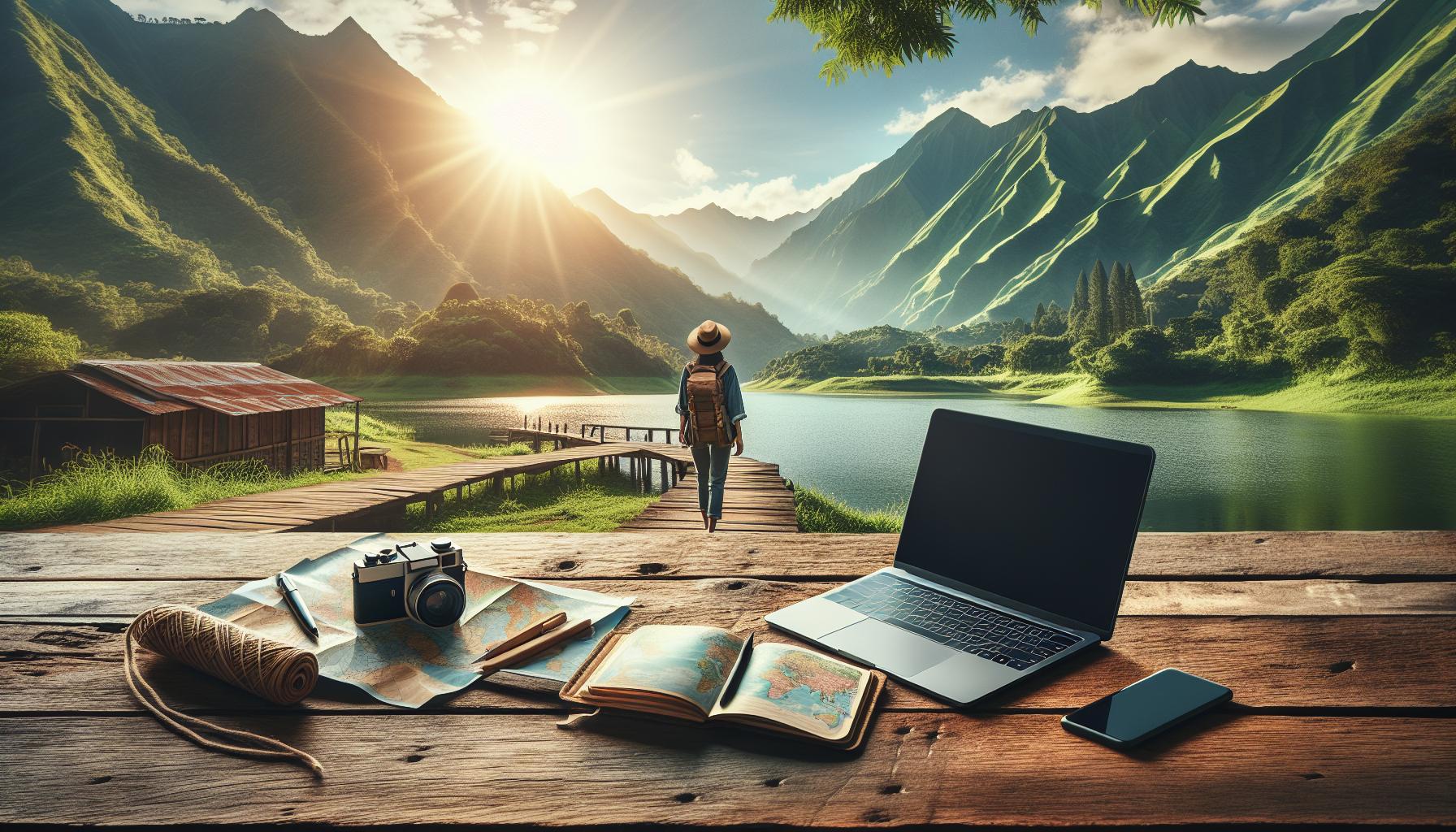
Essential Packing Tips for Solo Adventures
Packing wisely can make all the difference in your solo travel experience, helping you stay organized and prepared for whatever adventures lie ahead. As a solo traveler, you’ll want to ensure that every item you take maximizes your comfort, safety, and ability to explore without being bogged down by unnecessary baggage. Start by choosing a versatile, lightweight backpack or suitcase that can easily fit onto public transportation or snugly into tight spaces.
Essentials for Every Solo Adventure
Here are some packing essentials that can enhance your journey:
- Clothing: Pack clothing that can be mixed and matched for various occasions. Opt for breathable fabrics, which are crucial for varying climates. A light jacket can double as a layer for cooler evenings and a barrier against rain.
- Travel-sized Toiletries: Minimize your liquid items by using travel-sized containers. They’ll save space and comply with airline regulations while still keeping your hygiene routine intact.
- First Aid Kit: A basic first aid kit with band-aids, antiseptic wipes, and any personal medications is essential. You might not always have easy access to pharmacies, so it’s best to be prepared.
- Tech Gear: Don’t forget your smartphone and a portable charger. These are invaluable for navigation, translation, and keeping in touch with family and friends. Consider bringing noise-canceling headphones for a peaceful travel experience.
- Documentation: Keep copies of your passport, travel insurance, and any important contacts in more than one place. A digital backup can also save you from potential hassle.
Smart Packing Techniques
When packing, employ techniques like rolling your clothes instead of folding them. This not only saves space but also reduces wrinkles. Compress your clothing using packing cubes to stay organized, allowing you to pull out what you need without rummaging through your entire bag. It can also help you keep dirty and clean clothes separate.
Another effective tip is to use the empty spaces within your luggage. Stuff socks into shoes, or tuck your chargers in between clothes. This ensures that no space goes unused and keeps your necessities easily accessible. Remember, traveling solo means you may have to carry your luggage, so minimizing weight while maximizing utility will empower your adventure.
By being deliberate about your packing, you can focus on immersing yourself in new experiences, forging connections with other travelers, and embracing the spontaneity that solo travel offers. With the right essentials and strategies in hand, you’re well on your way to an epic journey filled with discovery and adventure.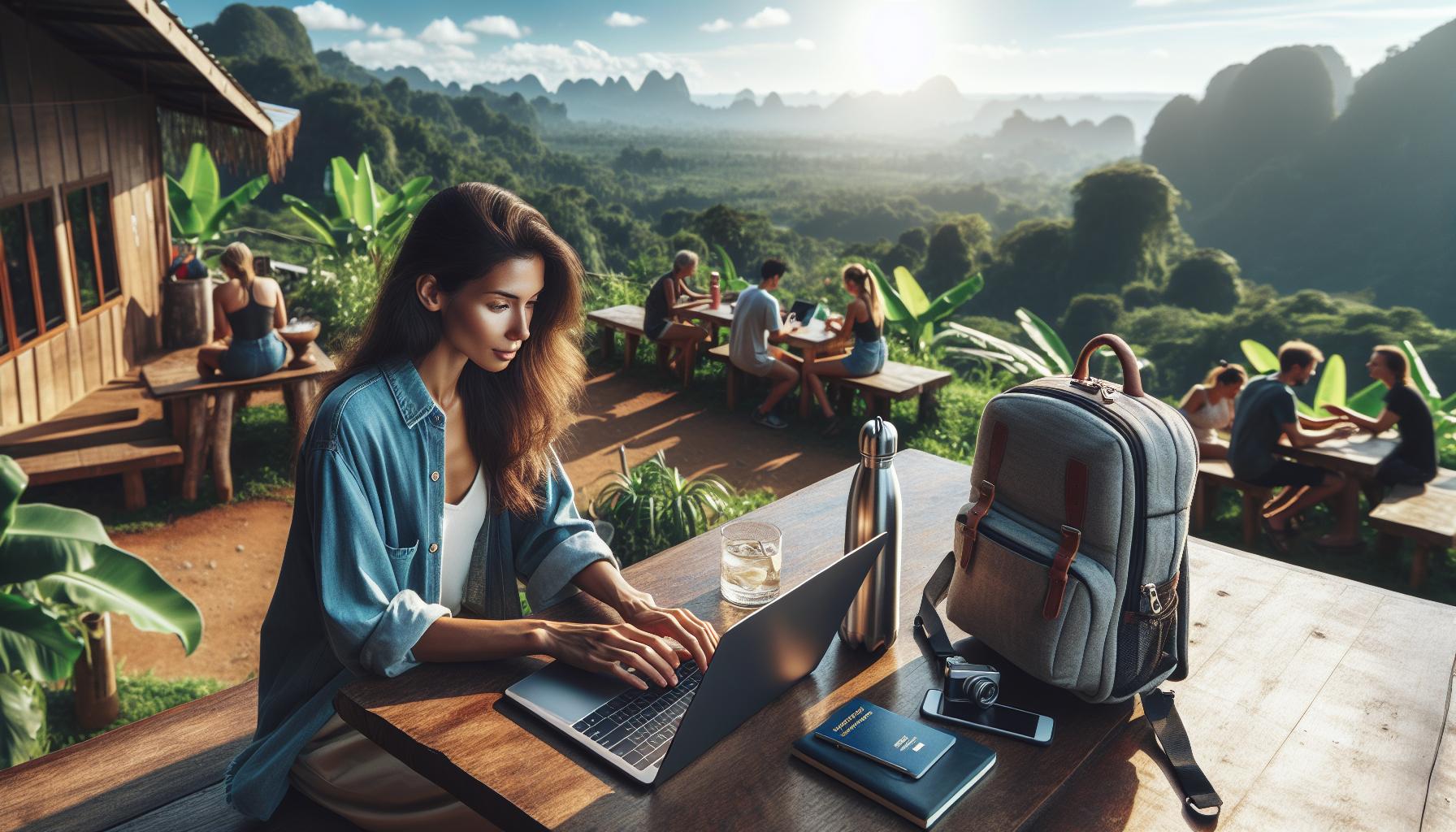
Navigating Transportation on Your Own
Navigating a new city or country as a solo traveler can be both exciting and overwhelming. With the right strategies, you can transform what may seem like a daunting challenge into an empowering adventure. Recognizing local transportation options and how to efficiently utilize them is crucial for maximizing your experience and ensuring safety as you explore your surroundings.
Start by familiarizing yourself with the primary modes of transport available in your destination. Cities often have a varied transport system that includes buses, trains, trams, and rideshare services. A good first step is to download public transport apps that offer real-time updates and route planning; this will help you feel more confident when navigating unfamiliar routes. For instance, apps like Google Maps or local transport apps provide detailed information on schedules and can help you avoid the common pitfall of getting lost.
Transportation Tips for Solo Travelers
- Research Before You Go: Prior to your trip, analyze the transport options and identify the most reliable methods for getting around. Look for tourist passes which often offer unlimited travel for a set period-this is not only budget-friendly but also convenient.
- Utilize Local Bicycles or E-Scooters: Many cities offer bicycle-sharing programs and e-scooters. They can be a fun and effective way to explore while allowing you to cover more ground than walking.
- Be Mindful of Peak Hours: If you choose to use trains or buses, be aware of peak travel times. Traveling during off-peak hours can lead to a more comfortable experience, as public transportation tends to be less crowded.
- Stay Alert and Informed: As a solo traveler, it’s essential to keep your belongings secure and stay aware of your surroundings. Always sit near the driver or exits, and avoid distractions like looking at your phone while waiting for transport.
- Embrace the Local Culture: Consider joining walking tours or community rides that offer local insights. It’s a great way to meet fellow travelers and immerse yourself in the culture.
Planning your transportation ahead of time can alleviate much of the stress associated with solo travel. Additionally, being adaptable and open to new experiences can transform transportation from a logistical necessity into an integral part of your journey. Each bus ride, train journey, or bike path can introduce you to new landscapes and conversations, adding layers of experience to your solo adventure. Embrace the spontaneity of travel, and let it guide you toward unexpected discoveries!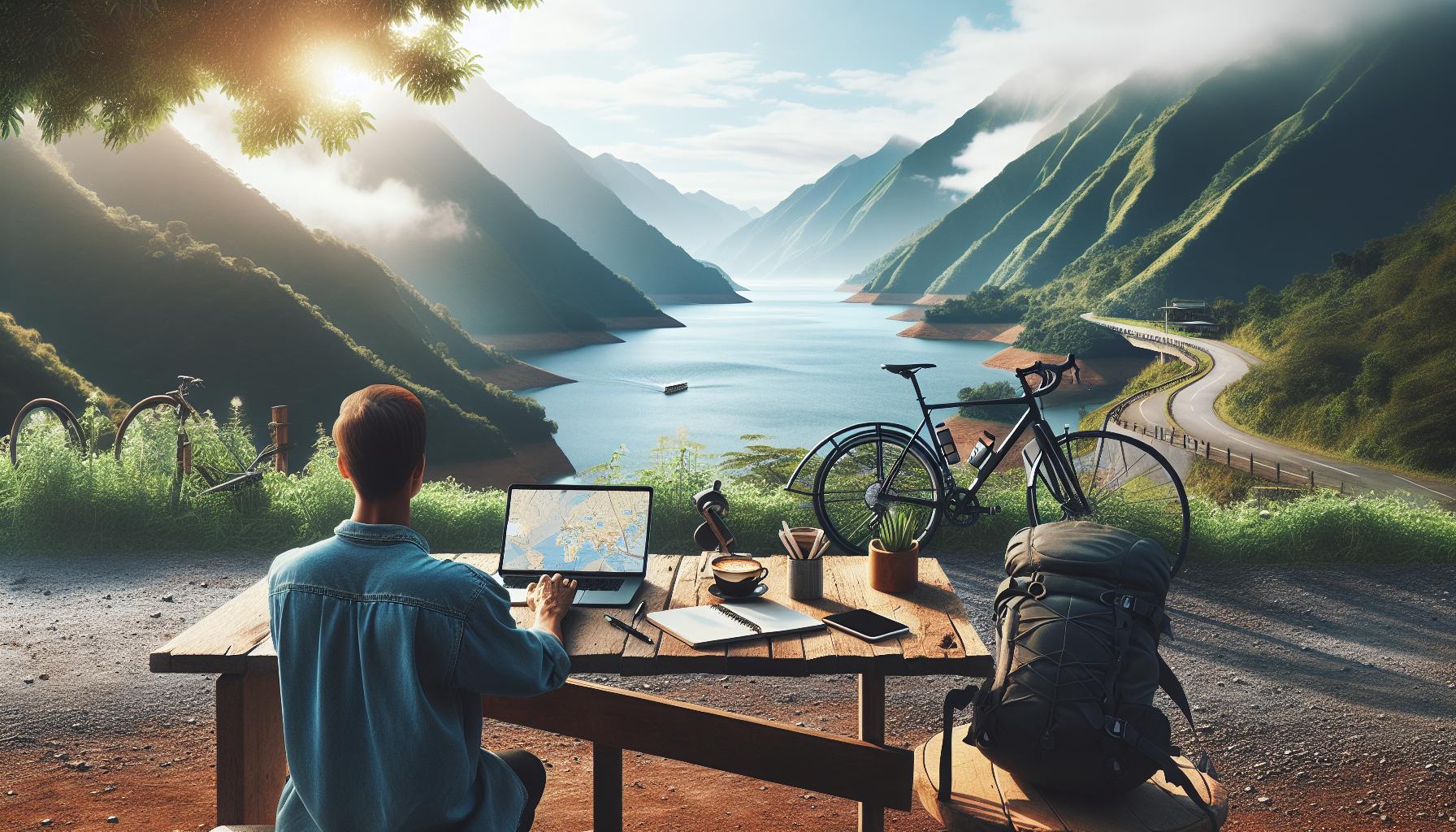
Safety First: Solo Travel Precautions
Venturing out on your own can be one of the most liberating experiences, yet it simultaneously brings about unique challenges, particularly in terms of safety. Understanding how to protect yourself while embracing new adventures is key to a successful solo trip. Awareness of your surroundings, planning ahead, and trusting your instincts can transform feelings of vulnerability into a confident, self-assured exploration.
One of the most effective strategies you can employ is to research your destination thoroughly before your arrival. Familiarize yourself with the local customs, areas to avoid after dark, and emergency contact numbers. Create a mental map of safe places such as hotels, busy streets, and public spaces where you can retreat if you ever feel uncomfortable. Keeping abreast of current events in your destination can also alert you to any potential areas of unrest or safety concerns.
Practical Safety Tips for Solo Travelers
- Keep Your Valuables Secure: Use anti-theft bags or conceal your valuables, and avoid displaying expensive items such as jewelry or electronics in public. A money belt worn under your clothes can be a discreet way to keep cash and important documents safe.
- Stay Connected: Ensure your phone has a local SIM card or an international plan to easily access maps, contact friends or family, and reach out for help if needed. Apps like Find My Friends or location-sharing tools can allow trusted contacts to know your whereabouts.
- Trust Your Instincts: Your intuition is your best guide when traveling solo. If a situation doesn’t feel right, don’t hesitate to leave. Whether it’s a location or a person, it’s always better to prioritize your safety over politeness.
- Use Reputable Transportation: Opt for well-reviewed rideshare services, official taxis, or reliable public transportation. Make sure to verify the driver’s identification before getting in and to share your route with a friend in real-time.
- Meet in Public Places: If you’re planning to meet locals or fellow travelers, always choose busy, public locations rather than secluded spots. Coffee shops, parks, or tourist attractions can provide a safer atmosphere for socializing.
Awareness in social situations is just as crucial. Watch the dynamics around you when interacting with locals or fellow travelers, ensuring positive engagement rather than placing yourself in vulnerable positions. Group outings or tours can offer structure and camaraderie, providing both safety in numbers and the opportunity to connect with others. By taking proactive steps, you can navigate the world confidently and enjoy the transformative journey that solo travel offers, all while maintaining your safety and well-being.
Budgeting Tips for Affordable Solo Trips
Traveling solo doesn’t have to break the bank; in fact, with careful planning, you can experience a world of adventure without spending a fortune. Budgeting for affordable solo trips involves not just saving money but also being strategic about where and how you travel. By making informed choices, you can fill your journey with enriching experiences while keeping your expenses in check.
Start by identifying your overall travel budget, which should include transportation, accommodation, food, activities, and unexpected costs. Prioritize your spending based on what matters most to you. For instance, some solo travelers may prefer splurging on unique experiences like guided tours or cooking classes while opting for budget accommodations. Use travel budgeting apps to track your expenses in real time, which can help you adjust your plans on the fly to avoid overspending.
Airfare can be one of the largest expenses on your trip, so hunt for deals well in advance. Consider flying during off-peak times, using flexible date search tools, or setting fare alerts for your desired destinations. Additionally, consider alternative airports or nearby cities for potentially cheaper airfare. Once you arrive, utilize public transportation instead of taxis or rideshares to keep travel costs low. Many cities offer tourist passes that provide discounted access to attractions and public transport, which can also save you money.
When it comes to accommodation, look for options beyond traditional hotels. Hostels, guesthouses, or homestays often provide a great opportunity to meet fellow travelers, and platforms like Airbnb can offer budget-friendly rental alternatives. Make the most of shared facilities by preparing some of your own meals, which not only saves money but allows you to engage with other travelers over communal cooking experiences. Lastly, always leave room in your budget for spontaneous activities that could enhance your journey; these unplanned experiences are often the most memorable parts of solo travel.
By approaching your travel plans with a thoughtful budgeting strategy, you can embark on solo adventures that are not just memorable but also economically friendly, allowing you to explore more destinations and embrace the freedom that comes with being a solo traveler.
Mastering Solo Dining Experiences
Dining solo can be one of the most rewarding aspects of travel, allowing you to savor not just the flavors of a destination but also the experience of enjoying meals at your own pace. Embrace the opportunity to explore local cuisine, engage with the culture, and perhaps even spark conversations with fellow diners. Whether you’re at a bustling café, a serene restaurant, or a street food stall, mastering the art of solo dining can elevate your travel experience.
To fully enjoy your solo dining adventures, consider seeking out communal tables, which naturally encourage interaction with others. Many restaurants and eateries have these setups where guests can share experiences and possibly even make new friends. If you’re feeling adventurous, opt for foods that require some engagement, like hot pots or interactive dining experiences, where you can meet others who might be in the same boat as you. Always remember that solo dining is a celebration of autonomy – relish the freedom to order everything you want without compromise!
When selecting where to eat, look for restaurants known for their welcoming atmospheres. Reading reviews or using apps like Yelp or TripAdvisor can provide insight into which places are friendly to solo travelers. Additionally, embrace the street food culture in locations renowned for it. Not only is street food often a more affordable option, but it also offers a genuine taste of the locale, allowing you to enjoy diverse flavors while people-watching.
Tips for Enjoying Meals Alone
- Choose casual spots: Opt for places where the dining experience is relaxed and informal. Cafés, food markets, and casual diners are usually welcoming to solo diners.
- Bring a book or journal: If you’re uncomfortable being alone, carry a book or a travel journal. This can provide comfort and also spark conversations with curious diners.
- Experiment with local dining customs: Engage with local meals, whether that means partaking in a traditional tea ceremony or trying foods native to the region. It’s an adventure in itself!
- Practice mindful eating: Use solo meals as an opportunity to practice mindfulness. Savor each bite and appreciate the flavors and textures of the dish in front of you.
Solo dining, at its core, is about embracing your own company and enjoying the moment. It’s not just about the food; it’s about the atmosphere, the people, and the memories you create along the way. So next time you travel, don’t shy away from dining alone-relish the chance to dive deeper into your culinary adventure!
Planning a Solo Itinerary: Tips and Tricks
Creating a solo travel itinerary can be an exhilarating yet daunting process, especially for first-time travelers. The key is to strike a balance between planning and spontaneity, allowing yourself enough structure to feel secure, while also leaving room for unexpected adventures that often lead to the most memorable experiences. Begin by considering your interests and what kind of experiences you wish to have, whether it’s exploring historic sites, indulging in culinary delights, or simply soaking in the local atmosphere.
To kickstart your itinerary, start with a research phase. Make use of travel blogs, forums, and social media platforms like Instagram and Pinterest to gather inspiration. Create a list of must-visit attractions, hidden gems, and local events that align with your interests. This will not only help you visualize your trip but also ensure that your itinerary reflects your unique style as a solo traveler.
Next, use a digital map to plot these locations. By visually organizing your destinations, casual patterns may emerge, revealing routes that can save you time and enhance your experience. Pay attention to opening times and potential travel restrictions to avoid disappointments. A practical tip is to group sites by proximity, optimizing your days based on geographic clusters. For instance, if you’re visiting a city with a vibrant market scene, plan to explore multiple markets in one day, leaving room the next for museums or parks.
Flexibility is Key
While a planned itinerary provides direction, it’s crucial to remain flexible. Consider creating a rough daily outline rather than a rigid schedule. Allocate time slots for activities but allow yourself to deviate if something captivating catches your eye. Incorporating downtime is also essential, giving you the opportunity to relax or engage with locals. Engaging in spontaneous activities can lead to meaningful interactions and experiences that wouldn’t have been possible on a tightly scheduled trip.
Sample Itinerary Structure
- Morning: Visit a popular attraction (e.g., museum, landmark).
- Lunch: Explore a local café or street food market.
- Afternoon: Join a guided walking tour or attend a workshop (e.g., cooking class).
- Evening: Enjoy a sunset view or participate in a local event.
By creating a solo itinerary with thoughtful planning and inherent flexibility, you empower yourself to navigate your journey confidently. This structure not only maximizes your travel experience but also embraces the spirit of adventure that solo traveling embodies. Remember, the journey is about making connections with the world and yourself, so immerse fully in each moment that arises!
Travel Insurance: Why It Matters for You
When embarking on a solo adventure, ensuring you have the right travel insurance is paramount for peace of mind and safety. Travel insurance acts as a safety net for unforeseen events, whether it’s a medical emergency, trip cancellation, or lost belongings. Consider this: a sudden illness or accident in a foreign country could result in hefty out-of-pocket medical expenses, which could easily derail your journey. In fact, some countries require proof of insurance before they allow travelers to enter. The advantages of having this safeguard when traveling alone cannot be overstated.
One of the crucial aspects of travel insurance is its flexibility in coverage options, allowing you to tailor it to your specific needs. Here are some essential components to consider when selecting a policy:
- Medical Coverage: This covers hospital visits, emergency treatments, and sometimes evacuation. It’s essential for any traveler, especially solo explorers who may be far from a healthcare facility.
- Trip Cancellation: If you have to cancel your trip for a covered reason (like illness or family emergencies), this can help recoup prepaid expenses.
- Lost or Delayed Luggage: Protection against lost bags or delayed arrivals can help you reclaim essential items or even provide a monetary allowance to purchase replacements.
- Personal Liability: This covers damage you might unintentionally cause to others or their property, which can be especially significant for solo travelers navigating unfamiliar environments.
While it may seem like an additional cost on your trip budget, consider it an investment in your overall experience. Overlooking travel insurance may save you money in the short term but could lead to serious financial and emotional stress later. A simple example can illustrate this point: a solo traveler in Thailand fell ill and required hospitalization. With the right insurance, his medical expenses, which amounted to thousands of dollars, were covered, allowing him to focus on recovery without the added burden of financial strain.
To ensure you choose the best plan, take the time to compare different providers and policies. Look for reviews, check for any exclusions in coverage, and consider reaching out to customer service to gauge their responsiveness. Ultimately, equipping yourself with travel insurance opens doors to greater freedom and adventure, allowing you to fully immerse yourself in your journey with confidence-because you’re covered, no matter what comes your way.
Managing Solo Travel Anxiety and Fear
Traveling solo can be one of the most liberating experiences, but it often comes with its own set of anxieties and fears. Whether it’s the fear of getting lost, encountering language barriers, or simply feeling lonely, these feelings are natural and shared by many solo adventurers. By acknowledging these anxieties and developing strategies to manage them, you can unlock a journey filled with confidence and discovery.
To combat feelings of anxiety, preparation is key. Take time to research your destination thoroughly. Familiarize yourself with local customs, common phrases, and transportation options. Knowing your way around a city can dramatically reduce feelings of uncertainty. Try creating a basic itinerary that outlines your plans, including key landmarks and activities. This structured approach can ease the worry of aimlessness and give you a sense of direction.
Another effective strategy is to nurture a positive mindset. When anxiety arises, practice grounding techniques such as deep breathing or visualization to reframe negative thoughts. Remind yourself of the intentions behind your travel-whether it’s to explore new cultures, gain independence, or simply enjoy solitude. Journaling your thoughts before and during your trip can also help to process emotions and reinforce a positive outlook.
Building connections can transform feelings of isolation into community. Consider staying in hostels or joining group tours where you can meet fellow travelers. Attending local classes or workshops offers a chance to interact with both locals and other travelers, providing social opportunities that can enrich your experience. Remember, it’s perfectly okay to seek out like-minded individuals during your stay; many solo travelers appreciate the camaraderie.
Lastly, equipping yourself with practical tools can empower you to face fears head-on. Download offline maps and translation apps to navigate easily, and stay connected with friends and family through social media or messaging apps. Keeping loved ones updated not only enhances security but also fortifies your confidence, knowing that support is just a message away. By implementing these strategies, you can manage solo travel anxiety effectively and make the most of your adventure, embracing each moment with open arms.
Leveraging Technology for Your Journey
In an age where technology is at our fingertips, leveraging it during solo travel can transform your journey from daunting to delightful. The right tools can enhance your experience, making navigation easier, connections more accessible, and your overall adventure safer. Whether you’re venturing into the bustling streets of a new city or exploring serene landscapes, embracing technology is key to maximizing your insights and enjoyment.
By utilizing several essential apps and devices, you can streamline your travel experience. Start with navigation tools like Google Maps or Citymapper, which not only offer directions but also provide real-time public transport information and walking routes. These can be lifesavers in unfamiliar environments, allowing you to explore without the fear of losing your way. For language barriers, apps like Duolingo or Google Translate can help you communicate with locals, making your interactions richer and more meaningful. Don’t forget to download offline versions of these maps and translation services before you leave, ensuring you remain connected even in areas with limited internet access.
Remember, staying connected is crucial for both safety and socializing. Consider using messaging apps such as WhatsApp or Signal to keep in touch with family and friends, letting them know your whereabouts. This not only provides peace of mind for both you and your loved ones but can also create opportunities for spontaneous meet-ups with fellow travelers or locals if they happen to be nearby. Additionally, social platforms like Meetup or Couchsurfing can help you find local events or gatherings tailored for travelers, allowing you to forge new friendships during your trip.
Furthermore, technology can enhance your safety. Apps such as Life360 can track your location and share it with select contacts, providing an extra layer of security when exploring solo. Password managers like LastPass or Dashlane secure your accounts and personal information, while VPN services protect your privacy online, especially when using public Wi-Fi networks. By integrating these tools into your travel routine, you’ll navigate independence with confidence, making the most of every adventure.
Transformative Experiences From Traveling Alone
Traveling alone is often described as a transformative experience, opening doors to self-discovery, personal growth, and unforgettable moments that can shape one’s outlook on life. When you venture into new territories without the comfort of familiar company, you’re catapulted into situations where adaptability is key, and every choice you make is a step towards a more profound understanding of yourself and the world around you.
One of the most enriching aspects of solo travel is the opportunity for reflection. As you explore a new city-be it the vibrant streets of Tokyo or the serene beaches of Bali-you’re encouraged to pause, soak in your surroundings, and think deeply about your experiences. Instead of conversing with a travel companion, you may find yourself engaging in meaningful dialogues with locals or simply enjoying your own company while observing the culture around you. This solitude can lead to insightful realizations-about your desires, dreams, or even fears-that may have felt obscured back home.
Moreover, solo travel fosters resilience and confidence. Navigating transportation systems in foreign cities, ordering food in a different language, or making spontaneous decisions about your itinerary push you out of your comfort zone. Every accomplishment, no matter how small, contributes to a growing sense of independence and resourcefulness. For instance, getting lost in a bustling market might initially feel daunting, yet it can catalyze a sense of adventure that transforms an ordinary day into an extraordinary memory-one that reaffirms your ability to navigate the complexities of life on your own terms.
As you venture outward, the connections you build can be equally transformative. Meeting other solo travelers along the way or striking up conversations with locals can lead to unexpected friendships and stories that enrich your journey. Each interaction can shift your perspective and expose you to diverse worldviews, allowing you to step outside of your own paradigms. Embracing the unexpected-whether it’s a chance encounter at a café or an invitation to a local festivity-often results in the most memorable experiences of your journey.
In essence, the act of traveling alone is not just about discovering new places-it’s also about discovering who you are. The rich tapestry of experiences you gather, combined with the freedom to make your own choices, can lead to profound growth and a sense of fulfillment that resonates long after your journey concludes. Whether you emerge with new friendships, cherished memories, or a reinforced sense of self, the transformative power of solo travel is an invitation to step boldly into the world and embrace all that it has to offer.
Frequently Asked Questions
Q: What are the best countries for solo travel?
A: The best countries for solo travel include Japan for its safety and efficiency, Iceland for stunning landscapes and community vibes, and New Zealand for adventure and friendliness. Explore local cultures, engage with other travelers, and enjoy unique experiences in these welcoming destinations.
Q: How can solo travelers meet people while traveling?
A: Solo travelers can meet people by staying in hostels, joining group tours, attending local events, or using social apps like Meetup. Engaging in activities like classes or workshops also fosters connections, making travel social and enriching.
Q: What are some solo travel hacks for first-timers?
A: First-time solo travelers should research destinations thoroughly, plan itineraries with flexibility, pack light, and use technology for navigation and communication. Consider taking guided tours or classes to build confidence and explore safely.
Q: What should I do if I feel lonely while traveling solo?
A: If you feel lonely while traveling solo, try reaching out to fellow travelers or locals through social media or travel forums. Engaging in group activities, volunteering, or attending events can help you make connections and enhance your experience.
Q: How can solo travelers ensure their safety?
A: Solo travelers can ensure safety by staying aware of their surroundings, keeping valuables secure, using trusted transportation options, and sharing itineraries with friends or family. Familiarizing yourself with local customs and emergency contacts also boosts security.
Q: What are some tips for solo dining experiences?
A: To enjoy solo dining, choose restaurants with communal seating or bar areas. Bring a book or journal to keep yourself occupied, and don’t hesitate to talk to staff or other diners. Trying local specialties enhances the experience as well.
Q: How do I handle emergencies while traveling solo?
A: Handle emergencies by carrying a local emergency contact list, including your embassy, and having a basic understanding of the local language. Stay connected through your phone and consider carrying a portable charger for critical moments.
Q: When is the best time for solo travel?
A: The best time for solo travel typically depends on the destination. Off-peak seasons offer lower prices and fewer crowds, while specific events or festivals can enhance your cultural experience. Research your chosen location’s climate and events for optimal timing.
In Summary
As you embark on your solo journey, remember that the world is full of opportunities waiting for you to explore. From discovering stunning locations to mastering essential travel hacks, the insights shared here will equip you for a memorable adventure. Don’t let uncertainty hold you back-embrace the freedom that comes with solo travel, and dive into new experiences with confidence.
For more expert tips, check out our articles on [[1]]travel safety essentials and [[2]]budget-friendly accommodations for solo explorers, ensuring you make the most of every trip. If you’re ready to take the next step, consider signing up for our newsletter to receive the latest travel advice and exclusive resources tailored to your nomadic lifestyle. Your epic adventure awaits-start planning today and connect with fellow travelers in the comments below. Let’s explore together!