Imagine sipping your morning coffee while watching the sunrise over a remote mountain range, all powered by the sun. With a solar power system for your travel trailer, this dream can become a reality, empowering you to explore off-grid locations without sacrificing comfort or convenience.
Solar energy isn’t just a sustainable choice; it’s a gateway to freedom and adventure. As a nomad or weekend warrior, having a reliable source of power allows you to charge devices, run appliances, and enjoy the comforts of home no matter where you park your trailer. This guide will dive into the essentials of setting up a solar system that meets your unique needs, ensuring you can travel anywhere with confidence and independence. Whether you’re a seasoned traveler or embarking on your first journey, the information ahead will equip you with practical insights to enhance your off-grid experience. Get ready to embrace a lifestyle of freedom and flexibility!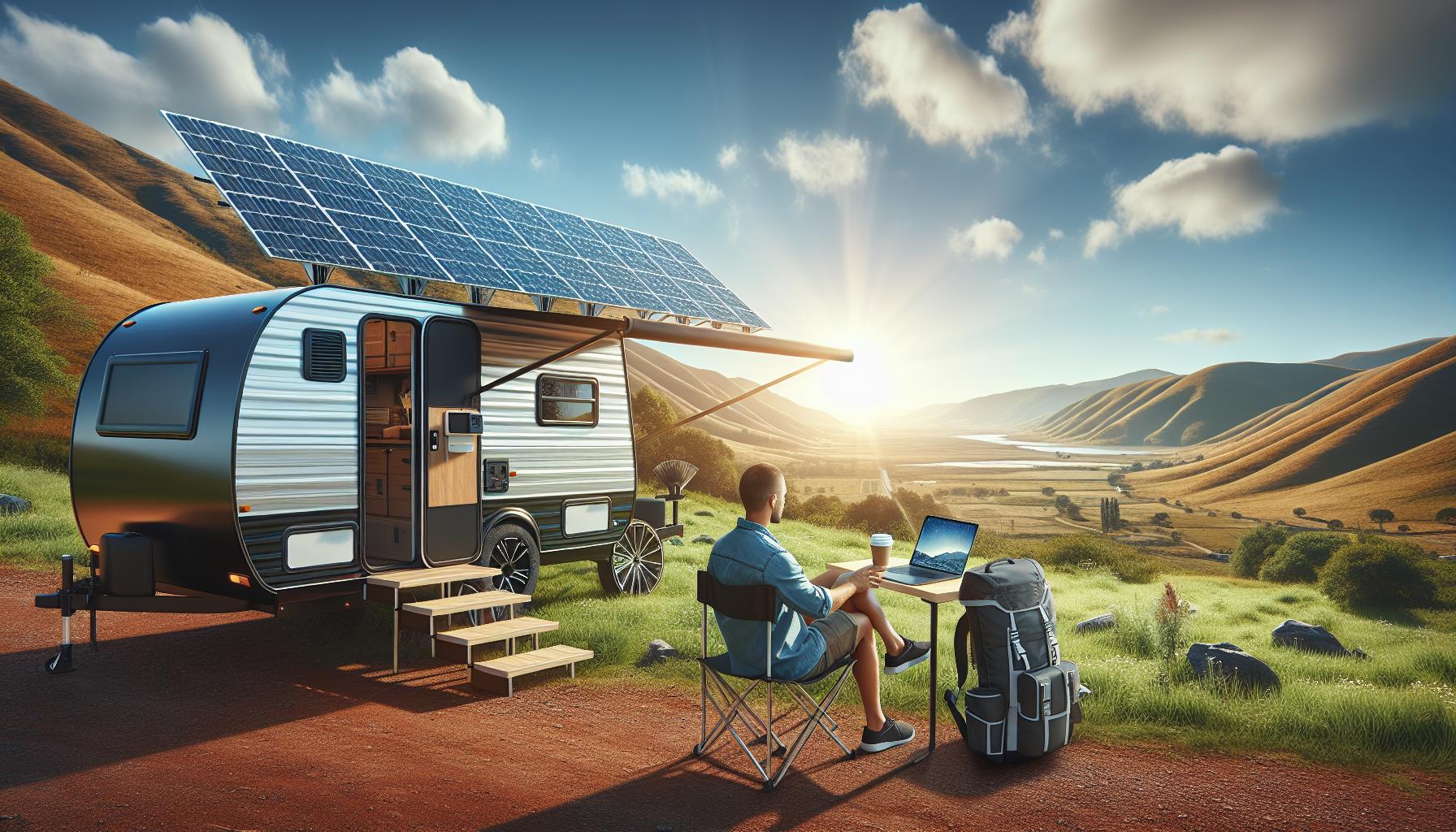
Choosing the Right Solar Power System for Your Travel Trailer
can define your off-grid experience, transforming your journeys into sustainable adventures. With the growing popularity of solar energy and innovations in technology, it’s more accessible than ever to harness the power of the sun, allowing you to explore remote destinations without sacrificing comfort or convenience. Essential factors to consider include your energy needs, the type of solar equipment available, and your budget.
Assessing Your Energy Needs
Before diving into equipment options, accurately assessing your energy consumption is crucial. Create a list of the devices you’ll use regularly, such as lights, refrigerators, fans, and electronics. Determine their wattage and how many hours a day you’ll operate them. For example, if you have four LED lights (10W each) that you use for 5 hours daily, that’s 200Wh per day. Add up the watt-hours for all devices to find your total daily energy requirement.
Selecting Solar Equipment
Once you have a clear picture of your energy needs, the next step is selecting appropriate equipment. Solar power systems typically consist of solar panels, a charge controller, batteries, and an inverter. Consider the following when choosing your components:
- Solar Panels: The size and number of panels should match your energy consumption. A common setup for a small to medium travel trailer is between 200W to 600W of solar capacity.
- Charge Controller: This device regulates the voltage and current from the solar panels to your batteries. A MPPT (Maximum Power Point Tracking) controller is more efficient than a PWM (Pulse Width Modulation) controller, yielding better performance in varying light conditions.
- Batteries: Choose between lead-acid and lithium batteries. Lithium batteries, while pricier, are lighter and can be discharged deeper without damage. If weight and space are limited, lithium options may offer greater flexibility.
- Inverter: If you plan to use AC appliances, an inverter is necessary to convert DC from your batteries to AC. Ensure it has sufficient power to handle your devices.
By aligning your energy requirements with the right solar components, you can build an effective system tailored to your adventures. Embrace the freedom that comes with off-grid living, and equip your travel trailer to help you explore the great outdoors comfortably and sustainably. With the right setup, you’ll find that the journey is just as rewarding as the destination itself.
Key Components of a Solar Power Setup
Harnessing solar energy can turn your travel adventures into limitless explorations, providing the autonomy to wander off the beaten path without worrying about power sources. As you equip your travel trailer for off-grid living, understanding the is essential for a successful and fruitful experience. These components work together to convert sunlight into electricity, ensuring you can enjoy your journey in comfort while minimizing your environmental impact.
Essential Components of a Solar Power Setup
To create a robust solar power system for your travel trailer, you’ll need four main components: solar panels, a charge controller, batteries, and an inverter. Each of these plays a pivotal role in ensuring a seamless flow of power from the sun to your devices.
- Solar Panels: Your journey begins with solar panels, the heart of your system. They capture sunlight and convert it into electricity. For travel trailers, a system typically requires between 200W to 600W of solar capacity based on your energy needs. Flexible, lightweight panels can be ideal for maximizing mounting options.
- Charge Controller: This vital component regulates the voltage coming from the solar panels to prevent the batteries from overcharging. A Maximum Power Point Tracking (MPPT) charge controller is a smart choice as it optimizes the energy output, significantly enhancing efficiency, especially in variable weather conditions.
- Batteries: Storing energy is crucial for off-grid living, and your choice of battery can make a big difference. Lithium batteries are becoming increasingly popular due to their lighter weight, longer lifespan, and ability to discharge more of their capacity without damage. If you have limited space in your trailer, lithium options may be worth the investment despite their higher upfront cost.
- Inverter: If you plan to power AC appliances, an inverter will convert the stored DC power from your batteries to AC. Ensure you select one with enough wattage to handle your specific devices. Having a pure sine wave inverter will also ensure that your sensitive electronics run smoothly.
Incorporating these key components effectively enables you to outline a solar power system tailored to your trailer and energy needs. The freedom of being off-grid fosters a sense of adventure, inviting you to explore remote landscapes, camp under the stars, and create unforgettable memories while embracing sustainable travel practices. Whether you’re a seasoned nomad or a first-time traveler, equipping your setup thoughtfully allows you to confidently forge your path, ensuring that your adventures continue uninterrupted.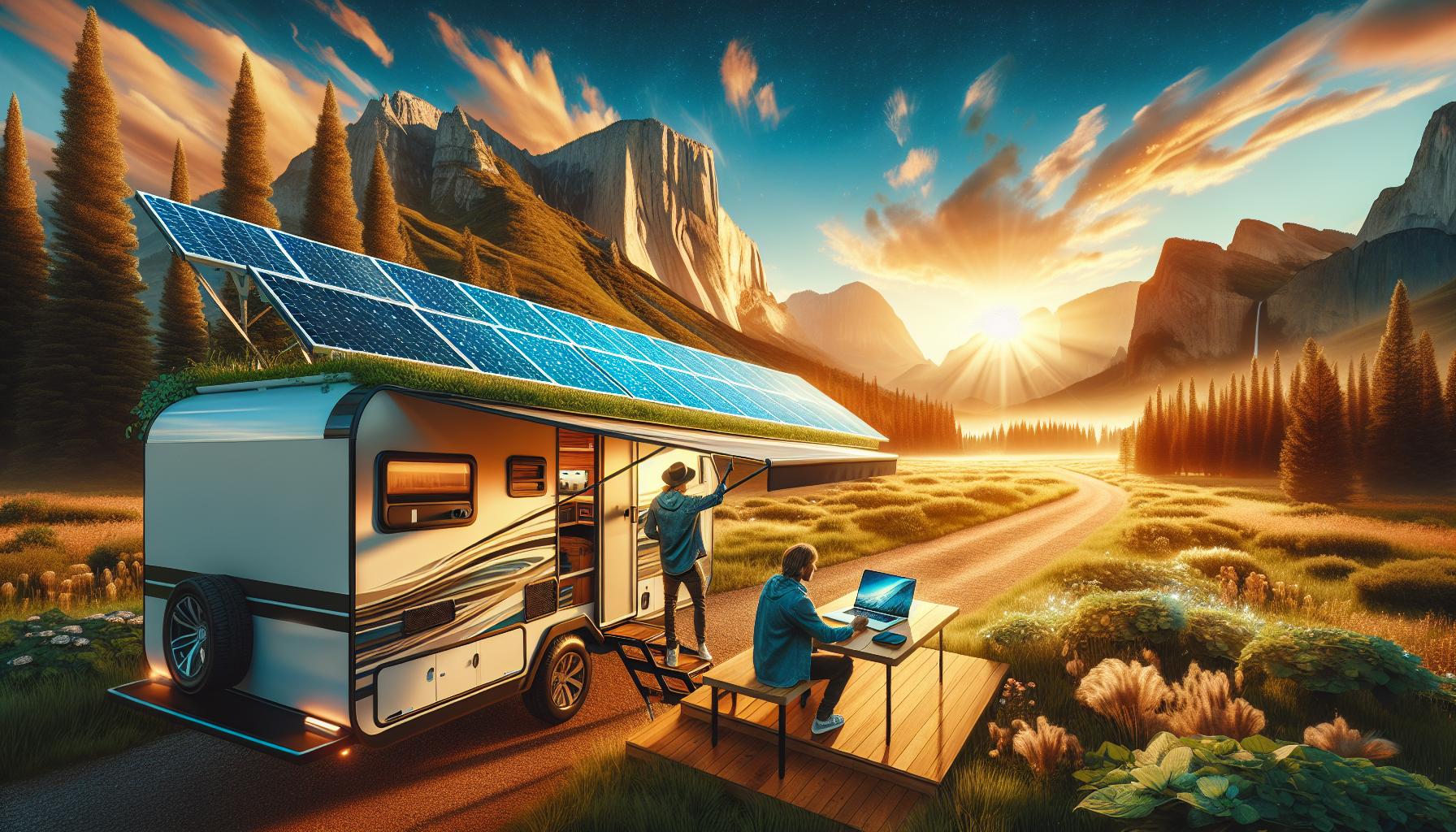
Step-by-Step Guide: Installing Solar Panels on Your Trailer
Installing solar panels on your travel trailer isn’t just a practical way to harness the sun’s energy; it can also transform your off-grid adventures into unforgettable experiences. With the right setup, you can enjoy the freedom to roam while keeping your devices charged and your living space comfortable. This step-by-step guide will walk you through the essentials of installing solar panels, making your journey towards self-sufficiency smoother and more enjoyable.
Start by gathering your materials. You’ll need solar panels, a charge controller, mounting brackets, wiring, and connectors. Depending on your energy needs, choose panels with a combined wattage that meets or exceeds your requirements. Before installation, scout your trailer’s roof for the most advantageous mounting location, ensuring the area gets ample sunlight without obstructions.
Next, mount the solar panels. If your panels come with mounting brackets, position them on the trailer roof, ensuring they are both secure and angled for maximum sun exposure. Use a drill and screws to attach the brackets, paying close attention to weatherproofing to prevent leaks. Once the brackets are in place, securely attach the solar panels.
With the panels mounted, it’s time to connect the wiring. Start by running the wires from the solar panel junction box down through a vent or hole in the roof – make sure to seal any gaps to maintain your trailer’s integrity. Connect the positive and negative leads from the panels to the charge controller, following the manufacturer’s instructions carefully. Remember, polarity matters: connecting the wires incorrectly can damage your system.
Finally, connect the charge controller to your battery bank, ensuring everything is tightly secured and that your electrical connections are properly insulated. Your inverter, if you’re using one, should also be connected to the battery system by following specific instructions to power your AC devices safely. Once all connections are made, double-check everything, turn the system on, and watch as your solar adventure begins!
Embrace the thrill of going off-grid, knowing that you’ve taken a significant step toward autonomy on your travels. With solar power, every landscape you explore is your playground, allowing for spontaneous detours, late-night stargazing, and peaceful moments in nature-all powered by the sun.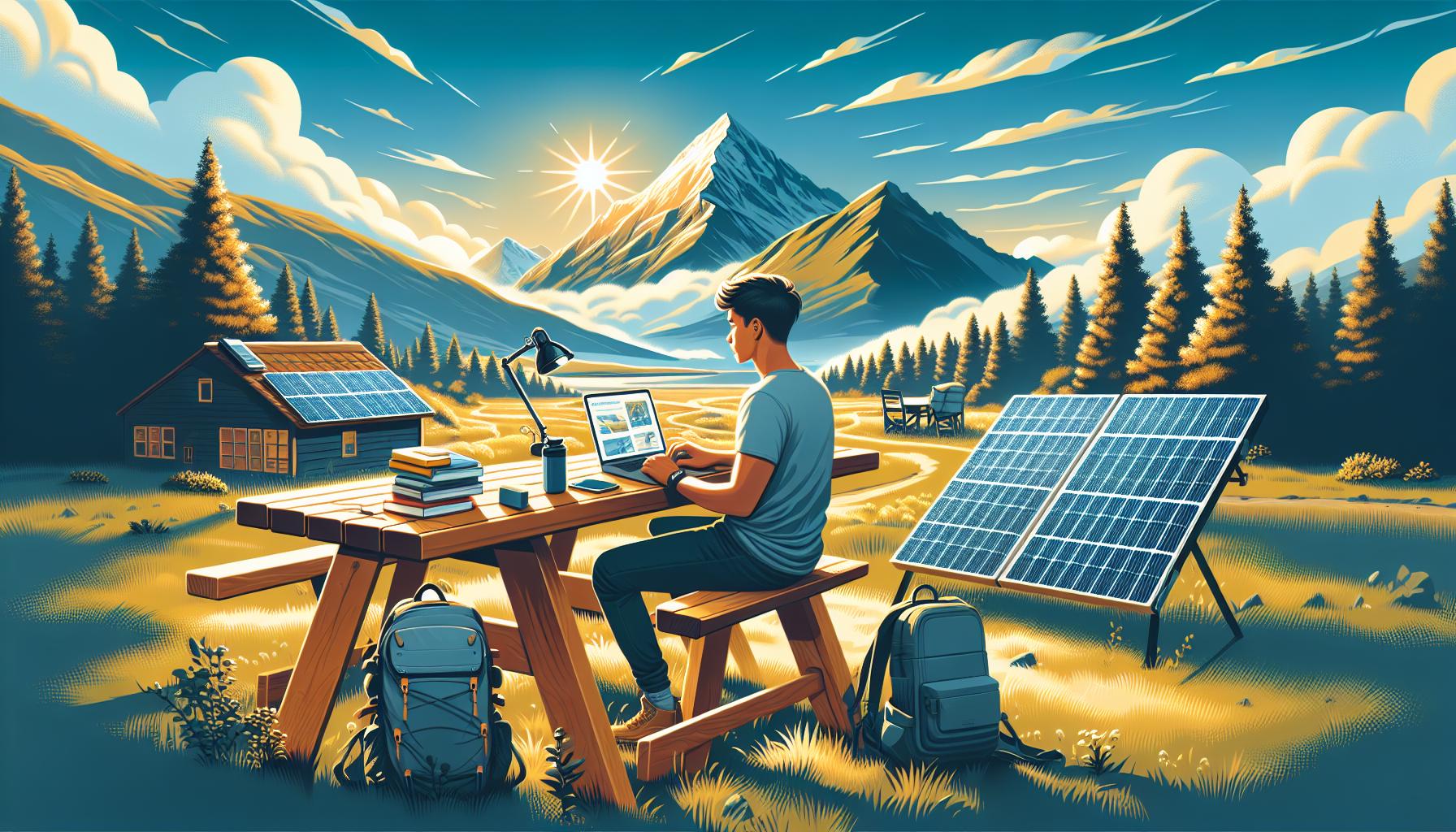
Calculating Solar Power Needs for Off-Grid Living
To thrive in off-grid living while traveling in your trailer, understanding and calculating your solar power needs is paramount. Each adventure calls for careful consideration of how much energy you’ll consume daily. This foundational step not only ensures you have enough power for your essentials but also helps you avoid running into problems during your travels-like realizing you can’t power your fridge in the middle of a remote campsite.
Begin by listing the devices and appliances you plan to use, and note their individual wattage. Common items include lights, refrigerators, water pumps, and charging devices for phones and laptops. You can find wattage details usually labeled on the appliances or in their manual. Once you know the wattage, calculate your daily energy consumption using this simple formula:
- Daily Energy Consumption (Wh) = Wattage (W) x Hours Used Per Day
Add the total wattage for all devices to get a comprehensive view of your daily power needs. For example, if you run a 60-watt light bulb for 5 hours, that’s 300 Wh just for lighting. Do this for all your devices to get the big picture.
To convert your daily energy needs into the necessary solar panel capacity, consider the average sunlight hours you expect to receive at various locations. Generally, areas get about 4 to 6 hours of full sunlight per day. Divide your total daily wattage needs by the average hours of sunlight to determine the wattage of solar panels required:
Calculating Solar Panel Wattage
| Total Daily Wh | Average Sunlight (hours) | Required Solar Panel Wattage |
|---|---|---|
| 1200 Wh | 5 hours | 240 W |
In this example, if your total daily consumption is 1200 Wh and you receive 5 hours of sunlight, you’ll need at least a 240 W solar panel system.
Don’t forget to factor in system inefficiencies, like energy loss in batteries and wiring-aim for about 25% extra capacity as a buffer. And if your travels include periods of cloudy weather, consider sizing up your solar power system even further. Ensure your setup empowers your spirit of adventure while remaining efficient and reliable, allowing you to explore stunning landscapes without the worry of powering down your essential equipment. Enjoy the freedom and excitement of off-grid living with your travel trailer, knowing you’ve intelligently calculated your solar needs for a truly independent experience.
Essential Battery Options for Solar-Powered Trailers
When embarking on off-grid adventures in your travel trailer, selecting the right battery system is as essential as choosing your solar panels. The battery acts as your power reservoir, storing energy harnessed from the sun during the day, so you can operate devices even when the sun sets or during overcast days. Understanding the various battery options available not only empowers you to make informed decisions but also enhances your ability to enjoy life on the road without worry.
The most common types of batteries for solar-powered trailers are Lead Acid, Lithium-ion, and AGM (Absorbent Glass Mat) batteries. Each type offers unique benefits, making it crucial to align your choice with your energy needs and lifestyle. For instance, Lead Acid batteries are cost-effective and widely available. However, they require regular maintenance and have a shorter lifespan compared to other options. In contrast, Lithium-ion batteries are lightweight, efficient, and can cycle more frequently without degrading. While they come with a higher initial investment, their longevity and performance make them a favorite among seasoned travelers looking for reliability. AGM batteries, on the other hand, strike a balance by having low maintenance requirements and better resistance to vibrations, making them ideal for travel trailers.
Choosing the Right Size and Capacity
Finding the right size and capacity of your battery is pivotal. The capacity you need depends on your daily energy consumption, which you calculated in the previous section. Here’s a quick guide on sizing:
- Daily Energy Needs: Calculate how much power you’ll use daily (in watt-hours).
- Battery Capacity: Aim for a battery capacity that meets or exceeds your daily needs. For instance, if your daily use is 1200 Wh, plan for a battery system with at least a 1500 Wh capacity to account for inefficiencies and allow for some reserve.
- Depth of Discharge (DoD): Lithium-ion batteries can be discharged up to 80%, while Lead Acid batteries should ideally only be discharged to 50%. This means a 2000 Wh Li-ion battery would comfortably handle your needs, but you’d require a 3000 Wh Lead Acid to achieve the same usable power.
Installing a battery management system can further enhance your battery’s efficiency, ensuring you maximize its lifespan and performance while minimizing the risk of damage. By taking these considerations into account, you’ll be well on your way to creating a reliable and efficient power setup, allowing you to focus on the joys of your off-grid lifestyle.
Managing Energy Use: Tips for Sustainable Travel
Traveling off the beaten path in a solar-powered trailer opens up a world of freedom and adventure, but it also calls for smart energy management to ensure sustainability. By adopting mindful energy habits, you can enhance your off-grid experience, reduce reliance on fossil fuels, and extend your time on the road. Simple adjustments to your daily routines can have a significant impact on energy consumption, allowing you to fully embrace the nomadic lifestyle without compromising comfort.
One effective strategy is to prioritize energy-efficient appliances and lighting. Consider switching to LED bulbs, which can reduce lighting consumption by up to 80% compared to traditional incandescent lights. In the kitchen, opt for a solar-powered refrigerator if possible, as it can significantly decrease energy draw compared to standard models. During the day, take full advantage of natural light by opening curtains and using solar panels effectively-positioning them to capture the maximum sunlight can provide ample power, especially on clear days.
To further optimize energy use, implementing a well-structured daily energy schedule can be transformative. For instance, plan to charge devices, run appliances, and use water pumps during peak sunlight hours when your solar panels are most productive. It may also be beneficial to limit high-consumption activities during the evenings or invest in a battery system that allows you to store excess solar energy generated throughout the day. Small adjustments like using a solar shower or boiling water with a kettle powered by solar energy during daylight hours can help manage usage while enjoying conveniences that make travel more enjoyable.
Lastly, consider embracing a minimalist lifestyle by consciously simplifying your travel needs. Engage in activities that necessitate minimal energy consumption, such as hiking or cooking meals that require less equipment. Remember, the essence of off-grid travel is about connecting with nature and taking a break from the hustle and bustle of modern life. By practicing these energy management strategies, you can enhance your experience while supporting a sustainable travel model that respects both the environment and your adventurous spirit.
Off-Grid Maintenance: Keeping Your Solar System Efficient
To ensure your solar power system continues to operate efficiently throughout your adventures, regular maintenance is paramount. Just as you wouldn’t skip routine checks on your vehicle before a long journey, your solar setup requires similar attention. A well-maintained system not only enhances performance but also extends the lifespan of your components, allowing you the freedom to roam with confidence and peace of mind.
Regular Inspections
Start with inspecting your solar panels at least once a month. Look for dirt, dust, or debris that can accumulate and block sunlight. A gentle wash with water and a soft cloth can significantly improve power generation. Additionally, check connections and wiring for any signs of wear or corrosion. Tighten loose connections and ensure that all components are securely fastened. Taking these small precautions can prevent potential issues before they arise.
Battery Care
Battery management is crucial for a reliable off-grid experience. Ensure that batteries are clean and terminals are free of corrosion. Depending on the type of battery (lead-acid, lithium, etc.), follow manufacturer guidelines for charging cycles and maintenance. For lead-acid batteries, check the electrolyte levels regularly and top off with distilled water as needed. Monitoring voltage levels will also help you stay ahead of performance drops, especially during extended use.
Inverter and Controller Maintenance
Your inverter and charge controller play vital roles in converting and managing power. Check these components periodically for error messages or warning lights, which can indicate performance issues. Clean vents and fans to prevent overheating and ensure that the systems operate efficiently. Refer to your particular model’s manual for specific maintenance recommendations.
By adopting a proactive approach in maintaining your solar power system, you can enjoy the beauty of off-grid living without the hassle of unexpected failures. Embrace your adventurous spirit and keep your system in optimal condition to fully experience the thrill of independent travel. This dedication to care not only elevates your travels but also reinforces a sustainable lifestyle that respects the environment while celebrating freedom.
Common Challenges and Solutions for Trailer Solar Systems
Setting out on an off-grid adventure with your travel trailer brings the promise of exploration and freedom, but there are challenges that often arise when integrating a solar power system. One common hurdle is insufficient sunlight exposure, particularly in densely wooded areas or during the winter months. To mitigate this, consider investing in adjustable solar panel mounts that allow you to change the angle of your panels to maximize sunlight capture. Additionally, familiarize yourself with the shading patterns of your surroundings to help select the best placement for your trailer.
Battery capacity is another common concern among off-grid travelers. Many find that their energy needs exceed their battery bank’s output, leading to power shortages when running multiple devices. It’s essential to calculate your energy consumption accurately before your trip. List all the appliances you plan to use, along with their wattage, to choose the right battery system. Lithium batteries, while more costly upfront, deliver higher efficiency and longer life compared to traditional lead-acid batteries, making them advantageous for those frequently on the move.
Maintenance can also pose challenges, especially for first-time users. Regular checks of cable connections, waterproofing of components, and ensuring that panels are free from dirt or debris are crucial for maintaining performance. Creating a maintenance schedule can help alleviate these concerns. An easy way to do this is to set reminders on your smartphone or use a checklist that you can keep inside your trailer. Learning to troubleshoot issues, such as checking fuses or understanding error messages from your inverter, can make a big difference in your confidence and your ability to handle minor setbacks while off-grid.
Lastly, weather fluctuations can affect not just the efficiency of your solar system but also your overall travel plans. Strategies like having a backup generator or portable power bank can ensure that you remain powered even during unexpected weather changes. Many experienced travelers recommend keeping a close eye on local forecasts and being flexible with your travel plans to better manage any unforeseen circumstances. Embrace these challenges-they’re part of your off-grid story-and with patience and preparation, you’ll find the rewards of solar-powered travel are well worth it.
Cost Breakdown: Investing in Solar for Your Adventures
Investing in a solar power system for your travel trailer may seem daunting at first, but considering the long-term benefits of energy independence can help clarify the financial landscape. The initial cost of installation might catch your attention, but your investment aligns with a lifestyle that promotes affordability, flexibility, and sustainability. On average, a complete solar setup can range from $1,000 to $10,000, depending on the complexity, size, and components you choose. Understanding what contributes to these costs can equip you to make smarter decisions while preparing for adventures off the grid.
Key Cost Factors
- Solar Panels: The core component of your system, solar panels come in various types and efficiencies, impacting the cost significantly. Monocrystalline panels tend to be more efficient and thus more expensive, while polycrystalline panels offer a more budget-friendly option with slightly lower efficiency.
- Inverter: This essential part converts DC power generated by your solar panels into AC power for your appliances. Expect to invest between $200 to $1,500 depending on your power needs and inverter type (pure sine wave vs. modified sine wave).
- Batteries: Your choice of batteries greatly affects your setup’s overall cost. Lithium batteries, with prices ranging from $700 to $2,000, are more efficient and have longer lifespans compared to traditional lead-acid batteries, which may cost between $100 and $1,000. For frequent travelers, the initial investment in lithium can lead to significant long-term savings.
- Mounting and Wiring: Don’t overlook the costs of mounting systems and wiring-these essentials can add up, typically totaling around $200 to $600, depending on complexity. Flexible mounting systems, which allow for adjustments and better energy capture, can be beneficial.
- Installation: You can opt for DIY installation to save costs or hire professionals, where fees can range from $500 to $2,000 or more. If you’re not familiar with electrical installations, enlisting an expert can ensure safety and efficiency.
Funding Your Adventure
To facilitate your transition to solar power, consider various funding options:
- Government Incentives: Check for local, state, or federal incentives for renewable energy installations. These can lower your upfront costs substantially.
- Financing Plans: Many retailers offer financing options that allow you to spread out the cost over time while enjoying the benefits of solar immediately.
- DIY Kits: If you’re handy, consider purchasing a solar kit, which typically includes all necessary components at a lower price, often with clear instructions tailored for trailer applications.
Ultimately, integrating a solar power system into your travel trailer represents not just a monetary investment but a step towards self-sufficiency and environmental stewardship. By aligning your budget with your needs and optimizing your system for efficiency, you’re setting out on an adventure filled with the freedom to roam, knowing you have the power to make the most of your journey-wherever the road takes you.
Maximizing Solar Power: Techniques and Best Practices
Embarking on adventures off the grid with a solar-powered travel trailer is not just an environmental choice; it’s an empowering lifestyle shift. To get the most out of your solar setup, it’s crucial to implement techniques that enhance energy capture and storage, ensuring you remain independent and comfortable no matter where your travels take you.
Maximize energy efficiency by strategically positioning your solar panels. Ideally, place them on the roof where they can receive maximum sunlight exposure during the day. Consider the angle of your panels; tilt them toward the sun’s path for optimal absorption, especially during morning and evening when sunlight is lower in the sky. Regularly clean your panels to remove dirt, grime, and debris that can hinder performance-this simple task can significantly boost energy output.
Utilizing energy-efficient appliances is another vital strategy in maximizing solar power. LED lights, energy-efficient refrigerators, and low-wattage devices help reduce overall power consumption, allowing your system to last longer on a single charge. Additionally, implementing a smart energy management system can help monitor usage patterns, enabling you to adjust your habits and save energy without sacrificing comfort.
To further optimize your solar power system, integrating a good battery management system allows you to monitor your battery’s state of charge and health, ensuring you’re not overcharging or running them down too low. Staying within the optimal charge range, typically between 20% to 80%, prolongs battery life significantly, making your investment last through many adventures.
Finally, consider utilizing solar-powered accessories such as portable solar chargers for personal devices or solar-powered lights. These options reduce your reliance on the primary solar system by managing smaller energy needs independently, allowing your main battery bank to support more critical systems in your trailer. By adopting a proactive and multifaceted approach to solar energy management, you can achieve a sustainable, self-sufficient lifestyle that empowers you to explore off-grid destinations without limits.
Real-Life Experiences: Tales from Off-Grid Travelers
The thrill of off-grid travel can be genuinely life-changing, with stories from fellow adventurers illuminating just how transformative a solar-powered setup can be. For instance, consider the journey of Rachel and Tom, who decided to travel the U.S. in their self-built travel trailer. After installing a robust solar power system with high-efficiency panels, they quickly realized they could boondock indefinitely at scenic sites like the Grand Canyon and Joshua Tree, simply by harnessing the sun’s energy. Their secret? They meticulously calculated their daily energy needs, ensuring their system could support comforts like a fridge, comfortable lighting, and even charging their laptops for remote work.
Another traveler, Mark, shares his experience navigating the rugged landscapes of Alaska. He emphasizes the importance of learning from trial and error when it comes to solar energy management. Initially, his setup couldn’t keep up with his energy usage during the cloudy weather common in the region. After some research, he decided to invest in a portable solar panel system that he could set up on sunny days, augmenting his fixed setup. By combining both stationary and portable panels, he maximized energy collection, allowing him to enjoy his off-grid adventure without concern about draining his batteries.
For those embarking on solo journeys, Maria’s story underscores the empowerment of independence. With her compact trailer rigged with a basic solar setup, she traveled along remote routes in the Southwest. She learned the importance of energy-efficient appliances, opting for LED lights and a small, solar-friendly fridge. Managing her energy use became a fulfilling challenge; she even developed a routine of tracking her solar input and energy output each day, which added to her travel joy. Her tips on finding public lands with minimal restrictions have turned into a resource she shares passionately with her followers online.
Through these narratives, it’s clear that while off-grid travels can pose challenges, they also offer unforgettable rewards. By tapping into the experiences and lessons learned from others, travelers can confidently create their perfect solar-powered setup, ensuring their adventures are as rewarding and seamless as possible, regardless of where the road leads.
Future Trends in Solar Technology for RVs and Trailers
As solar technology evolves, it continually expands the possibilities for off-grid living, especially for RV and trailer enthusiasts longing for adventure. With innovations emerging at a rapid pace, staying informed about future trends can profoundly enhance your travel experience. One significant movement is the development of bifacial solar panels, which capture sunlight from both sides. These panels increase the energy output significantly while being particularly effective when installed on reflective surfaces or in areas with consistent ambient light, like snowy landscapes or sandy beaches. This evolution allows travelers to harness more power without increasing the amount of physical space needed for solar installations.
Another exciting advancement is the rise of solar batteries with smart technology. Modern lithium-ion batteries now come equipped with apps that not only monitor energy consumption in real time but also optimize charging cycles based on usage patterns. This means that travelers can receive alerts about their solar input and battery status from their smartphones – enhancing both efficiency and ease of use. With such information at your fingertips, managing your energy consumption while on the road becomes intuitively straightforward.
Innovative Solar Solutions
Advancements in flexible solar panels are also transforming the landscape of solar energy for trailers. These ultra-lightweight, flexible panels can be integrated seamlessly into the design of your trailer, allowing for custom installation options that traditional panels cannot offer. You can install them on curved surfaces, ensuring that every possible inch of your travel trailer utilizes available sunlight, regardless of the terrain or environment.
Empowering technologies capable of storing surplus energy during peak sunlight hours will further enhance your off-grid capabilities. Innovations in solar charge controllers are leading to increased efficiency, reducing energy waste while optimizing battery life. By employing these technologies, RVers can confidently explore remote destinations, knowing their solar systems will adapt to changing conditions.
At the forefront, solar-powered appliances are gaining traction as well. From refrigerators to air conditioners, more options are becoming available, specifically designed for solar usage. Investing in energy-efficient appliances that are compatible with your solar power setup can significantly reduce consumption and extend your time off-grid, allowing for a more comfortable lifestyle while exploring nature’s wonders.
With these promising trends in solar technology, travelers can look forward to a future of enhanced energy independence, greater efficiency, and more opportunities for genuine exploration. Embracing these advancements ensures not only a more sustainable travel experience but also peace of mind as you embark on your next adventure, confidently powered by the sun.
Faq
Q: How do I choose the best solar power system for my travel trailer?
A: To choose the best solar power system for your travel trailer, assess your energy requirements, available roof space, and budget. Consider systems that provide enough wattage for your needs and include key components like solar panels, a charge controller, and batteries for off-grid capabilities.
Q: What are the benefits of using solar power for travel trailers?
A: Solar power offers several benefits for travel trailers, including independence from traditional power sources, lower energy costs over time, and a reduced carbon footprint. It enables off-grid travel, giving you more flexibility in choosing campsite locations.
Q: Can I install solar panels on any type of travel trailer?
A: Yes, you can install solar panels on most travel trailers, but ensure your trailer’s roof can support the system’s weight and dimensions. Check the trailer’s construction and consult manufacturers for specific compatibility and installation guidelines.
Q: What is the average cost of a solar power system for a travel trailer?
A: The average cost of a solar power system for a travel trailer can range from $1,000 to $5,000, depending on the system’s size and quality. This includes components like solar panels, batteries, inverters, and installation costs if needed.
Q: How much solar power do I need for off-grid living in my trailer?
A: The amount of solar power needed for off-grid living in a trailer depends on your energy consumption. Calculate your daily watt-hour needs and choose a solar panel system that can generate enough energy to meet those requirements, considering factors like sunlight availability.
Q: What maintenance is required for a solar power system on a travel trailer?
A: Regular maintenance for a solar power system includes cleaning the panels, checking connections and wiring, monitoring battery health, and ensuring all components are functioning properly. This upkeep helps maintain efficiency and prolongs the system’s lifespan.
Q: How do I optimize the solar energy I generate while traveling?
A: To optimize solar energy generation, position your panels toward direct sunlight, avoid shading from trees or other objects, and consider using solar panel tilt mounts for increased efficiency. Regular monitoring of your energy use helps you adjust as needed.
Q: What challenges can I face with a solar power system in a travel trailer?
A: Common challenges include limited space for panels, varying weather conditions affecting energy generation, battery management issues, and potential system component failures. Understanding these challenges can help you prepare effective solutions, ensuring reliable off-grid power.
Key Takeaways
Ready to take your travel trailer off the grid with a solar power system? Embrace the freedom and adventure that comes with harnessing the sun’s energy, giving you the power to explore any destination without limits. Whether you’re a seasoned traveler or new to the off-grid lifestyle, our resources can help you every step of the way. Don’t wait-start your journey now and check out our guides on setting up solar panels and optimizing energy usage for your travel needs.
Be sure to explore our articles on maximizing your solar investment and tips for maintaining your system to achieve peak performance. Your nomadic adventures await, and the perfect solar solution is just a click away. Have questions or want to share your experience? We’d love to hear from you! Join our community, leave a comment, and subscribe for the latest insights. Let’s power your adventures together! 🌞