Imagine waking up to the sound of rustling leaves and birds chirping, with your travel trailer fully powered by the sun. Solar panels open up a whole new world of adventure, allowing you to explore off-the-grid locations without sacrificing comfort. This guide will dive into the essentials of solar power for travel trailers, ensuring you have the knowledge to harness renewable energy wherever your journey takes you.
For travelers seeking location independence, having a solid off-grid power solution is key. Solar panels not only provide a sustainable energy source but also reduce reliance on noisy generators and fluctuating fuel prices. Whether you’re a seasoned road warrior or a first-time camper, integrating solar technology into your travel setup can enhance your experiences and simplify your adventures.
Join us as we unravel the ins and outs of solar panels for travel trailers, from installation tips to power management strategies, empowering you to chase your wanderlust with confidence and freedom. Together, we’ll make every mile an opportunity for exploration, comfort, and sustainability.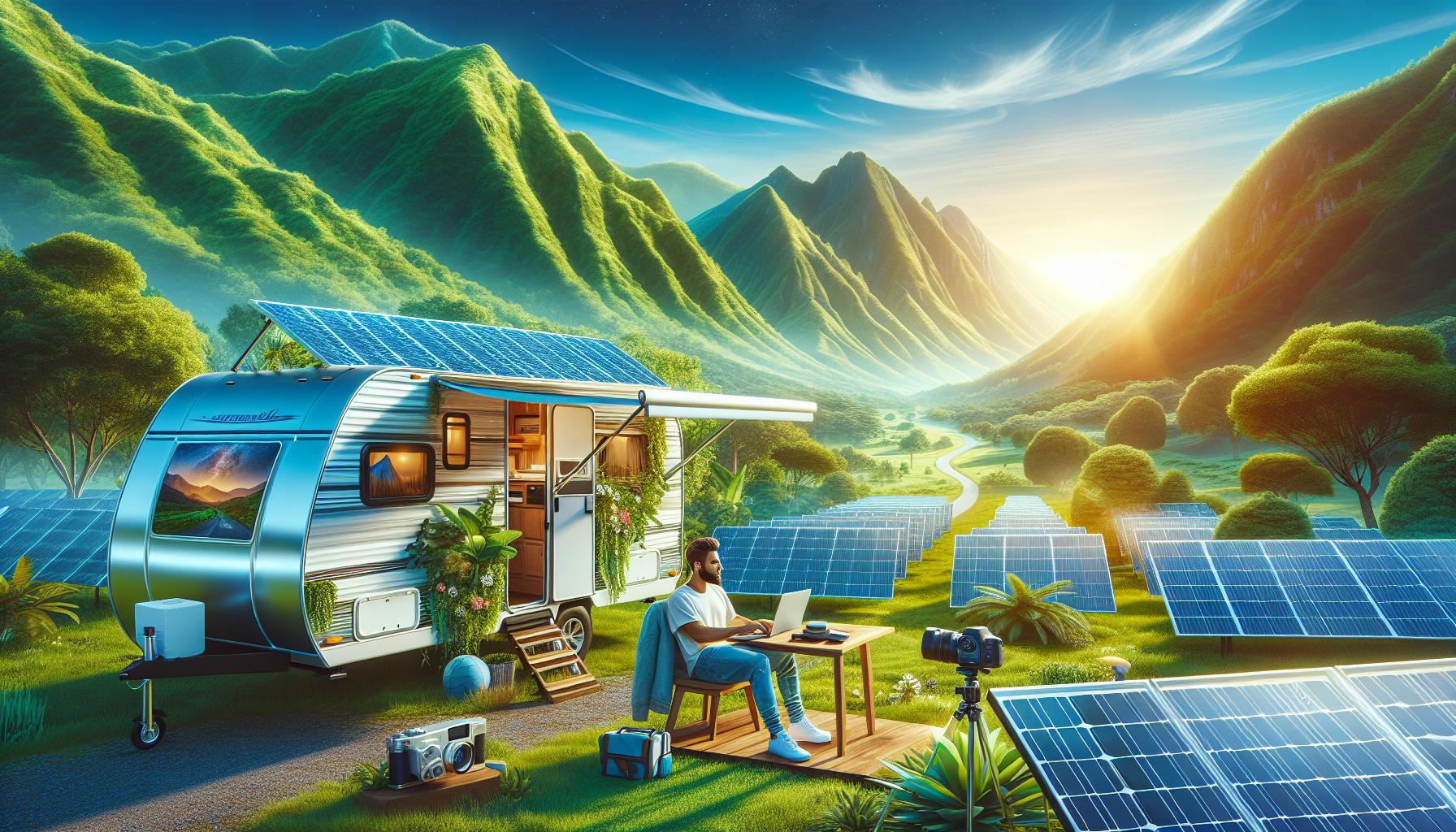
Choosing the Right Solar Panels for Your Travel Trailer
When embarking on the exciting journey of converting your travel trailer to solar power, selecting the right solar panels is crucial for ensuring a successful and enjoyable off-grid experience. Just imagine setting up camp with the sun’s energy flowing into your trailer, powering everything from your refrigerator to your lights, enabling a lifestyle of freedom and exploration. But not all solar panels are created equal, and understanding your options will help you make an informed decision that suits your adventure needs.
To start, consider the two main types of solar panels: monocrystalline and polycrystalline. Monocrystalline panels are known for their high efficiency and space-saving design, making them ideal for travel trailers where roof space can be limited. They perform better in low-light conditions and have a longer lifespan, though they typically come at a higher price point. On the other hand, polycrystalline panels are more affordable and slightly less efficient, which may work well if you have the roof space to accommodate them.
Next, the wattage of the panels is another key factor. Generally, panels for travel trailers range from 100 to 300 watts. A higher wattage panel can produce more electricity, which is essential for running multiple appliances or charging larger batteries. Think about the appliances you’ll be using-this impacts the total wattage you’ll need. A combination of several lower-watt panels could be beneficial for greater flexibility and fit.
Don’t forget to also look into the durability and warranty of the panels. Since travel trailers are often exposed to various weather conditions, investing in panels with robust construction can save you headaches in the long run. Look for panels with a warranty of at least 25 years, ensuring that your investment is protected and guaranteeing an efficient power supply throughout your travels.
In conclusion, taking the time to choose the right solar panels tailored to your travel trailer’s specific needs will not only enhance your efficiency but also amplify the joy of your adventures on the road. With the right setup, you’ll be empowered to roam free and explore the beauty of the world while enjoying the comfort of modern conveniences powered by the sun.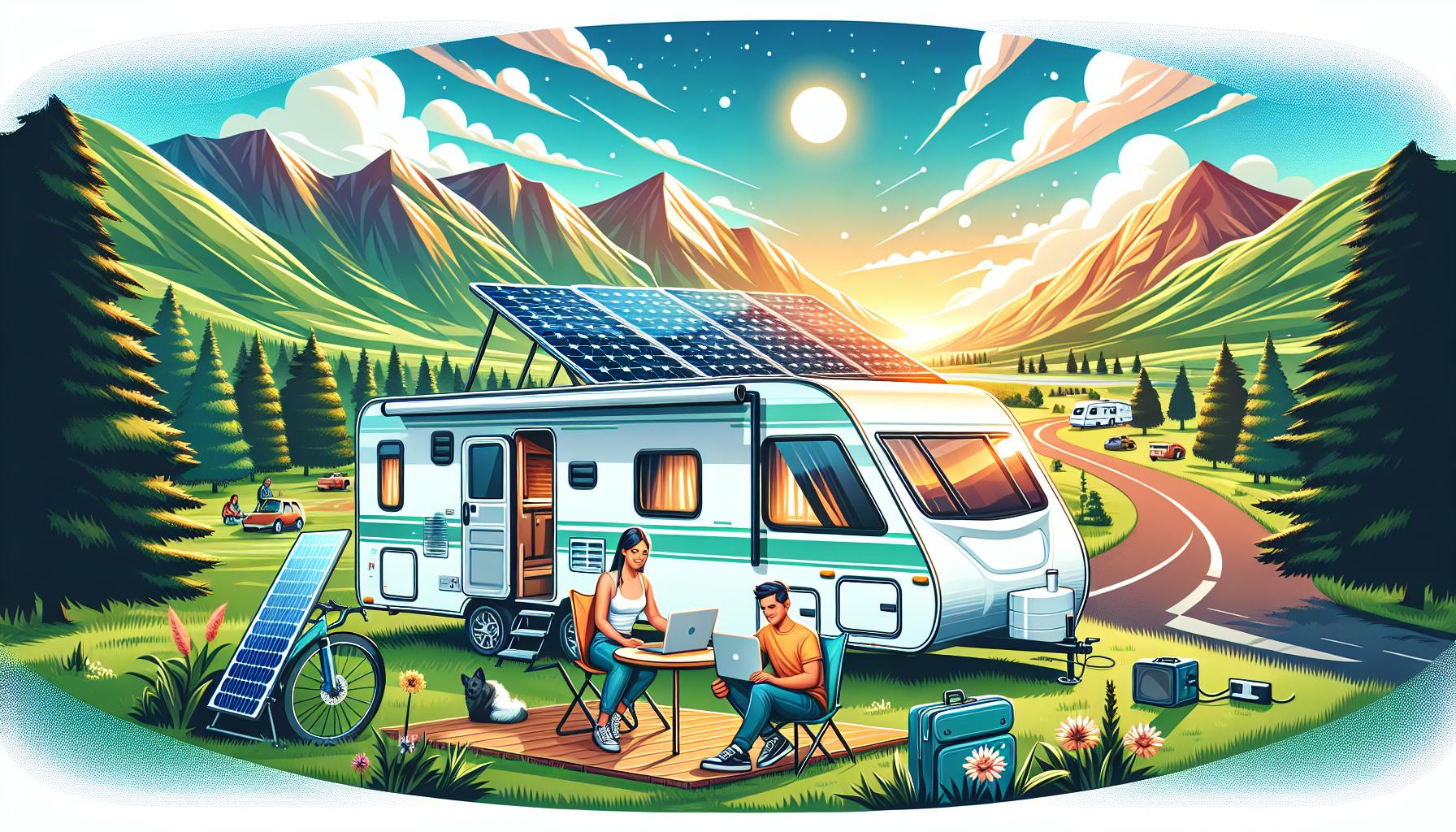
Understanding Off-Grid Power Systems for Trailers
Understanding how off-grid power systems function in travel trailers paves the way for a more liberating and fulfilling camping experience. When you connect with nature and travel away from established campgrounds, having a reliable power source can keep you powered up and connected while enjoying the great outdoors. Off-grid systems allow you to harness solar energy to run essential appliances, charge devices, and maintain convenience without being tethered to traditional power grids.
At the heart of an off-grid power system is the solar panel array. These panels capture sunlight and convert it into electricity. This energy can then be used directly in your trailer or stored in batteries for later use. It’s crucial to understand the interplay among solar panels, batteries, and inverters, as they work in harmony to power your trailer.
Key Components of Off-Grid Power Systems
To design an efficient system, consider these core components:
- Solar Panels: Depending on your power needs, you may require a combination of panels. Monocrystalline panels are efficient but may take up less space, while polycrystalline panels can be cost-effective.
- Batteries: Batteries store the energy generated by your solar panels. Lithium-ion batteries offer longevity and efficiency, but lead-acid batteries are often cheaper up front.
- Inverter: This device converts the direct current (DC) produced by the solar panels and batteries into alternating current (AC) suitable for most household appliances.
- Charge Controller: This regulates the voltage and current coming from the solar panels to protect the battery from overcharging.
Power Management Strategies
To optimize your off-grid system, you’ll also want to implement effective power management strategies. Begin by assessing the appliances you plan to use and their cumulative wattage. Simple devices like LED lights, phone chargers, and small refrigerators consume less power, while appliances like air conditioners require more significant energy input.
Conducting a power audit will help you determine your daily energy needs. Consider using a solar calculator to estimate the size of the solar array you’ll need based on your consumption. As a rule of thumb, aim for a system with a bit of excess capacity to account for cloudy days or increased usage during your adventure.
The transition to an off-grid lifestyle is not only about practicality but also about empowerment. Each time you power your trailer using the sun, you’re embracing the adventurous spirit of exploration that comes with the RV lifestyle. By understanding how to effectively set up and manage your off-grid power system, you can enhance your sense of independence and enjoy the beauty of diverse landscapes, all while keeping your comforts close at hand.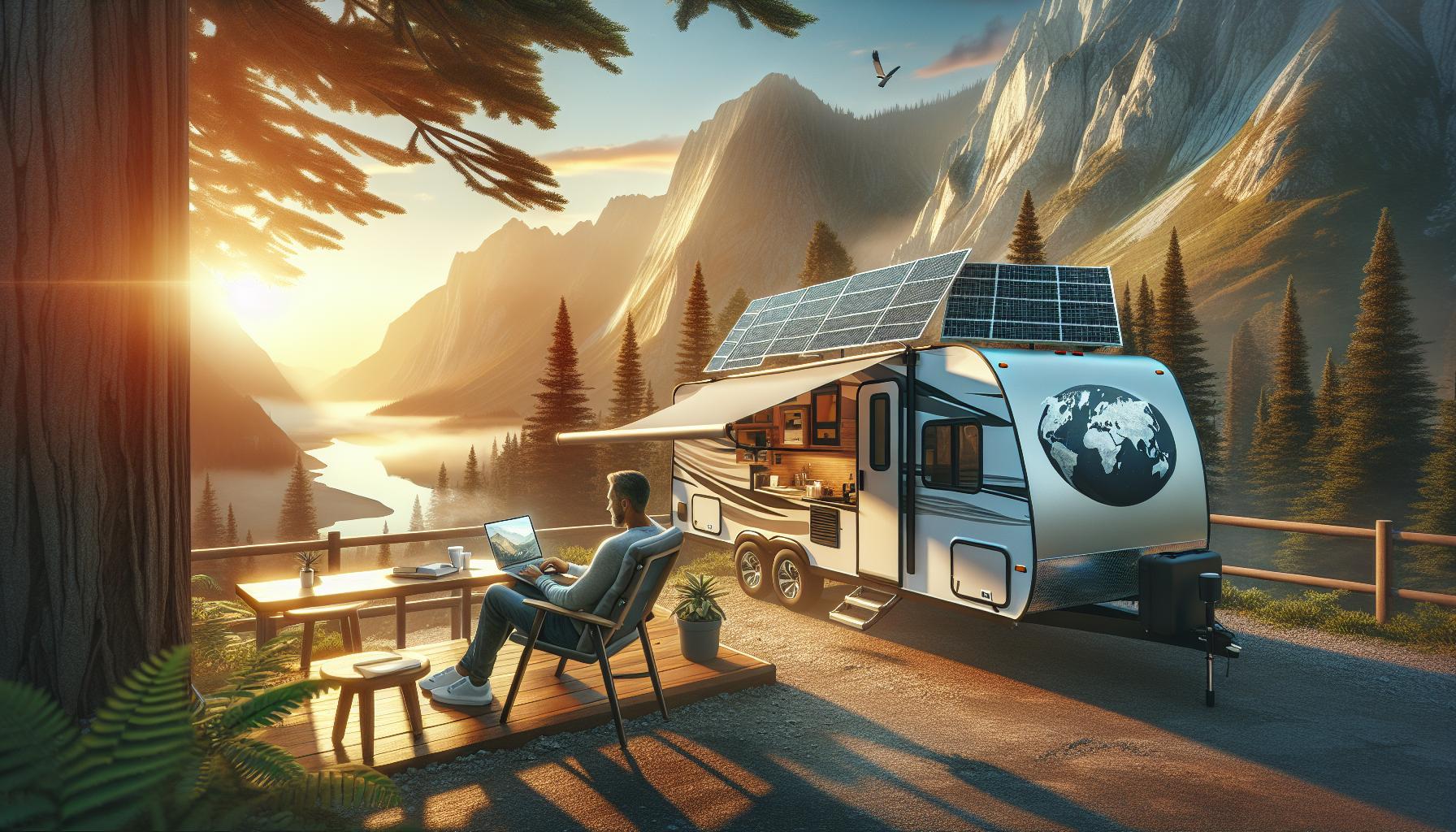
How to Calculate Your Power Needs for Solar
Calculating your power needs is the cornerstone of creating a functional and efficient solar setup for your travel trailer. Understanding how much electricity you consume daily will empower you to design a solar system tailored to your lifestyle, ensuring you remain energized while exploring the great outdoors. The process begins with a comprehensive inventory of all the devices you’ll use during your travels.
To accurately estimate your energy consumption, follow these steps:
- List Your Appliances: Write down every device you plan to use in your trailer. Common items include LED lights, refrigerators, laptops, phones, fans, and potentially larger appliances like air conditioners.
- Determine Power Ratings: Each appliance has a power rating, usually measured in watts, which can be found on the device label or in the user manual. For convenience, here’s a quick reference of approximate power ratings for common appliances:
| Appliance | Power Rating (Watts) |
|---|---|
| LED Light Bulb | 10 |
| Refrigerator | 40 – 150 |
| Smartphone Charger | 5 |
| Laptop | 60 – 100 |
| Small Fan | 20 – 50 |
- Estimate Usage Hours: Consider how many hours each appliance will be used daily. For example, if your LED bulbs run for 4 hours and your refrigerator operates constantly, your usage would look like this:
– LED lights: 10 watts x 4 hours = 40 watt-hours
– Refrigerator: 100 watts x 24 hours = 2400 watt-hours
- Calculate Total Daily Consumption: Sum the totals for each appliance to determine your overall daily power requirement. For instance, continuing the example:
– Total = 40 (LED) + 2400 (Refrigerator) = 2440 watt-hours per day.
- Factor in Inefficiencies: Real-world systems are not 100% efficient. Consider adding a buffer of about 25% to your total daily consumption to account for inefficiencies in the solar panels, inverter losses, and other factors. If your total is 2440 watt-hours, aim for a system that can supply about 3050 watt-hours daily (2440 x 1.25).
By following these steps, you not only clarify your energy needs but also gain confidence in choosing the right solar panels and battery capacity for your off-grid lifestyle. This knowledge empowers you to go further, exploring new terrains and enjoying a fully equipped travel experience, all while harnessing the sun’s power. Embrace the freedom that comes with self-sufficient travel and let the adventure begin!
Setting Up a Complete Solar System: Step-by-Step
Setting up a solar system for your travel trailer can be an empowering step toward true off-grid living, granting you the freedom to roam freely while being self-sufficient. The process may seem overwhelming, but with the right approach, it’s entirely manageable. Here’s a step-by-step guide to help you transition from reliance on campground hookups to harnessing the sun’s energy.
1. Choose Your Solar Panels
Deciding on the right solar panels is fundamental. You’ll typically encounter two main types of panels: monocrystalline and polycrystalline. Monocrystalline panels are more efficient and take up less space, making them ideal for the limited surface area of a trailer. Consider the wattage you need based on your earlier power consumption calculations to determine how many panels to install.
2. Select an Inverter
An inverter is essential for converting the direct current (DC) electricity produced by your solar panels into the alternating current (AC) electricity that most appliances require. Choose between a pure sine wave inverter for compatibility with sensitive electronics or a modified sine wave inverter for simpler appliances. Ensure the inverter’s capacity exceeds your maximum anticipated load.
3. Install Battery Storage
Batteries are crucial for storing energy generated during sunny days for nighttime use or cloudy days. Options include lithium-ion batteries, which are lightweight and have a long lifespan, or traditional lead-acid batteries, which are budget-friendly but heavier and less efficient. Based on your energy needs, calculate the total battery capacity necessary to ensure you have enough power stored for your intended use.
4. Set Up the Charge Controller
A charge controller regulates the voltage and current coming from your solar panels to prevent overcharging your batteries. There are two main types: PWM (Pulse Width Modulation) and MPPT (Maximum Power Point Tracking). MPPT chargers are generally more efficient, particularly in scenarios where the solar panels produce higher voltages than the battery bank.
5. Mounting the Panels
Secure your solar panels to the trailer’s roof, ensuring they are angled for optimal sun exposure. Use a mounting kit to provide stability during travel. Check your panel manufacturer’s instructions for precise installation guidelines and ensure that you properly seal any mounting holes to prevent leaks.
6. Connect the System
Now that you have everything in place, it’s time to connect your solar panels to the charge controller, then the controller to your batteries, and finally connect the inverter for power output to your appliances. Always follow local electrical codes for safety; if you’re unsure, it might be worth consulting a professional to help with the installation.
7. Test Your System
After connections are secure, it’s imperative to test your setup. Monitor the energy going into and out of your batteries using a battery monitor, and ensure your inverter is functioning properly. Test your appliances to verify everything runs smoothly.
By taking these step-by-step actions, you can effectively set up a solar system tailored to your adventure and lifestyle. Embrace the freedom of off-grid living, and enjoy the journey as you create your energy-efficient travel trailer that allows you to chase new horizons without losing the comforts of home.
Batteries Explained: What You Need for Off-Grid Living
To truly embrace the freedom of off-grid living in your travel trailer, understanding battery options is essential. Batteries serve as the backbone of your solar power system, storing energy for use when the sun isn’t shining. Choosing the right type of battery can enhance your adventure, ensuring you have reliable power for all your needs. The primary contenders you’ll face are lithium-ion batteries and traditional lead-acid batteries, each with its own set of advantages.
Lithium-ion batteries are gaining popularity for RV and trailer applications due to their higher efficiency and longevity. With a lifespan of up to 10 years or more, they can withstand numerous charge cycles without significant degradation. Additionally, they are lighter, which is a crucial consideration when weight impacts your trailer’s performance. A common option in the lithium category is the LiFePO4 (Lithium Iron Phosphate) battery, known for its stability and safety. However, they come with a higher upfront cost, something to weigh against long-term savings and performance.
Conversely, lead-acid batteries, particularly the deep-cycle variants, provide a more budget-friendly entry point, making them a popular choice for many first-time travelers. They work well for basic off-grid needs but generally last only 3-5 years and often require regular maintenance, including checking the water levels if using flooded lead-acid types. Understanding how much energy you’ll consume daily will help you determine the appropriate battery capacity. Typically, aim for a battery bank that can store at least twice your anticipated daily usage to account for days with less sun.
When setting up your battery system, consider the following aspects to ensure optimal off-grid living:
- Capacity: Determine the amp-hour capacity needed based on your power requirements and consumption patterns.
- Configuration: Know how to wire batteries in parallel to increase capacity or in series to increase voltage, depending on your inverter specifications.
- Depth of Discharge (DoD): Keep track of how deeply you discharge your batteries. Lithium batteries generally handle deeper discharges better than lead-acid batteries, which ideally should not be drained below 50%.
- Placement: Ensure proper ventilation and temperature control to extend battery life and performance.
By choosing the right battery setup, you set the stage for a smooth and enjoyable journey into the world of off-grid travel. Embrace the opportunity to explore without limitations, knowing that your solar power system is working efficiently to keep your devices charged and ready for your next adventure.
Essential Solar Accessories for Travel Trailers
To fully optimize your solar power system for off-grid adventures, equipping your travel trailer with the right accessories can make all the difference. These essential tools not only enhance the efficiency of your solar setup but also ensure that you have power when you need it. While solar panels are the heart of your system, various accessories are the lifeblood that supports their operation and maximizes energy use.
One of the most crucial accessories is a reliable solar charge controller. This device regulates the voltage and current coming from your solar panels to your batteries, preventing overcharging and prolonging battery life. Look for a maximum power point tracking (MPPT) controller for optimal efficiency, especially in varying light conditions. Additionally, installing a battery monitor provides real-time data on your battery’s state, helping you manage your energy usage effectively and avoid unexpected power losses.
To further enhance your power management, consider investing in a power inverter. This device converts the DC electricity stored in batteries to AC electricity, which is required for most household appliances. Make sure to choose one that can handle your peak power requirements. For reliable energy storage, deep-cycle batteries are essential; whether you opt for lithium or lead-acid, ensure that your battery bank can sustain your energy needs, particularly on cloudy days.
Don’t overlook the importance of fuses and circuit breakers for safety. These protect your system from overloads and ensure that you can reset your system if an issue arises. Lastly, solar panel mounting equipment is vital for securely installing your panels to maximize solar exposure. Whether on the roof or on the ground, ensuring that your panels are angled correctly will significantly improve efficiency.
By incorporating these essential accessories into your travel trailer’s solar setup, you equip yourself for the nomadic lifestyle filled with adventure and freedom. Each accessory not only supports your solar energy generation but also empowers you to explore remote locations without the worry of losing power. Embrace the open road with confidence, knowing you have the tools to stay powered up wherever your travels take you.
Common Mistakes to Avoid When Installing Solar Panels
When installing solar panels on your travel trailer, even the smallest oversight can lead to inefficiencies or costly repairs. Many first-time DIYers often overlook key considerations that could affect both the performance of their solar system and their overall experience on the road. Understanding these common pitfalls will empower you to avoid them and make the most of your off-grid adventures.
One significant mistake is underestimating the importance of proper roof preparation and mounting. Before attaching your solar panels, ensure the surface is clean and free from debris or damage. Failing to do this could compromise the adhesive quality of your mounting system, leading to potential leaks or panel displacement while driving. Additionally, choosing the wrong mounting hardware for your panel type could hinder their stability and efficiency. Always refer to manufacturer guidelines for optimal installation practices.
Another frequent oversight involves the selection and placement of solar panels. Many travelers opt for panel sizes based on superficial aesthetics rather than actual power needs. Assess your energy requirements comprehensively-consider peak sunlight hours, the appliances you’ll be running, and seasonal variations. Furthermore, avoid installing panels where they may be blocked by ventilation systems, trees, or other structures. The best positioning is often on a flat, unobstructed area of your trailer’s roof to maximize sun exposure throughout the day.
Wiring mistakes are another common issue that can easily derail a solar installation. Inadequate wire gauge can lead to energy loss and overheating, while incorrect connections might create hazards. Always use appropriately rated wiring for the total amperage you expect, and double-check your connections before finalizing the installation. Additionally, incorporating fuses or circuit breakers into your system can safeguard against potential electrical faults, giving you peace of mind while you travel.
By taking the time to thoroughly plan your solar installation and being mindful of these common mistakes, you’ll improve the efficiency of your system and enhance your travel experience. Empower yourself with the knowledge that a well-installed solar setup will provide the reliability and independence you seek on your adventures, allowing you to focus on exploring the great outdoors rather than worrying about power availability.
Tips for Maintaining Solar Panels on the Road
To keep your solar panels functioning optimally while traveling, it’s essential to adopt a proactive maintenance routine. Regular checks not only enhance the efficiency of your system but also prolong its lifespan, ensuring that you can enjoy unencumbered off-grid adventures. Here are some actionable tips to help you maintain your solar panels on the road.
Start by inspecting your panels regularly for dirt, debris, or any signs of physical damage. Cleaning the surface of your solar panels is vital to maintain their efficiency. Use a soft brush or a gentle hose spray to remove dust and dirt accumulation, especially after driving through dusty roads or after heavy rainfall. If you’re parked in a location with bird activity, be mindful of droppings, which can significantly obstruct sunlight if left uncleaned. For those challenging spots, a mixture of water and mild soap can be effective-just ensure you rinse thoroughly afterwards to avoid residue build-up.
Check Connections and Wiring
Over time, vibrations from travel can cause connections to loosen. Make it a habit to check the connections and wiring at least monthly or after a long trip. Ensure all terminals are tight and free from corrosion. If you notice any damaged wiring or wear, replace them immediately to prevent energy loss or potential hazards. Additionally, inspect the mounting brackets and hardware to ensure everything is secure; loose parts can lead to misalignment and reduced efficiency.
Monitor Performance
Keeping an eye on your solar setup’s performance will help you catch issues early. Most solar systems come equipped with monitoring tools that inform you about power output. If you observe a decrease in energy generation without any apparent reason (like poor weather), there may be an underlying issue requiring your attention. Investing in a simple energy monitor can provide real-time insights, making it easier to manage your power expectations during your travels.
Protect from Environmental Factors
Depending on where you travel, sun exposure and weather conditions can vary significantly. Using protective covers during extreme weather-like hail, heavy snow, or excessive sunlight-can shield your panels from potential damage. When possible, position your trailer in shade during peak sunlight hours to prevent overheating, especially if you’re in very hot climates. Modern flexible panels may also be worth considering, as they handle various weather conditions well and can be easier to maintain.
By incorporating these maintenance tips into your routine, you not only safeguard your investment but also enhance your freedom and reliability while traveling. With well-maintained solar panels, you can confidently embark on your adventures, knowing you have the power you need wherever the road may take you.
Real-Life Experiences: Travelers Share Their Solar Stories
Imagine waking up in a serene forest clearing, the sun filtering through the trees, and knowing that your travel trailer is powered entirely by the energy of that beautiful morning light. For many travelers, this dream has become a reality thanks to solar panels, enabling them to embrace an off-grid lifestyle that offers both freedom and sustainability. As we dive into the experiences of fellow adventurers, it’s clear how transformative solar power can be for life on the road.
One traveler, Sarah, shared her journey from budget camping to a self-sufficient lifestyle. Initially deterred by the cost, she invested in a mid-range solar setup, including flexible panels that perfectly fit her trailer’s rooftop. The result? With only a few hours of sunlight, Sarah could power her refrigerator and devices without anxiety. She emphasizes the importance of adaptability, noting that she learned to optimize her power usage by adjusting her habits to align with sunny days and understanding her system’s energy output better.
Similarly, Mike and Jenna, a couple who have been on the road for over a year, highlighted the reliability of solar during their travels across the Southwest. They utilize a lithium battery system that stores excess energy produced during the day, allowing them to power their lights and devices at night. They’ve shared a tip to ensure solar efficiency: always keep solar panels tilted towards the sun when parked. This simple adjustment can significantly increase energy capture, especially in the late afternoon when the sun is at its peak.
For those concerned about maintenance, traveler Ethan advises fellow nomads to make regular inspections part of their routine. He experienced a minor setback when a branch fell on his solar panel while parked under a tree, leading to a cracked surface. Thankfully, a quick visit to a local store allowed him to find a replacement panel, but it reinforced the idea that understanding your setup and being vigilant can save time and money.
The inspiring accounts of Sarah, Mike, Jenna, and Ethan highlight a community of travelers forging a path toward sustainable living. Their stories serve not only as practical guides but also as a reminder that pursuing a lifestyle fueled by solar energy empowers adventurers to explore remote locations without sacrificing modern comforts. By transforming their travel trailers into mobile, eco-friendly homes, these travelers are shaping a new narrative of what it means to roam freely and sustainably.
Cost Breakdown: Investing in Solar Power for Trailers
Investing in a solar power system for your travel trailer can feel overwhelming at first, but breaking down the costs can make it more manageable. On average, a fully equipped solar system suitable for trailers can range from $1,000 to $5,000, depending on the components you choose and the quality of the equipment. This initial investment opens the door to countless adventures, allowing you to explore remote locations without being tethered to traditional power sources.
Key Components and Their Costs
Understanding what contributes to the overall cost is crucial. Here’s a quick breakdown of the main components involved in setting up a solar system for your travel trailer:
- Solar Panels: The heart of your system, solar panels typically range from $200 to $1,000 each, depending on their wattage and efficiency.
- Charge Controller: This device regulates the voltage and current coming from the solar panels to protect your battery. Expect to pay between $100 and $300 for a good quality charge controller.
- Batteries: A critical investment since they store the energy generated. Lithium batteries offer longer life and efficiency, costing $800 to $2,500 depending on capacity.
- Inverter: Converts the stored DC power into AC power for your household appliances. Prices can vary from $150 to $400, based on capacity and brand.
- Installation and Accessories: This includes wiring and mounting brackets, which can add another $100 to $500 based on how complex the setup is.
Real-World Examples
Some travelers have reported their personal experiences regarding costs: Sarah initially invested about $1,500 to set up a basic system with one solar panel and a small battery, which allowed her to power lights and small electronics. In contrast, Mike and Jenna went for a comprehensive system that cost around $4,000, enabling them to power a refrigerator and other larger devices comfortably. Such variations underscore the importance of assessing your travel habits and energy needs before making a purchase.
Long-Term Savings
While there is a significant upfront cost, the long-term savings can be substantial. Solar power reduces or eliminates the need for campground fees charged for electrical hookups, and in many cases, provides more freedom to camp in remote areas. Additionally, as solar technology continues to advance and increase in efficiency, the cost of components will likely decrease, making it a worthwhile investment for anyone looking to embrace an off-grid lifestyle.
By thoroughly assessing costs and weighing them against the benefits, you’ll not only gain a clearer picture of your investment but also increase your confidence in transitioning to a sustainable and adventurous lifestyle. Taking the leap into solar power can transform your travel experiences, allowing you to roam freely while making an impactful decision for the environment and your travel budget.
How to Maximize Solar Efficiency in Various Conditions
Solar energy is an abundant resource, but to harness its full potential while traveling, it’s essential to know how to optimize solar efficiency based on varying environmental conditions. Factors such as sunlight exposure, temperature fluctuations, and weather patterns can significantly impact how much energy your solar panels can deliver. By following strategic practices, you can enhance energy capture and ensure your travel trailer remains powered even in challenging conditions.
One of the most effective ways to maximize solar efficiency is by adjusting the angle of your solar panels. Ideally, solar panels should be tilted at an angle that corresponds to your geographic location and the time of year. For example, during the summer months, a lower angle may be sufficient, whereas in winter, a steeper tilt can help capture more sunlight. Using adjustable mounting brackets allows you to modify the angle easily, which can lead to a noticeable increase in power generation. Moreover, keeping your solar panels clean from dirt and debris can make a significant difference, as even a thin layer of grime can obstruct sunlight and reduce efficiency.
Additionally, consider the placement of your panels. Position them in areas that receive maximum sunlight exposure throughout the day, avoiding shadows from trees, buildings, or other obstructions. If you’re in a location where shade is unavoidable, portable solar panels can be an excellent backup option. You can place them in sunnier spots, ensuring you’re still able to collect energy even in tougher solar conditions.
Temperature also plays a critical role in solar efficiency. While solar panels generally perform better in cooler temperatures, extremely high heat can decrease efficiency. To combat this, ensure your panels have proper ventilation and airflow around them, allowing them to cool off naturally. Investing in high-quality solar panels with temperature resilience also helps, as they are designed to maintain efficient performance even in warmer climates.
Lastly, understanding weather patterns and possible fluctuations can prepare you for seasonal changes. Areas with frequent rain or cloudy days will require you to reassess your battery storage needs, as energy accumulation will be less effective. Increasing your battery bank capacity beforehand can provide a buffer during those periods. Also, consider investing in solar charge controllers that prevent overcharging or discharging, optimizing battery life and ensuring maximum energy availability when you need it most.
By strategically managing the angle, location, cleanliness, and ventilation of your solar panels, you can enjoy a more reliable power source that keeps up with your adventurous lifestyle. Embracing these practices not only enhances your off-grid capabilities but also empowers you to explore freely and sustainably, knowing your energy needs are taken care of no matter where the road leads.
Future Trends: Innovations in Solar Technology for RVs
The solar energy landscape is evolving at a breakneck pace, with innovative technologies poised to revolutionize the way RV enthusiasts harness the sun’s power. As travelers increasingly seek sustainable solutions for their off-grid adventures, the spotlight is shifting to cutting-edge advancements in solar panels, battery storage, and system integration that promise greater efficiency, ease of use, and environmental smartness.
One of the most exciting developments is the emergence of bifacial solar panels. Unlike traditional panels, bifacial designs can capture sunlight from both sides, allowing for increased energy generation, particularly in regions with reflective surfaces like sand or snow. These panels not only provide higher efficiency but also reduce the overall weight when installed, perfect for your travel trailer. Moreover, with transparent solar cells making their way into the market, the possibilities expand further; these can be integrated into windows and roofs, maximizing your energy capture without compromising aesthetics.
The integration of smart technology is also changing the game. Modern systems now come equipped with mobile apps that allow users to monitor their energy production and consumption in real time. This data enhances decision-making, enabling RVers to optimize their solar setups cleverly. For instance, optimizing solar routes based on forecasted weather conditions can result in better energy harvesting on the go. Smart inverters can further enhance efficiency by dynamically adjusting the power flow while ensuring prolonged battery life.
Battery technology is witnessing rapid advancements as well. The advent of lithium-ion batteries has already transformed RV power systems, offering lighter weight, greater capacity, and longer lifespans compared to traditional lead-acid batteries. Now, as new chemistries like lithium iron phosphate (LiFePO4) gain traction, they promise safer, more efficient storage solutions that can endure significant temperature variations-a key consideration for wandering adventurers.
As you consider setting up your solar system, keep an eye on these innovations. Future trends also include modular solar panel systems that allow for easy upgrades or adjustments based on your energy needs as you travel. Whether you’re a seasoned road warrior or embarking on your first adventure, remaining informed about these trends will empower you to make sustainable choices and enhance your off-grid lifestyle. With the right tools at your disposal, the freedom of exploration is not just a dream-it’s a sustainable reality.
Q&A
Q: How do solar panels work for travel trailers?
A: Solar panels convert sunlight into electricity using photovoltaic cells. When sunlight hits these cells, they generate direct current (DC) electricity, which can be stored in batteries or used to power appliances directly in your travel trailer, enabling off-grid living.
Q: What size solar panel system do I need for my travel trailer?
A: The size of your solar panel system depends on your power needs. Calculate your total daily wattage consumption and divide by peak sun hours to determine the required wattage of solar panels. Generally, a system ranges from 100 to 600 watts for small to medium trailers.
Q: Can I install solar panels on my travel trailer myself?
A: Yes, DIY installation is possible for solar panels on travel trailers. However, having some electrical knowledge helps. Follow instructions from your solar kit and refer to your trailer’s structure for mounting. Ensure all components are safe and secure for travel.
Q: What accessories do I need for a solar setup in a travel trailer?
A: Essential accessories include charge controllers, batteries, inverter systems, and wiring. A charge controller prevents battery overcharging, while an inverter converts DC electricity to usable AC power for appliances. Consider installing a monitor for tracking power usage.
Q: How do I maintain my solar panels while traveling?
A: Regularly clean your solar panels to remove dirt and debris that can block sunlight. Check connections and wiring for wear and tear. Inspect batteries monthly to ensure they are functioning properly, and store them correctly during extended periods of non-use.
Q: Is it worth investing in solar power for a travel trailer?
A: Yes, investing in solar power can provide long-term savings on fuel and campground fees. It enhances your travel flexibility by allowing you to stay off-grid, while also contributing to sustainable energy use. A well-sized system typically pays for itself in a few years.
Q: What common mistakes should I avoid when installing solar panels?
A: Avoid under-sizing your system based on your power needs, improperly securing panels, and neglecting ventilation for the batteries. Also, ensure you use the right type of wiring for the distance between components to minimize energy loss.
Q: How do weather conditions affect solar panel efficiency in travel trailers?
A: Solar panel efficiency can drop in cloudy or rainy weather, but they still produce electricity. Cooler temperatures may even enhance efficiency. Positioning panels optimally and using a battery storage system helps ensure a steady power supply, regardless of conditions.
In Summary
As you embark on your off-grid adventures with solar panels for your travel trailer, remember that embracing renewable energy not only enhances your freedom but also supports a sustainable lifestyle. With the right setup, you can enjoy the great outdoors while staying powered up, fueling your next escape without reliance on traditional power sources.
Don’t miss out on our related articles, such as “Choosing the Best Solar Equipment for Your Travels” and “Essential Maintenance Tips for Solar Panels,” which provide additional insights to optimize your setup. For personalized guidance, consider scheduling a consultation with our energy experts. Ready to harness the sun’s power for your next journey? Explore our product pages for the latest solar solutions that will keep your travels electrifying!
Let us know how your solar journey unfolds in the comments below and share your experiences with fellow enthusiasts. Remember, every step you take towards sustainability matters-start today for brighter tomorrow adventures!