Imagine sipping coffee in a sunlit Lisbon café while working remotely. The Portugal digital nomad visa 2024 opens doors to this dream by allowing freelancers and remote workers to legally reside and thrive in one of Europe’s most vibrant countries. This guide unveils the latest updates on this visa, empowering you to navigate the application process seamlessly.
Whether you’re a seasoned nomad or taking your first step into location independence, understanding the ins and outs of this visa is crucial. With Portugal’s stunning landscapes, rich culture, and friendly locals, it’s an ideal base for those seeking adventure while maintaining their careers. Dive into the essential tips and insights to make your application successful and transform your lifestyle today!
Portugal Digital Nomad Visa Overview: What You Need to Know
Portugal is rapidly emerging as one of the most appealing destinations for digital nomads, primarily due to its user-friendly policies and vibrant culture. With a blend of rich history, stunning landscapes, and a welcoming atmosphere, the country has tailored its Digital Nomad Visa to attract remote workers from around the globe. This visa allows non-EU citizens to reside in Portugal while working for non-Portuguese companies. It’s designed for those who wish to experience the local lifestyle while maintaining their professional careers, making it a gateway to both adventure and productivity.
To qualify for this visa, applicants typically need to demonstrate proof of employment with a foreign company or be self-employed with a steady income. This is crucial not only for securing a visa but also for ensuring a smooth transition to life in Portugal. The minimum income requirement is set to reflect a comfortable living standard,which varies based on family status and region. Moreover, the application process can often feel overwhelming, but understanding the steps involved can simplify it significantly.
From securing necessary documentation to navigating the application process, potential digital nomads are encouraged to gather all required paperwork ahead of time, such as proof of remote employment and a valid passport. Engaging with local communities, either through online platforms or in-person networks, can also enhance the experience and provide valuable insights on meeting other like-minded individuals in Portugal.
As you consider this exciting opportunity, remember that thriving as a digital nomad in Portugal involves embracing not just the remote work lifestyle, but also the beautiful culture and stunning environments that await. By preparing well and being informed about the intricacies of the visa application, you are one step closer to making Portugal your next home away from home.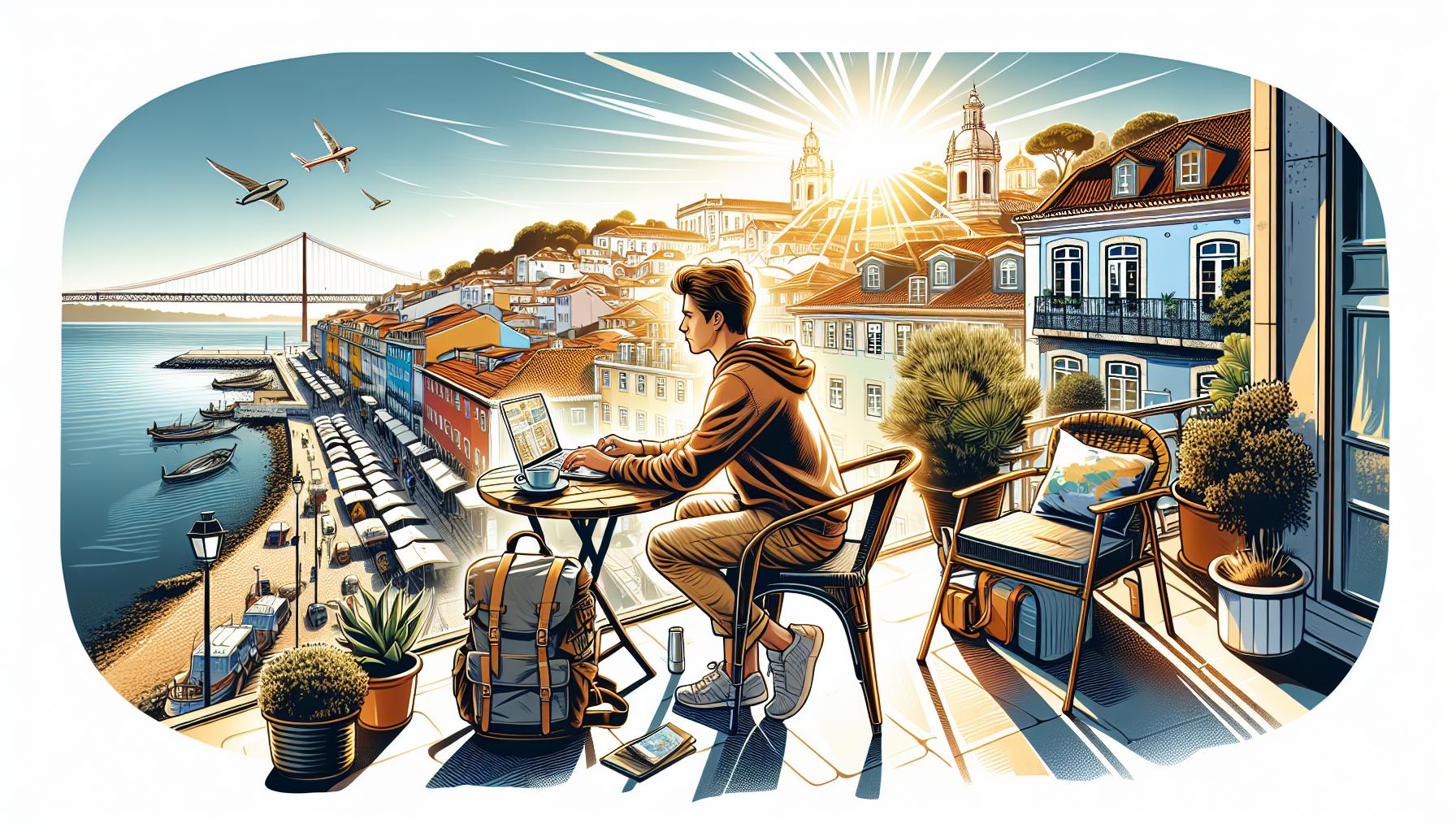
Eligibility Criteria for the Portugal Digital Nomad Visa
To embark on your exciting journey as a digital nomad in Portugal, it’s crucial to grasp the eligibility criteria for the Digital Nomad Visa. This visa is not just a ticket to explore stunning landscapes and rich culture; it’s your gateway to living legally in one of Europe’s most vibrant countries while pursuing your professional endeavors remotely.
The primary requirement to qualify for this visa is having a legitimate source of income from a company based outside of Portugal. This income must be stable and sufficient to support your living expenses in the country. While the exact figures may vary, it’s generally recommended that your monthly income be at least four times the Portuguese minimum wage. For 2024, this is aligned to ensure that you can maintain a comfortable lifestyle-consider averaging around €2,800 monthly as a baseline. For self-employed individuals, proof of consistent freelance work or contracts is essential, providing documentation that evidences your income stream.
Additionally, applicants must possess a valid passport and demonstrate that they can secure health insurance valid in Portugal. This insurance should cover basic healthcare services and any medical emergencies-which is particularly vital for those settling in a new country. Furthermore, it’s essential to showcase that you can support yourself without working for a local Portuguese company, ensuring that your presence does not impact the local job market.
Establishing your eligibility goes beyond paperwork; it’s about envisioning your life in Portugal. Engage deeply with local cultures and communities, understanding how to navigate day-to-day life while enriching your remote work experience. As you prepare your application, ensure that every piece of information reflects your readiness to embrace this remarkable adventure, making your transition as smooth and rewarding as possible.
Application Process: Step-by-Step Guide
To begin the journey of securing your Portugal Digital Nomad Visa, understanding the application process is crucial. This visa allows you to immerse yourself in Portugal’s vibrant culture while maintaining your remote work lifestyle. Follow these steps to streamline your application and increase your chances of success.
Step 1: Prepare Your Documentation
The first and perhaps most critical step is gathering all required documents. Key items include:
- Valid Passport: Ensure your passport is up-to-date and valid for at least six months beyond your intended stay.
- Proof of Income: You’ll need to document that you have a stable income from outside Portugal, typically averaging around €2,800 monthly or at least four times the Portuguese minimum wage.
- Health Insurance: Obtain health insurance that covers medical services in Portugal, including emergencies.
- Employment Documentation: For freelancers, contracts and invoices evidencing consistent work must be provided.
Step 2: Online Application
Once your documents are in order, proceed to the online application. Visit the official Portuguese Immigration and Borders Service (SEF) website to fill out the application form. Make sure to include complete and accurate information to avoid delays.
Step 3: Schedule an Appointment
After submitting your application, you’ll need to schedule an appointment at your nearest Portuguese consulate or embassy. This step is essential for biometric data collection and further interviews. Be sure to book this appointment as early as possible to ensure timely processing.
Step 4: Attend Your Appointment
At your consulate appointment, present your documents and answer any questions the officials may have. Your application will undergo an initial review, and any issues raised will need to be addressed promptly for your visa to be approved.
Step 5: Wait for Processing
After your evaluation, processing times can vary, but you should remain in contact with the consulate for updates. During this period, use the time to plan your move to Portugal, researching potential living arrangements and community events where you can connect with other digital nomads.
Taking these steps thoroughly ensures that you not only meet the requirements but also set yourself up for an enriching experience in Portugal. Embrace the adventure of this new chapter and look forward to thriving in a country known for its warm climate and welcoming culture!
Required Documentation for Your Visa Application
Gathering the right documentation is essential for a smooth application process when seeking the Portugal Digital Nomad Visa. Each piece of paperwork is not just a formality; it is a critical element that showcases your eligibility and commitment to living and working in Portugal as a remote worker. Having your documents in order will significantly streamline your application journey and increase your chances of success.
- Valid Passport: Ensure your passport is valid for at least six months beyond your intended stay in Portugal. This is a non-negotiable requirement, as an expired passport can stall your application.
- Proof of Income: You need to demonstrate financial stability by providing proof of a steady income from abroad. Typically, this should average around €2,800 monthly or be four times the Portuguese minimum wage. Acceptable documents might include bank statements, pay slips, or contracts that confirm your income.
- Health Insurance: It’s crucial to have health insurance that offers coverage for medical services within Portugal, including emergency care. This demonstrates your readiness to handle any health issues that may arise while living abroad.
- Employment Documentation: For freelancers or remote workers, it is essential to have documentation that evidences your employment status. This could involve contracts, invoices, or client agreements illustrating consistent work prior to your application.
- Criminal Record Check: Some applicants may also need to provide a clean criminal record certificate from their home country as part of the documentation process.
Taking time to assemble these documents with care will empower you in your pursuit of becoming a digital nomad in Portugal. Each piece not only supports your application but also helps to reinforce your commitment to establishing a new life in a vibrant and welcoming country. Remember, preparation is key to a successful move-ensure every document is complete and accurate to pave the way for your adventure in Portugal.
Understanding Tax Implications for Digital Nomads in Portugal
Understanding the tax implications of living and working in Portugal as a digital nomad is crucial for ensuring compliance and maximizing your financial well-being. Whether you’re planning to stay temporarily or looking for a long-term base, familiarizing yourself with the local tax system can make a considerable difference in your experience. Portugal is known for its appealing tax regime, including some incentives designed specifically for foreign nationals, including digital nomads.
One of the primary considerations is whether you will be classified as a tax resident. Under Portuguese law, you become a tax resident if you spend more than 183 days in the country within a 12-month period or if you have a permanent home available in Portugal. As a tax resident, you will be subject to taxation on your worldwide income, though there are provisions that might allow you to pay a reduced tax rate on foreign earnings, especially under the Non-Habitual Resident (NHR) scheme. This scheme can be particularly advantageous, allowing eligible individuals to benefit from a flat tax rate of 20% on qualifying income from specific professions or a framework that may exempt foreign source income from taxation for a decade.
When setting up your finances, it’s essential to maintain thorough records of your income sources and any deductions you may qualify for. Regular documentation such as invoices, contracts, and bank statements will not only help you stay organized but also facilitate interactions with tax authorities. Familiarizing yourself with the local accounting practices can significantly ease your compliance efforts. Consider consulting with a local tax advisor who can navigate the complexities of the Portuguese tax system and advise you on optimizing your tax situation.
Tax Rates for Digital Nomads
The effective tax rate in Portugal is progressive, ranging from 14.5% to 48%, depending on your income level. Here’s a concise overview of how these rates break down:
| Income Range (€) | Tax Rate |
|---|---|
| 0 – 7,112 | 14.5% |
| 7,113 – 10,732 | 23% |
| 10,733 – 20,322 | 28.5% |
| 20,323 – 25,075 | 35% |
| 25,076 – 36,967 | 37% |
| 36,968 – 80,882 | 45% |
| Over 80,882 | 48% |
By understanding these tax implications and actively managing your fiscal responsibilities, you can focus more on what truly matters: embracing the exciting journey of a digital nomad in Portugal. With careful planning, you can enjoy the stunning landscapes, rich culture, and vibrant lifestyle that makes Portugal a top destination for remote workers worldwide.
Cost of Living in Portugal: Insights for Remote Workers
Portugal has become a magnet for digital nomads, not just for its stunning landscapes and rich culture, but also for its relatively affordable cost of living compared to many other Western European countries. This balance of quality and affordability makes it an attractive destination for remote workers looking to blend work and adventure effortlessly. Understanding the cost dynamics can empower you to make informed decisions as you embark on your digital nomadic journey.
Accommodation is often the largest expense, and prices can vary widely depending on the city you choose. In Lisbon and Porto, a one-bedroom apartment in the city center averages around €1,000, whereas in smaller cities or towns like Coimbra or Faro, you can find similar accommodations for about €600 to €800. Consider also utilizing platforms like Airbnb for flexible short-term rentals or co-living spaces, which often cater specifically to remote workers offering a community environment.
Grocery shopping is generally quite reasonable, especially if you opt for local markets and stores. A monthly grocery bill for one person might range from €200 to €300, allowing you to enjoy fresh produce, local delicacies, and pantry staples without breaking the bank. Dining out can be a delightful experience in Portugal, with meals in local restaurants averaging €10 to €20, making it easy to enjoy the culinary scene during your breaks without overspending.
When planning your budget, also keep in mind other essential services. Public transportation in cities like Lisbon and Porto is efficient and affordable, with monthly passes costing around €40. Internet and mobile services are comparably inexpensive, ensuring that staying connected while working remotely remains hassle-free.
As you navigate your new life in Portugal, leveraging local connections and community is invaluable. Engage with fellow digital nomads in co-working spaces or online forums dedicated to remote work. This not only enriches your experience but can also lead to insider tips on the best spots for work, leisure, and community support. As you immerse yourself in the vibrant culture of Portugal while balancing work and exploration, you will find that the country offers an exciting backdrop to create your own adventure.
Best Portuguese Cities for Digital Nomads
Portugal’s rich culture, stunning landscapes, and vibrant cities make it a dream destination for digital nomads. Among its many cities, some stand out as particularly appealing for remote workers seeking a balance of work and leisure. Here are some excellent options for those considering the move:
Lisbon
As the capital city, Lisbon offers a mix of historical charm and modern amenities. With numerous co-working spaces, a thriving tech scene, and an active digital nomad community, it’s a hotspot for remote workers. The city’s rich history is complemented by its bustling nightlife, beautiful neighborhoods like Alfama and Bairro Alto, and iconic sites such as the Belém Tower. Public transport is efficient, and the cost of living, while higher than some other Portuguese cities, is still relatively affordable compared to major European capitals.
Porto
Known for its stunning Douro River views and port wine, Porto is another fantastic destination for digital nomads. The city boasts a slightly more relaxed pace than Lisbon and has become increasingly popular among remote workers. With plenty of affordable accommodation options, charming cafes, and co-working spaces, Porto offers everything from cultural experiences to natural beauty. The social scene is vibrant, making it easy to connect with like-minded individuals.
Coimbra
For those who prefer a quieter atmosphere, Coimbra is ideal. Home to one of the oldest universities in Europe, this city has a youthful energy due to its student population. The cost of living in Coimbra is lower than in Lisbon and Porto, with options to find cozy apartments starting around €600. The city is rich in history and culture, providing a lovely backdrop for work-life balance. Plus, the strong sense of community means you’ll find support and camaraderie among fellow nomads.
Faro
Located in the stunning Algarve region, Faro is a great option for remote workers looking to combine work with beautiful beach access. This city offers a slower pace of life, clear blue skies, and warm weather all year round. Co-living spaces are available for digital nomads seeking community while maintaining their professional commitments. The living costs are reasonable, and the laid-back lifestyle makes it easier to recharge in nature after a day of work.
- Lisbon: Cultural hub with a vibrant nightlife.
- Porto: Scenic views and a burgeoning tech scene.
- Coimbra: Affordable living and a strong student community.
- Faro: Relaxed beach town atmosphere with nature excursions.
Whether you thrive on the hustle and bustle of the city or prefer a peaceful coastal experience, Portugal offers diverse options to suit your work-life preferences. Embrace the opportunity to connect, explore, and create your own unique nomadic adventure in these beautiful cities!
Tips for Successfully Establishing Remote Work in Portugal
Establishing remote work in Portugal is an exhilarating journey filled with opportunities for personal and professional growth. For digital nomads, finding the right balance between your work and the beauty that Portugal has to offer is key. To thrive in this picturesque setting, it’s essential to embrace a proactive mindset and develop a strategy that aligns with your goals.
One of the most effective ways to establish your remote work is to choose the right workspace. Portugal boasts a range of co-working spaces that cater to diverse professional needs. For example, in Lisbon, venues such as Second Home and Cowork Central provide not only a productive environment but also networking opportunities with other professionals. In Porto, you might enjoy the artistic atmosphere of Spaces Porto. These hubs are often equipped with high-speed internet, meeting rooms, and social areas that encourage collaboration, making them indispensable for nomads.
Networking plays a crucial role in the remote work landscape. Utilize platforms like Meetup or Facebook Groups dedicated to expats and digital nomads in Portugal. Attend local events, workshops, or informal gatherings to forge connections and find support from those who’ve trodden a similar path. Building relationships can provide insight into local customs, job opportunities, and social activities, enriching both your personal and professional life.
Additionally, consider local regulations and customs regarding remote work. While Portugal is welcoming to digital nomads, understanding the local laws, including tax obligations and social security requirements, will help mitigate any potential obstacles. As you navigate these aspects, it’s wise to consult with a local tax advisor to ensure compliance and optimize your situation.
Lastly, prioritize your well-being by integrating leisure activities into your routine. Whether it’s enjoying a morning at a local café, exploring the breathtaking coastal cliffs of the Algarve, or hiking in the Serra da Estrela mountains, infusing work with moments of enjoyment will enhance your productivity and morale. By embracing the local culture and lifestyle, you’ll not only excel in your work but also create lasting memories and connections in your new home.
Health Insurance Options and Requirements for Nomads
Health insurance is an essential consideration for digital nomads planning to live and work in Portugal. As a digital nomad, having reliable health coverage not only protects your well-being but also ensures compliance with visa requirements, demonstrating that you have the necessary resources to support yourself while residing in the country. With Portugal’s healthcare system known for its high standards, understanding your options will enable you to navigate your stay confidently.
Health Insurance Requirements for Digital Nomads
When applying for the Portugal Digital Nomad Visa, proof of adequate health insurance is mandatory. This coverage must meet specific criteria, including:
- Coverage for medical expenses, hospitalization, and repatriation.
- Minimum coverage amount of €30,000.
- Worldwide coverage, or at least coverage valid in Portugal.
It’s advisable to choose a plan that not only covers emergencies but also offers access to a range of healthcare services, as you’ll find that many healthcare providers in Portugal are private, and having insurance can significantly reduce out-of-pocket expenses.
Your Options
Digital nomads typically have a few routes for obtaining health insurance while in Portugal:
- International Health Insurance: This is a popular choice for nomads as it provides coverage across multiple countries. Companies like Allianz, Cigna, and BUPA offer tailored plans for expats and travelers.
- Local Insurance Providers: If you plan to stay in Portugal for an extended period, consider enrolling in a local insurance policy. Providers like Médis and AdvanceCare offer competitive plans designed for residents and expatriates.
- EU Health Insurance Card: If you are an EU citizen, you may be eligible to use the European Health Insurance Card (EHIC), which grants access to medically necessary state-provided healthcare during your stay.
Key Considerations
When selecting an insurance plan, examine the policy comprehensively. Focus on:
- Exclusions: Understand what is not covered under your plan, as many insurance policies include limits on certain treatments or pre-existing conditions.
- Customer Reviews and Ratings: Research user feedback to gauge the reliability and ease of the claims process for any insurance provider you consider.
- Support Services: Check if the insurer offers 24/7 support services, especially important when navigating health concerns in a foreign country.
Navigating the health insurance landscape can be overwhelming, but ensuring you have adequate coverage is vital to enjoying your new life in Portugal. Remember, prioritizing your health not only protects you but also empowers you to embrace the freedom and adventure the digital nomad lifestyle offers.
Networking and Community: Finding Your Tribe in Portugal
Arriving in Portugal as a digital nomad opens up a world of opportunities, not just for work but also for building a vibrant community. The country’s welcoming atmosphere, along with its burgeoning expat scene, makes it an ideal place for connecting with like-minded individuals. Establishing a strong network can enhance your experience, provide support, and help you thrive in your remote work journey.
To tap into this community, consider joining local coworking spaces, which are hotspots for networking and collaboration. Cities like Lisbon and Porto are home to numerous coworking facilities that host events, workshops, and casual meetups, making it easy to meet fellow professionals. Look for spaces that align with your work style; some focus on tech-driven startups, while others cater to creative industries. Engaging in these environments not only provides a productive atmosphere but also creates opportunities for feedback, mentorship, and friendships.
In addition to coworking spaces, online platforms like Meetup and Facebook groups can help you connect with expats, freelancers, and digital nomads in Portugal. Search for groups related to digital nomadism, entrepreneurship, or specific interests like hiking, photography, or local culture. Participating in events hosted by these groups can lead to meaningful connections and potentially collaborative projects. Utilize social media to follow local influencers and digital nomad communities who often share valuable insights and events.
Don’t overlook the power of local language exchange events. Learning Portuguese not only aids in daily interactions but also demonstrates your commitment to integrating into the community. Language meetups often serve as a friendly environment where locals and expats can share experiences, tips, and support.
As you embark on your journey, remember that building connections takes time and effort. Approach networking with an open heart and a willingness to share your story. Engage in conversations, ask questions, and showcase your interests. This proactive approach will not only establish your presence within the community but may also lead to unexpected opportunities for personal and professional growth in your new home. Embrace the adventure of finding your tribe, and let the connections you build in Portugal enrich your nomadic lifestyle.
Common Challenges and Solutions for Digital Nomads
Navigating life as a digital nomad in Portugal can be both exhilarating and challenging. While the picturesque landscapes and vibrant culture make for an inspiring backdrop, there are common hurdles that many face during their journey. Understanding these challenges and having a proactive approach can enhance your experience and ensure a smoother transition to life as a remote worker in this beautiful country.
One significant challenge is finding reliable internet connectivity. Although Portugal is increasingly becoming a hotspot for digital nomads-especially in cities like Lisbon and Porto-some areas, particularly in rural regions, may struggle with consistent internet access. To mitigate this issue, research coworking spaces in advance; many offer high-speed internet, and a dynamic work environment. Websites like Coworker.com can help you locate suitable spaces. Additionally, investing in a mobile hotspot might be a sensible backup option for those working in parks or cafes.
Another common issue is the bureaucratic process involved in obtaining the digital nomad visa. The application process can be complex and lengthy, often leaving potential applicants feeling overwhelmed and confused. To navigate this effectively, it’s essential to stay organized. Keep a checklist of required documents, and familiarize yourself with the official guidelines from the Portuguese government. Consulting with local expat groups or legal advisors who specialize in visas can also provide valuable insights and support.
Social integration can present its own set of challenges for digital nomads, particularly for those coming from different cultural backgrounds. Adapting to local customs and building a social circle may take time, but there are effective strategies to ease the process. Engaging in language exchange groups and local meetups is an excellent way to meet people while enhancing your Portuguese language skills. Websites like Meetup.com can help you discover various events in your area, from hiking clubs to cooking classes.
Lastly, managing work-life balance in a new environment can take effort, especially when the allure of exploring Portugal’s beaches and historic cities can be distracting. Creating a disciplined routine is crucial; set specific working hours and designate a workspace to minimize distractions. By treating your remote work with the same commitment as a traditional job, you’ll find it easier to enjoy both productivity and the adventurous experiences Portugal has to offer.
Facing these challenges head-on with effective strategies can transform potential obstacles into meaningful experiences. Embrace the journey, stay adaptable, and remember that the vibrant culture and lifestyle of Portugal await as you carve out your path as a digital nomad.
Future Trends for Digital Nomad Visas in Europe
The growing trend of digital nomadism is reshaping immigration policies across Europe, and the interest in Portugal’s digital nomad visa exemplifies this shift. As more countries recognize the economic benefits of attracting remote workers, we are witnessing a wave of innovative visa options aimed at supporting this mobile lifestyle. By 2024, it’s expected that these programs will not only simplify the application process but also provide enhanced support for remote workers through community-building initiatives and dedicated services.
One notable trend is the increased collaboration among European countries in establishing a more unified approach to digital nomad visas. As cross-border remote work becomes commonplace, countries like Portugal, Spain, and Estonia are likely to streamline application processes and share best practices. This could lead to a more cohesive experience for digital nomads, allowing them to move freely between nations without the hassle of navigating divergent regulations. For example, if Portugal refines its visa to offer a pathway aligned with other nations, it would enable skilled workers to explore multiple countries while retaining legal residency.
Furthermore, the integration of technology into the visa application process is expected to improve efficiency. Many countries are beginning to utilize online platforms that facilitate applications, making it easier for prospective nomads to submit required documents and track their status. This shift towards digitization not only simplifies the application process but also provides real-time updates and assistance, minimizing uncertainty often faced by first-time applicants.
In addition to administrative changes, we will likely see a stronger emphasis on community engagement among digital nomads. As remote workers seek meaningful connections and networks in their host countries, initiatives focused on fostering social interactions-such as meetups, workshops, and local events-will become key components of these visa programs. Countries may actively promote local businesses that cater to remote workers, creating a vibrant ecosystem that supports both the digital nomad lifestyle and the local economy.
Overall, the landscape for digital nomad visas in Europe is evolving rapidly, with Portugal at the forefront of these changes. By keeping an eye on emerging trends and staying adaptable, aspiring nomads can position themselves to take full advantage of these opportunities in the near future. Embracing this transformative journey can lead to remarkable experiences-balancing work and exploration while being part of a broader movement that champions a new way of living.
Frequently Asked Questions
Q: What is the Portugal digital nomad visa for 2024?
A: The Portugal digital nomad visa for 2024 allows remote workers to live in Portugal while working for foreign companies. It aims to attract digital nomads to the country, providing a legal residence option for those seeking a vibrant culture and work-life balance.
Q: How long can I stay in Portugal on a digital nomad visa?
A: Holders of the Portugal digital nomad visa can stay for up to one year, with the possibility of applying for a renewal for an additional two years. This provides ample time to explore the country while maintaining a remote career.
Q: What are the application fees for the Portugal digital nomad visa?
A: The application fees for the Portugal digital nomad visa typically range around €90 to €150, depending on the visa type and processing service. It’s important to check for the latest updates, as fees can vary.
Q: Can I apply for the Portugal digital nomad visa from outside the country?
A: Yes, you can apply for the Portugal digital nomad visa from outside the country. Applications are processed at Portuguese consulates or embassies in your home country, so ensure all required documents are ready before applying.
Q: Is health insurance mandatory for the Portugal digital nomad visa?
A: Yes, health insurance is mandatory for the Portugal digital nomad visa. Applicants must provide proof of health coverage valid for the duration of their stay, ensuring access to healthcare services while living in Portugal.
Q: Can family members join me on the Portugal digital nomad visa?
A: Yes, family members can join you under the family reunification process. As a digital nomad visa holder, you can apply for residence permits for your spouse and dependent children, allowing them to live and work in Portugal.
Q: Are there specific income requirements for the digital nomad visa in Portugal?
A: Yes, applicants must demonstrate a steady income to qualify for the digital nomad visa. The required monthly income is typically set at least €1,200, but this can vary, so check current regulations for specifics.
Q: What are the common challenges when applying for the Portugal digital nomad visa?
A: Common challenges include gathering the necessary documentation, meeting income requirements, and navigating the application process. Applicants should thoroughly prepare and consult with experts or communities for support, ensuring a smoother experience.
The Conclusion
As you embark on your journey to secure the Portugal digital nomad visa in 2024, remember that this unique opportunity can open doors to a vibrant lifestyle filled with adventure and culture. With the latest updates and application tips in hand, you are well-equipped to navigate this process confidently. Don’t wait too long-application slots are limited, and the sooner you start, the closer you’ll be to enjoying the stunning landscapes and rich history of Portugal.
For more insights, check out our guide on the best cities for digital nomads in Portugal and tips for remote work in a new country. If you have questions or need further assistance, feel free to leave a comment below or sign up for our newsletter for ongoing updates and useful tips tailored for aspiring nomads. Your dream of living and working in Portugal is just a step away-take action today and embrace the adventure that awaits you!