India, a land rich in culture and history, welcomes solo travelers with open arms, but safety remains a primal concern for many embarking on their adventure. With vibrant cities, stunning landscapes, and a kaleidoscopic variety of experiences, understanding the intricacies of travel safety in this subcontinent is crucial for an enriching journey.
As you plan your exploration, you may wonder: Is India truly safe for solo travelers? This guide will delve into practical tips and firsthand insights, addressing common fears and empowering you to navigate this diverse country with confidence. Whether it’s learning about local customs, understanding public transportation, or securing accommodation, our comprehensive adventure guide aims to equip you with the knowledge needed for a successful and unforgettable solo journey through India. Prepare to uncover the beauty and diversity of this enchanting nation while ensuring your safety and peace of mind.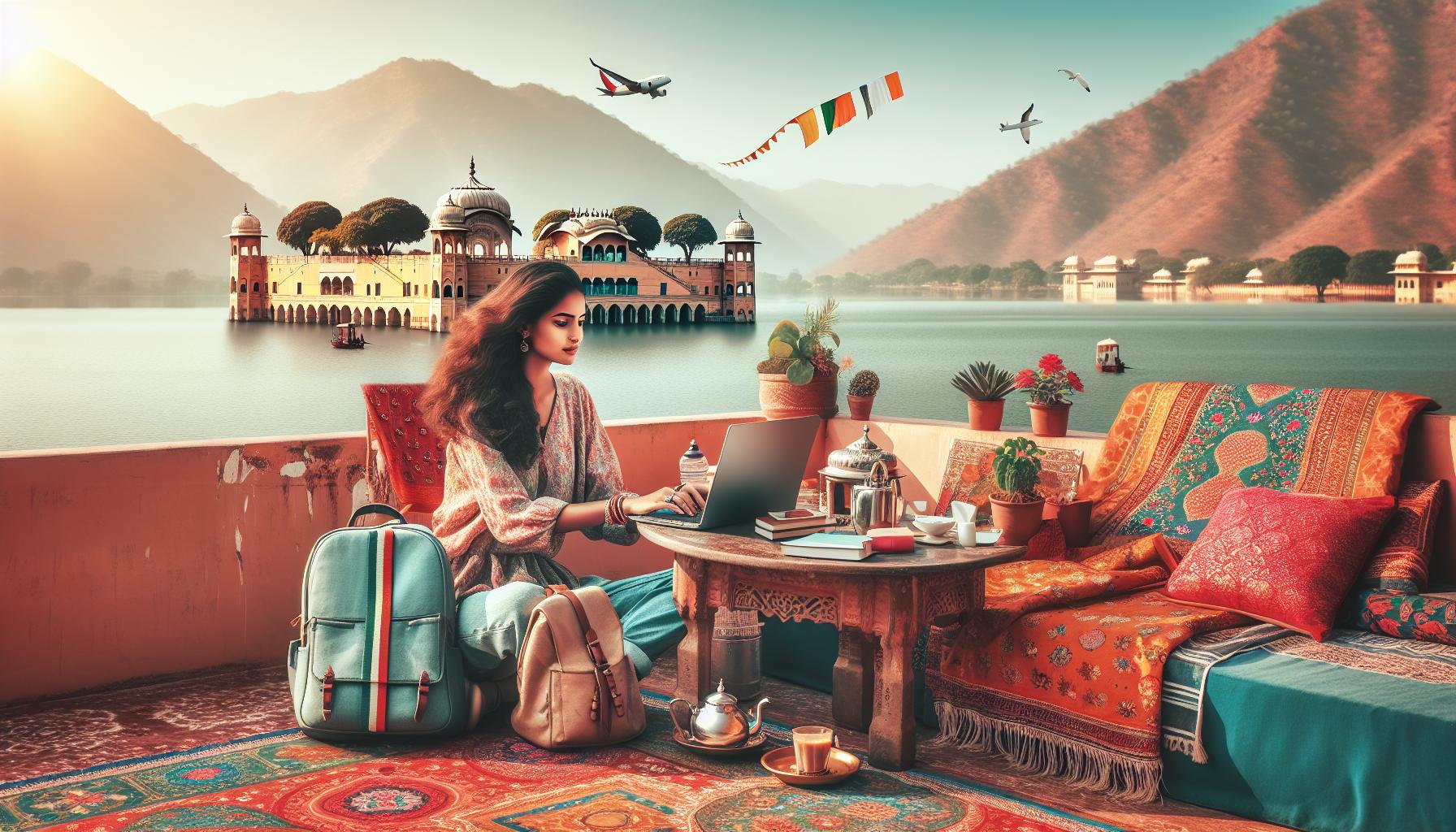
Cultural Insights: Navigating India as a Solo Traveller
India is a land of contrasts, where ancient traditions coexist with modern innovations, making it both thrilling and sometimes a bit daunting for solo travelers. Embarking on a journey through this vibrant country offers a plethora of cultural experiences that can enrich your travel narrative. However, understanding the unique societal norms and practices is essential to ensure a smoother adventure.
As a solo traveler, you’ll find that locals are generally welcoming and hospitable. Embrace the opportunity to engage in conversations, whether it’s with shopkeepers, fellow travelers, or families you meet along the way. A warm “Namaste” (नमस्ते) or “Hello” can go a long way in breaking the ice and making connections. Respect for elders and traditions is deeply rooted in Indian culture, so you’ll do well to observe local customs. Learn a few basic phrases in Hindi or the regional language of the area you’re visiting; locals appreciate the effort, and it can open doors to deeper interactions.
Navigating the vast socio-cultural landscape of India means also being aware of the contrasts that exist-urban hustle and rural calm, modern lifestyles alongside age-old practices. Take the time to learn about local customs, attire, and dining etiquette. For instance, when dining, it’s common to eat with your right hand, and it’s polite to wait for the host to start the meal. Dressing modestly, especially when visiting temples or rural areas, is advisable to show respect for local values.
In addition, solo travelers should remain observant of their surroundings and aware of local practices that may seem unusual but are completely normal within the cultural context. For example, street markets can be bustling and chaotic, yet they are the lifeblood of local commerce. Embrace the experience of haggling or simply watching the vibrant tapestry of everyday life unfold before you. Each interaction not only enhances your understanding but also fosters a sense of belonging even when you’re on your own.
Engaging with local communities through organized tours or workshops can provide insights into daily life that are not accessible through traditional sightseeing. Consider joining a cooking class, a craft workshop, or a guided walking tour to meet locals and gain a deeper appreciation of the culture. These experiences are not only enriching but also contribute to safety, as being in a group often helps mitigate risks while traveling solo.
Overall, with an open heart and a curious mind, you can navigate the multifaceted culture of India. The journeys and stories you gather will not only enhance your travel but also empower your adventurous spirit.
Essential Safety Tips for Solo Travelers in India
In a country as vast and diverse as India, safety requires a blend of awareness, preparation, and cultural sensitivity. While many solo travelers have wonderful experiences, it’s essential to navigate this richly textured landscape with care. One of the most effective safety tips is to stay vigilant and trust your instincts. If a situation feels uncomfortable, prioritize your safety above all else.
Additionally, understanding your surroundings can be a significant asset. Before visiting a new area, research its safety ratings and typical experiences of other travelers. Utilize social media platforms or travel forums to gather insights from fellow wanderers. When in a crowded place, keep your belongings secure and maintain an awareness of your personal space. Choose well-lit, populated areas when walking at night, and consider using rideshare apps over local taxis for added security.
Creating a solid communication plan is another focal point for safety. Always share your travel itinerary with a friend or family member at home. A local SIM card can be a game changer, ensuring reliable connectivity for navigation and emergency calls. Familiarize yourself with emergency numbers-such as local police or medical services-and don’t hesitate to reach out for assistance when needed.
Moreover, consider wearing modest clothing, especially in rural areas or when visiting temples. This shows respect for local customs, which can, in turn, foster goodwill and enhance your safety. Engaging with locals can often lead to opportunities that enrich your experience and provide additional layers of protection. Building rapport can lead to trustworthy advice and camaraderie that significantly contributes to a feeling of security while navigating new environments.
In summary, the path to a safe solo journey through India involves a proactive approach. Equip yourself with knowledge, maintain situational awareness, and embrace the numerous supportive local interactions-each of these steps works together to empower you to explore this incredible country confidently.
Understanding Local Laws and Etiquette for Safety
Understanding the nuances of local laws and etiquette can significantly enhance your safety and enjoyment while exploring India. As a country steeped in diverse traditions and legal frameworks, familiarity with these elements is vital for any solo traveler. For instance, it’s important to recognize that India has different laws concerning public behavior, and what might be acceptable in one region may be frowned upon in another.
To ensure a respectful and safe experience, consider the following aspects of local laws and etiquette:
Respect for Local Culture
- Dress Modestly: In many parts of India, especially in rural areas and religious sites, it is advisable to wear modest clothing that covers your shoulders and knees. This is not only a sign of respect but can also reduce unwanted attention.
- Photography Sensitivity: Always ask for permission before taking photos of people, especially in less touristy areas. Respect privacy and local customs around photography.
- Public Displays of Affection: Public displays of affection are generally not accepted and can attract unwanted attention. It’s wise to maintain a low profile in this regard.
Legal Considerations
Understanding the legal landscape in India is crucial for a hassle-free journey. Here are key points to keep in mind:
- Drug Laws: India has strict anti-narcotics laws. Even a small amount of illegal substance can lead to severe penalties, including imprisonment.
- Alcohol Consumption: Regulations about consuming alcohol may vary widely. In some states, it’s sold freely, while in others, it may be heavily restricted. Always check local laws before indulging.
- Traffic Laws: Traffic rules can be quite different from those in western countries. Wearing a helmet while riding a motorcycle or scooter is mandatory, and using seat belts is also required.
Building Connections and Trust
Engaging with locals can also provide safety advantages. Understanding and embracing their customs not only fosters goodwill but also increases your chances of receiving helpful advice or assistance when needed. Learning a few basic phrases in Hindi or the local language can break the ice and demonstrate respect for the culture.
Arming yourself with knowledge about local laws and etiquette will enhance your travel experience, making it more enjoyable and secure. So take the time to prepare and be mindful, and you’ll find India not only safe but welcoming as you embark on your solo adventure.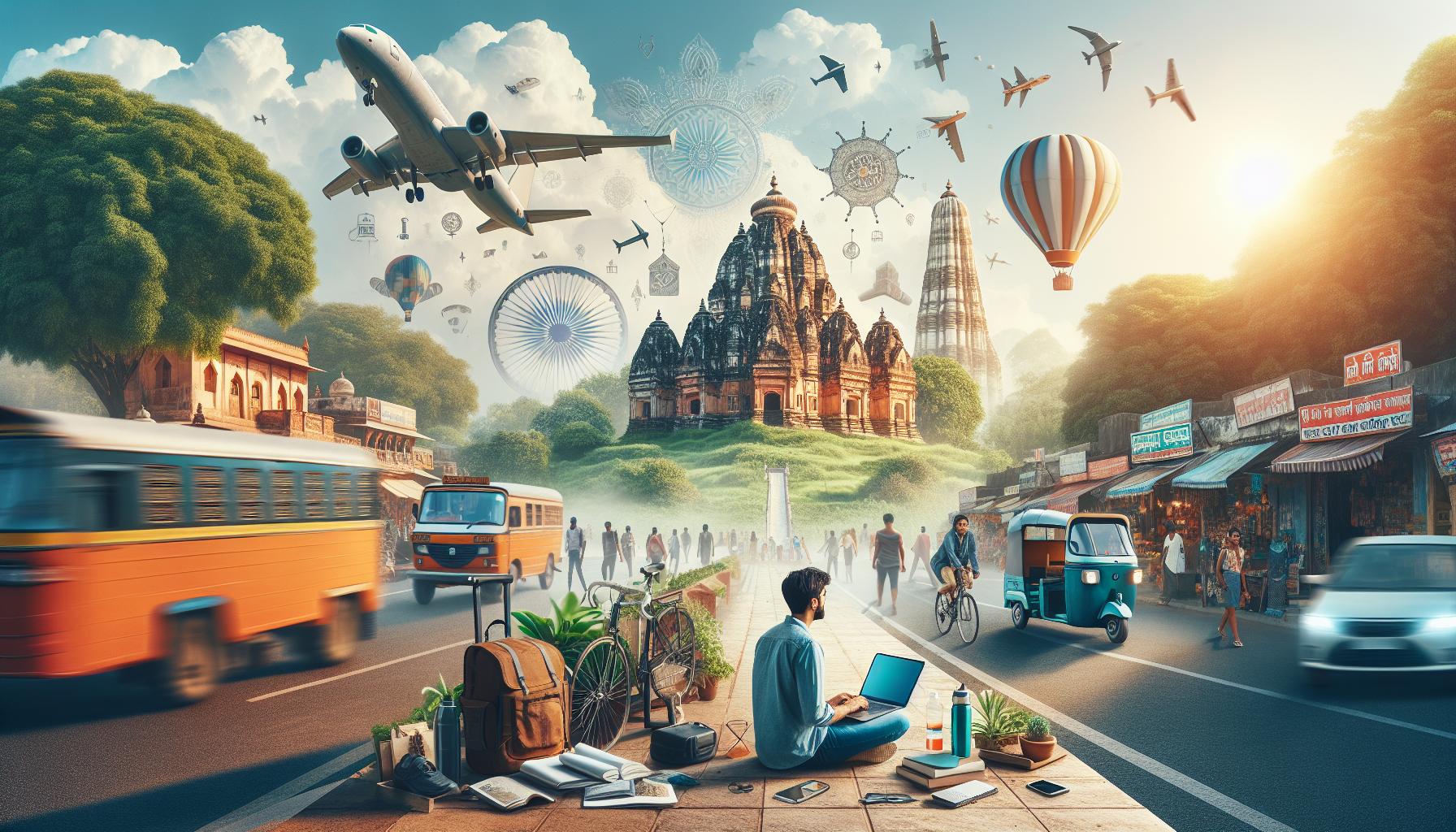
Transport Options: How to Travel Safely in India
Navigating India’s diverse transportation landscape can be one of the most exhilarating parts of your solo travel experience. With a multitude of options-each with its own flair, cultural significance, and quirks-understanding how to travel safely is essential for an enjoyable adventure. Public transport, ridesharing apps, and private vehicle rentals each come with distinct advantages and precautions that travelers should be aware of.
Public Transport
Utilizing India’s extensive public transportation system is both cost-effective and immerses you in local culture. Here are some practical tips to ensure a smooth experience:
- Trains: Indian Railways is one of the largest networks in the world. Booking your tickets in advance through official channels like the IRCTC website or app not only guarantees a seat but also helps avoid a lot of hassle. Always opt for the ‘Sleeper’ class if you plan to travel overnight as it’s safer and generally more comfortable.
- Buses: State-run and private buses are readily available for intercity travel. Aim for reputable bus companies that offer well-reviewed services. If possible, book your tickets ahead of time, especially for overnight trips.
- Rickshaws and Auto-rickshaws: For short distances, auto-rickshaws are convenient. Always negotiate the fare beforehand if an official meter is not available, to avoid confusion later.
Ridesharing Services
With the advent of technology, ridesharing apps like Uber and Ola have become reliable options for solo travelers wanting the convenience of door-to-door service. Here are some points to keep in mind:
- Safety Features: Both services offer features like live tracking, driver ratings, and the ability to share your ride details with a trusted friend. Always use these tools to enhance your safety.
- Know Your Pickup Point: Sometimes, drivers might have difficulty reaching your exact location. It’s wise to walk to a nearby landmark, especially in crowded areas.
Private Rentals and Taxis
If you wish to explore on your own terms, consider renting a car. Ensure to book through reputable companies, and if you choose to drive yourself, familiarize yourself with local traffic rules. Alternatively, hiring a taxi with a local driver can ease navigation through bustling cities.
Walking and Cycling
For those keen on soaking in the atmosphere, walking or cycling can be refreshing ways to explore local areas. Always stay aware of your surroundings, especially in crowded places, and stick to well-lit and populated streets.
By diversifying your travel options and being mindful of safety practices, you can embrace the vibrant landscapes and bustling streets of India confidently. Each method of transport offers unique experiences, reinforcing the welcoming spirit of a country ripe with adventures waiting to be discovered.
Accommodations: Choosing Safe Places to Stay
Finding the right place to stay is crucial for solo travelers seeking adventure and security in India. With its vibrant hostels, comfortable hotels, and unique guesthouses, solo travelers can find accommodations that not only fit their budget but also provide a safe and welcoming environment to return to after a day of exploration. Opting for places that prioritize safety can significantly enhance your travel experience, enabling you to focus on the thrill of discovery rather than concerns about your well-being.
When searching for accommodations, consider choosing well-known areas popular among travelers. Locations such as Paharganj in Delhi, Banares in Varanasi, and Fort Kochi in Kerala not only offer diverse lodging options but also feature numerous fellow travelers for camaraderie and exchange of local tips. Look for accommodations with positive online reviews, particularly those highlighting the safety and cleanliness of the establishment. Reliable platforms like Booking.com and Airbnb often provide user-generated ratings and detailed descriptions that can guide your decision-making process.
Types of Accommodations
Different types of accommodations can cater to various preferences and budgets. Here are some popular options you might consider:
- Hostels: Ideal for social solo travelers, hostels often have shared dormitories and communal areas that foster connections with other adventurers. Many also offer organized tours or group outings, making it easy for solo travelers to meet others.
- Hotels and Guesthouses: For a bit more privacy, choose budget hotels or guesthouses. Look for those that provide 24-hour front desk service, as it can be helpful for late arrivals or in case of emergencies.
- Homestays: Staying with local families can provide a unique cultural immersion and a sense of community. Hosts often offer insider tips about the area and may even prepare some authentic meals.
It’s essential to consider the amenities that enhance safety and comfort. Look for accommodations with features such as security cameras, key card access, and lockers for personal belongings. Additionally, ensure there are clear protocols for handling emergencies.
Booking Tips
To further ensure your safety when choosing accommodations, follow these tips:
- Research the Area: Understand the neighborhood dynamics. Areas should be well-lit and populated, especially if you’ll be arriving late in the evening.
- Read Recent Reviews: Pay attention to comments regarding safety and cleanliness, focusing especially on solo traveler experiences.
- Flexible Cancellation Policies: Consider bookings with cancellation flexibility to allow for changes in travel plans.
By prioritizing your accommodations, you can create a foundation of safety, thereby allowing your adventures in India to unfold without unnecessary worry. Whether you opt for the thrill of a bustling hostel or the comfort of a serene guesthouse, making informed choices will empower you to explore the rich tapestry of cultures and experiences India has to offer.
Health and Safety: Managing Risks While Traveling Alone
Traveling alone in a country as diverse and vibrant as India can be an exhilarating experience that expands your horizons and fosters personal growth. However, it’s essential to be aware of the specific risks involved while keeping your adventurous spirit intact. Understanding and managing these risks ensures you’re prepared for whatever your journey may bring. This encompasses everything from personal safety to health-related concerns, allowing you to explore the richness of Indian culture with confidence.
A proactive approach to health and safety can significantly enhance your travel experience. Start by familiarizing yourself with local health resources and travel insurance options that can cover unforeseen medical expenses. Ensure your vaccinations are up to date, including any region-specific requirements, and pack a small first-aid kit for minor injuries or ailments. Consider carrying a basic supply of over-the-counter medications for common issues like headaches or indigestion, which can be incredibly helpful when access to pharmacies may be limited.
It’s also vital to stay aware of your surroundings and practice common sense. When out and about, keep your belongings secure and be cautious of how much you expose your valuables. Avoid walking alone late at night in unfamiliar areas, and always have a plan for getting back to your accommodation safely. If you encounter a situation that feels uncomfortable, trust your instincts and remove yourself from it. Engage with fellow travelers or locals to get a sense of the area’s vibe, and don’t hesitate to ask for advice or help when needed.
Moreover, consider connecting with other solo travelers through social platforms or local meet-up groups. These connections can provide valuable support and insights, making your travels feel less isolating and more enriching. Sharing experiences and safety tips with fellow adventurers not only enhances your safety but also creates lasting friendships that can transform your journey. With diligence and a spirit of curiosity, your solo journey through India can become one of the most rewarding chapters of your life.
Emergency Contacts and Resources for Solo Travelers
In the heart of India’s vibrant cities and serene landscapes, knowing where to turn in times of need is essential for any solo traveler. Emergencies can arise unexpectedly, whether it’s a health issue, a natural disaster, or a lost passport. Being prepared with the right contacts and resources can make a substantial difference in navigating these situations with confidence and ease.
Start by keeping a handy list of local emergency contacts. In India, the universal emergency number is 112, which can be dialed for police, fire, and medical emergencies. Additionally, here are some more key numbers to have on speed dial:
- Police: 100
- Ambulance: 102
- Fire Department: 101
- Tourist Helpline: 1800 111 363
- Airlines & Travel Assistance: Keep customer service numbers of your travel bookings handy.
Equally important is knowing where to seek further assistance. Locate the nearest embassy or consulate of your country, as they can be invaluable in cases of lost passports or other crucial documents. Many embassies also provide local emergency contact resources and advice tailored to citizens abroad. If you’re looking for healthcare resources, familiarize yourself with the hospitals in the area you’re visiting, as well as any urgent care facilities. Apps like Google Maps can help you quickly find the nearest medical facilities when needed.
Staying informed is key to emergency preparedness. Leverage technology by downloading vital apps that offer real-time information about local safety, health services, and emergency alerts. Apps like CrisisGo and Google Maps can assist in route planning and provide insights on local areas. Furthermore, consider registering with travel safety services provided by your country’s government, which often include alerts, tips, and updates on safety conditions abroad.
While adventure awaits at every corner in India, having a robust emergency plan empowers you to explore with greater peace of mind. Establish a routine for checking in with family and friends back home, ensuring they know your whereabouts regularly. By layering these practical strategies, you’ll not only enrich your travel experience but also cultivate a sense of community and support throughout your journey.
Solo Travel Success Stories: Inspiring Adventures in India
Traveling solo in India can be a transformative experience, filled with moments that inspire and invigorate the adventurous spirit. Many solo travelers have embarked on journeys that not only challenged their comfort zones but also filled them with unmatched joy and fulfillment. For instance, take the story of Sarah, a solo traveler from Canada, who set out to explore the colorful chaos of Jaipur. Armed with just a map and her enthusiastic spirit, she roamed the winding streets, engaged with local artisans, and even participated in a traditional cooking class. The memories she made and friendships she forged reminded her that adventure awaits those who dare to venture alone.
In another inspiring tale, Ajay, an avid backpacker, chose to traverse the Himalayan foothills solo. What initially seemed like an intimidating venture transformed into a soul-enriching trek. He connected with local villagers, learned about their culture, and shared stories around bonfires. These interactions provided him a deeper appreciation for India’s rich heritage and hospitality. Ajay’s journey exemplifies that with a little preparation-like informing locals of your trekking plans and staying within group trails-solo travel can be both safe and enriching.
Solo travel not only fosters personal growth but also encourages resilience and adaptability. Consider Nina, who took a leap of faith and traveled alone to Varanasi. Her experience attending the mesmerizing Ganga Aarti, coupled with sharing her reflections with other travelers at her accommodation, allowed her to find a community in a city renowned for its spirituality. She discovered that building connections with fellow travelers and locals often enhances the solo travel experience, making each adventure part of an even larger narrative.
As you prepare for your solo journey in India, remember these stories of resilience, connection, and personal growth. With a spirit open to new experiences, you can create your own success story. Embrace the unpredictability, stay informed, and engage with the vibrant cultures around you. Your solo adventure could lead you to some of the most inspiring moments of your life, just as it has for many others.
Packing Smart: Essentials for Solo Travel Safety
When embarking on a solo adventure in India, the right preparation can make a significant difference in your experience. Packing smartly not only ensures you have the essentials for your journey but also enhances your sense of safety and security while traveling alone. Consider what you will need to handle various situations, from unpredictable weather to unexpected delays, all while keeping your belongings secure and organized.
To optimize your packing, focus on a few key categories that address both safety and comfort:
1. Essential Documents
Keeping your important documents organized and easily accessible should be a top priority. Include photocopies of your passport, visa, and travel insurance. Store these documents in a waterproof pouch that you can carry at all times. Additionally, consider having a digital backup saved on your phone or in cloud storage for added security.
2. Personal Safety Items
Invest in personal safety equipment that provides peace of mind. This can include:
- Whistle: A simple yet effective tool for signaling for help if needed.
- Personal Alarm: Many small alarms can deter unwanted attention, especially in crowded areas.
- Pac-safe or Anti-theft Backpack: Look for bags with lockable zippers and RFID-blocking technology to keep your belongings secure.
3. Versatile Clothing
Packing clothing that is both functional and adaptable can help you blend in with the locals while staying comfortable. Opt for lightweight, breathable fabrics suitable for varying temperatures. Layering is key; include:
- Lightweight Jacket: Perfect for cooler evenings or unexpected rain.
- Comfortable Walking Shoes: Essential for exploring both urban and rural areas.
- Scarf or Shawl: Useful for cultural sensitivity, providing coverage in temples, or as a wrap on chilly nights.
4. Health and Hygiene Essentials
To navigate the different locales of India with confidence, carry a compact first-aid kit and personal hygiene items. Include:
- Basic Medications: Pain relievers, allergy medications, and any prescriptions.
- Hand Sanitizer: Essential in public spaces where cleanliness can be uncertain.
- Reusable Water Bottle with Filter: Staying hydrated while also minimizing your ecological footprint.
Packing thoughtfully can transform your solo journey into a more relaxed and enjoyable experience. Each item you choose contributes not only to your personal safety but also to your overall comfort, enabling you to embrace the vibrant culture, breathtaking landscapes, and off-the-beaten-path adventures that India has to offer. By preparing wisely, you open the door to spontaneous encounters and lasting memories, enriching your travel tales and boosting your confidence as an independent explorer.
Exploring Off the Beaten Path: Safe Destinations in India
While many travelers flock to India’s iconic tourist hotspots like Delhi, Jaipur, and Agra, some of the most enchanting experiences lie off the beaten path. Discovering lesser-known destinations not only allows for a more intimate connection with the local culture but often promises a safer and more serene environment for solo travelers. Picture yourself trekking through lush hill stations, exploring ancient temples in remote villages, or lounging on picturesque beaches that are yet untouched by mass tourism.
Safe and Inspiring Destinations
When venturing beyond the main tourist routes, consider heading to regions like the serene town of Rishikesh, nestled in the foothills of the Himalayas. Known as the yoga capital of the world, Rishikesh offers a tranquil atmosphere and a strong sense of community among travelers and locals alike. The Ganges River flows through the town, providing opportunities for yoga, meditation, and even white-water rafting. Solo travelers can easily find accommodations ranging from cozy guesthouses to upscale hostels, where meeting other like-minded adventurers is a breeze.
Hampi, with its stunning ancient ruins and unique boulder-strewn landscapes, is another gem worth exploring. This UNESCO World Heritage site invites you to wander through intricate temples and historical sites at your own pace. The relaxed vibe encourages solo travelers to explore on foot or rent a bicycle, making it easy to connect with fellow travelers or locals. Ensure to visit the vibrant local market, where you can indulge in the region’s specialties and soak in the local culture.
For those seeking coastal solitude, the Andaman and Nicobar Islands provide unspoiled beaches and crystal-clear waters perfect for snorkeling, scuba diving, or simply soaking up the sun. Places like Havelock Island offer a plethora of safe, affordable accommodations and a friendly atmosphere, ideal for solo explorers looking to unwind. Make sure to engage with the local community, as they often offer valuable insights and tips that enhance your travel experience.
Staying Safe On Your Adventure
While these destinations are generally safe, it’s essential to remain vigilant and take practical safety precautions. Research the area you are visiting, and choose accommodations that are well-reviewed and cater specifically to solo travelers. Engage with other travelers-whether at communal dinners, guided tours, or local meetups-to share experiences and advice. Finally, trust your instincts; if something feels off, it’s perfectly fine to change your plans.
Exploring off the beaten path in India can be a rewarding experience that enriches your journey and encourages personal growth. By choosing safe and welcoming destinations, you open yourself up to unforgettable adventures and unique connections that will stay with you long after your trip concludes.
Q&A
Q: Is India safe for solo female travelers?
A: Yes, many solo female travelers visit India safely. However, it’s essential to stay vigilant, dress modestly, and avoid isolated areas at night. Engaging with local women and traversing popular tourist spots can enhance safety. For more tips, refer to our section on Essential Safety Tips for Solo Travelers in India.
Q: What are the best places in India for solo travelers?
A: Popular destinations for solo travelers include Jaipur, Rishikesh, Varanasi, and Goa. These cities offer vibrant cultures, friendly locals, and numerous activities. Exploring off-the-beaten-path locations can also provide unique experiences, which you can read more about in our Exploring Off the Beaten Path section.
Q: How do I stay connected while traveling alone in India?
A: You can purchase a local SIM card for affordable data and call rates, enabling you to stay in touch with friends and family. Wi-Fi is widely available in hotels and cafes, enhancing connectivity as you travel. Check our section on Connecting with Other Travelers for more tips.
Q: What should I do in case of an emergency while traveling in India?
A: Familiarize yourself with local emergency numbers and have a list of nearby hospitals or police stations. Always keep your important documents and cash securely stored, and consider getting travel insurance for additional safety. More resources can be found in our Emergency Contacts and Resources for Solo Travelers section.
Q: Are there any travel scams to watch out for in India?
A: Yes, common scams include overpriced taxi fares, unsolicited guides, and gem or jewelry scams. Always negotiate prices upfront and choose official taxis or ride-sharing services. For detailed insights on travel safety, we recommend the Essential Safety Tips for Solo Travelers in India.
Q: What cultural customs should solo travelers be aware of in India?
A: Understanding cultural norms, such as greeting with namaste, respecting religious sites, and dressing conservatively, is crucial. Engaging with locals respectfully fosters positive interactions and enhances your travel experience. Detailed etiquette can be found in our Understanding Local Laws and Etiquette for Safety section.
Q: What are the transportation options available for solo travelers in India?
A: Solo travelers can utilize trains, buses, auto-rickshaws, or car rentals for convenient travel. Train travel is affordable and offers a glimpse of local life, while ride-sharing apps enhance safety. For safe travel tips, see our Transport Options: How to Travel Safely in India section.
Q: How can solo travelers manage health risks in India?
A: To manage health risks, drink bottled water, eat at reputable restaurants, and consult a healthcare professional about necessary vaccinations before traveling. Carry a basic first-aid kit and know the locations of local pharmacies. More health safety tips can be found in our Health and Safety: Managing Risks While Traveling Alone section.
Future Outlook
As you embark on your adventure in India, remember that solo travel can be safe and rewarding with the right preparation. Understanding local customs, staying aware of your surroundings, and connecting with fellow travelers can enhance your experience and boost your confidence. For more tips, check out our articles on navigating cultural differences and finding safe accommodations in bustling cities.
Don’t forget to download our free travel checklist to ensure you have everything you need for your journey. Curious about other destinations? Explore our guides on Southeast Asia and the best solo travel spots worldwide. Your adventure awaits-dive deeper into our resources, and share your thoughts in the comments below. Your journey in India could be the beginning of a lifelong love for solo exploration!