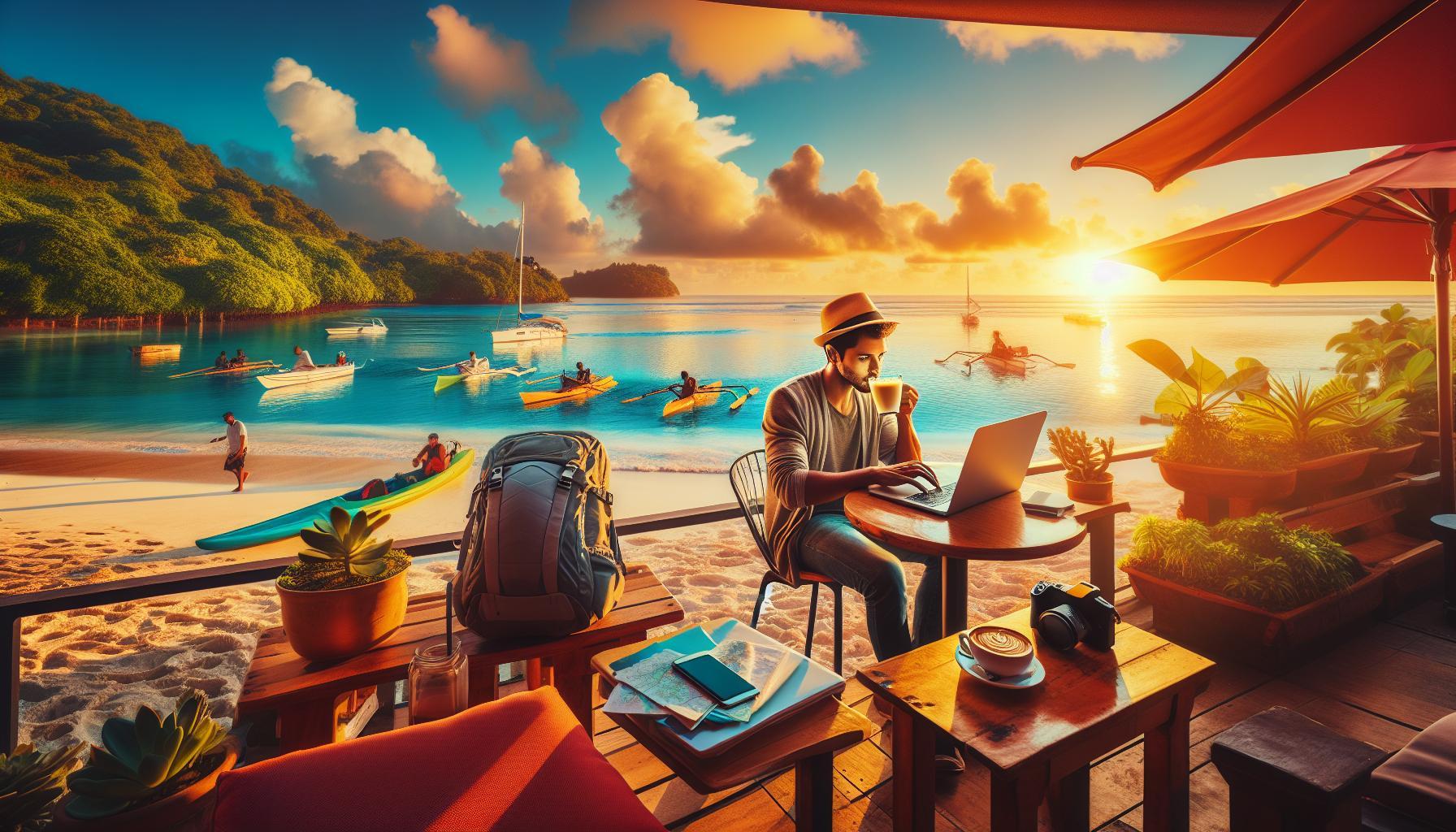
Imagine sipping a cup of rich Korean coffee while working on your next big project, all from the vibrant streets of Seoul. The newly introduced South Korea Digital Nomad Visa opens doors for remote workers to experience this thrilling blend of culture and modernity. Tailored for those seeking a unique working environment, this visa allows you to immerse yourself in K-culture while enjoying the flexibility of remote work.
Navigating the world of visa applications can be daunting, but understanding the ins and outs of the South Korea Digital Nomad Visa can empower you to make your travel dreams a reality. Whether you’re a seasoned digital nomad or just starting your journey, this guide will provide you with the essential information and practical tips to thrive in South Korea’s dynamic landscape. The opportunity to connect with a thriving community of remote workers while indulging in exceptional cuisine and breathtaking experiences is waiting for you. Dive in to learn how to embark on this exciting adventure!
Understanding the South Korea Digital Nomad Visa Benefits
South Korea has emerged as a compelling destination for digital nomads seeking both adventure and a thriving work environment. The introduction of the Digital Nomad Visa is a game-changer, designed to attract remote workers by offering a host of benefits that seamlessly blend with the vibrant and unique culture of the country. This visa not only grants you the legal right to live and work in South Korea, but also opens up a wealth of opportunities to immerse yourself in K-Culture-a dynamic fusion of tradition and modernity.
One of the standout advantages of the South Korea Digital Nomad Visa is the flexibility it offers. Visa holders can explore a rich cultural tapestry while maintaining their professional commitments. Imagine wrapping up your workday in a stylish co-working space in Seoul, then experiencing the exhilarating atmosphere of a local festival or enjoying a traditional tea ceremony-all within a stone’s throw from your desk. This lifestyle encourages a profound connection between work and play, enhancing both productivity and creativity.
Moreover, the cost efficiency cannot be overlooked. South Korea often provides a lower cost of living compared to many Western countries, with affordable housing and food options, especially if you venture beyond the tourist traps. With a reliable and fast internet infrastructure, you can enjoy a conducive work environment complemented by vibrant coffee shops and serene parks, making it easier to balance work and leisure. The accessibility of modern amenities combined with traditional experiences makes South Korea an ideal base for digital nomads eager for a fulfilling lifestyle.
Furthermore, the South Korean government has been proactive in creating supportive networks for expatriates. Many co-working spaces and community hubs are tailored for remote workers, fostering opportunities to connect with like-minded individuals and local entrepreneurs. This not only enhances your professional network but can also lead to collaborative projects that thrive on diverse perspectives. Embracing this visa isn’t just about work; it’s about being part of a community that values innovation, culture, and connection in an increasingly digital world.
How to Apply for the South Korea Digital Nomad Visa
Applying for the Digital Nomad Visa in South Korea can be an exhilarating step towards a lifestyle infused with adventure, creativity, and cultural richness. The application process, while straightforward, requires careful attention to detail and a few essential documents that highlight your professional status and intentions.
To begin your journey, follow these steps:
Steps to Apply
- Check Eligibility: Confirm that you meet the basic eligibility requirements, which generally include proof of remote work ability, financial stability, and a clear plan for your stay in South Korea.
- Gather Documentation: Compile necessary documents, such as a valid passport, proof of employment or freelance contracts, a financial statement showing sufficient funds for your stay, and health insurance coverage.
- Complete the Application Form: Visit the nearest South Korean embassy or consulate’s website to download the digital nomad visa application form. Fill it out carefully and ensure accuracy.
- Submit Your Application: Submit the completed application with all supporting documents either in-person at the consulate or online, depending on the specific guidelines provided by the embassy.
- Pay Fees: Be prepared to pay the application fee, which can vary based on your country of residence and application type.
- Await Approval: After submission, wait for the processing period, which typically takes a few weeks. During this time, you might be contacted for additional information or clarification.
- Receive Your Visa: Once approved, you’ll receive your visa, which will allow you to live and work in South Korea while enjoying the vibrant K-Culture that awaits you.
Be proactive during this process. Engage with fellow nomads online through forums or social media groups to gain insights and tips based on recent experiences. Documenting your journey and sharing your application stories can also foster a sense of community, turning the application into an adventure rather than a chore. As you navigate this exciting path, remember that immersing yourself in South Korea’s rich culture will be just as rewarding as the professional growth you seek.
Essential Requirements for Digital Nomads in South Korea
To embark on your journey as a digital nomad in South Korea, it’s paramount to understand the essential requirements necessary for visa approval and a smooth transition into this vibrant culture. Engaging in remote work from a different country not only enriches your personal experience but also introduces a set of criteria to increase your chances of getting the visa.
First and foremost, proof of employment or contracts is essential. You must demonstrate that you have a reliable source of income through remote work. This could include letters from your employer, freelance contracts, or a showcase of businesses you work with. It’s advisable to have a consistent income, typically meeting or exceeding the country’s minimum living wage, to ensure your financial self-sufficiency while residing in South Korea.
Another critical element is a valid passport, which should have at least six months of validity remaining at the time of application. Don’t forget to have comprehensive health insurance; coverage for unexpected situations is not just a good idea but a requirement for most visa applicants. Additionally, prepare a financial statement illustrating your funds-showing that you possess sufficient finances to support yourself during your stay is vital in your application.
Finally, developing a clear plan for your time in South Korea can set your application apart. This could encompass your intended cities, lifestyle choices, and immersion into Korean culture. Articulating how you plan to engage in local communities can offer invaluable insight to your application, highlighting your commitment to not just work remotely but also live fully in South Korea’s rich cultural tapestry.
Exploring the Unique K-Culture Experience for Remote Workers
South Korea’s vibrant culture, marked by its rich traditions and rapid modernization, offers an exhilarating backdrop for remote workers looking to infuse their daily lives with unique experiences. From the bustling street markets of Seoul to the serene temples nestled in Busan’s mountains, engaging with local customs and lifestyles can enhance your journey as a digital nomad. Imagine sipping on traditional Korean tea after a productive work session while mingling with locals who share stories that reflect both ancient practices and contemporary trends.
Embracing K-Culture involves more than just enjoying Korean BBQ or binge-watching K-Dramas. It’s about immersing yourself in the Korean way of life, which greatly values interpersonal relationships and community. As a digital nomad, take the initiative to participate in local events, workshops, or classes to deepen your understanding of the culture and make meaningful connections. Consider attending language exchange meet-ups, where you can improve your Korean skills while helping others practice English. This exchange fosters friendships and opens doors for professional collaborations.
In your explorations, you should seize the opportunity to experience unique facets of Korean culture that resonate with your passions. Whether it’s the vibrant art scene, the world of K-Pop, or traditional crafts, you can find ways to integrate these elements into your remote work routine. For example, schedule your work hours around local community classes or exhibitions that inspire creativity and offer networking opportunities. Many cafes in cities like Jeonju or Incheon cater specifically to freelancers, providing an ideal ambiance to boost productivity while enjoying local coffee blends.
Culinary experiences are another integral part of immersing in K-Culture. Consider taking cooking classes to learn how to prepare beloved dishes like kimchi or bibimbap. These classes not only enhance your culinary skills but also introduce you to fellow food enthusiasts. As you engage with local cuisine, you’ll gather lasting memories that enrich your life in South Korea and become a bridge of cultural exchange when sharing your experiences back home.
Traveling across South Korea, don’t miss the chance to witness cultural festivals, which are abundant throughout the year. Participating in events like the Busan International Film Festival or the Biennale, where contemporary art meets tradition, can offer both inspiration and valuable insights into Korean society. By immersing yourself in these experiences, not only will your days become more fulfilling, but you’ll also enrich your ability to navigate work-life balance as you discover the stunning interplay between your remote career and the captivating K-Culture.
Top Cities in South Korea for Digital Nomads
In South Korea, vibrant cities cater to the growing community of digital nomads, each offering unique experiences that blend work and the richness of K-Culture. Seoul, the capital, is a top contender. Known for its unparalleled connectivity and plethora of coworking spaces, it boasts a dynamic startup scene that attracts remote workers. With neighborhoods like Gangnam and Hongdae, you’ll find trendy cafes with excellent Wi-Fi, perfect for spurring creativity. Moreover, Seoul’s cultural landmarks, such as Gyeongbokgung Palace and the lively Myeongdong shopping district, provide a backdrop for inspiring breaks away from your screen.
Another exciting hub is Busan, where the stunning coastlines blend seamlessly with urban life. This port city is famous for the Busan International Film Festival and its vibrant beach culture. Digital nomads in Busan can enjoy a more laid-back lifestyle while still accessing reliable internet cafes and shared workspaces. Don’t miss the opportunity to work with your laptop by the waterfront, where the picturesque views can invigorate your productivity. Busan’s unique mix of traditional markets and modern convenience stores enhances the work-life balance.
Jeonju, often overlooked, is a gem for those seeking a quieter, culturally rich environment. Known as the birthplace of bibimbap, the city celebrates its culinary heritage, which you can explore between work sessions. Jeonju’s hanok (traditional Korean house) village offers not only aesthetic charm but also a distinctive cultural experience. Its slow-paced lifestyle allows for deeper connections within the community, making it an ideal location for networking with locals and fellow nomads.
Incheon, with its proximity to Seoul and a wealth of amenities, is another attractive option. The city features newly developed districts that prioritize innovation and tech, complete with coworking spaces that foster collaboration among freelancers. Incheon also offers charming parks and waterfronts, where you can unwind after a day of work. Plus, having one of the world’s busiest airports at your doorstep eases any travel plans.
Exploring these diverse cities will not only expand your professional horizons but also enrich your life in South Korea. Be it through cultural experiences, culinary delights, or networking opportunities, each city offers something special for the adventurous digital nomad.
Lifestyle and Cost of Living for Nomads in South Korea
In South Korea, the lifestyle for digital nomads is as dynamic as its cities, offering a unique blend of modern conveniences and rich cultural experiences. With a well-established infrastructure, affordable living options, and vibrant communities, you can thrive as a remote worker while immersing yourself in K-Culture. The cost of living varies significantly between cities, making it essential to choose the right location that aligns with both your professional needs and lifestyle preferences.
For those settling in cities like Seoul, the capital’s energetic environment provides numerous coworking spaces, cafes, and networking opportunities. Renting an apartment in Seoul typically ranges from $500 to $1,200 per month, depending on the neighborhood. Expenses for food can be economical; a meal at a local restaurant might cost about $6-$10, while street food offers even lower prices for delicious experiences. In contrast, more relaxed cities like Busan or Jeonju present more affordable rent at around $300 to $800, along with laid-back lifestyles that facilitate work-life balance, allowing for both productivity and relaxation on the beach or in traditional hanok buildings.
Here’s a quick overview of the typical monthly expenses you can expect in major cities:
| Expense Category | Seoul | Busan | Incheon | Jeonju |
|---|---|---|---|---|
| Rent (1-bedroom) | $800 – $1,200 | $300 – $800 | $500 – $1,000 | $300 – $600 |
| Food (per month) | $200 – $400 | $150 – $300 | $150 – $350 | $150 – $250 |
| Public Transport | $50 | $40 | $40 | $30 |
| Internet (monthly) | $30 | $30 | $30 | $30 |
In addition to affordability, South Korea’s excellent public transportation in cities ensures you can travel efficiently and safely, making it convenient to explore cultural landmarks and natural beauty. Embracing the local lifestyle can also lead to invaluable experiences. Engaging in language classes or community events can create connections, enriching your time abroad and fostering friendships both among locals and fellow nomads.
As you navigate this exciting chapter of your life, remember that balancing work and cultural immersion is key. Leverage the rich local offerings-like cooking classes, traditional tea ceremonies, and taekwondo lessons-to enhance your experience and build a life that feels both productive and fulfilling. With stunning landscapes, delectable food, and a welcoming atmosphere, South Korea invites you to not only work but live vibrantly.
Navigating the South Korean Tax System as a Nomad
Understanding the intricacies of taxation is crucial for any digital nomad, particularly when living and working in a foreign country like South Korea. Navigating the South Korean tax system while enjoying the vibrant culture and remote work opportunities can seem daunting, but it’s entirely manageable with a bit of preparation. The key is to familiarize yourself with the local taxation policy and ensure that you’re compliant to avoid unexpected complications.
South Korea operates a progressive income tax system, which means that your tax rate increases as your income rises. Foreigners may be classified as either residents or non-residents for tax purposes, based on the length of stay in the country. If you stay for more than 183 days in a tax year, you’ll typically be classified as a resident, making you liable for taxes on your worldwide income. Conversely, non-residents are only taxed on income sourced in South Korea. It’s essential to keep track of your stay to determine your tax residency status correctly.
To help you stay compliant, here are some steps you can take:
- Obtain a Tax Identification Number (TIN): This number is essential for tax purposes and helps track your tax liabilities in South Korea.
- Keep Accurate Financial Records: Maintain detailed records of your income, expenses, and any deductions to simplify the filing process.
- Consult a Tax Professional: Engaging a tax advisor who understands both South Korean and your home country’s tax laws can provide invaluable assistance, especially when considering tax treaties that can minimize double taxation.
- File Your Taxes Timely: The tax filing season typically runs from May 1 to May 31 for residents. Prepare in advance to avoid last-minute stress.
One noteworthy aspect of South Korea’s tax system is the potential for tax credits and deductions. Certain expenses, such as contributions to the National Pension Service, health insurance, or qualifying education expenses, may be deductible. Be sure to investigate what credits you may be eligible for, as they can considerably reduce your tax bill.
Lastly, it’s essential to understand your obligations back home. Many countries have their regulations regarding foreign income, and ensuring compliance can prevent issues with multiple tax authorities. With the right approach and understanding, managing your taxes in South Korea as a digital nomad can be straightforward, allowing you to focus on enjoying your unique K-Culture experience while thriving in your remote work journey.
Remote Work Opportunities: Connecting with K-Businesses
The digital landscape in South Korea is flourishing, making it an exciting hub for remote work and professional connections. With the surge of tech startups and established companies embracing flexible work arrangements, digital nomads have unparalleled opportunities to collaborate with innovative K-businesses. The fusion of diverse expertise and cultural perspectives presents a vibrant environment where creativity and productivity thrive.
Engaging with the South Korean business community involves knowing where to look for opportunities and how to make meaningful connections. Start by leveraging platforms like LinkedIn, where you can connect with local companies, industry leaders, and fellow professionals in your field. Participating in industry-specific online forums or joining relevant Facebook groups can also open doors to collaborations and freelance gigs. Many cities in South Korea, particularly Seoul and Busan, host regular networking events and meet-ups dedicated to technology and entrepreneurship. Websites like Meetup.com can guide you to these events, which are fantastic for meeting like-minded individuals and expanding your network.
Moreover, you can tap into the local freelance scene through platforms like Upwork or Freelancer, which feature numerous projects that seek international talent. Joining co-working spaces is another effective way to immerse yourself in the local startup ecosystem. These spaces often organize community events, workshops, and seminars that can help you showcase your skills and connect with potential clients. Examples of popular co-working spaces include WeWork and The Hive, offering not just a workspace but an engaging community of innovators.
If you’re willing to dive deeper, consider volunteering for tech workshops or startup accelerators, which can provide invaluable connections and first-hand industry insights. The Korean startup scene is receptive to diverse talents, and showing enthusiasm to learn about local business practices can create a favorable impression. By actively engaging with K-businesses, not only do you enhance your professional portfolio but also enrich your experience immersed in a culture renowned for its technological advancement and dynamism. Embrace the opportunity to work with local brands; it could lead to fulfilling collaborations that enhance your digital nomad journey in South Korea.
Safety Tips for Solo Digital Nomads in South Korea
South Korea is known for its vibrant cities, rich culture, and state-of-the-art infrastructure, making it an appealing destination for solo digital nomads. However, ensuring your safety while exploring this dynamic country is paramount. Understanding local customs, being aware of your surroundings, and embracing tech advancements can all contribute to a secure and enjoyable experience.
One essential tip is to stay connected. Having a reliable mobile phone plan can serve as your lifeline in unfamiliar areas. Purchase a local SIM card or rent a portable Wi-Fi device to ensure you always have access to maps, translation apps, and emergency contacts. It’s also wise to download safety apps like KakaoTalk for communication and Korean emergency services like 119 for medical attention or fire emergencies.
Utilize public transportation, which is both efficient and safe. The subway systems in cities like Seoul and Busan are equipped with clear signage in English, making navigation easier. Always keep personal items secure while traveling on public transport and remain alert during peak hours. Additionally, choose accommodations in safer neighborhoods and read reviews from other travelers to find well-regarded hostels or hotels that prioritize guest safety.
Lastly, understanding and embracing cultural etiquette can make interactions smoother and enhance your overall experience. For instance, greeting locals with a polite nod or bow goes a long way. In crowded places, using polite phrases and showing respect can not only prevent misunderstandings but also make you blend in better, minimizing the likelihood of being targeted. By taking these steps, solo digital nomads can navigate South Korea with confidence, enhancing their work-life balance while enjoying rich cultural experiences.
Cultural Etiquette: Thriving in Korean Society
Korea’s rich tapestry of traditions, values, and social norms creates a unique backdrop for both business and personal interactions. Understanding and embracing cultural etiquette is essential not only for successful communication but also for fostering meaningful connections as you navigate life as a digital nomad.
A fundamental aspect of Korean culture is respect, particularly towards elders and authority figures. When greeting someone, a gentle bow is customary and shows acknowledgment of their position, reflecting a deep-rooted Confucian value of respect for hierarchy. In casual settings, a nod can suffice, but it’s always polite to accompany your greeting with a warm smile. When it comes to conversations, maintaining eye contact conveys confidence and sincerity, though excessive directness may be perceived as confrontation. Always use appropriate honorifics when addressing others-this adds a layer of respect and can significantly enrich your interactions.
Dining etiquette is another cornerston of Korean culture. When invited to share a meal, it’s courteous to wait for the eldest person to begin eating before you do. Also, it’s common for Koreans to pour drinks for one another instead of serving themselves, which fosters camaraderie. If you receive a drink, hold the glass with two hands, indicating your respect for the person sharing the moment with you. Finally, when finished eating, leaving a little food on your plate can signify that you were well fed, while clearing your plate completely might imply you were still hungry.
Navigating the complexities of cultural etiquette also involves understanding the importance of teamwork and group harmony. In professional settings, showcasing camaraderie by participating in group activities and showing willingness to collaborate can lead to stronger connections with local colleagues and clients. Color-coded gratitude or praise is often expected; verbal acknowledgment of group efforts or complimenting team accomplishments can enhance your rapport.
For digital nomads, immersing yourself in these customs not only improves interpersonal relationships but also enriches your overall experience in South Korea. Respecting these nuances will empower you to thrive as you blend work and exploration, making your time in this vibrant nation truly unforgettable.
Building a Community: Networking as a Digital Nomad
Establishing a vibrant community while navigating life as a digital nomad in South Korea can significantly enhance your experience and opportunities. Seoul, Busan, and other burgeoning metropolitan areas are teeming with fellow remote workers, entrepreneurs, and locals eager to connect. By leveraging various networking opportunities and platforms, you can build meaningful relationships that not only support your professional goals but also enrich your social life.
To kickstart your networking journey, consider joining online platforms tailored to remote workers and expatriates. Websites like Meetup, Couchsurfing, and local Facebook groups provide excellent avenues to connect with others in similar situations. Participate in digital nomad events, co-working spaces, and workshops – these spaces foster an atmosphere of collaboration and friendship. For example, spaces like WeWork and The Hive are not just work environments but also often host networking events and social gatherings that can help you forge connections with local professionals and fellow nomads.
Engagement Through Local Culture
Embracing local culture is another powerful way to build community. Attend festivals, cultural workshops, and volunteer opportunities that allow you to immerse yourself in Korean traditions while meeting people. Joining classes to learn the Korean language not only aids in communication but also offers a chance to connect with both locals and fellow expatriates. Remember, Koreans appreciate when foreigners make an effort to understand their culture, and this respect can lead to lasting friendships.
Engaging with your network is just as crucial as building it. Regularly check in with contacts for coffee catch-ups or collaborative projects. Host informal gatherings or potlucks to create a space where people can share ideas and experiences, fostering a close-knit community. Also, consider creating a digital group or forum where members can continue sharing resources, experiences, and job opportunities. By nurturing these connections, you’ll find support throughout your nomadic journey in South Korea, allowing you to unlock new opportunities and enjoy the adventure of remote work to its fullest.
Building a community as a digital nomad requires initiative, openness, and a willingness to step outside of your comfort zone-but the rewards are immeasurable. Embrace the vibrant K-Culture and the warm spirit of the community, and you will find that your stay in South Korea becomes a truly enriching chapter in your nomadic life.
Traveling Around South Korea: Best Hacks for Nomads
Exploring a country that balances modern technology and deep-rooted culture can be exhilarating, and South Korea is no exception. From bustling cities to serene countryside, navigating the terrain effectively is vital for digital nomads looking to balance work and play. Here are some practical hacks to enhance your travel experience in South Korea, ensuring you make the most of your time while still meeting your professional obligations.
One of the most convenient ways to travel around is by leveraging the extensive public transportation system. The Korail Pass offers unlimited rides on the KTX high-speed trains, which can take you across the country to destinations like Busan or Jeonju. Additionally, invest in a T-money card for easy access to bus and subway services in major cities. This rechargeable card can be used not only on public transport but also at convenience stores, making it incredibly versatile. Downloading apps like KakaoMap and Naver Maps can also streamline navigation, as they provide real-time directions and are more detailed than Google Maps in South Korea.
Local Experiences
To truly embrace the K-Culture, consider using Couchsurfing or Airbnb to find accommodations in local neighborhoods rather than tourist hotspots. This experience fosters genuine interactions with locals, offering you insights to hidden gems that may not make it onto your itinerary. When exploring the culinary scene, don’t miss Gwangjang Market in Seoul for authentic street food or take a cooking class in your city, helping you connect with fellow food lovers while learning to prepare traditional dishes.
Networking and Community Vibes
Networking can also occur organically while traveling. Attend local meetups through platforms like Meetup or Eventbrite, where you can engage with other digital nomads, expats, and locals who share similar interests. Joining a community co-working space like WeWork or The Hive can enhance both your productivity and social life, offering a backdrop for events and workshops that promote collaboration among remote workers.
Taking time to explore the less-traveled paths of South Korea not only enriches your experience but also refreshes your mind. Consider visiting stunning locations like Jeju Island for hiking and beach vibes or exploring the historical sites of Gyeongju. Make the most of your nomadic journey by blending work with adventure, and remember that every city and province has something unique to offer, waiting just around the corner for you to discover.
FAQ
Q: What is the South Korea Digital Nomad Visa?
A: The South Korea Digital Nomad Visa allows remote workers to reside in South Korea while working for foreign companies or as freelancers. Designed to attract international talent, it facilitates the blending of K-culture experiences with remote work opportunities.
Q: How long can I stay in South Korea with the Digital Nomad Visa?
A: Holders of the South Korea Digital Nomad Visa can typically stay for up to one year. After that, extension options may be available, allowing for a continued immersive experience in South Korea’s vibrant culture and economy.
Q: What are the key benefits of the South Korea Digital Nomad Visa?
A: Key benefits include the ability to live in a dynamic country known for its unique K-culture, access to coworking spaces, and opportunities to network with local businesses. The visa also supports a balanced lifestyle with world-class amenities.
Q: Are there specific requirements for obtaining the Digital Nomad Visa in South Korea?
A: Yes, applicants must meet specific criteria including proof of remote employment or freelance work, financial stability to support themselves, and a valid passport. Thorough understanding of these requirements is essential for a successful application.
Q: What cities are best for digital nomads in South Korea?
A: Top cities for digital nomads include Seoul, known for its vibrant tech scene; Busan, famous for its beaches; and Jeju Island, offering a more relaxed atmosphere. Each city provides unique experiences and amenities for remote work.
Q: How does the cost of living in South Korea compare for digital nomads?
A: The cost of living in South Korea varies by city but is generally reasonable compared to Western countries. Major cities like Seoul can be more expensive, yet affordable options exist, especially in housing and dining.
Q: What networking opportunities are available for digital nomads in South Korea?
A: South Korea offers numerous networking opportunities through events, coworking spaces, and online communities. Engaging with local businesses and international meetups can enhance professional connections and cultural exchanges.
Q: Do I need a work permit in addition to the Digital Nomad Visa?
A: No, the South Korea Digital Nomad Visa serves as work authorization, eliminating the need for a separate work permit when working for foreign employers or freelancing. Ensure compliance with visa terms to avoid legal issues.
To Wrap It Up
Ready to embark on your South Korean adventure? The Digital Nomad Visa not only opens doors to a vibrant work culture but also invites you to immerse yourself in the rich tapestry of K-culture. Don’t miss your chance to blend work and exploration in this dynamic country!
For more insights on navigating the remote work landscape, check out our guides on remote work setups and tips for managing taxes while abroad. If you have questions or want to share your experiences, join the conversation in the comments below; we’d love to hear from you! Sign up for our newsletter to stay updated on essential resources and exciting updates tailored for digital nomads. The world of remote opportunities awaits-take the leap today!