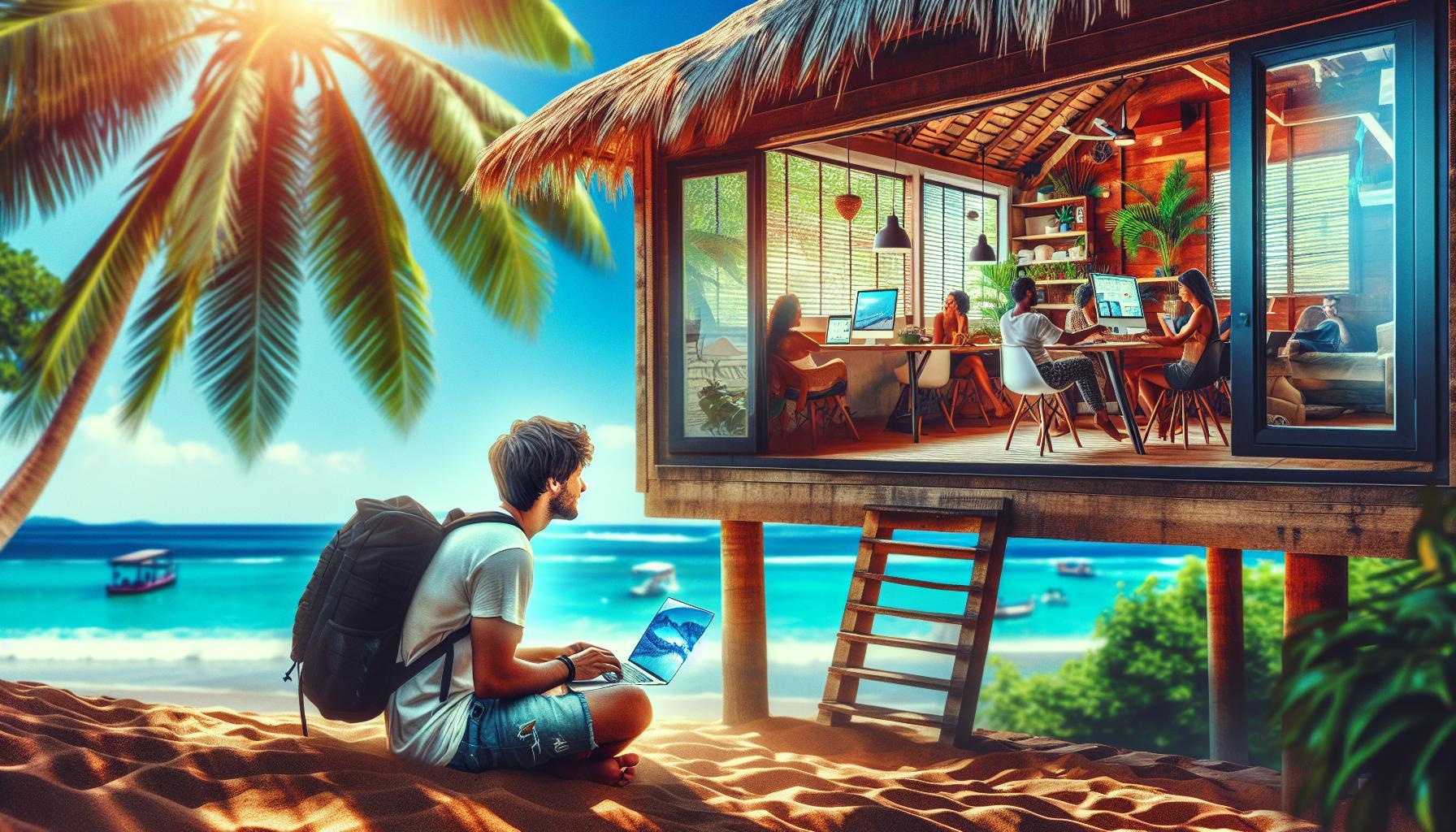
Imagine waking up to the sound of waves crashing on a distant shore, knowing that your office is wherever you choose to lay your laptop. Digital nomad visas are your gateway to this lifestyle, allowing you to live and work legally in various countries around the globe. With over 60 nations offering these unique opportunities, the chance to blend work and adventure has never been this accessible.
As remote work becomes increasingly mainstream, many professionals seek to escape the confines of traditional offices and embrace a life of travel and exploration. But navigating the complexities of visas, taxes, and local regulations can be daunting. This guide is designed to demystify the process, helping you identify the countries that offer the most attractive digital nomad visas and the key requirements for applying.
Whether you’re a seasoned traveler or taking your first steps into the world of remote work, discovering your next destination is just a few clicks away. Prepare for new adventures as you unlock the freedom to work from breathtaking locales while still maintaining your professional commitments. Your journey into a world of endless possibilities begins here!
Countries with the Best Digital Nomad Visa Programs
The allure of the digital nomad lifestyle is undeniably captivating, and certain countries have stepped up their game by offering exceptional digital nomad visa programs. These programs don’t just allow remote workers to settle down for an extended time; they enhance the experience by facilitating an enriching environment tailored for creativity and productivity. Among the nations leading this trend, several stand out for their appealing features, welcoming cultures, and vibrant communities.
Top Countries for Digital Nomad Visas
- Portugal: Known for its diverse cities like Lisbon and Porto, Portugal offers a stunning combination of historic charm and modern amenities. The D7 visa provides a pathway for remote workers, especially retirees or passive income earners, to reside in the country while enjoying its fantastic climate and rich culture.
- Croatia: With its beautiful coastline and vibrant outdoor lifestyle, Croatia has launched a digital nomad visa that allows remote workers to stay for up to a year. Cities like Zadar and Split not only offer breathtaking views but also a burgeoning digital community.
- Barbados: The Barbados Welcome Stamp allows remote workers to live in this tropical paradise for up to a year. Imagine working from a beachside café while enjoying the island’s stunning sunsets. This program particularly appeals to those looking for an idyllic work-life balance.
- Mexico: With its rich culture, delectable cuisine, and low cost of living, Mexico is a favorite among digital nomads. The Temporary Resident Visa can be obtained for up to four years, allowing ample time to explore dynamic cities like Mexico City and vibrant coastal towns like Tulum.
- Estonia: Pioneering the digital nomad visa movement, Estonia offers a unique chance to work from one of Europe’s most innovative countries. The e-Residency program emphasizes a tech-friendly environment, making it a prime location for startups and tech professionals.
Choosing the right destination matters greatly for remote workers seeking not only a breathtaking backdrop but also a supportive infrastructure. As these countries expand their focus on the digital nomad community, they provide not only the chance to work remotely but also an opportunity to immerse oneself in new cultures, make lasting connections, and explore uncharted territories. Whether you crave art and history, nature, or vibrant nightlife, the world is your oyster, waiting for you to embark on your next adventure.
Understanding Digital Nomad Visa Requirements

To embark on an adventure as a digital nomad, understanding the requirements for digital nomad visas is essential. Each country offers its unique set of criteria, reflecting their specific needs and welcoming practices to attract remote workers. Generally, there are common elements that aspiring nomads should consider when evaluating their eligibility for these visas.
Firstly, proving your remote work capability is crucial. Many countries request documentation demonstrating that you are employed by a company not based in the host country or that you run an independent business with clients outside their borders. This often requires practical proof like employment contracts, client agreements, or bank statements showing income from overseas.
Secondly, most digital nomad visas have minimum income requirements to ensure that you can support yourself while living abroad. For instance, countries like Portugal and Croatia generally stipulate a minimum monthly income that is often several times above the average local salary. It’s advisable to check the exact figures and proof needed prior to applying, as they can vary significantly between destinations and change over time.
In addition, a valid passport and appropriate health insurance coverage are typically mandatory. Countries want assurance that remote workers can manage their health risks while living there. Health insurance may need to cover specific parameters like international coverage, emergency medical evacuation, and repatriation.
Lastly, background checks or police clearance certificates might be requested to verify good conduct, especially for long-term stays. This demonstrates that you pose no security threat to the host country. It is prudent to start gathering these documents early to avoid any delays in your application process as requirements may vary widely between different countries.
By familiarizing yourself with these core requirements and preparing your documentation ahead of time, you’ll set yourself up for a smooth application process and can enjoy the journey of living and working in new, exciting locales.
Top Benefits of Securing a Digital Nomad Visa

Securing a digital nomad visa opens the door to a world of possibilities, allowing you to immerse yourself in new cultures while pursuing your career remotely. These specially designed visas not only grant you the legal right to live and work in a foreign country but also offer a multitude of benefits that enhance your nomadic lifestyle.
One of the standout advantages is the freedom to choose your environment. With a digital nomad visa, you can select from diverse countries that cater to your preferences-be it the vibrant streets of Lisbon, the serene beaches of Bali, or the historical charm of Prague. This flexibility not only enriches your personal experiences but also augments your creativity and productivity, leading to profound professional growth.
Moreover, many countries offering digital nomad visas are actively cultivating communities for remote workers. This means that when you arrive, you’ll likely find built-in social networks of like-minded individuals. Co-working spaces, networking events, and local meet-ups provide excellent opportunities to connect with fellow nomads, share experiences, and collaborate on projects. These interactions can be invaluable, helping you to feel less isolated and more engaged during your travels.
Additionally, there are often financial incentives associated with digital nomad visas. Many countries recognize the economic benefit that remote workers bring, so they may offer lower tax rates, reduced living costs, and enhanced support services. For instance, places like Portugal provide appealing benefits that can help you balance your work-life harmony while enjoying a lower cost of living compared to many western cities.
Embracing the digital nomadic lifestyle enriches not just your professional skill set but also your personal journey. With a digital nomad visa, you are empowered to explore the world while building a life that integrates work and adventure seamlessly. As you navigate through these opportunities, remember that the experiences you gain abroad will shape both your career and your worldview.
How to Choose the Right Destination for Remote Work

Choosing the ideal destination for your remote work adventure is a transformative decision that goes beyond mere geography. It’s about finding a place that resonates with your lifestyle, work habits, and personal interests. When evaluating potential countries that offer digital nomad visas, consider several key factors that will influence your productivity, well-being, and overall experience.
Evaluate the Cost of Living
Understanding the cost of living in your chosen destination is paramount. Cities like Lisbon and Bali provide affordable housing, food, and transportation, making them popular choices for digital nomads. By researching the average costs in various countries, you can better plan your budget and find a location that allows for a comfortable lifestyle. Websites like Numbeo or Expatistan can be useful for comparing costs directly.
Connectivity and Work Environment
Stable internet access is essential for any remote worker. Prioritize destinations known for reliable wifi and abundant co-working spaces. Cities such as Barcelona and Chiang Mai have become hubs for freelancers due to their vibrant coworking communities and tech-friendly infrastructures. Checking recent reviews on local cafes and co-working spaces can provide insight into the work environment you’ll encounter.
Community and Networking Opportunities
A supportive community can elevate your remote work experience. Look for locations actively promoting networking among digital nomads, such as Medellín or Tbilisi, where countless meetups and workshops exist. Engaging with local and traveling professionals can lead to collaborations and friendships, making your journey not only rewarding work-wise but also socially enriching.
Cultural Fit and Lifestyle
Your destination should align with your personal interests and lifestyle preferences. Consider what you enjoy beyond work. Are you attracted to vibrant nightlife, tranquil beaches, or cultural experiences? A place that excites you during your free time can enhance your overall happiness and productivity. Additionally, make sure to check local customs, language, and community attitudes toward foreigners to ensure a smooth transition.
By reflecting on these considerations, you’ll be better equipped to make an informed choice that enriches both your work and personal life. The world is filled with opportunities waiting to be explored, and your next remote adventure is just a decision away!
Step-by-Step Guide to Applying for Digital Nomad Visas

Applying for a digital nomad visa can be a thrilling yet complex process that opens the doors to a world of possibilities in remote work. With various countries offering unique visa programs, understanding the steps can empower you to take that leap into an adventurous lifestyle. Here’s a straightforward guide to navigate the application process smoothly.
Start by identifying the country that suits your work and lifestyle preferences the best. Each destination has its own set of requirements, restrictions, and benefits. Countries like Portugal, Greece, and Estonia are popular for their welcoming policies towards remote workers. Once you’ve chosen a location, visit the official government website to gather accurate and up-to-date information regarding their digital nomad visa.
Next, ensure that you meet the eligibility requirements. Most countries will have specific criteria, such as proving your remote work status, demonstrating sufficient income, and ensuring you have valid health insurance. Compile necessary documentation, including proof of employment or contracts, bank statements, and health insurance details. Make sure all documents are translated into the country’s official language if required.
After gathering your documents, it’s time to submit your application. This can usually be done online or in person at a local consulate, depending on the country. Pay attention to ensure all forms are filled out correctly, as any discrepancies can lead to delays or rejections. Along with your application, be prepared to pay any associated fees, which can vary significantly from one country to another.
Finally, once you’ve submitted your application, prepare for the waiting period. This can range from a few weeks to several months, depending on the country. During this time, stay proactive by connecting with local digital nomad communities or researching accommodations and workspaces in your chosen destination to hit the ground running when your visa is approved. Remember, patience and preparation can turn the bureaucratic process into an exciting pathway to your next adventure.
Whether you’re planning to write by the beach or collaborate in a bustling co-working space, this step-by-step approach ensures you’re well-equipped to embrace the nomadic lifestyle. Enjoy the journey as you transition to a new place where work meets exploration!
Cost of Living Comparisons for Digital Nomads
Navigating the world of digital nomadism involves not just a desire for adventure, but also a keen awareness of your financial landscape. The cost of living varies dramatically from one destination to another, making it essential to choose a location that harmonizes with your budget while offering the lifestyle you crave. For instance, popular digital nomad hubs like Bali, Thailand, or Lisbon provide a blend of affordable living costs, vibrant culture, and reliable internet, appealing to many remote workers.
When evaluating potential destinations for remote work, consider these vital financial factors:
Expense Categories to Consider
- Accommodation: Prices can vary significantly. For example, staying in a co-living space in Bali may range from $300 to $800 per month, while renting a one-bedroom apartment in Lisbon might cost $800 to $1,200 monthly.
- Food: Eating out can be a highlight of remote living. In Thailand, street food can be as cheap as $1, while in Portugal, a meal at an inexpensive restaurant could cost around $15.
- Transportation: Analyze local transport costs. For instance, public transport in Lisbon is quite affordable, with monthly passes available for about $50, whereas in Southeast Asia, tuk-tuks and scooters can offer low-cost mobility.
- Healthcare: Ensure you consider health expenses. Some countries offer excellent healthcare at low costs; for instance, medical services in Mexico are generally less expensive than in the U.S. but still provide quality care.
- Internet and Utilities: Reliable internet is non-negotiable for digital nomads. Research local rates for high-speed internet, which can range from $30 in some Asian countries to $80 in Europe.
Example Cost Comparisons
| Destination | Monthly Cost Estimate | Key Features |
|---|---|---|
| Bali, Indonesia | $600 – $1,200 | Beach lifestyle, vegan cafes, and co-working spaces |
| Lisbon, Portugal | $1,000 – $1,800 | Rich culture, historical landmarks, and expat community |
| Chiang Mai, Thailand | $500 – $1,000 | Cultural experiences, street food, and nature |
| Mexico City, Mexico | $700 – $1,500 | Vibrant arts scene, excellent food, and rich history |
By analyzing these cost considerations and understanding the lifestyle differences, you can align your financial planning to ensure your digital nomad experience is both enjoyable and sustainable. Whether you want to indulge in luxury or thrive on a modest budget, the world of remote work offers countless opportunities to find your ideal balance.
Safety and Health Considerations for Digital Nomads
Embracing the digital nomad lifestyle holds great promise, but it also comes with unique safety and health considerations that are crucial for a smooth adventure. Whether you’re exploring the bustling streets of Mexico City or soaking in the serene beaches of Bali, understanding the local health infrastructure and safety practices can make all the difference in ensuring your experience is enjoyable and secure.
Before traveling, researching the healthcare system in your chosen destination is essential. Many countries with digital nomad visa programs offer reliable medical services, often at a fraction of the cost compared to those in the U.S. For instance, in Mexico, private healthcare facilities are widely available and known for their quality services at affordable prices. Purchase travel insurance that covers not only basic health needs but also potential emergencies. Make sure it includes coverage for pre-existing conditions and emergency evacuations, giving you peace of mind while abroad.
Safety should also be a top priority. Global digital nomad communities often share valuable insights on local safety conditions, allowing you to plan accordingly. Consider using apps like TripIt or Citymapper that can help avoid unsafe areas, especially when exploring new cities at night. Additionally, familiarize yourself with health risks pertinent to the region. For example, tropical regions might require vaccinations for diseases like dengue fever or malaria, making it wise to consult with a travel health clinic before departure.
Ultimately, staying informed and prepared will empower you to navigate your new surroundings confidently. With thoughtful planning, you’ll be able to immerse yourself fully in local cultures while keeping your well-being front and center. Whether you’re communing with nature in Thailand or networking in Lisbon, prioritizing your safety and health will allow you to live the digital nomad dream to its fullest.
Networking Opportunities for Remote Workers Abroad
Establishing a robust network while traveling as a digital nomad can significantly enhance both your professional and personal experiences. Connecting with fellow remote workers and local entrepreneurs is not only rewarding but essential for those seeking collaboration, inspiration, and advice. With many countries offering digital nomad visas, vibrant communities of like-minded individuals are thriving, making it easier than ever to build relationships that last beyond your travels.
One effective way to immerse yourself in the local scene is by utilizing coworking spaces. These venues often serve as hubs for remote workers and freelancers, providing opportunities for networking through events, workshops, and casual meetups. For instance, Costa Rica boasts an impressive array of coworking facilities that regularly host community events, allowing you to connect with both locals and other nomads. Similarly, cities like Prague and Lisbon feature thriving nomad communities centered around coworking spaces, making them ideal locations for forging new friendships while also being productive.
Attending local meetups and networking events can also be significantly beneficial. Platforms like Meetup.com and Facebook Groups are excellent resources for finding gatherings that suit your interests, from tech talks to casual brunches. Many cities with digital nomad-friendly policies, such as Bali and Barcelona, have active expat communities where you can quickly integrate and exchange ideas. Furthermore, these events are fantastic for finding mentors and potential collaborators who can guide you as you navigate your professional journey abroad.
Leveraging social media platforms can also enhance your networking efforts. Joining Facebook groups tailored to digital nomads not only helps you connect with others in your current location but can also provide valuable insights into local happenings, tips on living costs, and safety considerations. Engaging in conversations on platforms like LinkedIn or Instagram can showcase your skills and experiences, opening doors to freelance opportunities or partnerships.
Ultimately, the beauty of this lifestyle lies in the connections you make along the way. By actively seeking out networking opportunities, whether through coworking spaces, local events, or social media, you can create a supportive community that enriches your journey as a digital nomad. Embrace every opportunity to meet new people, share experiences, and learn from diverse backgrounds; these connections can significantly enhance your adventure while paving the way for future collaborations and friendships.
Local Culture and Lifestyle for Digital Nomads
The allure of exploring new cultures while maintaining your professional life is one of the primary draws for digital nomads. Each destination offers a unique blend of local traditions, lifestyles, and environments that can enrich your experiences and broaden your horizons. Imagine spending afternoons in the bustling markets of Marrakech, where the tantalizing scents of spices and the vibrant colors of local crafts create an invigorating atmosphere. Alternatively, picture yourself soaking up the sun on a beach in Bali, pausing your work to join in a local ceremony or savor delicious street food.
As you settle into your temporary home, immersing yourself in the local culture can enhance both your work-life balance and your overall enjoyment of the destination. Here are some practical ways to connect with the local lifestyle:
Engaging with the Community
Joining community events, workshops, or cultural classes can provide insights into the rich tapestry of local life. Whether it’s learning to cook a traditional dish in Thailand or participating in a weaving workshop in Guatemala, these activities foster genuine connections and build friendships with locals and fellow travelers.
- Attend local festivals: Many countries celebrate unique holidays throughout the year. Participating in these can provide a deeper understanding of local customs.
- Volunteer: Offering your time to a local cause can create meaningful interactions and help you contribute positively to the community.
Balancing Work and Play
Adopting routines that integrate both work and exploration is vital. Establish a work schedule that allows for flexibility, enabling you to venture out and experience local attractions or activities when they are less crowded. For example, consider working early in the morning or late in the evening, reserving afternoons for cultural excursions or relaxation in a park or café.
The lifestyle you choose while living abroad can transform your work environment, making productivity more enjoyable. Locations with a strong digital nomad community often feature vibrant atmospheres perfect for blending work with inspiration.
Embracing Local Cuisine
Food is a cornerstone of any culture, and discovering local delicacies can be one of the most enjoyable parts of living abroad. Explore street food markets, cooking classes, and local restaurants to experience authentic flavors and culinary traditions. Engaging with local chefs or food artisans can also lead to insights about the region’s history and heritage, enhancing your understanding of the place you call home for a while.
By approaching your stay in a new country as an adventure in culture and community, you can create a fulfilling lifestyle that supports both your professional and personal growth. Enjoy the richness of the local lifestyle and allow it to inspire your work while forging connections that may last long after you leave. Always stay curious, and don’t hesitate to engage deeply with your surroundings-you’ll find that immersing yourself in local culture is one of the most enriching aspects of being a digital nomad.
Tips for Managing Taxes as a Digital Nomad
Navigating taxes as a digital nomad can feel as daunting as setting foot into a new country for the first time. However, being proactive and informed can mitigate potential challenges and help you focus on your adventure rather than worry about compliance. Many digital nomads enjoy the freedom of working from anywhere, yet this flexibility can lead to complex tax situations depending on where you are residing, your nationality, and where your income is generated.
Understanding the tax implications of your location is critical. Each country has different tax treaties, residency rules, and regulations regarding foreign income. For instance, some countries require you to pay local income taxes if you reside there for a specific duration, while others may offer tax exemptions for digital nomads. Researching these regulations before moving can save you headaches down the line. Always keep abreast of your home country’s tax obligations as well, especially if it taxes citizens on worldwide income, like the United States.
Practical Tips for Tax Management
- Consult a Tax Professional: Engaging a tax professional who understands international tax law can provide insights tailored to your unique situation. They can help you navigate treaties that might prevent double taxation and ensure you meet all filing requirements.
- Keep Accurate Records: Maintain detailed records of your income, expenses, and the duration of your stay in different countries. This information will be invaluable for tax returns and can help you validate your residency status.
- Use Digital Tools: Leveraging software for accounting can streamline your financial tracking and help keep your documents organized. Apps specifically designed for freelancers can facilitate easy expense tracking, invoicing, and tax preparation.
Making the Most of Tax Benefits
Many digital nomads might not realize that certain countries have favorable tax regimes. For example, some nations do not impose income tax on foreign earnings or provide flat tax rates for remote workers. This can significantly enhance your financial freedom. Exploring tax benefits in countries offering digital nomad visas can open up exciting opportunities to save money while enjoying a vibrant lifestyle abroad.
By understanding the landscape of international taxation and employing strategic planning, you can confidently manage your tax responsibilities and focus on what matters most: enjoying your remote adventures and enriching your life with new experiences. Empower yourself with knowledge, seek assistance when needed, and embrace the journey of being a digital nomad!
Future Trends in Digital Nomad Visa Offerings
The increasing popularity of remote work has sparked a remarkable shift in how countries approach digital nomad visas, indicating a vibrant future for those seeking location independence. As global travel regains momentum following recent disruptions, an expanding array of nations is recognizing the potential economic benefits of attracting digital nomads. Governments are becoming more aware that these professionals can contribute to local economies, thereby creating more inclusive and competitive visa programs that cater specifically to remote workers.
Countries that offer digital nomad visas are likely to simplify the application process further, driven by the desire to draw in a diverse range of skill sets and professions. Expect to see more streamlined requirements, less bureaucracy, and expedited processing times. As the digital nomad community grows, nations may introduce various options tailored to specific industries, such as tech, marketing, or art, allowing remote workers to choose destinations that best align with their professional backgrounds and lifestyle aspirations.
Furthermore, the emphasis on creating supportive ecosystems for digital nomads is becoming more pronounced. Beyond visas, countries are investing in infrastructure that facilitates remote work, such as co-working spaces, reliable internet access, and networking hubs. Programs that encourage local engagement – like workshops, meetups, and cultural exchanges – are already emerging, providing digital nomads not only with a place to work but also with opportunities to connect with locals and fellow travelers.
As environmental awareness grows, some countries might also incorporate sustainability into their digital nomad offerings, promoting eco-friendly practices and ethical tourism. In this evolving landscape, prospective nomads should stay informed and adaptable, as each new visa program may present unique benefits and challenges tailored to the modern remote worker’s lifestyle. By exploring these developments, digital nomads can better position themselves to take advantage of the rich opportunities that lie ahead in this exciting arena of global mobility.
Inspiring Success Stories of Digital Nomads
Imagine waking up to the sound of waves crashing at your feet, sipping coffee on a sunlit terrace, and diving into your work as a digital marketing consultant-all while living in a tropical paradise. This is not just a dream for many digital nomads; it has become their reality thanks to various countries offering enticing digital nomad visa programs. Stories of individuals who have seized the opportunity to explore the world while working remotely inspire others to embark on their own adventures.
Take Emma, for example, a freelance graphic designer from Canada who found her perfect spot in Portugal. With Lisbon’s rich history and stunning visuals serving as her creative backdrop, she applied for a digital nomad visa that allowed her to live and work in the city for an extended period. Emma quickly became involved in the local community, attending design workshops and networking events that enriched her professional portfolio. Her story demonstrates how immersing in a new culture can not only enhance one’s skill set but also lead to collaborations with local artists that she never would have encountered had she stayed in her hometown.
Another inspiring tale comes from Mike, an IT consultant from the United States who transitioned to the nomadic lifestyle by relocating to Bali, a well-known hub for digital nomads. Mike found his niche in the vibrant co-working spaces that dotted the island, allowing him to meet fellow tech enthusiasts and form lasting friendships. His life in Bali enhanced his work-life balance tremendously, as he enjoyed surfing in the mornings and working during the afternoons. The exchange of ideas with other remote workers sparked new projects and opportunities, proving that the connections made while traveling can significantly impact professional growth.
For those wondering how to take the plunge, remember that each success story begins with a decision. Embrace the idea of location independence by choosing a country that aligns with your interests, be it culinary adventures in Mexico or artistic inspiration in Italy. Research the different visa requirements, create a realistic budget, and set yourself up with essential tools, such as a reliable laptop and good internet connection. Once you establish the groundwork, prepare for an exciting journey filled with learning and growth.
Ultimately, the success stories of digital nomads are testaments that living and working abroad is not just possible-it’s a fulfilling lifestyle choice that can broaden horizons both personally and professionally. Whether you’re a first-time traveler or a seasoned wanderer, the world is full of opportunities just waiting for you to discover them.
Faq
Q: What countries have the easiest digital nomad visa application process?
A: Countries like Portugal, Croatia, and Estonia are known for having user-friendly digital nomad visa processes. They typically require straightforward documentation, such as proof of employment and income, making it easier for remote workers to relocate and enjoy their adventures. For more on choosing the right destination, see our section on guidance.
Q: How long can I stay in a country with a digital nomad visa?
A: The duration of stay varies by country. Most digital nomad visas allow stays from 6 months to up to 2 years, with options for renewal. Always check the specific regulations of your host country to ensure compliance during your remote work experience.
Q: Are there specific income requirements for digital nomad visas?
A: Yes, different countries set varying income thresholds for digital nomad visas, often ranging from $1,000 to $5,000 per month. Applicants must demonstrate proof of steady earnings or substantial savings to qualify. Consult our section on visa requirements for detailed information on specifics.
Q: Do digital nomad visas provide tax benefits?
A: Digital nomad visas can offer certain tax advantages, but this depends on the host country’s legislation and the applicant’s home country tax obligations. It’s essential to understand local tax implications to maximize your benefits. Visit our tax management tips for more guidance.
Q: Is health insurance required for digital nomad visas?
A: Most countries require proof of health insurance when applying for a digital nomad visa. This is to cover any medical expenses incurred during your stay. Ensure your policy includes coverage for international travel and check specific requirements with the respective country.
Q: Can I work remotely for a company in my home country while on a digital nomad visa?
A: Yes, a primary intent of digital nomad visas is to allow remote work for companies outside the host country. Ensure you comply with any conditions set by the visa and verify work restrictions imposed by your employer or local laws.
Q: What are the top benefits of applying for a digital nomad visa?
A: The top benefits include legally residing in a foreign country while working remotely, access to healthcare, and sometimes lower living costs. It opens new travel opportunities while ensuring you can support yourself financially. Explore our section on benefits for more insights.
Q: How do I find the best countries for digital nomad visas?
A: To find the best countries, consider visa duration, cost of living, internet connectivity, and lifestyle compatibility. Research rankings and comparisons to identify which destinations align with your remote work lifestyle and personal preferences. For a detailed comparison, check out our cost of living section.
The Way Forward
Your next remote adventure awaits as you explore the diverse countries offering digital nomad visas. With the chance to work while immersing yourself in new cultures, there’s never been a better time to take the plunge. Don’t let hesitation hold you back; start your journey today, whether it’s through researching visa requirements or checking out our guides on remote work logistics and travel safety.
Curious about living abroad or need more insights? Check out our in-depth resources on specific visa application processes and cost-effective living tips. Join our newsletter for updates and tips that will guide you through every step of your nomadic path. Remember, every adventure begins with a single step. Where will yours take you?
Dive deeper into related articles like “Top Countries for Digital Nomads in 2025” and “The Complete Checklist for Moving Abroad,” and stay informed about your options. Your dream lifestyle is just around the corner-embrace it!