For independent explorers seeking adventure, Europe offers some of the most welcoming cities for solo travel. Did you know that many of Europe’s top destinations are not only rich in history and culture but also exceptionally safe and easy to navigate for solo travelers? Whether you’re looking to sip coffee in a quaint café, stroll through vibrant street markets, or immerse yourself in local arts, these cities promise enriching experiences that cater to the curious and intrepid.
Traveling solo can sometimes feel daunting, but with the right destinations, it transforms into an empowering journey of self-discovery. From bustling capitals to charming small towns, the best cities to explore alone allow you to connect with yourself and fellow travelers while enjoying the freedom that comes with navigating on your own terms. This guide uncovers the ideal spots that invite you to step out of your comfort zone and revel in the joy of solo exploration. Get ready to discover the best European cities tailored for independent adventurers like you!
Top Destinations for Solo Travelers in Europe
When considering a solo adventure in Europe, several cities stand out not just for their charm but also for their welcoming atmosphere and ease of navigation, particularly for independent travelers. Barcelona is an exquisite choice, combining vibrant culture with stunning architecture, where wandering the Gothic Quarter leads to delightful tapas bars and friendly locals eager to share stories. In addition, the city’s extensive public transport network makes it easy to traverse iconic sites like the Sagrada Familia and Park Güell without the need for a guide.
Lisbon is another gem, renowned for its picturesque hills and historic trams. The city’s rich maritime history is palpable in the Alfama district, where you can explore narrow cobblestone streets lined with azulejos and enjoy the melancholic sounds of fado music in quaint taverns. Solo travelers will appreciate the warmth of the locals and find it easy to strike up conversations.
Amsterdam
Equally inviting is Amsterdam, a haven for solo explorers. With its extensive biking paths and efficient trams, the city promotes an enjoyable way to see famous museums such as the Van Gogh Museum and Anne Frank House. The atmosphere is incredibly friendly, and numerous hostels and co-working spaces encourage networking among fellow travelers. Don’t miss the chance to experience the vibrant nightlife, which is always buzzing with energy.
Berlin
Berlin offers an eclectic mix of history and modernity, perfect for those traveling alone. Its varied neighborhoods, like Kreuzberg and Prenzlauer Berg, are filled with cafes and street art, and they invite leisurely exploration. The public transportation system is reliable, allowing you to visit historical landmarks such as the Berlin Wall and Brandenburg Gate without hassle. Various cultural events and meetups make it a great city for those looking to connect with fellow travelers.
Each of these cities not only embraces solo travelers but also provides numerous opportunities for cultural immersion and personal growth. With their unique offerings and accommodating environments, you can embark on a journey that enriches your perspective and fuels your adventurous spirit.
Essential Tips for First-Time Solo Travelers
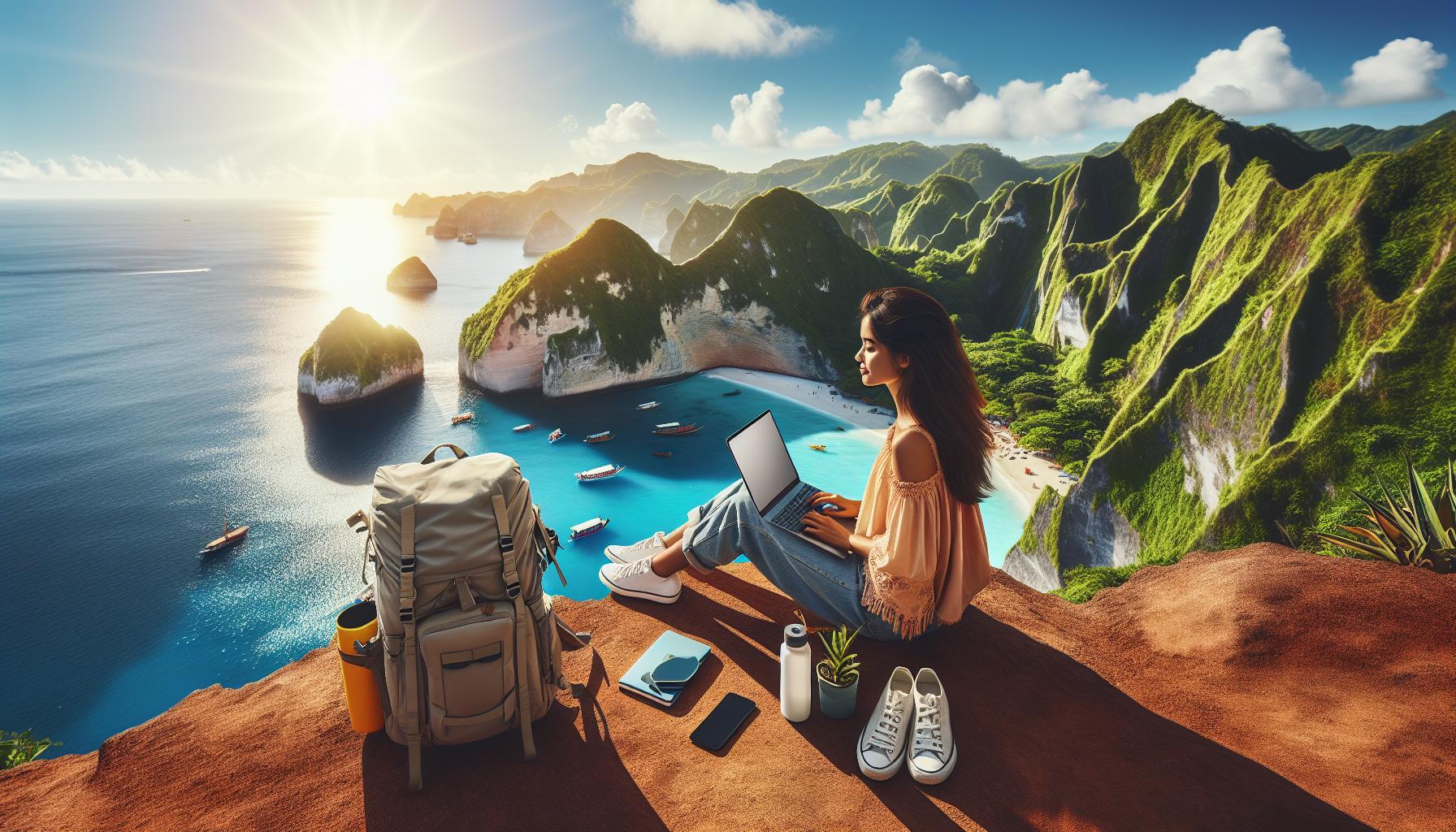
Embarking on your first solo journey can be both exhilarating and daunting, but with the right preparation and mindset, it can become one of the most rewarding experiences of your life. One crucial aspect of solo travel is embracing flexibility; your itinerary should serve as a guide rather than a strict plan. This approach allows you to follow your instincts, discover unexpected thrills, and enjoy spontaneous opportunities. It’s common, especially for first-time solo travelers, to feel the urge to see everything, but sometimes the best moments arise when you simply wander rather than stick to a schedule.
Prioritize safety without becoming paranoid. Share your itinerary with a trusted friend or family member, and regularly check in with them. Learning a few basic phrases in the local language can not only enhance your experience but also endear you to locals who appreciate your effort. Keep copies of important documents, such as your passport and travel insurance, both digitally and in print, to safeguard against any emergencies.
Another valuable tip is to choose accommodations that foster interaction. Consider staying in hostels, guesthouses, or boutique hotels where communal spaces encourage socializing. Look for organized activities, like city tours or cooking classes, which are excellent ways to meet fellow travelers while engaging with the local culture. This social aspect not only enriches your travel experience but also helps alleviate feelings of loneliness that can sometimes accompany solo adventures.
Finally, maintain an open mind and be patient with yourself. Traveling alone can lead to moments of vulnerability, especially during cultural adjustments or language barriers. Remember that these encounters are part of the journey that contribute to your growth as an adventurer. Whether indulging in a local dish at a bustling market or enjoying a quiet moment in a historic square, embrace every experience fully. Your travels, filled with new friendships and discoveries, can shape your perspective in ways you never imagined.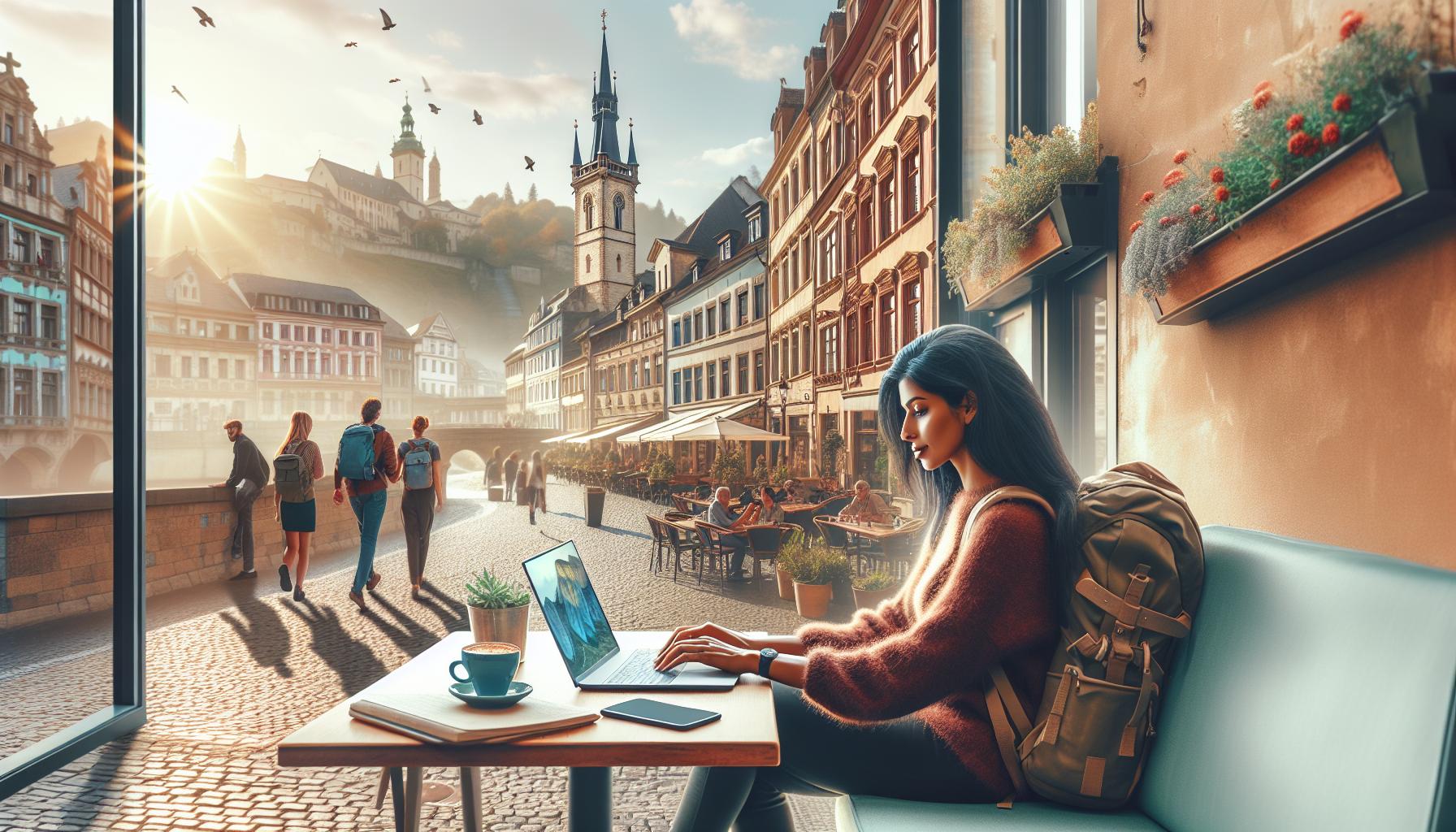
Safety Considerations for Solo Travel in Europe
When traveling solo in Europe, prioritizing safety is not just a precaution-it’s an essential part of enhancing your travel experience. The thrill of exploring new landscapes and immersing yourself in diverse cultures can be overshadowed by safety concerns, especially for first-time solo travelers. Understanding the local environment and adopting a few practical strategies can empower you to enjoy your journey with confidence.
One of the most effective ways to stay safe is by being vigilant and aware of your surroundings. Trust your instincts; if a situation feels off, step away. Avoid walking alone at night in unfamiliar areas, and when using public transportation, keep an eye on your belongings. Consider adopting a discreet yet accessible daypack that keeps your essentials secure but readily available. Using anti-theft bags or pouches designed for travelers can further enhance your peace of mind.
Engagement with locals can also provide safety benefits. Chat with staff at your accommodation; they often have valuable insights regarding safe neighborhoods and places to avoid. Engaging in group activities, such as guided tours or classes, can also create a sense of camaraderie, allowing you to make connections while improving your safety as a group.
Moreover, always have a communication plan. Share your itinerary with a friend or family member and check in regularly. Familiarize yourself with local emergency numbers and have a copy of essential documents like your passport and travel insurance. Keep these documents both in physical form and digitally to safeguard against loss or theft.
Above all, embracing an adventurous spirit while maintaining a wise caution can turn your solo trip into a phenomenal journey. Allow yourself the freedom to explore while adopting simple safety measures that ensure your experiences are both exhilarating and secure.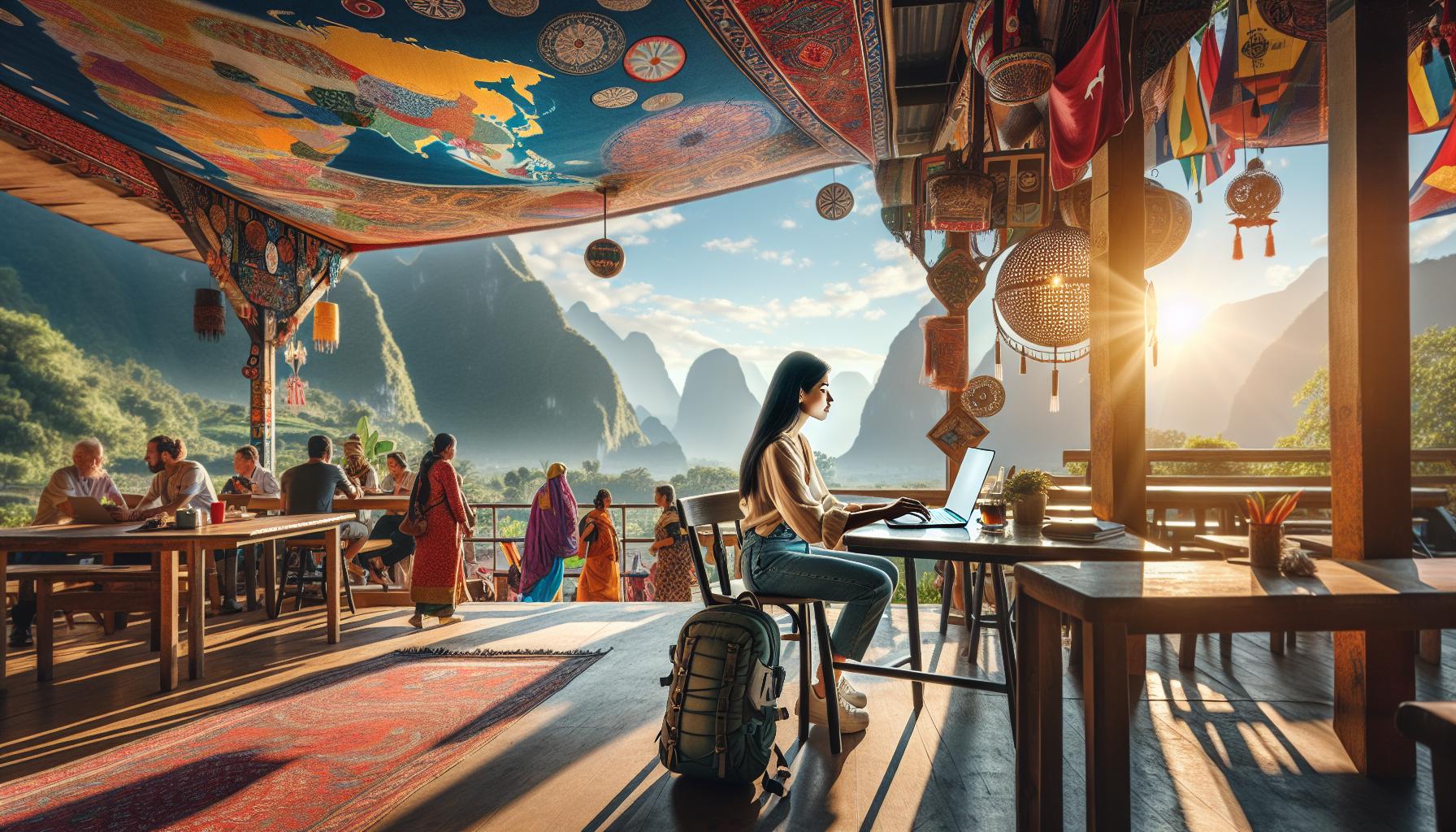
Cultural Experiences Only Solo Travelers Can Enjoy
The unbounded freedom of solo travel opens the door to unique cultural experiences that often go unnoticed by those traveling in groups. When you wander through the cobbled streets of a European city on your own, you become an active participant in the local culture rather than just an observer. This means you can engage more deeply with the vibrant heritage, art, and traditions that define each destination. For instance, attending an impromptu street performance in Lisbon or participating in a local cooking class in Florence allows you to forge personal connections that enrich your journey.
One of the joys of traveling solo is the ability to tailor your cultural experiences to your own interests. Attend art exhibitions, join guided historical walks, or discover local music scenes without worrying about accommodating others’ preferences. This freedom enables you to linger longer at a museum that captivates you, or to venture off the beaten path in search of a tucked-away gallery. Cities like Berlin and Barcelona are teeming with street art and local artists eager to share their stories, making it easy to immerse yourself in the creative pulse of the city.
Solo travelers can also embrace authentic dining experiences that serve as a gateway to understanding regional cuisines and customs. Sitting alone at a bustling café in Paris or a quaint trattoria in Rome not only gives you insight into the culinary arts but also provides opportunities to engage with locals and fellow travelers. You might find yourself striking up a conversation with the chef about traditional recipes or exchanging travel stories with other diners at the communal tables, creating connections that enrich your understanding of the local culture.
Additionally, many cities host events that cater specifically to solo adventurers. Language meetups, workshops, and cultural festivals often attract those exploring independently. Joining these gatherings not only enhances your experience but also provides a chance to meet like-minded individuals, expanding your network and perhaps even leading to lasting friendships with people who share your passion for travel. Embrace the serendipity of solo exploration; every corner turned offers the potential for a memorable encounter.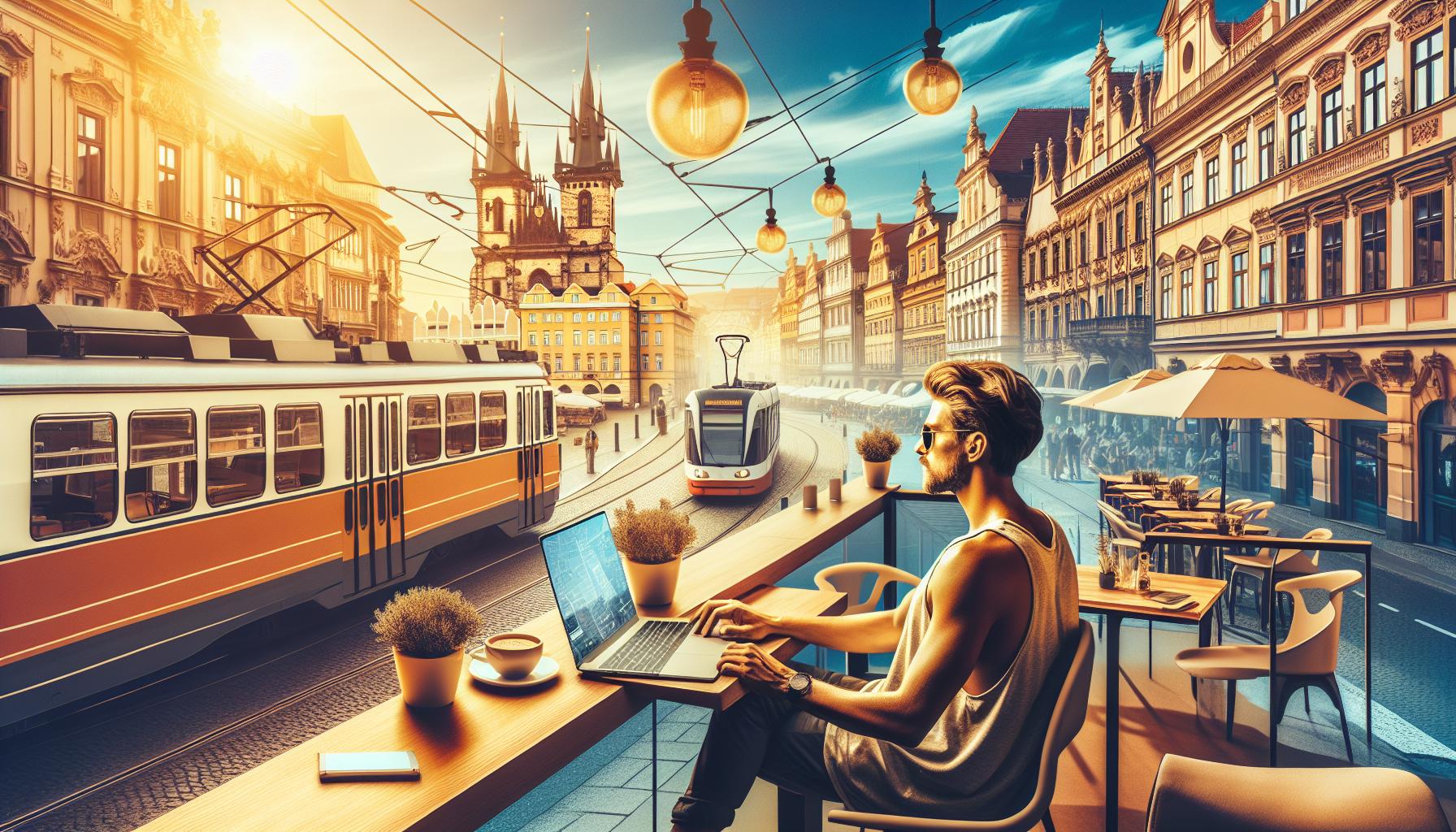
Navigating Public Transport in European Cities
Navigating the intricate web of public transport in European cities can be both an adventure and a necessity for solo travelers aiming to explore independently. Each city boasts its own unique system of trains, trams, buses, and subways, ensuring that you can easily traverse urban landscapes while soaking in every moment of your journey. Understanding how to effectively utilize public transport not only enhances your travel experience but also saves you time and money, allowing for more exploration and authentic local encounters.
Most European cities have excellent public transport apps, which provide real-time updates on routes, schedules, and disruptions. Downloading these apps can significantly simplify your travel experience. Many cities, such as Paris and Berlin, offer integrated transport systems where a single ticket allows access to multiple modes of transport. For example, in Budapest, your public transport pass grants you access to trams, buses, and even the iconic metro, making it easy to hop from one neighborhood to another without the need for multiple tickets.
To maximize your solo journey, consider these practical tips for navigating public transport:
- Familiarize Yourself with the Route Maps: Before you set out, take some time to study the transport maps. Knowing the main lines will help you navigate and switch between services with confidence.
- Purchase Day Passes: If you plan on using public transport frequently, buying a day pass can be a budget-friendly option that allows unlimited travel within specified zones.
- Travel During Off-Peak Hours: For a more comfortable experience, consider traveling during off-peak times to avoid the crowds and enjoy a more relaxed journey.
- Be Mindful of Your Belongings: While areas like metro stations are generally safe, it’s wise to be aware of your surroundings and keep your belongings secure, especially in packed situations.
Public transport not only serves as a means to get from point A to point B but also offers a glimpse into the everyday lives of locals. Observing the morning rush in cities like Milan or sharing a tram ride with students in Amsterdam can enrich your travel experience. Furthermore, being a solo traveler allows you the freedom to explore unexpected stops along your route-whether that’s getting off at a charming neighborhood or stumbling upon a hidden gem of a café. Embrace the unique experiences public transport can offer, transforming each journey into a memory that lasts long after you’ve returned home.
Engaging Activities for Solo Adventures
Exploring a new city as a solo traveler opens up a world of possibilities, allowing you to engage with your surroundings on your terms. The thrill of wandering through cobblestone streets or discovering a local café becomes even more enriching when you dedicate time to activities specifically designed for those venturing out alone. From immersive workshops to community-driven events, there’s a treasure trove of engaging activities waiting for you.
One of the best ways to connect with a city is through its art scene. Consider joining a local painting class in Florence, where you can create your masterpiece while soaking in the artistic history of the Renaissance. Alternatively, cities like Barcelona offer photography walks guided by local experts, providing both a unique perspective on the city’s sights and an opportunity to connect with fellow creative spirits. These interactive experiences not only enhance your skills but also facilitate meaningful interactions with locals and other travelers.
Don’t overlook the culinary arts; enrolling in a cooking class can be a delightful way to immerse yourself in a destination’s culture. In Rome, you might learn to make traditional pasta from scratch, while in Paris, a pastry-making workshop can turn into a sweet adventure. These classes are often small and personal, allowing for interaction with other participants and fostering a sense of community among solo adventurers.
Attending local festivals or events can further enhance your solo travel experience. Whether it’s a street fair in Berlin showcasing local artisans or a music festival in Amsterdam, these gatherings are excellent opportunities not just for sightseeing but for mingling with residents and fellow travelers alike. Keep an eye on city calendars to catch events that spark your interest, and don’t hesitate to dive in headfirst. These experiences will deepen your understanding of local cultures and leave you with lasting memories, all while you forge your path as an independent explorer.
In each of these activities, the common thread is connection-connection with the city, its culture, and its people. Embrace these opportunities as a solo traveler and watch how they transform your adventure, fueling your passion for exploration and discovery.
How to Plan an Itinerary for Solo Travel
A well-crafted itinerary is your ticket to a fulfilling solo travel experience in Europe, helping you maximize each day while allowing for spontaneity and exploration on your terms. Begin by determining your travel style and preferences, as this will guide your itinerary planning. Do you seek cultural immersion through museums and historical sites, or are you more inclined towards outdoor adventures and hiking trails? Identifying your interests will help you select destinations that resonate with you.
Once you have a general idea, create a rough outline of your trip by selecting a few key destinations. Aim for a mix of well-known cities-like Paris or Berlin-and smaller, charming towns that are rich in culture and history. Allocate enough time for each location to absorb its unique vibe without feeling rushed. A good rule of thumb is to spend at least three days in major cities to explore comfortably, while weekends may suffice for lesser-known places.
Next, fill your itinerary with specific activities while maintaining flexibility. Consider using a digital map to pin down places of interest, restaurants, and events that coincide with your visit. For engaging cultural experiences, research local festivals, workshops, or guided tours that align with your interests. Check online platforms or social media groups catering to solo travelers for recommendations on one-time experiences; they often provide an opportunity to meet fellow solo adventurers.
While you map out your days, allow for ‘me-time’ to relax and recharge. This could mean enjoying a quiet morning at a café or taking a leisurely stroll through a local park. Such moments are essential for reflecting on your journey, making connections with the environment, and ultimately, fostering a deeper appreciation of your travels.
Lastly, be prepared for the unexpected. Solo travel allows you the freedom to pivot plans based on new connections or discoveries. Stay open to adjusting your itinerary if something alluring catches your eye, whether it’s an art gallery, a bustling market, or a scenic viewpoint. This flexibility is what will make your solo adventure uniquely yours, transforming a simple travel itinerary into a personalized exploration of Europe.
Local Cuisine: Must-Try Foods for Independent Explorers
Embarking on a solo adventure in Europe isn’t just about exploring new destinations; it’s also a mouthwatering journey through a tapestry of unique flavors and traditional dishes. Each country boasts its culinary delights that tell stories of culture, history, and local ingredients. For independent travelers, sampling local cuisine can enhance the experience, offering not only nourishment but also insight into the lifestyle and heritage of the places you visit.
Start your culinary exploration in Italy, where the simplicity of local ingredients transforms into extraordinary flavors. Don’t miss trying Cichetti in Venice, an array of small tapas-like dishes that you can enjoy while mingling with locals at wine bars. In Rome, indulge in Cacio e Pepe, a classic pasta dish that encapsulates the essence of Roman cuisine-simple yet satisfying.
Next on your gastronomic journey, head to Spain, where the vibrant food markets will entice your senses. Enjoying Pinchos in San Sebastián offers the perfect opportunity to socialize, as you can hop from bar to bar sampling these delightful bites. Pair them with local wines, like Txakoli, to fully experience the Basque culture.
In Greece, exploring the local taverns will lead you to dishes like Moussaka or Souvlaki, allowing you to savor a rich blend of spices and fresh ingredients. For a more adventurous experience, venture to the producers of traditional Olive Oil in Crete, where you can taste the depth of flavors and even take home a bottle to reminisce about your travels.
For a sweeter taste of Europe, head to France, where you must try regional specialties like Macarons in Paris or Tarte Tatin in the Loire Valley. These treats can be found in quaint patisseries, perfect for a solo traveler looking for a cozy spot to relax and enjoy the ambiance.
When looking to immerse yourself in local cuisine, consider joining a cooking class, which not only teaches you how to make traditional dishes but also often includes a market visit for ingredients. This hands-on experience offers a unique lens through which to understand your destination and connects you with fellow food lovers, making it easier to meet new friends along the way.
To wrap up your culinary escapade, keep an open mind and be adventurous. Trying something you’ve never heard of or stepping into a small, seemingly inconspicuous eatery can lead to some of the best meal experiences. By incorporating local cuisine into your travel, you not only satisfy your hunger but also enrich your journey, creating memories that linger long after you’ve returned home.
Exploring Europe on a Budget: Tips and Tricks
Traveling solo in Europe doesn’t have to break the bank; with a bit of planning and strategic choices, you can explore iconic cities and hidden gems without straining your budget. Many European destinations are renowned for their affordability, especially when it comes to using public transport, local accommodation options, and eating like a local. From meal deals to free walking tours, Europe is rich with opportunities for solo travelers seeking adventure without overspending.
Public Transport Savings
One of the most effective ways to save money while exploring European cities is to utilize the extensive public transportation networks. Most cities offer day passes, which allow unlimited travel on buses, trams, and metros for 24 hours. For example, a day pass in Berlin can cost as little as €8, giving you access to an entire day’s worth of expeditions. Opt for trains or buses instead of flights for short distances; for instance, traveling from Paris to Brussels by Eurostar can be quite affordable if booked in advance. Apps like Google Maps can help navigate routes seamlessly, ensuring you make the most of your time and your money.
Affordable Accommodations
When searching for budget-friendly places to stay, consider alternative accommodation options. Hostels are a classic choice, but websites like Airbnb or even local guesthouses often provide competitive pricing with more privacy. Some hostels even offer private rooms at reasonable rates, allowing solo travelers a mix of social and personal space. Check for locations away from tourist traps, as accommodations slightly off the beaten path typically come with lower prices while still providing that authentic local experience.
Dining on a Budget
Meal times can quickly inflate your travel budget if you’re not careful. To enjoy delicious food without overspending, venture into local markets or street food stalls. For instance, in Lisbon, tasting the famous Pastéis de Nata at a local bakery costs much less than dining at a sit-down restaurant. When dining out, opt for lunch specials or “plat du jour” offers, which can provide a complete meal at a fraction of the dinner price. Additionally, consider buying groceries to prepare simple meals yourself, especially when staying in accommodation with kitchen facilities.
Free and Low-Cost Activities
Many European cities are rich in history and culture, offering numerous free or low-cost attractions. Take advantage of free walking tours, which are available in most major cities-pay what you can after the tour! Museums often have specific days or times when entrance is free or heavily discounted. For example, the British Museum in London is free to enter, and local parks or public squares provide scenic spots for relaxation, people-watching, or enjoying your lunch. Engaging with locals through community events or festivals can also enhance your experience without affecting your wallet.
By following these tips, you can enjoy the richness of Europe while keeping your expenses in check, making your solo journey not only memorable but also financially sustainable. Embrace the adventure, connect with fellow travelers, and create lasting memories without overspending-your budget-friendly European escapade awaits!
Frequently Asked Questions
Q: What are the best European cities for first-time solo travelers?
A: The best cities for first-time solo travelers in Europe include Barcelona, known for its vibrant culture and friendly atmosphere; Lisbon, with its affordability and scenic views; and Amsterdam, offering a safe environment and easy navigation. Each provides unique experiences ideal for independent explorers.
Q: How can I meet other travelers while exploring Europe alone?
A: To meet other travelers in Europe, consider staying in hostels, joining group tours, or participating in local events and classes. Apps like Meetup or Couchsurfing can also connect you with fellow explorers eager to share experiences and adventures.
Q: What safety tips should solo travelers consider in European cities?
A: Solo travelers should prioritize safety by keeping valuables secure, staying in well-lit areas at night, and being aware of their surroundings. Research local emergency numbers and stay informed about cultural norms to enhance your experience safely.
Q: How do I choose budget-friendly accommodations for solo travel in Europe?
A: Look for budget-friendly accommodations by considering hostels, guesthouses, or Airbnb options. Websites like Hostelworld or Booking.com allow filtering by price and traveler reviews, helping you find the best deals suited for solo travelers.
Q: When is the best time to travel solo in Europe?
A: The best time for solo travel in Europe is during the shoulder seasons-spring (April to June) and fall (September to October). During these months, travel costs are lower, tourist crowds are smaller, and the weather is generally pleasant for exploring.
Q: What are some engaging activities for solo travelers in European cities?
A: Engaging activities include joining walking tours, taking cooking classes, or participating in local festivals. Exploring museums and art galleries or attending workshops can also provide cultural immersion and opportunities to meet locals and fellow travelers.
Q: Where can solo travelers find cultural experiences in Europe?
A: Solo travelers can find cultural experiences in historic cities like Florence, Rome, and Paris, where museums, food tours, and local performances offer deeper insights into local traditions. Look for small-group experiences to connect with both locals and fellow travelers.
Q: What essentials should I pack for traveling solo in Europe?
A: Essentials for solo travel include a portable charger, travel-sized toiletries, a reliable map or app, a basic first aid kit, and comfortable walking shoes. Packing light and bringing versatile clothing will also enhance your mobility and comfort during your journey.
The Way Forward
As you embark on your journey through the best cities for solo travel in Europe, remember that each destination holds a unique experience waiting for you to explore. Embrace the freedom of independent travel and let the cultures, sights, and people enrich your adventure. Don’t hesitate to check out our guides on navigating solo travel logistics and essential safety tips, which you can find linked below.
Ready to take the next step? Subscribe to our newsletter for exclusive travel insights and updates that can support your solo adventures across Europe. If you have questions or wish to share your experiences, leave a comment below – we love hearing from fellow explorers! Keep exploring more insightful articles on travel tips and itineraries as you craft unforgettable memories. The world awaits; go out and discover it!