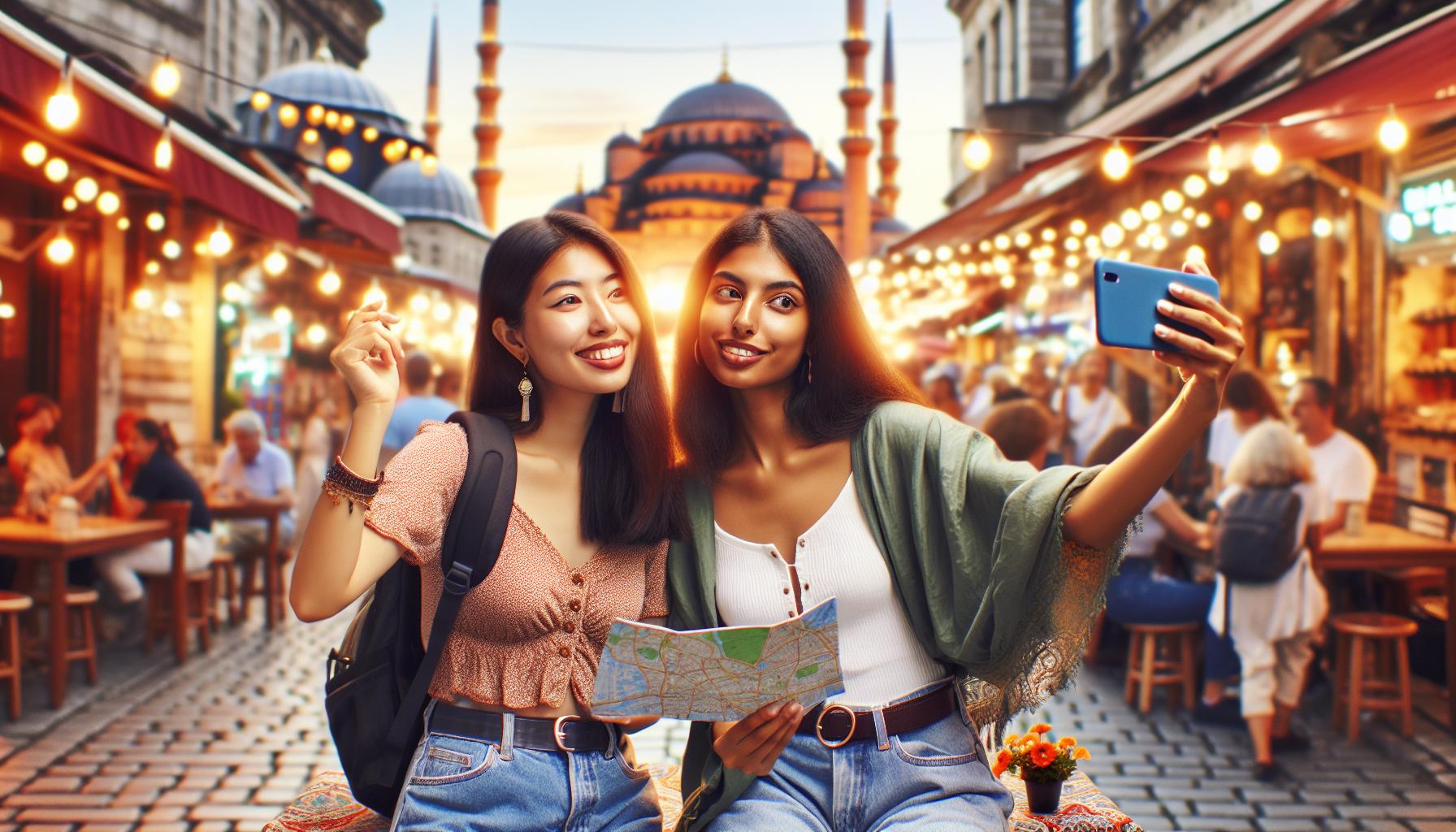
Solo travel is more than just a trend; it’s a transformative experience that empowers individuals to step out of their comfort zones and explore the world on their own terms. For many, the allure of discovering new destinations, cultures, and cuisines alone is both exciting and daunting. Understanding how to plan effectively can turn the idea of solo travel from a distant dream into a fulfilling reality.
Whether you’re a seasoned traveler or embarking on your first adventure, planning solo trips involves careful consideration of logistics, safety, and personal preferences. This guide will equip you with a step-by-step blueprint, addressing common concerns such as finding accommodation, navigating transport, and ensuring your safety-all while embracing the freedom of traveling solo.
Get ready to uncover the essential strategies that will enhance your journey, allowing you to create unforgettable memories and experiences tailored just for you. Your adventure awaits, and with the right planning, you can confidently embrace the world as your personal playground.
How to Choose the Perfect Solo Travel Destination

Choosing the right destination for your solo adventure can be one of the most exciting yet daunting aspects of travel planning. The perfect location can open doors to personal discovery and enriching experiences, making your journey not just about the places you see, but about who you become along the way. When selecting a destination, consider factors like safety, accessibility, cultural engagement, and your own interests.
Start by evaluating your personal preferences. Do you crave the serenity of natural landscapes, or are you drawn to the vibrancy of urban life? If you seek tranquility, destinations like New Zealand or the Swiss Alps may provide the solitude and beauty you desire. Conversely, if cultural immersion is what excites you, cities such as Kyoto or Barcelona offer a rich tapestry of history and modern life.
Safety is another crucial element in your decision-making process. Research local safety ratings and traveler reviews, especially for solo travelers. Some countries, like Japan and Iceland, are frequently lauded for their low crime rates and welcoming atmosphere, making them ideal for those venturing out on their own. Additionally, consider the ease of communication; traveling to destinations where you speak the language, or where English is widely understood, can help ease anxiety and enhance your experience.
Lastly, don’t overlook logistical aspects such as transportation, accommodation, and the overall cost of living. A destination may be beautiful and safe, but if it presents difficulties in navigating or is too expensive, it might not be the best fit for a solo journey. Prioritize places with robust public transport systems and a range of accommodation options that suit solo travelers, such as hostels or boutique hotels that foster social interaction. This meticulous approach not only sets the stage for an unforgettable experience but empowers you to embrace the adventure of solo travel with confidence.
Essential Packing Tips for Solo Travelers

When it comes to packing for a solo adventure, the right approach can make all the difference between a seamless trip and a stressful experience. The compactness of your luggage, the versatility of your clothing, and your ability to adapt will empower you as you journey through new landscapes and cultures. Here are some essential tips tailored specifically for solo travel, ensuring you have everything you need without the burden of excess baggage.
Smart Packing Strategies
Start by adopting a minimalist packing strategy. Aim to pack light, with a maximum of one carry-on bag if possible. This not only saves you from the hassle of checking luggage but also provides you with the flexibility to move around effortlessly. Choose clothing that can be mixed and matched, allowing you to create multiple outfits from fewer items. For instance, a versatile dress can be dressed up for an evening out or worn casually during the day. Consider lightweight, wrinkle-resistant fabrics that can easily transition from one occasion to another.
Additionally, make a packing list based on the activities you plan to engage in. Whether you’re hiking, dining in fancy restaurants, or simply exploring the local scene, having a tailored list covers all your needs without adding unnecessary items. Pack essential layers to accommodate changing weather conditions-think breathable shirts, a warm sweater, and a waterproof jacket.
Essential Travel Gear
Your choice of gear is just as crucial as your clothing. Investing in a good quality backpack or daypack can enhance your mobility. Look for packs with security features, like lockable zippers, especially when navigating crowded areas or public transport. Don’t forget to include a few important travel accessories:
- Reusable water bottle: Stay hydrated and reduce plastic waste.
- Portable charger: Keep your devices powered during long days of exploration.
- Travel first aid kit: A small kit with basics can save you in case of emergencies.
Final Considerations
As a solo traveler, your comfort and safety are paramount. Leave a little extra space in your bag for souvenirs or items you may acquire along the way. Packing a lightweight, foldable tote can also help carry those treasures back home. Finally, take a few moments to familiarize yourself with the local customs and regulations; some countries may have restrictions on certain items. By adhering to packing tips tailored for solo adventures, you not only lighten your load but also clear your mind, ready to embrace the journey ahead.
Navigating Safety Concerns as a Solo Adventurer
Traveling solo isn’t just about exploring new places-it’s also about feeling secure and confident in unfamiliar environments. Understanding how to navigate safety concerns as a solo adventurer is crucial for your peace of mind and overall experience. An alarming statistic reported by the World Health Organization states that over 200 million people travel abroad each year, emphasizing the importance of safety seemingly in forgotten corners of the world. Fortunately, with a few proactive measures and an awareness mindset, you can ensure that your journey remains enjoyable and secure.
First and foremost, do your research on the destinations you plan to visit. Understanding local customs, potential safety issues, and emergency contacts can provide invaluable insights. Websites like government travel advisories can give you real-time updates on areas to avoid, and social media platforms can help you connect with other travelers who can share their experiences. Additionally, familiarizing yourself with local language phrases can help you navigate situations more smoothly, making you feel less like an outsider and more like part of the community.
When it comes to your personal safety, trust your instincts. If something feels off, whether it’s a neighborhood, an individual, or even a transportation method, don’t hesitate to change your plans. Utilizing technology can also enhance your safety; download essential apps such as maps for offline access, emergency contact services, and ride-sharing apps that provide driver information. Keeping your phone charged and having a portable charger handy ensures you’ll be able to reach out for help if needed.
It’s wise to communicate your plans with trusted friends or family members. Check in regularly, letting them know your location and any changes to your itinerary. This not only reassures your loved ones but also creates a support system if anything were to go wrong. Lastly, consider carrying personal safety devices, such as a whistle or pepper spray, where legal. These can serve as simple reminders to maintain your personal boundaries while exploring.
By taking a proactive approach to safety, you can empower yourself to enjoy the freedom of solo travel without the weight of anxiety. Embrace the excitement of your adventure while remaining mindful and prepared, ensuring that your journey is as enriching and safe as possible.
Crafting a Budget-Friendly Travel Plan

is essential for making the most of your solo adventure without overspending. Did you know that careful budgeting can significantly enhance your travel experience, allowing you to indulge in activities and local cuisine that you might otherwise overlook? By taking a strategic approach, you can stretch your budget further while enjoying rich and immersive experiences.
Start by determining a clear budget based on your travel duration and destination. This serves as your financial roadmap. Break down your expenses into categories such as accommodation, food, transportation, activities, and emergencies. This way, you can see where your money is going and adjust as needed. Consider using budgeting apps to track your expenses in real-time, helping you stay within your planned limits.
Accommodation Strategies
Finding affordable accommodations can make a significant difference. Click into options like hostels, guesthouses, or vacation rentals that cater to solo travelers. Websites like Hostelworld and Airbnb often have budget-friendly choices that come with the bonus of meeting other travelers. Additionally, consider staying a little outside the main tourist areas; this can yield lower prices while giving you a more local experience.
Utilizing Public Transport
When it comes to transportation, public transit is not only cost-effective but also a fantastic way to immerse yourself in local culture. Research the public transport systems in your chosen destination, and consider purchasing travel passes for unlimited rides. In cities where walking is feasible, pack comfortable shoes and explore on foot; many hidden gems can only be discovered by wandering side streets.
Finding Free or Low-Cost Activities
To enhance your experience without breaking the bank, seek out free or low-cost activities. Many cities offer free walking tours, cultural festivals, or local market days that allow you to engage with the community. Use platforms such as Meetup or local Facebook groups to connect with fellow adventurers who might share interests and potentially split costs for tours or meals.
Here’s a quick breakdown of budgeting tips:
| Expense Category | Tips |
|---|---|
| Accommodation | Use hostels or shared rentals, consider location flexibility. |
| Food | Eat like a local; shop at markets and street food stalls. |
| Transportation | Use public transit or walk; invest in travel passes if available. |
| Activities | Look for free events and programs; join local meetups. |
With these strategies, you can set out on your solo adventure confidently, knowing that you can explore to your heart’s content while staying within your budget. Embrace the thrill of travel, discover hidden treasures, and most importantly, enjoy your journey without financial worries.
Building a Flexible Itinerary for Solo Exploration

A well-structured itinerary can act as your compass on the vast ocean of solo exploration, but the beauty of solo travel lies in its flexibility. Unlike group trips that often stick to a strict schedule, traveling alone allows you to embrace spontaneity and tailor your plans to your evolving interests and needs. Build your itinerary as a framework, not an obligation, leaving space for the unexpected adventures that may come your way.
To start crafting a flexible itinerary, consider listing a few must-see attractions or experiences that excite you about your destination. This gives you a foundation to work from. Use a format that allows for adjustments; for instance, create a simple table that outlines your day-to-day goals while leaving blank spaces for additional activities or spontaneous detours. You might want to allocate more time to a stunning local market you come across or adjust when you discover a festival in town.
- Prioritize Key Activities: Identify 3-5 highlights you’d love to explore, but don’t pressure yourself to pack them all into one day.
- Leave Gaps: Intentionally create free time between planned activities to wander, relax, or indulge in anything that piques your interest.
- Monitor Local Events: Keep an eye on local happenings through social media or community boards; look out for pop-up events, local concerts, or street fairs that you can join.
- Take Breaks: Solo travel can be energizing yet overwhelming; schedule in downtime to recharge and reflect on your journey.
Embrace the changes to your plans. If you find yourself engaged in conversation with locals or fellow travelers, let the experience guide you. A new friend might suggest a restaurant that’s off the beaten path or a different way to explore the area-being flexible gives you the opportunity to savor these moments. Your itinerary should be a living document, allowing you the freedom to pivot as new experiences present themselves.
In striving to balance structure with spontaneity, remember that the best travel stories often come from unplanned moments. By building a flexible itinerary, you open yourself up to discovering delightful surprises that you might otherwise miss, enriching your solo adventure and making it profoundly personal and memorable.
Finding Accommodations That Suit Solo Needs
Finding the right place to stay can significantly enhance your solo travel experience, offering comfort, safety, and opportunities for connection. When scouting for accommodations, consider what best suits your individual needs and travel style. Are you looking for an environment that encourages interaction with fellow travelers, or do you prefer your own space for relaxation? The choices are abundant, from hostels and guesthouses to boutique hotels and vacation rentals. Each option presents unique advantages that can enrich your adventure.
Types of Accommodations
- Hostels: These are often the go-to choice for solo travelers looking to meet new people. They typically offer dormitory-style rooms and communal areas where you can easily strike up conversations. Many hostels also organize activities that make it easy to connect with fellow guests.
- Guesthouses/B&Bs: For a more intimate experience, consider booking a room in a guesthouse or bed and breakfast. These smaller establishments often provide personalized service and a cozy atmosphere, allowing for deeper interactions with the owner, who can share local insights.
- Boutique Hotels: If you cherish comfort and style, boutique hotels can provide a unique and luxurious backdrop to your travels. Many these hotels prioritize providing a welcoming environment for solo travelers.
- Vacation Rentals: Platforms like Airbnb and Vrbo allow you to rent private homes or rooms. This option gives you flexibility and a home-like atmosphere, making it a great choice for longer stays.
Essential Considerations
As you seek the ideal accommodation, keep several key factors in mind:
- Location: Choose a location that provides easy access to public transportation, dining options, and attractions. Ascertain that the neighborhood is safe and well-lit, particularly if you plan on returning after dark.
- Reviews: Read reviews on multiple platforms to gauge the experiences of previous guests, focusing on aspects like cleanliness, staff friendliness, and safety. Platforms like TripAdvisor and Booking.com often include detailed insights.
- Safety Features: Look for accommodations that prioritize guest safety, such as well-lit entrances, secure locks, and in some cases, female-only dorms if you’re more comfortable with that setup.
- Community Offerings: Check for any organized events or communal areas. Places that foster interaction can lead to new friendships and shared experiences.
Finding the right accommodation is crucial for solo travelers, as your surroundings can greatly influence your mood and experiences. Prioritizing your personal preferences while being open to new options will set the stage for an adventurous journey, allowing each stay to be a part of your unique travel narrative.
Connecting with Other Travelers and Locals
The thrill of solo travel often lies in the connections you foster along the way. Meeting fellow travelers and locals can add depth to your journey, transforming a standard trip into a vibrant tapestry of shared stories and experiences. Embrace the adventure of forging new friendships by stepping outside your comfort zone. Whether you’re striking up a conversation in a café or joining a group tour, being open to interaction is key to enriching your travel experience.
Engage with the Local Culture: Immersing yourself in the local culture can provide fantastic opportunities for connection. Attend local festivals, markets, or community events where you can meet residents and other travelers alike. Volunteering for local charities or community service projects not only helps you give back but also introduces you to like-minded individuals who share your interests in meaningful travel.
Utilize Social Media and Travel Apps: In today’s connected world, technology can be your best friend for meeting new people. Use travel-related apps like Meetup or Couchsurfing to find local gatherings, events, or even a friendly face to explore the city with. These platforms often have groups specifically aimed at travelers, making it easier to find others who are also looking to connect.
Hostel Life and Group Tours: Don’t underestimate the power of a hostel’s common area. Here, you can easily start conversations with fellow travelers who may share similar itineraries or interests. Many hostels organize social events, such as pub crawls or group dinners, explicitly designed to break the ice among guests. Joining group tours can also provide an excellent format for meeting others while experiencing sights together.
Learn a Few Local Phrases: Making an effort to communicate in the local language, even just a few phrases, can lead to unexpected connections and deeper interactions with locals. A simple “hello” or “thank you” in the native tongue can spark engaging conversations, opening doors to the culture and possibly even lasting friendships.
By prioritizing connections throughout your journey, you’ll create memories that extend far beyond sightseeing-fostering a sense of community in your travels that adds richness to your experience, making solo exploration not just about the places you visit, but the people you meet along the way.
Utilizing Technology for Seamless Travel
In an age where technology is continuously evolving, solo travelers have a treasure trove of resources at their fingertips to enhance their journeys and streamline their experiences. From navigation to budgeting, the right tools can transform an intimidating experience into a seamless adventure. For instance, mobile apps designed for travelers can help you find routes, local eateries, and even nearby cultural sites, ensuring you don’t miss out on the hidden gems during your explorations.
Smart Navigation and Planning
Using mapping applications like Google Maps or Citymapper can make navigating unfamiliar locales a breeze. They offer real-time updates on public transport, walking directions, and even biking routes. Don’t overlook offline maps for areas with poor internet connectivity. Download maps ahead of time to ensure you can still find your way without relying on data. Additionally, consider incorporating itinerary management apps such as TripIt or Roadtrippers, which simplify travel organization by compiling your plans into a user-friendly format.
Budget Management Made Easy
Budgeting doesn’t have to be a chore. Apps like Trail Wallet or Travel Mapper allow you to track your expenses on the go, providing you with insights into your spending habits and helping you stick to your budget. Use online currency converters to understand how much you’re spending in local currency, which can help you avoid overspending or falling for tourist traps.
Staying Connected
Communication is vital, especially when traveling alone. Leverage apps like WhatsApp or Viber to stay in touch with friends and family, sharing your adventures and ensuring someone knows your whereabouts. For solo travelers looking to meet others, social media platforms like Instagram and Facebook can be useful for finding local meet-ups or events.
Using these technological tools not only simplifies logistics but also enhances your travel experience by enabling richer connections and greater flexibility. Embracing technology can empower you to explore independently while keeping you well-informed and connected throughout your journey. By utilizing these resources, your solo travels can be filled with confidence, adventure, and unforgettable memories.
Handling Travel Logistics: Tickets and Transport
Planning the logistics of travel, particularly when embarking on a solo adventure, can feel daunting at first. However, ensuring that you have your tickets and transport sorted out is key to set a solid foundation for your trip. With a bit of organization and the right tools, you can book everything efficiently and spend more time enjoying the journey ahead.
First, when it comes to securing travel tickets, start with flexible flight search engines like Google Flights, Skyscanner, or Momondo. These platforms allow you to compare fares across multiple airlines and can notify you when prices drop for your desired destination. Always book your flights in advance, but remain open to last-minute deals for added savings, especially if your travel dates are flexible. Consider using award travel or points if you have accumulated them from previous travels, which can significantly reduce your travel costs.
Once your ticket is booked, the next step is to plan your transportation upon arrival. Depending on your destination, research public transport options such as buses, trains, and subways. Apps like Rome2rio can provide a comprehensive overview of available transport methods, helping you choose the best option based on your budget and convenience. When using public transport, familiarize yourself with local schedules and routes, and always keep an eye on your belongings to ensure your safety.
For more personalized itineraries, consider rideshare services like Uber or Lyft, which offer direct transport to your accommodations and can be a safer option for solo travelers arriving late at night. If you’re considering car rentals, always check reviews of local rental companies and understand the insurance policies before committing. Also, don’t forget that some countries require an International Driving Permit in addition to your regular license.
Embracing these methods will help streamline your travel logistics, making the journey less stressful and more enjoyable. Solo travel should be filled with exploration and spontaneity, and having your transport sorted allows you to dive into new experiences without delays. By planning ahead, you can confidently navigate to your adventures and create memorable stories along the way.
Managing Solo Travel Anxiety and Building Confidence
Feeling anxious before embarking on a solo adventure is a common experience, yet it’s often the very thing that holds many travelers back from exploring the world on their own. Understanding that this anxiety is a natural response can transform how you approach your journey. As you step into the realm of solo travel, consider viewing anxiety not as a barrier but as a sign of stepping out of your comfort zone, a powerful precursor to personal growth and exploration.
Building your confidence is essential, and one of the most effective ways to do this is through thorough preparation. Start by setting small, achievable goals that build towards your larger travel aspirations. For instance, practice navigating your local area solo or plan a day trip nearby to get accustomed to being independent. This gradual approach can reinforce your self-assurance. Additionally, keep in mind that technology can be your ally; numerous apps and online resources exist to guide you through various aspects of solo travel. Use planning tools like Google Maps to familiarize yourself with your destination, or download language translation apps to ease communication barriers.
Connecting with other travelers can also be an inspiring way to combat feelings of loneliness or uncertainty. Seek out forums and social media groups focused on solo travel, where you can share experiences and gain insights. Platforms like Meetup or Couchsurfing even allow you to connect with fellow travelers or locals who share similar interests, giving you a sense of community. Remember that you are not alone-many solo adventurers feel the same way and find strength in shared experiences.
Finally, practice self-compassion and mindfulness. Engage in activities that help ground you, such as meditation or journaling about your travel dreams. These practices can help you attune to your internal dialogue and diminish feelings of doubt. Embrace the mantra that every journey, especially solo ones, is a learning experience. With each step you take, no matter how big or small, you are crafting the narrative of your own adventure, discovering not only new places but also new facets of yourself along the way.
Cultural Etiquette Tips for Solo Travelers
When traveling solo, understanding and respecting local cultural etiquette can significantly enhance your experience and help you connect with the people and places you visit. Knowledge of cultural norms allows you to navigate social situations gracefully, ensuring that you leave a positive impression as a traveler. Different regions have unique customs, from communication styles to dining practices. Learning a few key points before you arrive can make all the difference.
Be Mindful of Local Customs
Familiarize yourself with the customs of the country you’re visiting. For instance, in countries like Japan and Korea, bowing is a common greeting-while in Western cultures, a handshake may be more appropriate. In many Asian cultures, it’s considered disrespectful to speak loudly or show public displays of anger, whereas Mediterranean cultures may be more expressive and animated. Research how to greet people and what gestures might be deemed offensive.
- Dress Appropriately: In many cultures, dressing modestly is a sign of respect. In certain places, women may be expected to cover their shoulders and knees, while men should avoid shorts or sleeveless shirts in religious areas.
- Dining Etiquette: Table manners can vary significantly; for example, in France, it’s polite to keep your hands on the table but not your elbows, whereas in parts of the Middle East, it’s respectful to eat with your right hand only.
Learn Basic Phrases
Before you set out, learn a few essential phrases in the local language. Simple greetings and pleasantries can create rapport with locals and show that you value their culture. Knowing how to say “thank you,” “hello,” and “goodbye” can go a long way in building connections. Additionally, using a polite tone and body language can transcend language barriers, making interactions smoother.
Stay Open-Minded and Respectful
Approach new experiences enthusiastically but with a respectful mindset. Cultural differences can sometimes lead to misunderstandings, but remaining open to learning is crucial. If someone points out a mistake you’ve made, respond with humility and gratitude for the lesson. Engaging with locals can also provide deeper insights into their worldview-consider visiting community events, local markets, or cultural festivals.
By embracing these cultural etiquette tips, you’ll not only enrich your travel experience but also foster deeper connections with the communities you visit. As a solo traveler, this cultural engagement can transform your journey from merely visiting a place to truly understanding and appreciating its essence.
Ideas for Unique Solo Travel Experiences
Stepping out of your comfort zone and into a world of new experiences can transform your solo travel journey into something truly remarkable. Embracing unique adventures not only enhances your destination experience but also builds confidence and creates lasting memories. Whether you’re a first-time solo traveler or a seasoned nomad, exploring beyond the typical tourist spots can lead to unforgettable encounters and personal growth.
Engage with Local Communities
Participating in community activities offers an authentic taste of local culture. Look for events such as cooking classes, craft workshops, or volunteer opportunities in your destination. For example, joining a traditional cooking class in Bali not only provides culinary skills but also connects you with local families and their stories. Volunteering at an animal shelter or participating in beach cleanups can build bonds with locals while contributing positively to the community. Use platforms like Workaway or HelpX to find such experiences that align with your interests.
Choose Off-the-Beaten-Path Destinations
While famous landmarks attract tourists, consider exploring lesser-known locales that showcase the region’s authenticity. For instance, instead of the bustling streets of Paris, visit the charming village of Riquewihr in Alsace, where you can wander through quaint streets and sample local wines without the crowds. Utilizing resources like travel blogs, or social media groups dedicated to solo travel can help uncover hidden gems that speak to your adventurous spirit.
Try a Solo Retreat or Workshop
Solo retreats cater specifically to individuals seeking personal growth and connection. Whether it’s a yoga retreat in the mountains of India or a writing workshop in a quaint European town, these experiences can foster creativity and self-discovery. Attend writing or photography workshops that not only enhance your skills but also encourage you to share experiences with other like-minded travelers, creating opportunities for friendship and collaboration.
Explore Unique Accommodation Options
Consider staying in unique accommodations that offer more than just a place to rest. Boutique hostels, eco-lodges, or even shared artist studios can provide you interaction with fellow travelers and locals. Platforms like Airbnb also offer stays in unique properties such as treehouses or houseboats, allowing you to immerse yourself in the local atmosphere in an unconventional way. This experience of community can enrich your travel narrative and provide you with new friends.
By seeking out these unique solo travel experiences, you’ll cultivate a richer, more fulfilling journey that goes beyond the conventional tourist trail. Embrace the spirit of adventure that solo travel embodies; every day offers a chance to meet new people, learn new skills, and create stories that you’ll carry with you long after your travels are over.
Q&A
Q: What are the best tips for first-time solo travelers?
A: First-time solo travelers should prioritize safety by sharing their itinerary with someone trustworthy, keeping emergency contacts handy, and conducting research on local laws and customs. Additionally, staying in hostels or shared accommodations can foster connections with other travelers, making the experience less isolating. For more detailed safety guidelines, refer to the section on navigating safety concerns.
Q: How can I budget for solo travel effectively?
A: To budget effectively for solo travel, categorize all expected expenses such as accommodation, food, activities, and transportation. Use budgeting apps to track expenses and consider local dining options or free experiences to save money. Explore detailed budgeting strategies in the crafting a budget-friendly travel plan section for more insights.
Q: What should I do if I feel lonely during solo travel?
A: If feelings of loneliness arise while traveling solo, engage with locals by taking a class, joining group tours, or using travel apps to meet fellow travelers. Embrace solo dining by visiting popular eateries where you can meet others. The section on connecting with other travelers and locals offers additional strategies for overcoming loneliness.
Q: How can I deal with travel-related anxiety when traveling alone?
A: To manage travel-related anxiety, start by preparing thoroughly-familiarize yourself with your destination and plan your itinerary in advance. Practice mindfulness or meditation techniques to calm your mind. Learn more about building confidence in the managing solo travel anxiety and building confidence section of the article.
Q: What are essential items to pack for solo travel?
A: Essential packing items for solo travel include versatile clothing, a portable charger, travel-sized toiletries, a first-aid kit, and copies of important documents. Prioritize packing light to make mobility easier. For more packing tips, check the essential packing tips for solo travelers section in the article.
Q: How do I choose the right accommodation for solo travel?
A: Choose accommodations that prioritize safety and social opportunities, like hostels, co-living spaces, or boutique hotels known for a welcoming atmosphere. Read reviews focusing on solo travelers’ experiences to ensure a good fit. Refer to the finding accommodations that suit solo needs section for further guidance.
Q: How can I ensure my safety while traveling alone?
A: Ensure your safety while traveling alone by staying alert to your surroundings, avoiding risky areas, and trusting your instincts. Share your itinerary and location with friends or family and regularly check in with them. More detailed safety tips can be found in the navigating safety concerns as a solo adventurer section of the article.
Q: What unique experiences can I seek while traveling solo?
A: Seek unique experiences like local workshops, cultural festivals, or volunteer opportunities that provide deeper insights into the destination. Look for options that allow interaction with locals, enhancing your adventure. For more ideas, explore the ideas for unique solo travel experiences section of the article.
Final Thoughts
As you embark on your solo travel journey, remember that the world is waiting for you to explore it on your terms. With the step-by-step strategies outlined in “How to Plan Solo Travel: Step-by-Step Success Blueprint,” you’re equipped to create unforgettable experiences tailored to your desires. Don’t let hesitation hold you back-start planning your adventure today!
For even more insights, check out our comprehensive guide on solo safety tips and essential packing lists, which can enhance your journey. If you’re ready to take the plunge, consider signing up for our newsletter for exclusive travel tips and resources delivered straight to your inbox. Join our community and share your experiences in the comments; we’d love to hear how you make your solo travels unforgettable. Your adventure awaits-embrace it fully!