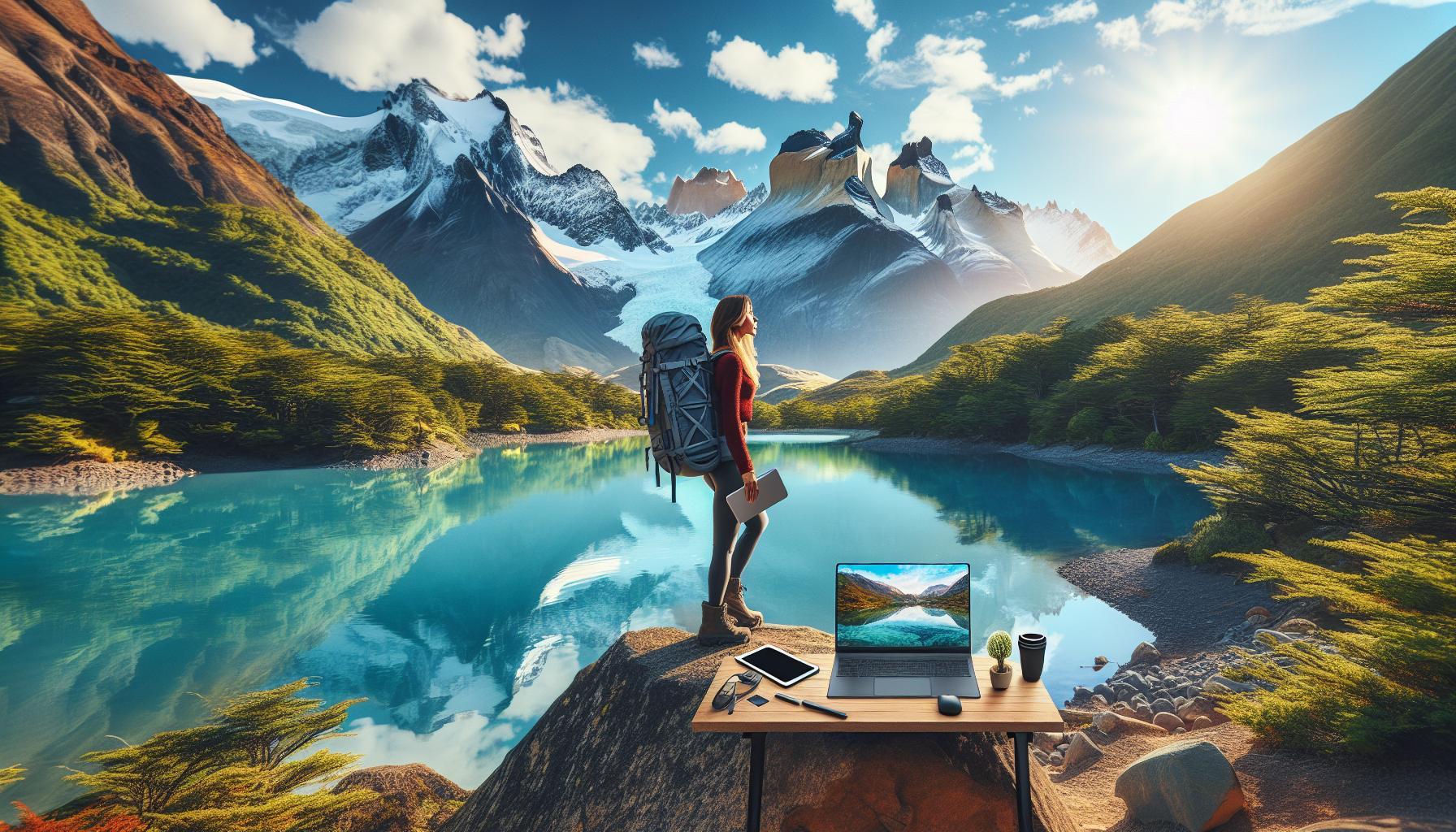
Have you ever dreamed of exploring the world on your own terms, savoring the thrill of independence with every step you take? “A Solo Traveler: How to Embrace Freedom and Thrive Anywhere” is your essential guide to navigating the exhilarating realm of solo travel. This adventure isn’t just about visiting new places; it’s about discovering yourself while experiencing the joys and challenges that come with traveling alone.
For many, the thought of traveling solo may feel daunting, filled with worries about safety or loneliness. However, this journey offers profound rewards: the opportunity to connect deeply with new cultures, meet fascinating people, and gain an unparalleled sense of confidence. Whether you’re a seasoned explorer or a first-time traveler, understanding how to thrive in solitude opens the door to transformative experiences.
As you dive into this guide, you will find practical advice intertwined with inspiring stories that will equip you to navigate any destination with ease. Embrace the freedom that comes with solo exploration, and discover how to turn every challenge into an opportunity for growth. The world is waiting for you to thrive-let’s take that first step together!
Embracing the Solo Traveler Mindset: The Ultimate Freedom
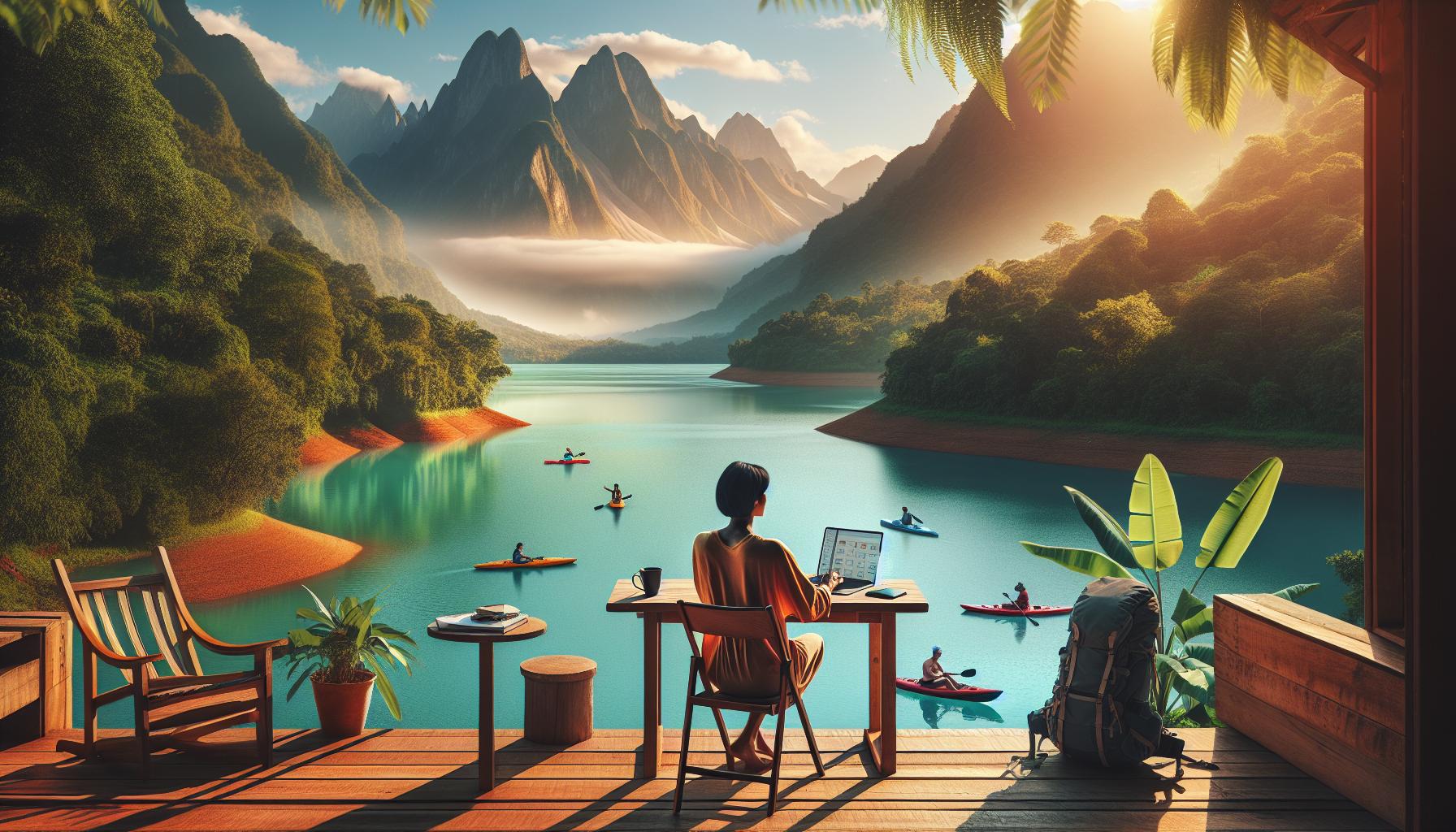
The exhilarating notion of solo travel is rooted in the ultimate freedom it offers-from setting your own itinerary to choosing where to dine and who to meet along the way. Dispelling the myths that solo travel is daunting, embracing this mindset instantly transforms anxiety into empowerment. Imagine wandering through vibrant markets in Marrakech, indulging in local cuisine, or cozying up with a book at a café in Paris-all without the need for coordination or compromise. This autonomy fosters not just exploration of new places but also a deeper connection with one’s self.
To fully embrace the solo traveler mindset, it’s essential to shift your perception from viewing loneliness as a hindrance to recognizing it as a unique opportunity for personal growth. Start by cultivating a spirit of curiosity; approach every destination as a blank canvas where you can paint your own adventure. Confidence grows with experience, so take small steps to immerse yourself in new environments, like striking up conversations with local shop owners or joining group tours tailored for singles. This not only enriches your journey but also lays the groundwork for potential friendships and connections that enhance your travels.
Another vital aspect of the solo travel experience is the ability to fully embrace spontaneity. Without the need to accommodate travel partners’ preferences, you can explore at your own pace. Perhaps you’ll find yourself hiking a trail you didn’t plan on or lingering longer at a breathtaking viewpoint-these unplanned moments often become the highlights of your journey. Keep an open mind and allow your instincts to guide you; such flexibility is a hallmark of thriving as a solo traveler. By fostering a sense of adventure and responsiveness, you’ll discover that the world is filled with opportunities waiting just for you.
Choosing the Right Destinations for Solo Travel Adventure
Selecting the right destinations is pivotal in enriching your solo travel experience, presenting not just opportunities for exploration but moments of profound personal growth. When choosing where to go, consider destinations that are known for their safety, accessibility, and friendliness to solo travelers. Places with a vibrant social scene or artistic culture can help you feel connected, even while being alone. Cities like Barcelona or Bangkok are bursting with life and offer bustling markets, street performances, and countless opportunities to meet fellow adventurers.
Key Considerations for Destination Selection
Before opting for a destination, assess the following aspects to ensure it aligns with your travel goals:
- Safety: Research crime rates and specific locales within the city or area. Look for traveler reviews and guides focusing on solo journeys to ascertain how welcoming and safe a place is for individuals.
- Transportation: Efficient public transport can significantly enhance your experience. Choose locations with well-connected bus and train systems, making it easy to venture out on your own.
- Social Opportunities: Seek out places known for social hostels, group tours, or communal dining experiences where you can meet new friends. Cities like Lisbon and Vancouver are perfect for this, as they offer numerous meetups for travelers.
- Experiential Variety: Opt for destinations that provide a range of activities; from cultural exploration to adventure sports, having varied options allows you to adapt your itinerary based on mood and interest.
Consider choosing destinations that resonate with your interests. Do you crave adventure? Look to New Zealand or Costa Rica for their stunning landscapes and outdoor activities. If culture and history excite you, cities such as Kyoto or Prague provide rich backdrops for exploration and learning. The beauty of solo travel is that you can learn to trust your instincts and follow your heart.
Engage with local communities to enhance your journey’s depth. Participate in local festivals or workshops, such as cooking classes in Thailand or art sessions in Italy, that offer a transparent insight into the culture while helping you forge connections. Remember, the destination may provide the backdrop, but the journey’s magic often lies in the interactions and experiences you cultivate along the way. Embrace the freedom that solo travel offers, and let each choice you make enhance your adventure!
Essential Packing Tips for the Free-Spirited Solo Traveler
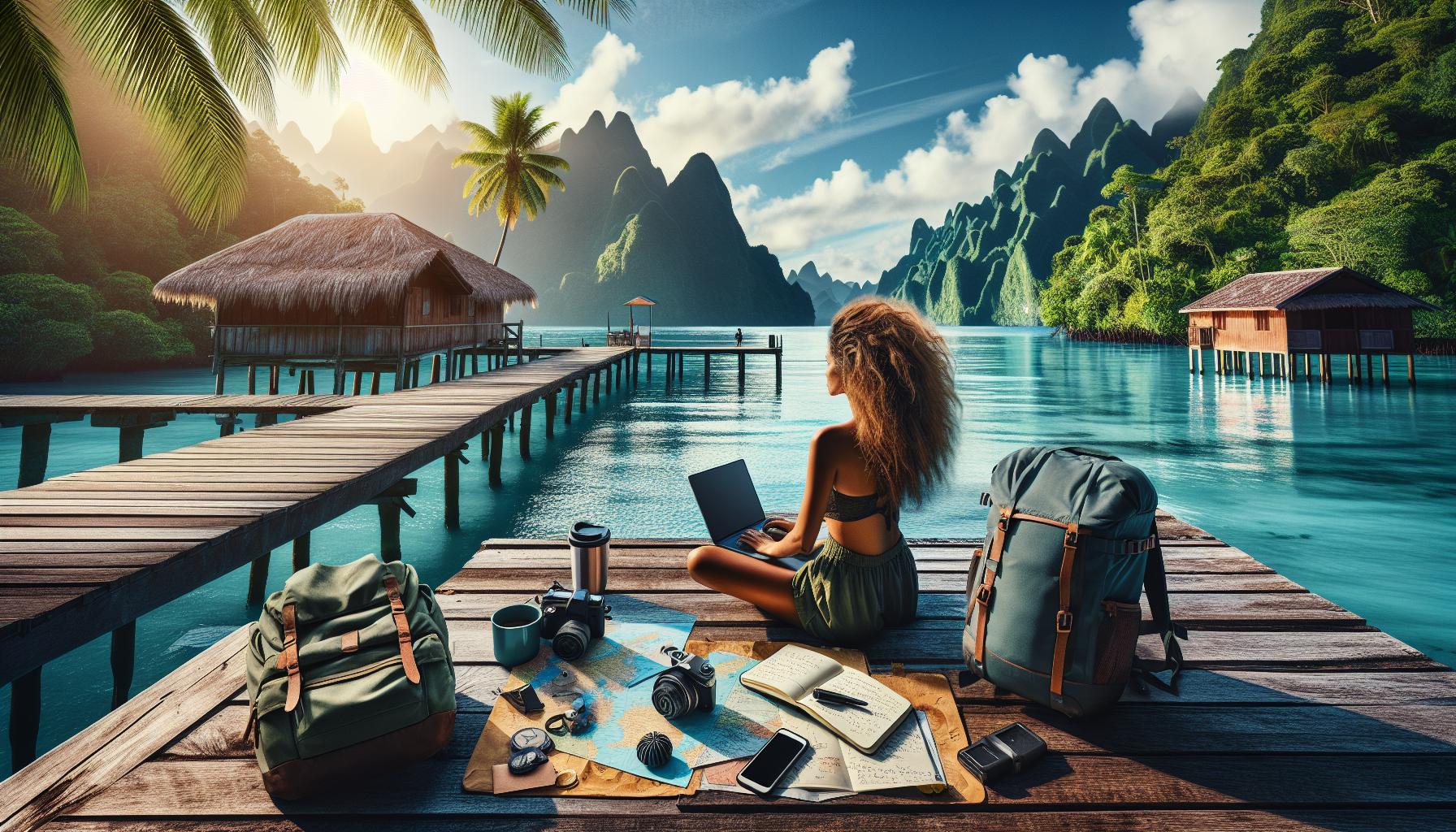
Packing for a solo adventure can either become a daunting chore or a thrilling process that sets the tone for your journey. It’s about striking a balance-bringing everything you need while ensuring you’re not lugging around more than you can handle. One of the first steps is to choose the right bag; a lightweight, durable backpack is often ideal for mobility and accessibility, allowing you to navigate through city streets or rugged trails without feeling weighed down.
What to Include in Your Packing List
Create a packing list to ensure you don’t forget essential items. Here are some crucial elements to consider:
- Clothing: Opt for versatile clothing that can be mixed and matched easily. Include lightweight layers, quick-drying fabrics, and a good pair of walking shoes. Don’t forget a light rain jacket or windbreaker, which can protect you against unexpected weather.
- Toiletries: Keep your toiletries minimal and travel-sized. Consider solid alternatives for shampoo and soap to save space and avoid liquid restrictions. Also, a quick-dry travel towel can be a lifesaver.
- Technology: Bring only essential gadgets; a smartphone and a portable charger generally suffice. If you’re working remotely, a lightweight laptop or tablet along with the necessary chargers and accessories is crucial. A universal adapter will also ensure you can stay connected wherever you are.
- Documents: Organize important documents-passport, travel insurance, tickets, and local emergency contacts-in a waterproof travel pouch. Having both physical and digital copies stored securely will give you peace of mind.
- First Aid Kit: Include basic first aid supplies such as band-aids, antiseptics, pain relievers, and any personal medications. This will prepare you for unexpected scrapes and ensure you’re able to take care of minor health issues on the go.
- Local Currency: While cash is becoming less common in some areas, it’s still wise to carry a small amount of local currency to ensure you can make purchases in cash-only establishments.
Streamlining Your Packing Strategy
To save space, consider using packing cubes or compression bags to keep your belongings organized. Roll your clothes instead of folding them to reduce wrinkles and maximize space. Each cube can represent a category-tops, bottoms, underwear-making it easier to access what you need without rummaging through your entire bag.
When it comes to packing, remember: less is more. Every item should serve a purpose, whether it’s for function, comfort, or experience. Challenge yourself to pack your essentials in a way that leaves room for spontaneous souvenirs or trinkets you may collect along the way. Embracing the spirit of a free-spirited solo traveler means giving yourself the freedom to explore with confidence, knowing you have everything you need to thrive in any environment.
Navigating Travel Logistics: Flights, Accommodations, and More
Finding your way in the realm of travel logistics can be one of the most thrilling yet challenging aspects of planning a solo journey. From booking flights to securing accommodations, mastering these elements can open doors to extraordinary adventures. One powerful tip is to be flexible with your travel dates and destinations; this allows you to snag better deals on flights. Utilize fare comparison websites and set price alerts to stay informed about the best prices.
Booking Flights
When it comes to booking flights, consider using incognito mode in your browser to avoid price hikes based on search history. Many airlines offer budget options that provide fantastic deals when booked in advance. Alternatively, look into nearby airports for your destination to find hidden gems of savings. If your schedule allows, choose non-direct flights as they often come with a lower price tag, which can be a great way to squeeze in an additional stopover in a new city.
Finding Accommodations
While hotels can serve their purpose, consider alternative accommodations like hostels, guesthouses, or serviced apartments for a unique experience without breaking the bank. Websites dedicated to solo travel cater specifically to single travelers, allowing for shared dormitories or private rooms where you can meet others. Be sure also to read reviews to ensure the place feels safe and welcoming, especially for solo travelers.
Furthermore, location matters greatly. Aim for accommodations close to public transport or within walking distance of attractions to save time and avoid the hassle of navigating unfamiliar cities. Don’t forget to check for amenities that cater to your needs, such as free Wi-Fi if you’re planning to work remotely.
Travel Insurance and Documentation
Before embarking on your adventure, securing travel insurance is critical-it provides peace of mind against unexpected cancellations, medical emergencies, or lost luggage. Research the insurance policies that specifically cover solo travelers and consider factors like coverage limits, emergency assistance, and any applicable deductibles.
Additionally, keep important documents organized and accessible. Consider using a digital application to manage everything from itineraries to tickets, ensuring they are only a click away. Having both physical and digital copies in a waterproof pouch can safeguard against loss or theft.
Embracing these logistical aspects not only enhances your travel experience but cultivates a profound sense of independence. With practice and preparation, navigating flights and accommodations will feel like second nature, empowering you to focus on the adventures that await you at your destination.
Building a Budget: Smart Money Management for Solo Travelers
When embarking on a solo travel adventure, one of the first steps towards freedom is mastering the art of budgeting. A well-planned budget not only enhances your travel experience but also empowers you to explore without constant worry about finances. By setting a realistic budget and sticking to it, you can discover hidden gems, indulge in local cuisine, and fully immerse yourself in the culture of your travel destination.
Creating Your Budget
Start by estimating your total travel expenses, including flights, accommodations, food, activities, and unexpected costs. Use a simple breakdown to visualize where your money will go:
- Transportation: Include flights, local transportation (buses, metros, taxis), and any car rentals.
- Accommodation: Determine whether you’ll stay in hostels, guesthouses, or hotels, and explore the average prices in each location.
- Meals: Research the cost of local dining options and cater for some splurges on memorable meals.
- Activities: Factor in any planned excursions, tours, or entry fees for attractions.
- Miscellaneous: Set aside a portion for souvenirs or any unexpected expenses.
Once you have your budget outlined, be sure to track your expenses daily using budgeting apps or even a simple spreadsheet to ensure you stay on track.
Saving Money While Traveling
Finding ways to save money while traveling can free up your budget for more meaningful experiences. Here are some tips:
- Stay Flexible: Travel during off-peak seasons to benefit from lower prices on flights and accommodations.
- Use Public Transport: Instead of taxis or ubers, utilize local public transportation options, which are usually more cost-effective.
- Cook Your Own Meals: If your accommodation offers kitchen facilities, take advantage of this by shopping at local markets and preparing your own meals.
- Seek Free Activities: Research free or low-cost activities such as walking tours, local festivals, or nature trails to maximize your experience without overspending.
Emergency Fund
An essential aspect of budgeting for solo travel is setting aside an emergency fund. Aim to have at least 10-20% of your overall budget reserved for unforeseen circumstances such as medical emergencies, changes in travel plans, or unexpected expenses. This safety net can provide peace of mind and allow you to troubleshoot any issues without compromising the rest of your trip.
Taking control of your finances through determined budgeting not only enhances your travel experience but also fosters a sense of independence. By planning diligently and being mindful of your spending, you can embrace the freedom of solo travel with confidence, transforming your journey into a fulfilling adventure.
Safety First: Empowering Tips for Solo Traveler Security
When venturing into the world as a solo traveler, prioritizing your safety enhances not only your peace of mind but also your overall experience. Empowering yourself with knowledge and awareness can transform fear into confidence, allowing you to embrace the adventure that awaits. By employing a few strategic measures, you can navigate new environments with ease and protect yourself from potential risks.
Stay Aware and Trust Your Instincts
A heightened sense of awareness is your best ally while traveling alone. Always pay attention to your surroundings, make mental notes of emergency exits, and trust your instincts; if a situation feels off, remove yourself from it. Whether you’re exploring bustling markets or navigating unfamiliar streets, cultivating this mindfulness will help you stay engaged with your environment. Choosing to avoid overly secluded areas, especially after dark, and sticking to well-lit, populated places enhances your security.
Protect Your Valuables
In lieu of carry-on bags that are easily accessible, consider using anti-theft backpacks or belts designed for travelers. Keep your valuables-like passports, cash, and electronics-securely stored but also easily retrievable. A discreet money belt worn beneath clothing or a lockable compartment in your bag can deter pickpockets and provide peace of mind. Always keep copies of important documents, such as your passport and emergency contacts, stored digitally and in a separate physical location, giving you backup should anything go missing.
Establish Local Connections
Engaging with local communities can offer not only enriching experiences but also help you navigate safety smoothly. Attend community events, engage in tours, or use trusted platforms to meet fellow travelers or locals. This can not only provide insights into hidden gems but also alert you to areas that may be less safe. Utilize social media or apps designed for travelers to connect, share experiences, and seek advice on staying safe in your destination.
Share Your Itinerary
Before you embark on your journey, share your travel plans with someone back home. Providing details about where you’ll be staying and your planned activities helps create an additional layer of safety. Regular check-ins via text or social media allow your loved ones to be kept in the loop regarding your whereabouts. Furthermore, in the age of technology, consider downloading safety apps that allow you to share your location and alerts in case of emergencies with your trusted contacts.
Embracing solo travel doesn’t have to mean sacrificing security. By remaining aware, protecting your belongings, seeking local connections, and keeping your trusted circle informed, you can embark on your journey with confidence and adventure at your fingertips. The world is yours to explore-safeguard your freedom and thrive!
How to Connect with Fellow Travelers and Locals
The thrill of solo travel is often amplified by the connections you make along the way. Engaging with fellow travelers and locals not only enriches your adventure but also opens doors to new experiences that you might have never considered. Whether you find yourself sipping coffee in a quaint café in Italy or hiking a hidden trail in the Andes, every interaction can lead to fascinating stories and lifelong friendships.
To cultivate these connections, begin by immersing yourself in community events or local gatherings. Attend art exhibitions, festivals, or food markets, where you can easily strike up conversations with both locals and other travelers. Engaging in activities like cooking classes or workshops can also create a shared bond with others, allowing you to learn together in a relaxed environment. Not only do these activities offer insight into the culture but they also provide a backdrop for natural and spontaneous interactions.
Utilizing technology can significantly enhance your networking opportunities. Platforms such as Meetup, Couchsurfing, or even social media groups dedicated to travelers can help you find like-minded individuals or events in your area. Consider joining local or group tours, which often attract both tourists and residents, providing an ideal setting to spark conversations and exchange travel tips. Additionally, don’t hesitate to ask locals for recommendations on where to eat or visit-they’ll often appreciate that you’re interested in their culture and may invite you to join them.
Remember, the key is to remain open and approachable. A simple smile or initiating small talk can go a long way. Authentic connections can turn strangers into friends, leading to shared meals, adventures, or even a meaningful conversation during a sunset. Every interaction is an opportunity to deepen your travel experience, allowing you the freedom to embrace the journey while thriving in unfamiliar environments.
Thriving as a Remote Worker While Traveling Solo
The allure of combining work with adventure can turn your solo travels into a fulfilling lifestyle. Embracing the remote worker mentality while exploring new destinations enables you to experience freedom in ways few ever get to. Imagine starting your day with a coffee on a sun-drenched terrace in Barcelona, followed by a work session that seamlessly blends productivity with inspiration from your surroundings. By adopting actionable strategies, you can successfully balance work responsibilities and the thrill of solo travel.
To thrive as a remote worker while traveling solo, it’s essential to establish a productive routine tailored to your destination. Begin by identifying suitable workspaces that inspire creativity. Consider local cafés, co-working spaces, or libraries, creating a list of these locations before your arrival. A workspace checklist might include:
- Wi-Fi quality: Check for strong and reliable connections.
- Ambiance: Ensure it has a comfortable atmosphere conducive to focus.
- Operating hours: Verify availability, especially if you keep atypical hours due to time zone differences.
- Availability of power outlets: This is crucial as you depend on your devices.
Another vital aspect is managing your schedule. Use online calendar tools to keep track of deadlines and meetings while carving out dedicated time for exploration. Mornings can be reserved for work when your mind is fresh, allowing you to dive into local attractions later in the day, maximizing both productivity and leisure. Embrace the flexibility of remote work by opting for lighter workdays during weekends for more extensive outings or experiences.
Networking with other remote workers can enhance both your professional and social lives. Occasionally, work-from-home communities host meet-ups in various cities, allowing you to forge new connections while sharing experiences. Join groups on platforms like Facebook or Meetup, which often feature local events. Connecting with fellow remote workers or digital nomads can lead to valuable insights, collaborative projects, or simply a shared meal with someone who understands your journey.
Finally, strive for a state of adaptability. Life as a solo traveler and remote worker comes with unpredictability-from sudden changes in accommodation to spontaneous adventures that may clash with your planned work schedule. Approach these challenges with an open mind, and don’t hesitate to recalibrate your plans as needed. This mindset will not only enrich your experience but also reinforce your ability to thrive amid varied circumstances, blending work with the freedom of exploration seamlessly.
Mastering the Art of Solo Dining and Socializing
There’s a unique thrill in dining solo that can transform a simple meal into an adventure. Rather than viewing your table for one as a sign of isolation, see it as an opportunity to fully immerse yourself in the culinary culture of a new destination. Savor every bite and relish the ambiance, whether it’s the clinking of glasses at a bustling café or the hushed elegance of a fine dining restaurant. Embrace this time to reflect, people-watch, or even plan your next steps while indulging in local flavors. Remember: dining alone can be as enriching as dining with company.
### Embrace Local Cuisine
Start by exploring local eateries that reflect the culture of where you are. Research places that focus on regional dishes, whether it’s a street food stall serving authentic taco al pastor in Mexico City or a cozy trattoria in Florence known for its handmade pasta. Don’t hesitate to strike up conversations with restaurant staff; they can recommend specialties and share stories that enhance your experience. Look for dining options that encourage social interaction, such as communal tables or open kitchens, which can make solo patrons feel more included.
### Learn to Dine in Style
Solo dining isn’t just about grabbing a quick bite; it can be a refined experience. Consider these tips to make your meals enjoyable:
- Request a table with a view: Enjoy the sights while you taste local dishes-whether it be a beach front or a city skyline.
- Engage with the menu: If unsure what to choose, ask your server for recommendations or a dish that represents the locale.
- Pair food with drinks: Elevate your meal with appropriate wine or local beverages that complement your food, thereby enriching your taste experience.
- Bring a journal or book: These items can provide comfort and give you a sense of purpose during your meal, allowing for a relaxed atmosphere.
### Networking Through Meals
Dining alone can also present a golden opportunity for socializing. Counter the narrative of loneliness by positioning your solo meals as networking prospects. Sit at the bar of a bustling restaurant where you might meet other travelers or locals. A simple smile or shared conversation about the menu can lead to meaningful interactions. Additionally, consider joining food tours or cooking classes where shared experiences can foster new friendships. By putting yourself in communal and interactive settings, you not only satisfy your taste buds but also expand your social circle.
### Respectful Behavior and Cultural Sensitivity
Finally, when dining in a foreign land, it’s important to be mindful of local dining etiquette. Research any customs or practices that may distinguish the experience-some cultures value silence, while others are more boisterous. Understanding these nuances not only shows respect but also allows for a more enjoyable experience. Be open to trying new things, whether it’s unfamiliar dishes or participatory dining traditions. This sense of curiosity will enrich your journey and deepen your appreciation for the diverse ways people come together over food.
Dining alone as a solo traveler can indeed be an extraordinary experience filled with flavors, connection, and self-reflection. By embracing this art with confidence, you can turn each solitary dining occasion into a lasting memory of your travels.
Cultural Sensitivity: Respectful Travel Practices for Solo Explorers
Every destination has its own cultural nuances and customs, making cultural sensitivity a vital aspect of solo travel. Respecting local traditions not only enhances your travel experience but also builds positive relationships with the communities you visit. Understanding these social frameworks can open doors to deeper interactions and foster a spirit of goodwill. For instance, in countries like Japan, bowing as a greeting signifies respect, whereas in many Middle Eastern cultures, a handshake might be the norm. Being attuned to these practices helps you navigate diverse social landscapes with confidence.
Approaching new cultures with curiosity and an open mind can greatly enrich your journey. Take the time to research your destination’s customs before you arrive. This might include understanding dining etiquette, dress codes, or how to engage appropriately in conversation. For example, many cultures expect modest attire when visiting places of worship, and knowing this in advance can prevent uncomfortable situations. Furthermore, when visiting indigenous communities or participating in cultural rituals, it’s often appreciated if you ask for permission to observe or photograph, showing respect for their traditions and privacy.
When encountering cultural practices that differ significantly from your own, maintain a respectful demeanor. If a local custom feels unusual-such as sharing food from a communal plate or adhering to specific greeting rituals-embrace the experience as an opportunity to learn rather than resist. Engage locals in conversation and express your interest in their customs, as this can lead to rich exchanges and the possibility of forming friendships.
Finally, adopting a mindset of humility and adaptability will serve you well. Misunderstandings are inevitable when navigating new cultures, so being ready to apologize and learn from mistakes will help you recover graciously. Approach each cultural encounter with an eagerness to learn, and remember: authentic connections and respect for local norms are the foundation of meaningful travel experiences. By valuing and honoring the diverse traditions you encounter on your journey, you not only enhance your own experience as a solo traveler but also leave a lasting positive impact on the cultures you visit.
Creating Memorable Experiences: Tips for Solo Travel Highlights
Solo travel opens the door to unique experiences that often feel like personal adventures crafted just for you. To create memorable moments, it’s essential to embrace spontaneity while also planning activities that resonate with your interests. Here are some tips to help you curate highlights of your solo journey that will linger long after your trip has ended.
Engage in Local Activities
Participating in local events or activities can be the highlight of your trip. Whether it’s a cooking class in Italy, a dance lesson in Brazil, or a meditation retreat in Bali, immersing yourself in the local culture not only enriches your experience but also creates lasting memories. Websites like Meetup or local tourism boards often list upcoming events where you can connect with both locals and fellow travelers.
Document Your Journey
Keeping a travel journal or starting a blog can enhance your experiences by allowing you to reflect on the places you visit and the people you meet. Capture your thoughts, sketches, or even snippets of conversations. Not only does this practice preserve memories, but it also offers you a chance to slow down and appreciate your surroundings. Consider bringing along a disposable camera or a portable printer to capture images right away, creating physical memories you can display later.
Explore uncharted paths
Stepping off the beaten path is often where the most extraordinary experiences lie. As a solo traveler, take the time to wander through lesser-known neighborhoods, visit small local eateries, and interact with street vendors. These interactions often lead to spontaneous adventures and conversations that can give you insight into the culture in ways you might not experience on standard tours.
Connect with Other Travelers
Being a solo traveler doesn’t mean you have to be alone; in fact, it offers great opportunities to connect with fellow travelers. Hostels, co-working spaces, and local cafes are excellent venues for meeting new people. Don’t shy away from introducing yourself or joining an organized group tour or activity. Sharing experiences with others can lead to memorable stories and friendships that enhance your travels.
Creating memorable experiences as a solo traveler is about blending adventure, personal reflection, and engaging with your environment. By being open to new activities, documenting your thoughts, exploring beyond the usual routes, and connecting with others, you can turn everyday moments into extraordinary highlights of your journey. Embrace the freedom that comes with solo travel and allow your experiences to shape your story.
Personal Growth Through Solo Travel: Stories and Lessons Learned
Embarking on a solo travel adventure is not just about exploring new destinations; it’s a transformative experience that shapes who you are. Many solo travelers report profound changes in their perspectives and self-confidence after navigating unfamiliar places alone. Every journey presents opportunities to confront your fears, discover new passions, and connect with your authentic self, leading to substantial personal growth.
Embracing Independence
Traveling alone often forces you out of your comfort zone, fostering a sense of independence that can be both empowering and exhilarating. This newfound autonomy can manifest in small ways, such as choosing what to eat or deciding on your next destination without compromise. For instance, a traveler who once hesitated to order a dish in a foreign language may find joy in mastering local menus, enhancing their confidence and adaptability. By embracing each moment-both the mundane and the extraordinary-you cultivate a greater appreciation for life’s journey and become more attuned to your surroundings.
Building Resilience
Facing the unexpected-like missed flights, language barriers, or navigating unfamiliar public transport-builds resilience. Each challenge equips you with problem-solving skills and a deeper understanding of how to handle adversity. Take, for example, a solo traveler who encounters a sudden rainstorm while exploring a new city. Instead of letting disappointment set in, they might choose to seek comfort in a cozy café, meet locals, and enjoy the ambiance. Such moments not only teach adaptability but also encourage an adventurous spirit.
Reflecting and Learning
Solo travel provides valuable time for reflection. Setting aside an hour each day to journal your thoughts on your experiences can reveal insights into your values and aspirations. For instance, jotting down observations during a serene sunset might lead to realizations about what truly brings you joy, such as nature, creativity, or human connection. Hearing stories from locals or fellow travelers can also broaden your worldview, highlighting different perspectives on life and culture.
Overall, the journey of solo travel is a rich tapestry of experiences that invite you to break free from conventional norms and engage deeply with both yourself and the world. By stepping out alone, you gather stories that not only enrich your understanding of others but also foster a profound sense of self-awareness and growth you carry into every aspect of life. Whether you are a first-time adventurer or a seasoned nomad, embracing the lessons learned from solo travel can ignite a lifelong passion for exploration and personal development.
Q&A
Q: What are the best destinations for first-time solo travelers?
A: First-time solo travelers should consider destinations with a welcoming atmosphere and a rich network of solo-friendly activities. Cities like Lisbon, Barcelona, and Bangkok offer vibrant cultures, friendly locals, and numerous group tours, making it easier to meet people and explore safely.
Q: How can solo travelers stay safe while exploring new places?
A: Solo travelers can enhance their safety by staying aware of their surroundings, avoiding risky situations, and keeping essential items secure. Researching local customs and emergency contacts before traveling can also empower safety. For detailed tips, refer to our section on Safety First.
Q: What are some affordable travel tips for solo adventurers?
A: Solo travelers can save money by traveling off-peak, using budget airlines, and staying in hostels or shared accommodations. Cooking some meals or using public transportation further reduces expenses. Explore more on smart budgeting in our dedicated section.
Q: How can solo travelers manage homesickness on long trips?
A: To combat homesickness, solo travelers can stay connected with friends and family through calls or social media, keep a travel journal, and engage in local activities to build a sense of community. Consider finding local meetups to forge new connections.
Q: What are the benefits of traveling solo?
A: Traveling solo offers freedom to create your itinerary, fosters self-discovery, and encourages personal growth. It allows for deeper engagement with environments and cultures at your own pace. Explore more on personal growth through solo travel in our article’s section.
Q: How do solo travelers find companionship on their journeys?
A: Solo travelers can connect with others by joining group tours, participating in hostel activities, or using travel apps designed to meet fellow explorers. Engaging with local events, classes, and social meetups also provides opportunities for companionship.
Q: When is the best time to travel solo?
A: The best time to travel solo often depends on preferred climate and activities. Generally, shoulder seasons (spring and fall) offer enjoyable weather, fewer crowds, and often lower prices, making it ideal for relaxed exploration. Check local calendars for seasonal events as well.
Q: Why is cultural sensitivity important for solo travelers?
A: Cultural sensitivity enhances your travel experience by fostering respect and understanding towards locals and their customs. It builds trust and creates meaningful connections, enriching your journey. For tips on respecting local cultures, refer to our Cultural Sensitivity section.
Future Outlook
As you embark on your journey to embrace the freedom of solo travel, remember that every step taken is an investment in your personal growth and experiences. You have the tools to navigate new cultures, make meaningful connections, and thrive anywhere life takes you. Don’t let fear hold you back-start planning your next adventure today!
For more tips on remote work logistics and safety, check out our articles on navigating visas and maximizing productivity while traveling. Join our newsletter for exclusive insights and join a community of like-minded travelers sharing their stories and advice. Take the leap, explore our resources, and unlock the full potential of your solo travel experience. Your next great adventure awaits!