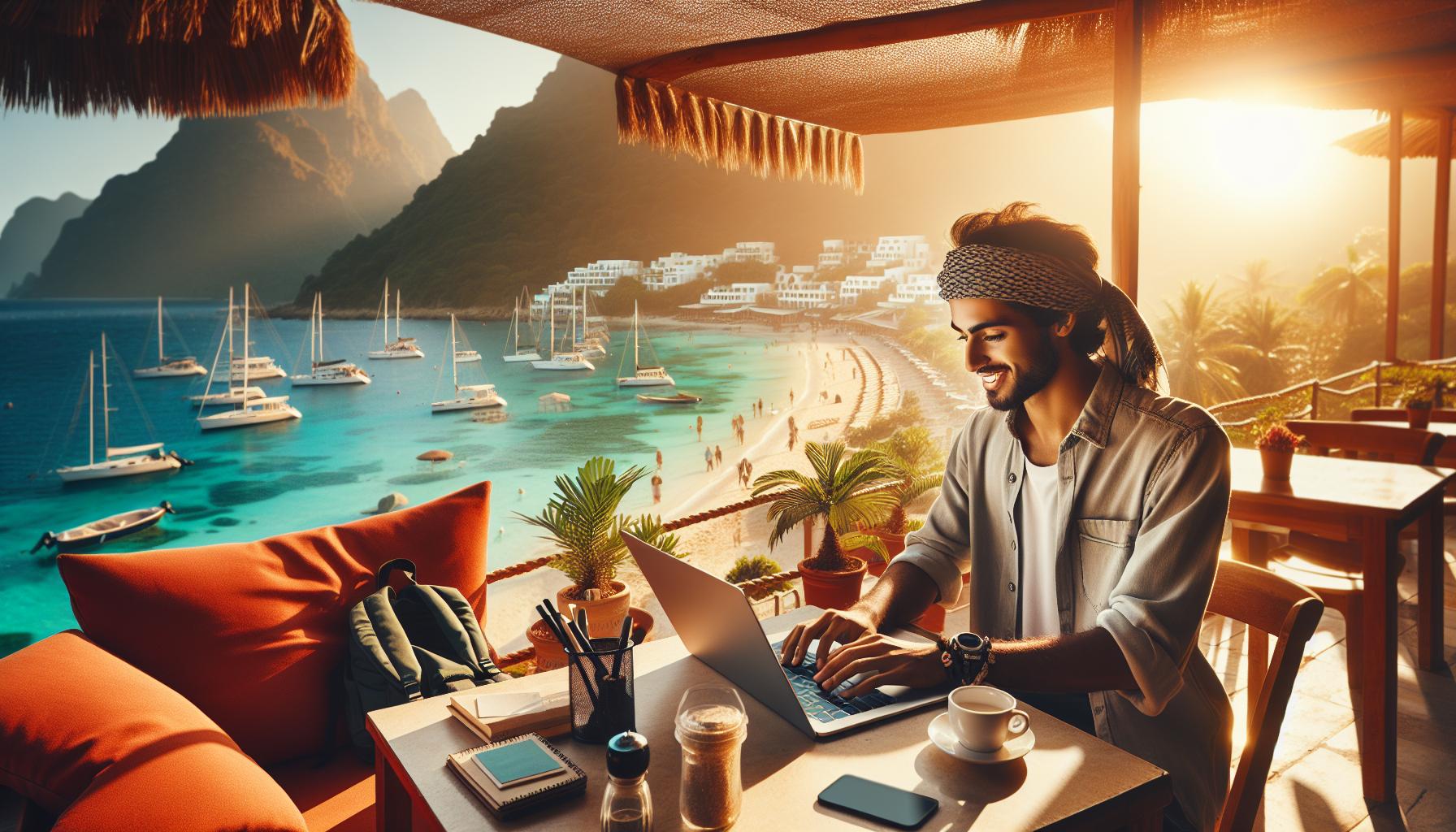
Imagine working from a beach in Bali or a café in Lisbon, all while maintaining your professional responsibilities. The digital nomad visa makes this dream a reality for many remote workers, offering a legal pathway to live and work abroad temporarily. Understanding the implications and requirements of this visa can empower you to explore new cultures while enjoying the flexibility of a location-independent lifestyle.
As you consider the possibilities of becoming a digital nomad, it’s crucial to grasp the potential challenges and benefits associated with applying for this visa. From navigating visa regulations to finding the best destinations that welcome remote workers, every detail matters in ensuring a smooth transition into your new adventure. In this guide, you’ll uncover everything you need to know about the digital nomad visa, equipping you with the knowledge and confidence to take that exciting leap into a life of freedom and exploration.
What is a Digital Nomad Visa: Definition and Purpose
The allure of working from a beach in Bali or a cozy café in Lisbon is no longer just a dream for many people. With the rise of remote work, the concept of the digital nomad is becoming a reality for countless individuals seeking adventure while maintaining their careers. Central to this lifestyle is the Digital Nomad Visa, a special type of visa that allows remote workers to live and work legally in foreign countries for extended periods. This innovative visa aims to cater to the growing population of professionals who can perform their jobs from anywhere, providing them the opportunity to immerse themselves in new cultures without compromising their employment.
A Digital Nomad Visa serves multiple purposes. First and foremost, it legitimizes the stay of remote workers in a foreign country, effectively bridging the gap between travel and work. Countries that offer this type of visa recognize the economic advantages brought by digital nomads, who contribute to local economies while exploring new surroundings. Moreover, this visa often comes with specific conditions that ensure holders are self-sufficient and not taking local jobs from residents, which fosters a harmonious relationship between nomads and the host communities.
In essence, obtaining a Digital Nomad Visa can grant the chance to explore incredible destinations while maintaining a professional career. For first-time travelers or those considering this lifestyle, the prospect of travel and adventure is backed by the security of a legal working status, allowing nomads to feel at home in diverse environments. This powerful combination encourages individuals to step outside their comfort zones, embrace new experiences, and cultivate a deeper understanding of the world around them. Whether you’re drawn to the bustling streets of a metropolitan city or the serene landscapes of a rural area, the Digital Nomad Visa makes it possible to turn that aspiration into a reality.
Key Benefits of a Digital Nomad Visa
The possibility of living in a new country while continuing to earn a living is thrilling and transformative, and that’s exactly what a Digital Nomad Visa offers. This special visa not only facilitates legal residency in a foreign country but also opens up a wealth of opportunities that inspire travelers to pursue their dream of exploring the world without foregoing their careers. Here are some key benefits that make the Digital Nomad Visa an attractive option for remote workers.
Legal Peace of Mind
One of the most significant advantages of obtaining a Digital Nomad Visa is the legal assurance it provides. With this visa, you can live and work abroad without the constant worry of overstaying tourist visas or facing potential legal issues. This peace of mind allows you to focus on your work and immerse yourself in the local culture fully, from enjoying casual conversations with locals to participating in community events.
Prolonged Travel Opportunities
Digital Nomad Visas typically allow for extended stays, often ranging from six months to several years. This extended timeframe enables deep exploration and meaningful connections in your host country, as opposed to the fleeting visits that come with standard tourist visas. Imagine being able to settle in one of your dream locations-like a sun-soaked beach in Mexico or a vibrant city in Southeast Asia-where you can establish a routine, make friends, and truly become part of the local community.
Economic Benefits for Host Countries
Countries that offer Digital Nomad Visas often welcome digital nomads for the economic stimulus they provide. Not only do these remote workers spend money at local businesses, from cafes to coworking spaces, but they also contribute to the economy in more profound ways. This economic exchange helps foster a positive relationship between nomads and locals, ensuring that your presence is seen as beneficial rather than a burden.
Networking and Professional Growth
Working abroad presents unique opportunities to network with other like-minded professionals and local entrepreneurs. Many destinations are hubs for digital nomads, featuring coworking spaces and meetups catered specifically to remote workers. This environment provides a perfect backdrop for collaboration, sharing ideas, and uncovering new business opportunities. By connecting with professionals from diverse backgrounds, you can gain fresh perspectives that might even lead to exciting career developments.
In sum, stepping into the world of digital nomadism through a dedicated visa offers various benefits that cater to those seeking both professional and personal growth. Whether you’re ready to navigate new landscapes or build a career that spans the globe, the Digital Nomad Visa serves as a powerful tool to enhance your experience while working remotely.
Eligibility Requirements for Digital Nomad Visas
Obtaining a Digital Nomad Visa can open the door to incredible adventures abroad, but it comes with specific eligibility requirements that aspiring nomads must meet. Each country offering this visa has unique criteria, yet several common factors typically shape the application process. Understanding these requirements not only simplifies your journey but also enhances your chances of approval.
First and foremost, applicants usually need to demonstrate that they are employed or actively engaged in freelance work that can be done remotely. This means you will often need to provide proof of employment, such as a job contract, or evidence of your freelance business, like client contracts or invoices. Additionally, many countries require you to show that your work is with non-local companies, ensuring you’re not taking jobs from local residents.
Financial stability is another crucial criterion. Most nations mandate proof of sufficient income to support yourself while living abroad. This is often quantified by presenting bank statements, pay stubs, or tax returns showing that you earn a minimum monthly amount, which can vary greatly depending on the country’s economic standards. For example, Portugal’s Digital Nomad Visa requires a minimum monthly income of around €2,800, while other countries might have different thresholds.
Moreover, applicants may need to present comprehensive health insurance that covers their time overseas, ensuring that they have access to medical care if needed. Some countries may also require background checks or clean criminal records to ensure safety and compliance with local laws.
Navigating these eligibility requirements can seem daunting, but remember that many digital nomads have successfully made the leap to a new lifestyle. By preparing your documentation carefully and understanding the specific criteria of your chosen destination, you’re setting the stage for a transformative global experience. Transitioning to a digital nomadic lifestyle is within your reach, and the opportunity to explore new places while advancing your career is just a visa application away!
Top Countries Offering Digital Nomad Visas
As the digital nomad lifestyle continues to captivate professionals seeking adventure and flexibility, numerous countries have recognized the potential of attracting remote workers through dedicated visa programs. Here, you’ll find some of the top destinations offering Digital Nomad Visas, each with its unique appeal and requirements, fostering a global community of like-minded individuals ready to explore new cultures while pursuing their careers.
Portugal
Known for its stunning coastline, rich history, and vibrant culture, Portugal offers a Digital Nomad Visa that has garnered much attention. To qualify, applicants need to demonstrate a monthly income of at least €2,800, alongside valid proof of employment or freelance work with non-local companies. The chance to call cities like Lisbon or Porto home, combined with a warm climate and excellent food, makes Portugal a prime choice for those looking to balance work and play.
Estonia
Estonia pioneers digital innovation and is the first country to introduce a Digital Nomad Visa specifically designed for remote workers. The visa allows individuals to stay for up to a year if they provide proof of employment or a freelance contract and earn a minimum monthly income of €3,504. With its extensive digital infrastructure and a welcoming expat community, Estonia stands out as a hub for tech-savvy nomads eager to immerse themselves in Scandinavian culture.
Mexico
Beautiful beaches, rich traditions, and affordable living make Mexico an attractive destination for digital nomads. The Temporary Resident Visa can serve as a pathway for remote workers intending to stay longer than six months. Applicants require proof of a stable income of approximately $1,620 per month or a bank balance of about $27,000. Cities like Tulum and Playa del Carmen offer not just a breathtaking backdrop but also a thriving community of fellow digital nomads.
Bali, Indonesia
While technically not a formal visa, Bali is one of the most popular destinations for digital nomads, boasting an array of coworking spaces and a vibrant expat scene. Prospective nomads can apply for a 60-day visa on arrival, with options for extension. Although applicants may not need a specific digital nomad visa, a demonstrated income or work arrangement that allows for remote work is typically expected. The island’s beautiful landscapes, yoga retreats, and friendly locals make it a favored spot for those wishing to blend work with relaxation.
By understanding the nuances of each location’s visa requirements, aspiring digital nomads can more easily navigate their options and choose the ideal backdrop for their remote work journey. Embrace the adventure, connect with global communities, and witness how traveling while working can lead to a fulfilling and enriching lifestyle. With the right preparation and mindset, the world awaits your exploration!
Common Challenges in the Application Process
Navigating the world of digital nomad visas can feel like embarking on an exhilarating adventure filled with possibilities, but it often comes with its fair share of challenges. Understanding these obstacles before diving in can empower aspiring nomads to approach the application process with confidence and clarity.
One prominent hurdle is the meticulous documentation required by many countries. Applicants must typically present proof of employment, income statements, and even supplementary documents like bank statements or contracts. Failure to provide specific or properly formatted documents could lead to delays or, worse, rejection of the application. To avoid this pitfall, create a detailed checklist of all required documents needed for your chosen destination and gather them well in advance. Some countries may also have strict guidelines regarding the timeframe of income proof or require that you show earnings from non-local companies.
Another common challenge is understanding the varying visa conditions across countries. While many nations offer similar benefits to digital nomads, the specific requirements can differ significantly. For instance, while Estonia’s visa requires a minimum monthly income of €3,504, Portugal’s threshold is €2,800. It’s crucial to research each destination’s unique regulations, ensuring you understand how long you can stay, whether extensions are permitted, and the ramifications of changing your employment status while on the visa. Consulting with a local immigration expert or online communities can provide invaluable insights and decipher any confusing regulations.
Time management can also pose a significant challenge during the application process. Visa processing times can vary, ranging from a few weeks to several months depending on the country and the volume of applications they receive. It’s vital to apply as early as possible, ideally around three to six months before your intended move. Tracking application progress can also be stressful, especially if there are unexpected delays. Setting up alerts or reminders for follow-ups ensures no crucial dates slip through the cracks and gives you peace of mind.
Lastly, the emotional aspects of transitioning into a nomadic lifestyle shouldn’t be underestimated. Leaving behind familiar surroundings, managing expectations of a new environment, and dealing with potential culture shock can be overwhelming. Building a supportive network through digital nomad forums or social media groups can help ease this transition. Engaging with fellow nomads who have successfully navigated the journey can offer encouragement, insights, and strategies to make the application process-and ultimately, the relocation-much smoother.
Facing these challenges head-on will not only prepare you for the practicalities of obtaining a digital nomad visa but also enrich your journey toward becoming a global citizen. Remember, every obstacle is simply a stepping stone on your path to an adventurous and fulfilling nomadic life.
Understanding Tax Implications for Digital Nomads
Navigating the complex landscape of taxation as a digital nomad can feel daunting, but understanding the implications of your location independence is essential for both legal compliance and financial peace of mind. Digital nomads often mistakenly believe they can escape taxes simply by moving between countries, but the reality is more nuanced. Depending on your nationality, the countries you work in, and your residency status, you could be liable for taxes in multiple jurisdictions.
Tax Residency and Liability
Many countries determine tax residency based on the number of days you spend there within a given year, commonly 183 days. If you exceed this threshold, you may be subject to local taxation on your worldwide income. For instance, if you spend more than six months in a country like Portugal, you may have to pay Portuguese taxes even if you’re a citizen of another country. Understanding the specific residency requirements in your destination can prevent unexpected tax bills.
Double Taxation Treaties
One vital tool at your disposal is the double taxation treaty (DTT). Countries often establish DTTs to prevent individuals from being taxed on the same income in two different jurisdictions. For example, if you are a U.S. citizen working in Spain, the DTT between the U.S. and Spain can help clarify your tax obligations. Always check if your home country has a DTT with your host country, as this can significantly affect your tax liabilities.
Key Considerations for Income Types
When assessing your tax situation, consider the types of income you earn. For freelance work or digital services, the tax treatment may vary between countries. Some might tax only local income (income earned within the country), while others tax global income. Consequently, it’s crucial to document your income sources accurately and understand how each jurisdiction will treat them.
Practical Steps to Stay Compliant
To manage your tax obligations effectively while living a nomadic lifestyle, follow these practical steps:
- Research Tax Laws: Before moving, familiarize yourself with the tax laws of your intended country. This includes understanding personal income tax rates, self-employment taxes, and reporting requirements.
- Consult a Tax Professional: A tax advisor familiar with international taxation can provide tailored advice, ensuring compliance and identifying potential deductions or credits available to you.
- Maintain Detailed Records: Keep thorough records of your income, expenses, and the number of days spent in each country. This documentation can be invaluable if you face questions from tax authorities.
- Stay Updated: Tax laws are subject to change. Regularly check for updates in both your home country and any countries where you spend significant time to avoid compliance issues.
By adopting a proactive approach to understanding and managing your tax obligations as a digital nomad, you can ensure a smoother, more fulfilling journey. Knowing that your finances are in check allows you to focus on what truly matters: exploring new places, meeting diverse cultures, and enjoying the freedom that comes with a nomadic lifestyle.
Living and Working Abroad: What to Expect
Embracing the freedom of a digital nomad lifestyle can be both exhilarating and daunting. Imagine working from a cozy café in Lisbon or setting up your laptop with a breathtaking view of the mountains in Thailand. This lifestyle offers not just adventure, but also valuable lessons on adaptability and resilience as you immerse yourself in diverse cultures. However, as you prepare for life abroad, it’s crucial to understand the practical aspects of living and working in a foreign country.
One of the first things to consider is your work environment. Many popular digital nomad destinations boast coworking spaces that provide a vibrant atmosphere, high-speed internet, and valuable networking opportunities. For example, in Bali, the local coworking scene is thriving with spaces like Dojo Bali and Hubud, which host frequent workshops and community events. These environments can help you balance productivity with the inevitable social interactions that come from living in a new place.
When it comes to managing your workload in a different country, time zones can present unique challenges. Communication with clients and teammates may require new scheduling strategies. Tools like Google Calendar can help you set reminders for meetings based on local time zones, ensuring you remain punctual while respecting your work commitments. Additionally, leveraging project management software like Trello or Asana can keep your tasks organized, making collaboration seamless.
Furthermore, navigating local laws and customs is essential for a smooth experience. Each country has its own regulations regarding work, healthcare, and even driving. Be proactive by researching local laws, which can vary significantly from what you’re accustomed to. For instance, understanding health insurance requirements is vital; in some countries, you might be required to have specific coverage or documentation before being granted permanent residency or specific visas.
Finally, don’t underestimate the value of community support. Engaging with fellow digital nomads can enrich your experience. Joining groups on platforms like Facebook or attending local meetups through sites like Meetup.com allows for connections that can lead to friendships, collaborative projects, or even job opportunities. These resources can make your transition smoother as you tackle the inevitable challenges of moving to a new country.
In sum, living and working abroad as a digital nomad can be an incredibly rewarding adventure. With the right mindset, tools, and community support, you can thrive in your new environment while enjoying the liberating lifestyle you’ve chosen.
Essential Tools and Resources for Digital Nomads
Navigating the world as a digital nomad requires more than just a laptop and a beachside view; having the right tools and resources can make or break your experience. From managing remote work to ensuring seamless travel logistics, the digital nomad lifestyle thrives on efficiency and adaptability. As you embark on this thrilling journey, equipping yourself with essential tools will empower you to embrace location independence with confidence.
Key Digital Tools for Productivity
To maintain productivity while hopping between countries, consider adopting the following tools:
- Slack: A fantastic platform for real-time communication with team members, Slack can keep your projects on track regardless of where you are in the world.
- Zoom: For video meetings and virtual collaboration, Zoom is crucial, offering reliable video quality even in areas with spotty internet.
- Notion: A versatile workspace that combines notes, databases, and tasks in one platform, Notion can streamline your workflow and help you stay organized.
Travel and Accommodation Resources
Finding suitable places to stay while traveling can be daunting. Fortunately, several platforms can ease this process:
- Airbnb: Ideal for long stays, Airbnb offers a wide range of properties, allowing you to immerse yourself in the local culture while having a comfortable workspace.
- Nomad List: This powerful resource ranks cities based on factors like cost of living, internet speed, and quality of life, helping you choose your next destination wisely.
Networking and Community Engagement
Building a support network is crucial for emotional well-being and professional collaboration. Platforms that facilitate community building include:
- Meetup: Use Meetup to find local groups of digital nomads or entrepreneurs, allowing you to connect with like-minded individuals and build friendships.
- Facebook Groups: Look for groups specifically for digital nomads; these often provide valuable insights, job leads, and emotional support from those on similar journeys.
Equipped with these resources, you’ll not only enhance your productivity but also create a richer, more connected experience as you travel. Embrace the adventure, knowing that the right tools are just a click away, paving the way for a fulfilling adventure in the digital nomad lifestyle.
Success Stories: Inspiring Digital Nomad Experiences
The journey of becoming a digital nomad often starts with a leap of faith, as demonstrated by countless individuals who have embraced this lifestyle and transformed their lives in the process. For instance, Sarah, a graphic designer from New York, found that obtaining a digital nomad visa for Portugal unlocked not just the beauty of Lisbon, but also a community of like-minded professionals. She leveraged co-working spaces, formed lasting friendships, and even collaborated on design projects, all while soaking in the vibrant culture and stunning landscapes of her new home.
Another inspiring story is that of Mike and Emily, a couple who traded their corporate nine-to-five jobs for the freedom of full-time travel. After securing digital nomad visas in Bali, they utilized platforms like Upwork and Fiverr to find freelance projects, enabling them to sustain their adventures. They shared their learning experiences through a blog, documenting their travels around Southeast Asia, which not only served as a creative outlet but also attracted a following, leading to sponsored partnerships that supported their lifestyle.
While navigating this exciting path, it’s imperative to equip yourself with knowledge and community. Joining forums and attending local meetups can provide vital support systems and resources for everything from logistics to emotional well-being. Many successful digital nomads emphasize the importance of staying connected with others facing similar challenges, such as loneliness or work-life balance, reinforcing that while the journey is your own, you are never truly alone.
These stories exemplify the endless possibilities that come with chasing the digital nomad lifestyle. With careful planning, leveraging the right resources, and building a supportive network, anyone can turn their dream of location independence into a rewarding reality.
Tips for Transitioning to a Nomadic Lifestyle
Transitioning to a nomadic lifestyle is both exhilarating and challenging, often characterized by a mix of excitement about new adventures and apprehension about the uncertainties ahead. One of the most effective ways to smooth the transition is through in-depth preparation. Begin by establishing your work routine; this might mean setting specific hours that align with your clients’ time zones or designating a reliable workspace where you can focus. Creating this structure will help you maintain productivity and balance while adapting to new environments.
Moreover, it’s essential to choose destinations that cater to your lifestyle needs. Research co-working spaces, reliable internet, and community support to ensure you can comfortably blend work and travel. Popular digital nomad hubs like Bali or Lisbon aren’t just about stunning views; they also offer vast networks of fellow nomads and resources to help you connect and collaborate. Engage in local meetups, workshops, or online forums to enhance your experience and foster connections that can lead to both personal and professional opportunities.
Planning your finances is another crucial aspect. Aim to have a budget that accommodates both living and travel expenses. Use tools like travel budgeting apps to track your expenses and find the best local resources for food and accommodations. Understand the cost of living in your chosen destinations and plan accordingly; for instance, some cities might have an attractive lifestyle cost but high accommodation fees. Also, consider setting up an emergency fund to cover unexpected expenses, which is especially important as you may face fluctuating income levels while freelancing or working remotely.
Lastly, embrace flexibility and remain open to the unexpected. Not every day will go as planned, and this adaptability is key to enjoying the nomadic lifestyle. Be prepared to change your itinerary or accommodation based on local conditions or personal needs. Often, the best experiences on the road come from unplanned moments or spontaneous decisions. By keeping an open mind and a curious spirit, you will find joy and opportunity in your journey as a digital nomad, turning challenges into memories and stories to share along the way.
Safety Tips and Considerations for Solo Travelers
Embracing a nomadic lifestyle can be thrilling yet intimidating, especially for solo travelers. The world is filled with diverse cultures and breathtaking landscapes, but along with the adventure comes the responsibility of ensuring your safety. Understanding and implementing essential safety tips will empower you to explore new destinations confidently.
One of the most crucial aspects of solo travel is staying aware of your surroundings. Always trust your instincts; if a situation feels off, remove yourself from it. Familiarize yourself with local customs and norms, as this will not only help you blend in but also assist in avoiding misunderstandings. It’s wise to keep your valuable items, such as passports and money, in a secure place, like a money belt or an inside pocket. When exploring new cities, make it a habit to carry minimal cash and avoid displaying expensive electronics in public. Additionally, consider using a lock for your luggage and staying in accommodations that have good security reviews.
Building a local network can greatly enhance your safety and experience. Utilize resources like social media groups or travel forums to connect with fellow nomads or locals before you arrive. Being part of a community can provide insider tips regarding safe areas, transportation options, and trustworthy services. If you’re part of a co-working space, engage in conversations and find potential travel companions; exploring with others is often safer than going it alone.
Lastly, always keep a communication plan in place. Share your itinerary with friends or family back home and check in regularly. Keeping a charged mobile phone with you, downloading offline maps, and having important contact numbers at hand can also be lifesavers. If you find yourself in an emergency, know the local emergency numbers beforehand, and consider having necessary apps downloaded for navigation, language translation, and local services.
By implementing these precautions and remaining vigilant, solo travelers can enjoy the thrill of adventure while minimizing risks, allowing for a rewarding journey of discovery that comes with being a digital nomad.
Q&A
Q: What is the purpose of a digital nomad visa?
A: A digital nomad visa allows remote workers to live in a foreign country while legally working for clients or companies based elsewhere. This visa facilitates a temporary lifestyle change without violating local work regulations. It often includes benefits like lower taxes and access to local services.
Q: How long can you stay on a digital nomad visa?
A: The duration of stay on a digital nomad visa varies by country, typically ranging from 6 months to 2 years. Some countries may offer extensions, while others might require visa holders to leave after their term expires. Always check specific regulations for the country of interest.
Q: Can families or partners apply for a digital nomad visa?
A: Yes, many countries allow digital nomad visa holders to bring family members or partners. However, this often depends on the specific visa regulations in place, with potential additional documentation required for dependents. Always verify eligibility requirements in the country you’re considering.
Q: What are the common costs associated with applying for a digital nomad visa?
A: Costs for a digital nomad visa typically include application fees, legal assistance, and any necessary documentation like health insurance or proof of income. It’s advisable to budget for these expenses and review specific fees for the destination country.
Q: What documents do you typically need for a digital nomad visa application?
A: Common documents needed for a digital nomad visa application include proof of employment or self-employment, a valid passport, health insurance, background checks, and financial statements. Each country has specific document requirements, so it’s essential to check their guidelines.
Q: Is health insurance required for a digital nomad visa?
A: Most countries require proof of health insurance that covers international healthcare costs for those applying for a digital nomad visa. Insurance must generally be valid for the entire duration of your stay and should meet specific local regulations.
Q: How does a digital nomad visa affect taxes?
A: A digital nomad visa can impact your tax obligations based on your residency status in the host country. Some countries offer tax breaks for digital nomads, while others may require you to file taxes locally. Consult with a tax professional to ensure compliance with both home and host country laws.
Q: What are some tips for successfully applying for a digital nomad visa?
A: To successfully apply for a digital nomad visa, ensure all documentation is complete and accurate, comply with application timelines, and prepare for potential interviews. Additionally, thoroughly research the specific requirements for your chosen destination to enhance your chances of approval.
The Conclusion
As you embark on your journey towards obtaining a digital nomad visa, remember that this opportunity offers you the freedom to work remotely while exploring new cultures and environments. Before you apply, ensure you’ve covered all essential aspects, from eligibility requirements to application processes, so you can make the most out of this exciting lifestyle. Don’t wait too long-many countries have limited spots or changing regulations, so take the next step today!
If you’re looking for more insights to enhance your digital nomad experience, check out our comprehensive guides on “Navigating Remote Work Taxes” and “Finding the Best Countries for Digital Nomads.” Subscribe to our newsletter for ongoing tips and resources that will empower your journey. Share your thoughts in the comments below, or connect with fellow nomads-your adventure starts now!