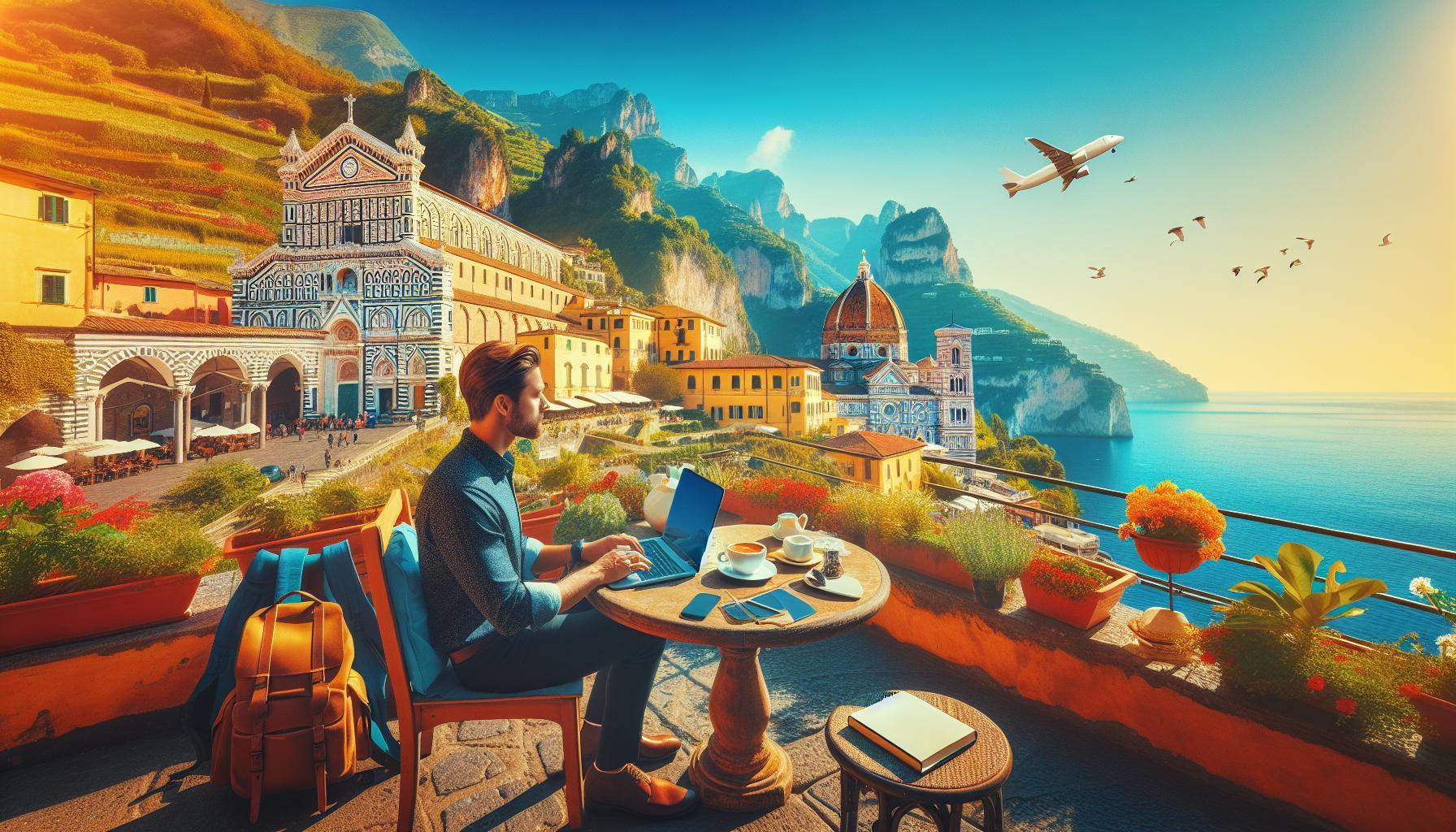
Imagine savoring authentic Italian gelato while working from a vibrant cafe in Florence or strolling through the historic streets of Rome during your lunch break. The Digital Nomad Visa for Italy is your ticket to merging work and adventure, allowing you to thrive in one of the most culturally rich countries in the world.
This visa opens doors for remote workers, freelancers, and entrepreneurs who wish to experience Italy’s breathtaking landscapes and diverse cuisine while maintaining their careers abroad. Whether you’re seeking inspiration from the art of Venice or the stunning architecture of Milan, living and working in Italy can transform your professional and personal life.
Read on to discover how you can embrace the Italian lifestyle, the requirements for obtaining the Digital Nomad Visa, and tips for making the most of your nomadic journey in this enchanting country. Italy awaits; let your adventure begin!
Digital Nomad Visa: Understanding the Basics
Embracing the lifestyle of a digital nomad is not just about working remotely; it’s about experiencing life in unforgettable destinations, and Italy stands out as a prime location for this adventurous journey. The Digital Nomad Visa in Italy makes it possible for aspiring nomads to immerse themselves in a rich tapestry of culture, history, and breathtaking landscapes, all while maintaining their professional commitments. With its charming cities, vibrant communities, and stunning coastlines, Italy offers a captivating backdrop for remote work that few can rival.
To be eligible for Italy’s Digital Nomad Visa, you must prove that you are a remote worker, which typically means engaging in employment with a foreign employer or running your own business that operates outside Italy. The application process revolves around demonstrating your financial independence, ensuring you can support yourself during your stay, typically by showing a minimum income or sufficient savings. The visa serves as a two-year residence permit, allowing you to explore Italy’s heritage while leveraging robust internet connectivity in cafés, co-working spaces, and even from your scenic apartment overlooking picturesque squares.
The supportive structure of this visa encourages adventurers to blend work and travel seamlessly. Daily routines filled with inspiring views, historic landmarks, and delectable cuisine can rejuvenate the mind, sparking creativity and productivity. Additionally, the possibility of joining co-working spaces or local meetups offers an invaluable opportunity to network and connect with fellow nomads and the local community. This connectivity fosters a sense of belonging, making the transition to a nomadic lifestyle less daunting and infinitely rewarding.
Choosing to work remotely in Italy isn’t just about the logistics of a visa; it’s an invitation to live life more fully. Imagine sipping an espresso in a sun-drenched piazza during a break, or winding down your day with an evening stroll through the cobbled streets of Florence. This is not merely a professional arrangement; it’s a chance to create memorable experiences that will shape your life while you accomplish your career goals from the heart of one of the world’s most beloved countries.
Eligibility Requirements for Italy’s Digital Nomad Visa

To successfully navigate the journey of obtaining Italy’s Digital Nomad Visa, you must meet a variety of eligibility requirements that ensure you can thrive while enjoying the beauty and culture of Italy. First and foremost, you must demonstrate that you are a genuine digital nomad. This typically means that you are employed by a company outside of Italy or that you are self-employed with a business that serves clients or customers from outside the country. The emphasis here is on being a remote worker whose business operations do not benefit the local labor market.
Another critical criterion is proving your financial independence during your stay. The visa application requires you to show that you have sufficient income or savings to support yourself without relying on any Italian sources. This often translates to a minimum monthly income requirement, which can vary, but it is generally advisable to aim for around €2,500 to €3,000 per month. Documenting your income through pay stubs, bank statements, and contracts can bolster your application and reassure authorities of your ability to sustain your lifestyle abroad.
It’s also important to consider your age; applicants must be over 18 years old, reflecting the need for personal responsibility and maturity in managing both work and life in a foreign country. Alongside these prerequisites, you should be prepared to present a clean criminal record from your home country, underscoring your suitability as a temporary resident in Italy.
Finally, it’s beneficial to understand that the application process can involve verification of your remote work status and financial statements, often requiring translation into Italian. Being thorough and organized in your documentation can make a significant difference, setting a solid foundation for your digital nomadic adventure in Italy. This opportunity allows for a unique blending of work and travel, promising not only professional growth but an enriching life experience amid Italy’s rich heritage and vibrant atmosphere.
Necessary Documents and Application Process

Gathering the necessary documents and navigating the application process for Italy’s Digital Nomad Visa may seem daunting, yet it’s pivotal for ensuring a smooth transition into this exciting chapter of your life. Start by familiarizing yourself with the essential paperwork required for your application. The Italian authorities require a transparent presentation of your professional background, financial stability, and personal identification, ensuring that you meet the visa’s prerequisites.
Key Documents Required
- Proof of Employment or Business Ownership: This can include a contract from a foreign employer or business registration documents if you are self-employed.
- Financial Statements: You must provide bank statements, pay stubs, or tax returns to demonstrate your income, verifying that it meets the typical minimum of €2,500 to €3,000 per month.
- Identity Documents: A valid passport is essential, along with recent passport-sized photos.
- Clean Criminal Record: Obtaining a police clearance certificate from your home country will reaffirm your suitability for temporary stay.
- Health Insurance: Proof of international health insurance that covers your duration in Italy is necessary.
The Application Process
Once you have gathered all required documents, the next step is to complete the application process. Here’s a clear route to follow:
- Prepare Your Application Package: Ensure that all documents are translated into Italian if needed and compiled neatly.
- Submit Your Application: Depending on your current location, this might be at an Italian consulate or embassy abroad or through an online portal if available. Always check the specific guidelines, as they may vary by region.
- Interview and Verification: Some applicants may need to attend an interview, where you’ll provide clarity on your role and finances. Be prepared to articulate your remote work situation and how you plan to support yourself while in Italy.
- Await Processing: Processing times can vary, so apply well in advance of your planned departure. Stay proactive by following up to ensure that your application is proceeding smoothly.
Should your application be approved, embrace this incredibly fulfilling journey, allowing the stunning scenery and rich culture of Italy to inspire both your work and personal explorations. Whether sipping coffee in a bustling piazza or settling into a quaint coworking space, with the right documentation and mindset, your nomadic adventure can flourish.
Unpacking the Benefits of Remote Work in Italy

There’s a certain allure in the idea of blending work and travel, particularly in Italy-where Renaissance art, mouth-watering cuisine, and stunning landscapes coexist in every corner. Embracing remote work in this beautiful country can transform your professional lifestyle, allowing you to explore vibrant cities while maintaining your career. Whether you’re typing away in a cozy café in Florence or attending virtual meetings from a sun-drenched terrace in Amalfi, the benefits of working remotely in Italy are abundant.
One of the most significant advantages is the lifestyle it offers. The Italian culture is deeply intertwined with a sense of community and enjoyment of life. With the embrace of the “dolce far niente” philosophy (the sweetness of doing nothing), you can find a healthy balance between productivity and relaxation. Imagine wrapping up your work for the day and strolling through bustling piazzas, savoring a gelato while mingling with locals and fellow travelers. Taking breaks becomes a cherished ritual, enhancing both your creativity and overall job satisfaction.
Moreover, the opportunities for networking are vibrant and varied. Italy is not only a hub for global business but also for freelancers and entrepreneurs. Coworking spaces are popping up in every major city, offering not just a spot to work, but a chance to connect with like-minded individuals who share your passion for remote work. Engaging in workshops, networking events, and meetups can foster professional relationships that extend beyond borders, enriching both your career and personal growth.
The culinary delights and diverse landscapes also play a pivotal role in motivating remote workers. From indulging in fresh pasta in Bologna to riding bikes through the rolling hills of Tuscany, your lunch breaks can be an adventure, turning mundane workdays into memorable experiences. For solo travelers, this setting can be particularly empowering, enabling you to cultivate independence while embracing new friendships throughout your journey.
In summary, the benefits of remote work in Italy encompass more than just the ability to work from anywhere; it’s about integrating life and work in a manner that feels fulfilling and enriching. As you navigate this unique opportunity, remember that every experience contributes not only to your professional journey but also to a life well-lived.
Cost of Living Insights for Digital Nomads in Italy
Living as a digital nomad in Italy opens a world of captivating experiences, but understanding the cost of living is crucial for budgeting effectively. The financial landscape varies significantly across the country, influenced by factors such as location, lifestyle, and personal preferences. In larger cities like Rome, Milan, and Florence, costs are generally higher, whereas smaller towns or rural areas can provide a more affordable experience while still offering a rich cultural setting.
When considering accommodation, it’s essential to explore a range of options. Monthly rentals can cost anywhere from €600 to €1,500 depending on the city and type of lodging. For instance, while a one-bedroom apartment in the heart of Rome can be on the pricier side, moving just a few kilometers away might yield more reasonable rates. Websites like Airbnb and local property listings are excellent resources for finding comfortable and budget-friendly places to stay.
Beyond rent, daily expenses are also important to consider. Food in Italy remains reasonably priced, especially when eating locally. A meal can range from €10 to €30 at a restaurant, while cooking at home can drastically cut costs, with groceries averaging about €40 to €70 per week for one person. Embracing local markets not only enhances the culinary experience but also helps you save money. Public transportation is another aspect where digital nomads can save; cities like Milan and Rome have efficient metro systems, and monthly transport passes typically cost around €35-€55.
While navigating these costs, remember that the Italian lifestyle promotes balancing work with pleasure. Taking the time to enjoy local customs, foods, and the breathtaking scenery can enrich your experience without breaking your budget. To make the most of your nomadic adventure, connect with other remote workers and local communities, as they can often share insights on saving money and tapping into hidden gems that enhance both your professional and personal life. By planning thoughtfully and embracing the lifestyle, you can enjoy the best of Italy’s culture while maintaining financial stability.
Finding The Right Accommodation for Remote Work
Finding the right place to call home while working remotely in Italy is a key element of your digital nomad experience. With its rich history, stunning landscapes, and vibrant culture, you can find accommodations that not only serve as a base for your work but also enrich your Italian adventure. While scouting suitable living arrangements, consider your work requirements, budget constraints, and lifestyle preferences to strike a balance that keeps your productivity high and your spirits elevated.
Types of Accommodations
Exploring diverse lodging options can lead you to discover the ideal setup for your needs. Here are popular types of accommodations for digital nomads:
- Apartments: Renting an apartment can provide the comforts of home with the added benefit of a kitchen. Websites like Airbnb, Vrbo, and local real estate listings often feature both short-term and long-term rentals, giving you flexibility in terms of duration.
- Co-living Spaces: These are increasingly popular among remote workers. Co-living spaces not only provide accommodation but also a community of like-minded individuals, perfect for networking and socializing.
- Hostels: If you’re on a tight budget, hostels can be a viable option. Many offer private rooms with shared amenities. Plus, this could be an opportunity to meet fellow travelers.
- Farm Stays: For those seeking a unique experience, consider rural retreats where you can immerse yourself in Italian culture while enjoying breathtaking countryside views.
Finding Accommodation
Begin your search by determining your preferred locations within Italy. Major cities like Milan, Rome, and Florence tend to be busier and pricier, but they offer excellent networking opportunities and coworking spaces. Alternatively, smaller towns can provide a more tranquil atmosphere and lower costs. For instance, towns like Bologna or Matera offer a wonderful blend of history, culture, and affordability.
Use the following steps to streamline your accommodation search:
- Set a budget: Allocate what portion of your income you can spend on housing each month, keeping in mind that monthly rentals can range from €600 to €1,500.
- Research neighborhoods: Look for areas with easy access to public transportation and local amenities. Living near a coworking space or cafes with Wi-Fi can enhance your productivity.
- Read reviews: Whether you’re looking at Airbnb or co-living communities, check reviews to gauge the quality and reliability of the accommodation.
- Contact landlords/hosts: Don’t hesitate to ask questions about the availability of workspace, internet speed, and local connections.
- Secure your accommodation: Once you find your ideal spot, be prepared to secure it quickly-especially in sought-after areas.
Local Insights
Connect with local digital nomad groups through social media platforms like Facebook or Meetup to gain insights into the best accommodations. Fellow nomads often share personal experiences and advice, which can guide you toward hidden gems. Beyond finding a place to stay, immersing yourself in the local culture can provide invaluable networking opportunities and a supportive community.
Choosing the right accommodation is about creating a space that fosters both productivity and adventure. Whether climbing the corporate ladder or forging a path as an entrepreneur, your temporary home in Italy can serve as a backdrop for your remote work journey while enriching your experience of this beautiful country. Embrace the opportunity, and let Italy’s charm inspire your work and travel lifestyle!
Top Italian Cities for Digital Nomads
Italy boasts a blend of rich history, stunning landscapes, and vibrant culture, making it an enchanting destination for digital nomads. Each city offers unique advantages that cater to the needs of remote workers, from comprehensive coworking spaces to bustling social scenes. Here are some of the top cities that stand out as ideal bases for modern nomads seeking both productivity and inspiration.
Florence
Known as the heart of the Renaissance, Florence is not only a visual feast but also a thriving hub for creatives. The city’s inspiring architecture and art provide a backdrop that fuels creativity. With a growing number of coworking spaces, such as Nana Bianca and Impact Hub, you can find an environment conducive to work. Plus, the city’s compact design makes it easy to explore during breaks, with historical landmarks just a stroll away.
Rome
The bustling capital is perfect for digital nomads who crave a vibrant urban lifestyle. Rome offers an extensive array of coworking spaces, including talented coworking hubs like Talent Garden and Regus. The city’s vast cultural scene, comprising museums, historical sites, and delicious cuisine, offers endless opportunities for exploration and relaxation after work hours. Networking opportunities abound, as the cosmopolitan atmosphere attracts professionals from all over the globe.
Milan
As Italy’s financial capital, Milan is a hotspot for professionals and entrepreneurs. The city provides a robust infrastructure that supports remote work, including numerous coworking spaces like WeWork and Spaces. Milan’s fashion and design scene also create ample opportunities for networking within creative industries. With excellent transportation links, you can easily travel to nearby lakes and mountains during weekends to recharge.
Bologna
Often overlooked, Bologna is a hidden gem for digital nomads. It combines a lower cost of living with a rich academic atmosphere, thanks to its historic university. Co-working spaces such as Coworking Bologna make it easy to find a suitable work environment while the city’s vibrant culinary scene adds a delightful touch to daily life. Bologna’s central location in Italy means it’s also a great home base for scenic weekend trips to surrounding regions.
Palermo
For those who prefer a slower pace, Palermo offers a beautiful escape in Sicily. Known for its rich history, outstanding food scene, and stunning coastlines, this city provides ample chances to unwind after work. The blossoming coworking scene, including Spazio Mediterraneo, allows for productive work while immersing yourself in local culture. The affordability of life in Palermo compared to mainland cities is a significant draw for many remote workers.
Each of these cities offers unique opportunities for digital nomads, blending work and leisure in ways that enrich the remote work lifestyle. Choosing the right city not only influences your productivity but also how much you enjoy your Italian adventure. Embrace the opportunity to explore these diverse locales, each with its own flavor, and enhance your journey as a digital nomad in Italy.
Navigating Italian Work Culture as a Remote Worker
Adapting to work culture in Italy can be a rewarding adventure for digital nomads. Each region boasts its own unique character and expectations, but common elements weave through the fabric of Italian work life. Understanding these nuances not only enhances your experience but also fosters better relationships with colleagues and clients. From communication styles to work hours, embracing Italy’s professional landscape can significantly enrich your remote working journey.
One striking feature of Italian work culture is the emphasis on personal relationships. Italians value face-to-face interactions and trust-building over virtual meetings. When you have the opportunity, try to meet clients or colleagues in person, whether in a bustling café in Milan or a tranquil piazza in Florence. This approach can break down barriers and foster collaboration. Additionally, adopting polite and warm communication styles-starting emails with a friendly greeting or taking time to ask about one’s family-can go a long way in establishing rapport.
Another essential aspect to consider is the approach to work-life balance. While Italians work hard, they also cherish their leisure time. The traditional siesta is less common in major cities, but many offices still emphasize taking long lunches. Be prepared for meetings that stretch beyond the typical hours you might expect elsewhere. It’s crucial to respect these cultural practices-taking a mid-afternoon break can give you a chance to recharge, making your productivity soar in the later hours.
As you acclimate to the local work environment, it’s also wise to be mindful of the concept of “la dolce vita” or “the sweet life.” This philosophy suggests that life should be enjoyed, and it often permeates the workplace. Be flexible and open to invitations for socializing after work, whether networking with fellow professionals or simply sipping espresso at a local bar. Engaging in these social settings can foster valuable connections and may even open doors for new opportunities.
Finally, navigating Italian bureaucracy, especially for invoicing and tax purposes, can be daunting. Familiarize yourself with local regulations and consider consulting with an accountant if you plan to work with local clients. This proactive approach will ensure that you’re compliant and can focus on what you do best-your work. By immersing yourself in Italy’s distinctive work culture with respect and enthusiasm, you’ll not only enhance your professional skills but also create unforgettable memories during your time as a remote worker.
Tax Implications for Digital Nomads in Italy
Understanding the tax implications while embracing the digital nomad lifestyle in Italy can save you from potential headaches down the road. Italy’s unique tax structure presents both challenges and opportunities for remote workers. If you’re aiming to set up shop in the picturesque landscapes of Tuscany or the vibrant streets of Milan, it’s essential to grasp how your income will be taxed and what obligations you may have as a non-resident worker.
As a digital nomad, you may find yourself navigating the residence vs. non-residence status. If you reside in Italy for more than 183 days in a calendar year, you could be considered a tax resident, meaning your worldwide income will be subject to Italian taxation. Conversely, if you stay for less than half the year, you might only need to pay taxes on income earned within Italy. It’s crucial to keep track of your days spent in the country to accurately determine your tax status.
Key Tax Considerations
While tax laws can be complex, here are some key points to consider:
- Income Tax Rates: Italy has a progressive tax rate that ranges from 23% to 43% depending on your income level. Familiarize yourself with these rates to estimate your potential tax liability.
- Social Security Contributions: Additionally, if you work for a local employer or have clients in Italy, you may need to contribute to the Italian social security system, which also factors into your total tax obligations.
- Double Taxation Agreements: Check if your home country has a double taxation agreement with Italy. This can help prevent you from being taxed twice on the same income, offering potential savings.
- Value Added Tax (VAT): If you’re providing services, it’s also important to understand VAT regulations. Depending on your business structure, you may need to register for VAT if your turnover exceeds a certain threshold.
It’s recommended to consult with a tax professional who understands both local and international tax laws. They can help you structure your finances in a tax-efficient manner and ensure compliance with Italian regulations.
Finally, keep diligent records of your earnings and expenses while working remotely in Italy. This practice not only aids in tax preparation but also supports your eligibility for any deductions you may claim as a business expense. By being proactive about your tax responsibilities, you can focus more on enjoying your nomadic adventure in Italy’s stunning cities and scenic countryside.
Building Connections: Networking Tips for Digital Nomads
Connecting with like-minded individuals can elevate your experience as a digital nomad in Italy. Networking not only opens doors to job opportunities and collaborations but also enriches your cultural journey as you establish friendships with locals and fellow travelers. Italy’s vibrant cities are teeming with events, workshops, and social spaces specifically tailored for remote workers and freelancers.
To start building connections, explore co-working spaces such as Impact Hub in Milan or Cowo in Florence, where you can meet other digital nomads while taking advantage of productive environments. Many of these spaces host events ranging from lunch meetups to workshops, providing ample opportunity to network. Additionally, attend meetups and networking events found on platforms like Meetup, Eventbrite, or local Facebook groups dedicated to expats and digital nomads. These gatherings can be an excellent icebreaker, allowing for spontaneous conversations and long-lasting connections.
Engaging in community activities is another impactful way to network. Consider volunteering for local projects or joining hobby-based groups, such as language exchanges or cooking classes. These environments foster authentic interactions, as you share experiences with others who have a passion for learning and exploration. Being part of the local community will not only deepen your understanding of Italian culture but also help you forge bonds that could lead to professional opportunities down the line.
Lastly, leverage social media platforms like LinkedIn, Instagram, or even specialized forums to seek out local influencers or other nomads in your area. Don’t shy away from reaching out directly to people whose work resonates with you; a simple message or comment can lay the groundwork for a fruitful connection. By being proactive and open to new relationships, you’ll find that the nomadic lifestyle in Italy can be enriched through vibrant networks that support both your professional and personal growth.
Essential Tips for Solo Travelers in Italy
Italy is a dream destination for many solo travelers, offering stunning landscapes, rich history, and a vibrant culture that beckons adventurers of all kinds. However, navigating a foreign country alone can present challenges, especially when balancing work commitments with exploration. Embracing this adventure with confidence is essential, and with the right strategies, you can make the most of your stay while successfully managing your workload.
Start by planning your itinerary to include both work-friendly environments and quintessential Italian experiences. Identify co-working spaces that align with your work hours so you can maximize productivity during the day. Cities like Milan and Bologna offer numerous co-working spots that allow for networking while providing the necessary amenities to facilitate your remote work. Block out time for exploration afterward; whether it’s savoring a gelato in the sun or wandering the cobbled streets of Florence, ensure your schedule accommodates leisure.
Safety and comfort are also key factors when traveling solo. Always stay aware of your surroundings and choose accommodations that are in reputable neighborhoods. Booking options like hostels or co-living spaces, such as Wombat’s City Hostel or Selina, not only provide a social atmosphere but also offer networking opportunities with fellow digital nomads. Utilize technology to your advantage; apps like Citymapper or Google Maps can help you navigate public transport and discover popular attractions.
Furthermore, consider joining local meetups or workshops geared toward your interests. These can be instrumental in meeting new people, from fellow travelers to locals, and can create a sense of community as you settle into the Italian lifestyle. Websites like Meetup or local Facebook groups are great resources for finding events, whether they’re networking opportunities or cultural experiences like cooking classes or art workshops.
Lastly, embrace the local culture fully by learning a few key phrases in Italian, as this can deepen connections with locals and enhance your overall experience. Italians appreciate efforts to communicate in their language, and even a simple “buongiorno” (good morning) can open doors to friendly interactions. By balancing work, safety, social connections, and cultural immersion, your solo journey in Italy can be not just productive but profoundly enriching.
Must-See Destinations: Combining Work and Travel in Italy
Italy is a land steeped in history, art, and breathtaking landscapes, making it an ideal backdrop for combining work and adventure. Imagine wrapping up a virtual meeting and then strolling through iconic ruins or savoring a cappuccino at a quaint café with a view of the Colosseum. This flexible lifestyle not only enriches your remote work experience but also allows you to immerse yourself in diverse cultures and environments. Below are some must-visit destinations that seamlessly blend the professional and the picturesque.
Milan
As the heart of fashion and finance, Milan is a bustling hub for digital nomads. The city boasts an array of modern co-working spaces, such as Spaces and Talent Garden, providing conducive environments to focus and network. Beyond work, take a moment to visit the stunning Duomo di Milano, or enjoy a stroll through the picturesque Navigli district, famous for its canals and lively atmosphere. Don’t miss the opportunity to explore world-class museums and art galleries during your downtime.
Florence
Known as the cradle of the Renaissance, Florence offers an inspiring backdrop for creativity. While working from cozy cafés such as Caffè Gilli or La Ménagerie, you can marvel at stunning views of the Duomo or the Ponte Vecchio. Dedicate some of your weekends to explore the Uffizi Gallery or climb to Piazzale Michelangelo for breathtaking panoramic views. The city’s rich history and artistic vibe can serve as motivation, enriching both your work and cultural experience.
Rome
The Eternal City needs no introduction, as it’s filled with landmarks that deserve your attention. Many co-working spaces, like Regus or Coworking Roma, offer excellent amenities for remote workers. After your workday, dive into the local scene by visiting ancient sites like the Roman Forum and the incredible Vatican City. Rome’s vibrant street life, plentiful gelato options, and historic plazas provide countless opportunities for both relaxation and exploration.
Bologna
Renowned for its gastronomic delights and its emphasis on education, Bologna is a perfect mix of productive work and indulgent cuisine. With many co-working spots like Fabrica and Coworking Bologna, you can easily balance work and the need for inspiration. Be sure to take breaks for authentic Bolognese dishes like tagliatelle al ragù and spend your evenings exploring its medieval architecture. The vibrant student population and welcoming atmosphere create a rich social scene, making it easier for digital nomads to network and connect.
By choosing the right destinations, you can maximize your productivity while also savoring the richness of Italian culture. Each city offers unique opportunities to unwind, explore, and inspire. Embrace this journey and let Italy’s charm fuel both your remote work and creative spirit.
Frequently Asked Questions
Q: What is the duration of the Digital Nomad Visa in Italy?
A: The Digital Nomad Visa in Italy allows remote workers to stay for up to 12 months, with the possibility of renewal. This flexibility enables digital nomads to immerse themselves in Italy’s culture while maintaining their work commitments. For renewal details, refer to the Necessary Documents and Application Process section.
Q: How much income do you need for Italy’s Digital Nomad Visa?
A: To qualify for Italy’s Digital Nomad Visa, applicants typically need to demonstrate a minimum monthly income of approximately €2,000. This ensures financial stability during your stay. Consult the Eligibility Requirements for specific income criteria and potential exceptions.
Q: Can I apply for the Digital Nomad Visa in Italy online?
A: Yes, applicants can start the Digital Nomad Visa application process online through the designated website for Italian visas. However, a final appointment at the Italian consulate or embassy is often required. Check the Necessary Documents and Application Process section for detailed guidance.
Q: What are the tax implications for digital nomads in Italy?
A: Digital nomads may be subject to local taxes if they stay in Italy for longer than 183 days in a year. Before moving, it’s advisable to consult a tax professional familiar with international tax laws to navigate potential liabilities. Refer to the Tax Implications for Digital Nomads in Italy section for more insights.
Q: Are there limits on where I can work while on the Digital Nomad Visa in Italy?
A: There are generally no specific restrictions on where you can work while on the Digital Nomad Visa in Italy, provided your workspace complies with local regulations. Popular choices include co-working spaces and cafes, which are ideal for maintaining productivity. Explore Finding The Right Accommodation for more information.
Q: How can digital nomads build professional connections in Italy?
A: Digital nomads can build connections in Italy by attending local meetups, networking events, and co-working spaces. Platforms like Meetup.com or local Facebook groups can help you find relevant events. Check the Building Connections: Networking Tips for Digital Nomads section for tailored suggestions.
Q: What skills are in high demand for digital nomads in Italy?
A: Skills in IT, marketing, design, and project management are highly sought after for remote jobs in Italy. Keeping your skills updated through online courses can enhance your employability while living there. More on this can be found in the Navigating Italian Work Culture as a Remote Worker section.
Q: Is health insurance required for the Digital Nomad Visa in Italy?
A: Yes, applicants are typically required to have comprehensive health insurance covering the duration of their stay in Italy. This ensures you’re protected while exploring the country. For more specifics, refer to the Necessary Documents and Application Process section for guidance on acceptable insurance policies.
In Summary
Ready to embark on your Italian adventure? With the Digital Nomad Visa, you can enjoy Italy’s rich culture and stunning landscapes while working remotely. Don’t miss the chance to immerse yourself in the Italian lifestyle-apply now and start your journey! If you have questions, check out our guides on navigating visa applications and tips for remote work in beautiful locales.
Stay connected with us for more insights on thriving as a digital nomad. Explore articles on how to manage taxes while living abroad and our comprehensive list of countries offering digital nomad visas. Join our newsletter for the latest updates and resources to facilitate your nomadic lifestyle. Italy awaits-take the leap and transform your work-life experience today!