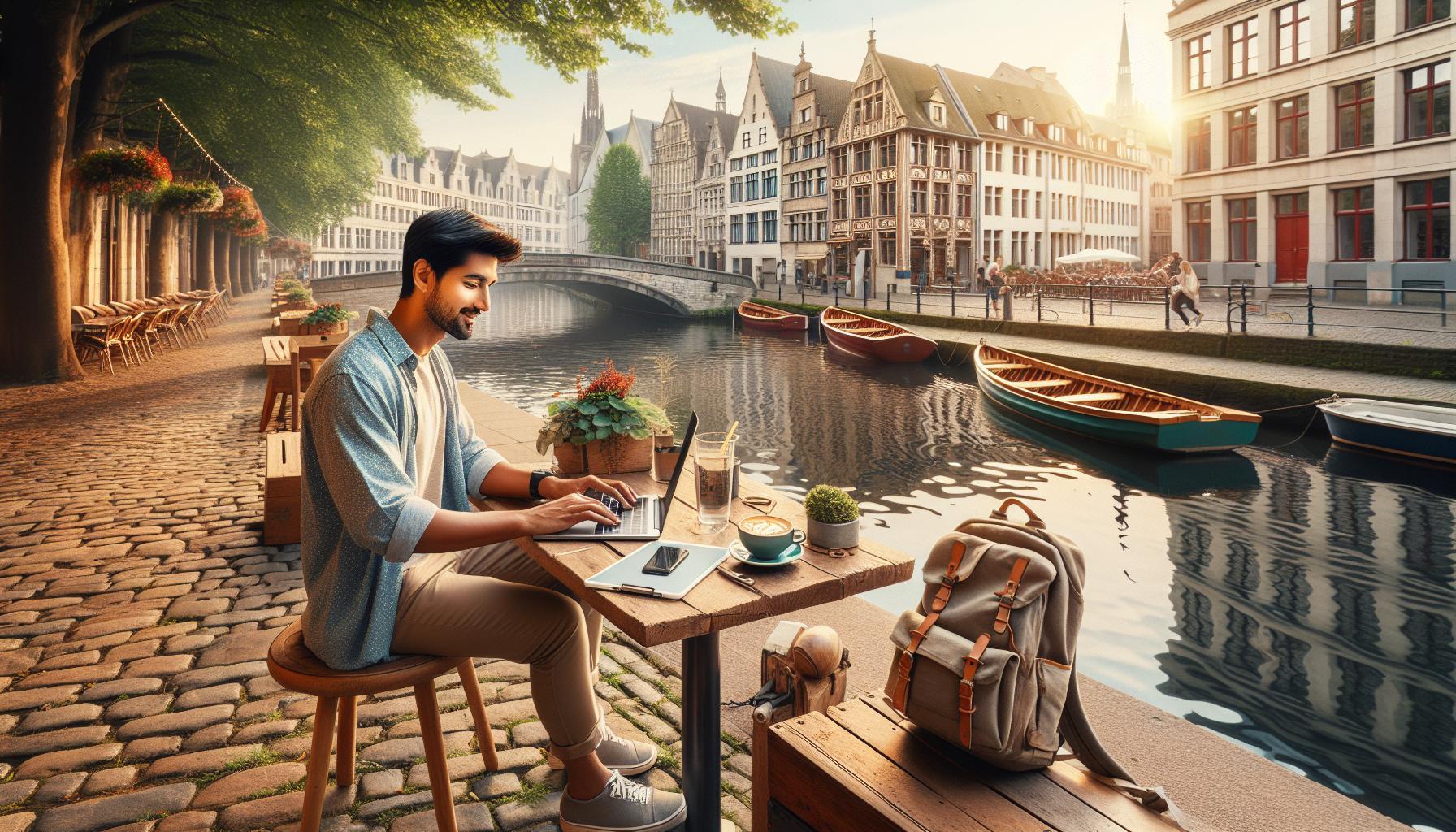
Picture yourself sipping espresso in a sunlit Tuscan piazza, laptop open, while the rolling hills and ancient architecture serve as your backdrop. “Digital Nomad Italy: Work from Tuscany to Sicily” is your guide to navigating life as a remote worker in one of the most beautiful countries in the world. With stunning landscapes and rich cultural experiences, Italy offers a perfect blend of productivity and leisure.
As remote work becomes more prevalent, many professionals are seeking the freedom to explore new environments without sacrificing career growth. This guide not only highlights the idyllic locations from Florence to Palermo but also provides essential insights on managing visas, taxes, and workspaces. Whether you’re a seasoned nomad or embarking on your first adventure, this article will empower you to craft an inspiring lifestyle while effectively managing your professional responsibilities. Explore how you can turn your dream of working in Italy into a reality, creating lasting memories and connections along the way.
Digital Nomad Lifestyle in Italy: An Overview
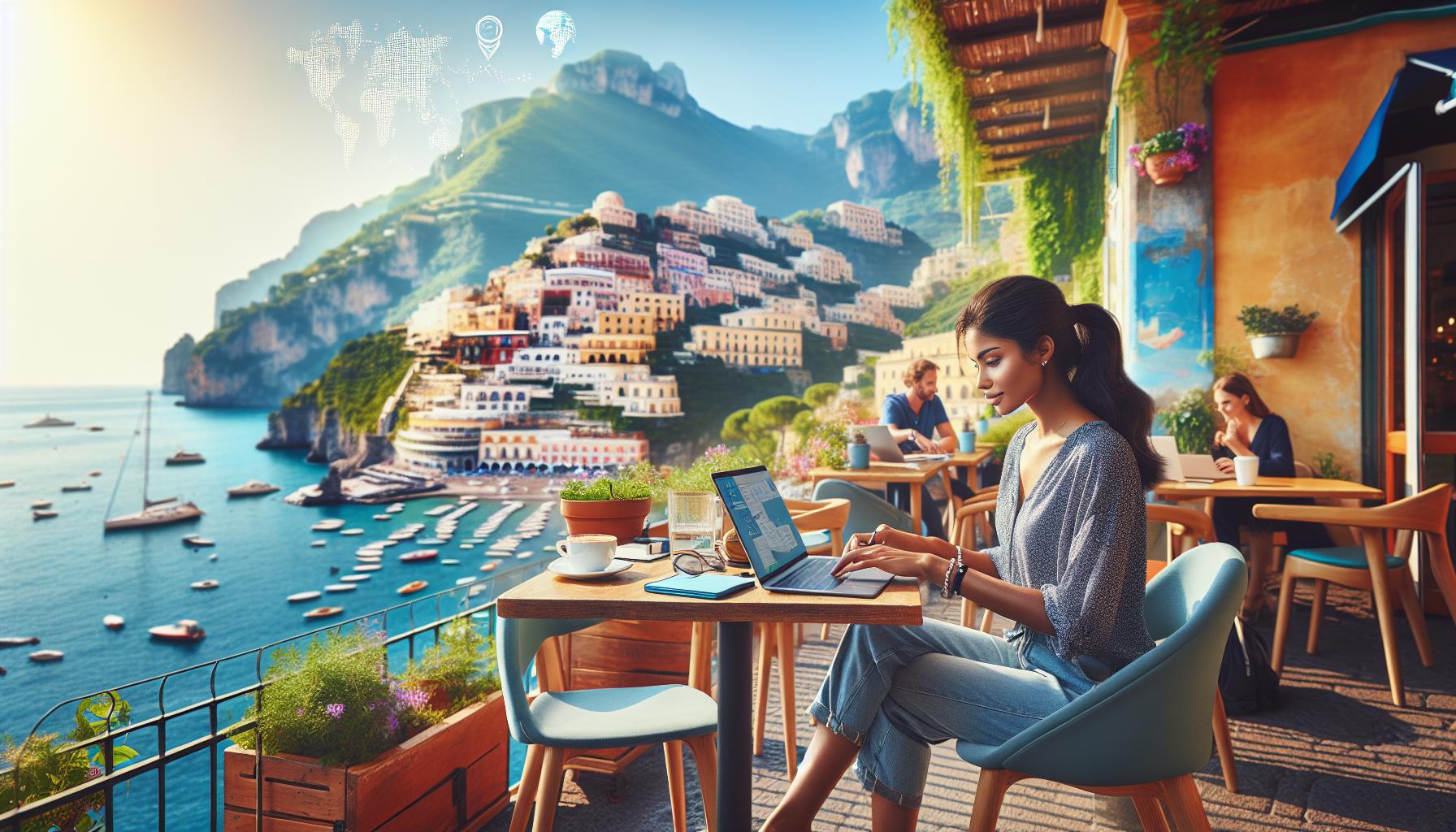
Embracing the digital nomad lifestyle in Italy offers an incredible blend of history, culture, and modern conveniences, making it a captivating destination for remote workers. From sipping espresso in a Florentine café to soaking up the sun on the Sicilian coast, the allure of Italy lies in its rich landscapes and vibrant communities, providing an inspiring backdrop for productivity and creativity. As a nomad, you’ll find that Italy isn’t just about picturesque views; it’s about experiencing diverse local cultures while maintaining a flexible work schedule.
Tuscany is often regarded as a top choice for digital nomads, not just for its stunning vistas but also for its seamless blend of rural charm and modern amenities. Towns like Florence and Siena are equipped with reliable internet connections and a plethora of coworking spaces, catering to the needs of professionals looking to balance work and leisure. The slower pace of life encourages longer lunch breaks, allowing you to indulge in the famous Tuscan cuisine or explore the beautiful countryside. Meanwhile, Sicily offers its own unique appeal, with breathtaking landscapes and a warm, welcoming atmosphere that makes it easy for nomads to settle in and find a community.
As you plan your journey across Italy, prioritizing access to reliable Wi-Fi and comfortable workspaces is crucial. Many cafés and public libraries in urban areas are designed with remote workers in mind, often providing ample seating and strong internet. Additionally, participating in local networking events or joining expat groups can help you build connections and discover hidden gems, enhancing your experience in each destination. Whether you’re drawn to the artistic heart of Venice or the historical depths of Rome, Italy offers an empowering space for you to thrive as a digital nomad while savoring life’s simple pleasures.
Top Destinations for Digital Nomads in Tuscany
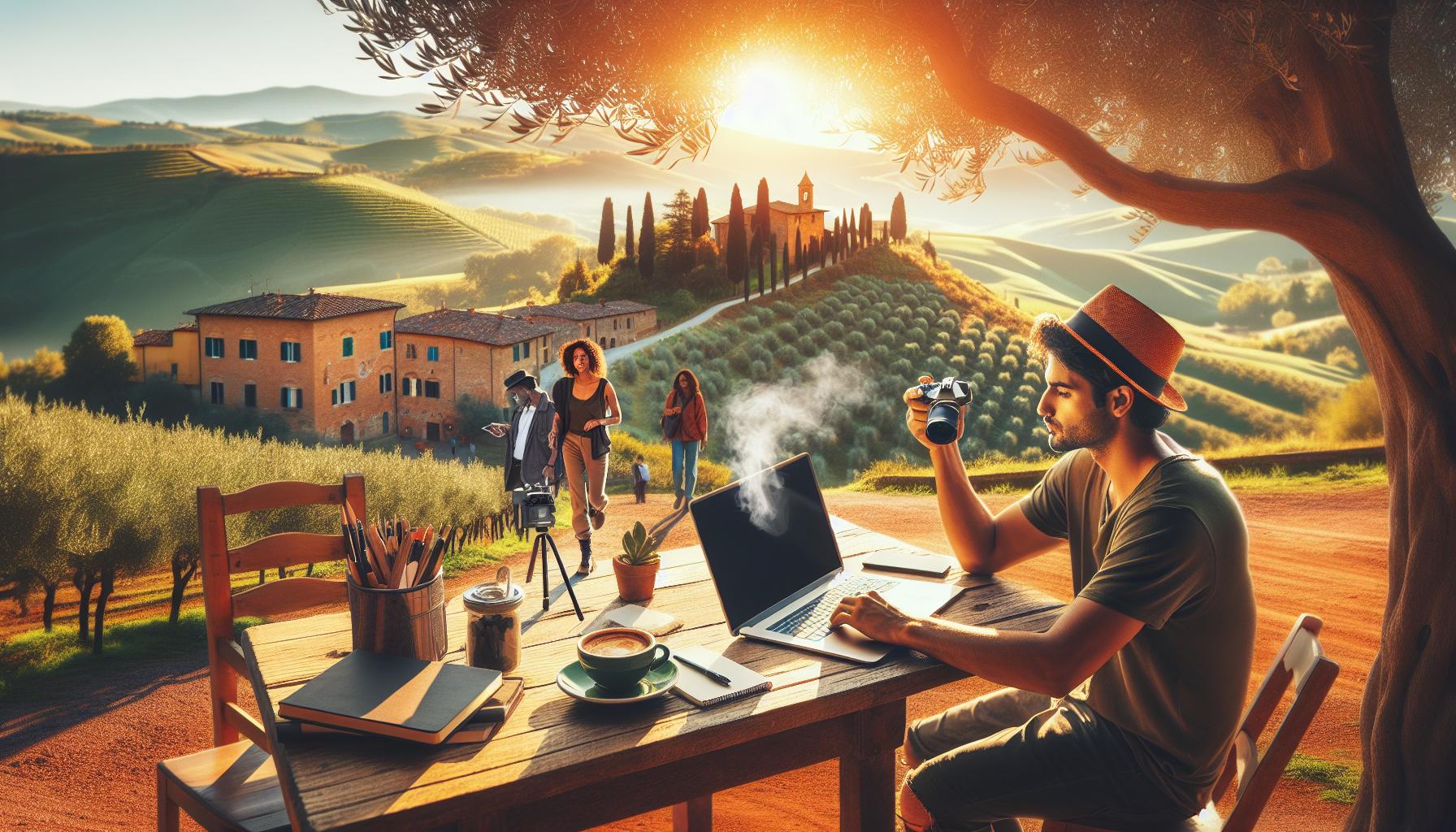
Nestled in the heart of Italy, Tuscany is a dream destination for digital nomads, seamlessly blending timeless beauty, rich culture, and modern conveniences. With its breathtaking landscapes, historic towns, and a slower pace of life, Tuscany provides an ideal backdrop for productivity and creativity. Imagine the invigorating experience of working on your laptop while basking in the golden sunlight filtering through the olive trees, followed by a leisurely stroll in medieval towns that feel like stepping back in time.
Florence: The Artistic Epicenter
Florence, the birthplace of the Renaissance, is not just a haven for art lovers but also a vibrant hub for remote workers. The city boasts numerous coworking spaces such as Impact Hub Florence and Regus, where you can find like-minded individuals and foster professional networks. Flexible work environments, combined with artistic inspiration all around-from the stunning Uffizi Gallery to the majestic Duomo-encourage creativity and innovation. In addition, you can unwind after a day’s work by enjoying a gelato at a picturesque piazza or indulging in Tuscan cuisine at a local trattoria.
Siena: A Blend of Tradition and Modernity
Siena offers a charming contrast with its medieval architecture and less frantic pace compared to Florence. The city is known for its beautiful squares, most notably the Piazza del Campo, where you can set up your laptop in a café and absorb the vibrant atmosphere. Siena hosts several coworking spaces, including Fabulous Coworking, which caters to travelers seeking both work and a supportive community. As you take in the stunning views from the Torre del Mangia, you’ll appreciate the blend of history and modern facilities that make working remotely here a joy.
Lucca: A Hidden Gem
Not far from the bustling tourist spots lies Lucca, often overlooked but brimming with charm. The city’s well-preserved Renaissance walls provide a unique environment for relaxation and exploration when you’re off the clock. Lucca’s coworking space, Lucca Coworking, is ideal for those looking for a quieter atmosphere while still enjoying strong internet connectivity. Spend your breaks biking along the walls or enjoying a café con crema in one of the town’s quaint squares, making every workday feel balanced and rewarding.
Practical Tips for Remote Work in Tuscany
To maximize your experience as a digital nomad in Tuscany, consider these essential tips:
- Reliable Internet: Always check the internet connectivity in your chosen accommodation and coworking space before booking.
- Local SIM Cards: Purchase a local SIM card to ensure you have mobile data for emergencies, especially when traveling between towns.
- Cultural Experiences: Engage with locals through language exchange meetups or cooking classes to enrich your stay and integrate with the community.
- Work-Life Balance: Make it a point to schedule your work hours but also set aside time to explore breathtaking sites like the Leaning Tower of Pisa or the rolling hills of Chianti.
In Tuscany, every moment is an opportunity to blend work and leisure, making it one of the most inspiring locations for digital nomads. With the right balance of professionalism and cultural immersion, you can thrive in your work while soaking up the beauty and history that this stunning region has to offer.
Exploring Sicily: A Remote Worker’s Paradise
When it comes to digital nomadism, few places capture the imagination quite like Sicily. This stunning island, steeped in history and culture, provides a perfect blend of work and leisure opportunities, making it an ideal base for those who wish to balance productivity with exploration. Imagine spending your mornings working in a sun-drenched café overlooking the azure waters of the Mediterranean, followed by an afternoon spent exploring ancient ruins or indulging in delectable Sicilian cuisine.
Sicily’s vibrant cities are packed with co-working spaces designed to inspire creativity and collaboration. For instance, Palermo, the island’s capital, has several options like Palermo Coworking and Spazio D’Incontro, both of which offer reliable internet and a community atmosphere. Taormina, with its spectacular views of Mount Etna, provides cozy spots to work, such as Malvasia Coworking, where you can enjoy your tasks with a backdrop of breathtaking scenery. No matter where you set up your desk, the cultural richness surrounding you will fuel your inspiration and productivity.
Moreover, understanding the practicalities of living and working in Sicily is crucial. Start by securing a stable internet connection-check the availability at your accommodations and local co-working spaces. Utilizing local SIM cards is also a savvy move, ensuring connectivity even while you’re on the go. Familiarize yourself with the public transport system to maximize your exploration time; buses and trains connect major cities and scenic spots, allowing easy travel with minimal hassle.
Keeping a balance between work and leisure is essential. Set aside time to immerse yourself in Sicily’s wonders, such as visiting the Valley of the Temples in Agrigento or hiking the trails around Mount Etna. Engaging in local cultural traditions, such as Sicilian cooking classes or language exchanges, not only enhances your experience but also helps you forge connections with locals and fellow nomads. In Sicily, every day is an adventure, and with a proactive approach, you can thrive both personally and professionally on this captivating island.
Essential Visas for Remote Work in Italy
Navigating the visa landscape in Italy is essential for anyone aiming to embrace the digital nomad lifestyle. With its breathtaking landscapes and rich cultural heritage, Italy is an attractive destination for remote workers. However, understanding the visa requirements is vital to ensure your stay is seamless and legal. The Italian government has made strides in recent years to accommodate remote workers, notably with the introduction of the *digital nomad visa*, aimed specifically at attracting independent professionals and freelancers.
To secure a digital nomad visa, you must typically meet several criteria. Primarily, you’ll need to demonstrate that you have a steady income from a foreign source, which is essential for supporting yourself while living in Italy. This can be proven through pay stubs, bank statements, or contracts with international clients. Additionally, having health insurance that covers you for the duration of your stay in Italy is paramount.
Here’s a streamlined breakdown of the steps you should follow to apply for the visa:
- Determine eligibility: Ensure you meet the income criteria and have proof of employment or freelance contracts.
- Gather necessary documents: This includes proof of identity (passport), income verification, health insurance coverage, and documentation confirming accommodation arrangements.
- Submit your application: This can usually be done at the nearest Italian consulate or online, depending on your home country’s regulations.
- Await a decision: Processing times vary, so apply well in advance of your planned travel dates.
Once in Italy, you’ll also need to consider residence permits and registration with local authorities, which can vary by region. For example, in Tuscany or Sicily, you might be required to register your temporary residence with the local municipality. Generally, remote workers have the flexibility to extend their stay as long as they comply with local laws and visa conditions.
With Italy’s evolving stance on remote work, now is the perfect time to explore the digital nomad opportunities that exist between the stunning landscapes of Tuscany and the vibrant cities of Sicily. By following the proper procedures and fulfilling the visa requirements, you can immerse yourself in Italy’s alluring culture while continuing your professional endeavors-all while working from your favorite café by the sea or a rustic villa in the hills.
Understanding Tax Implications for Nomads
Navigating the tax landscape as a digital nomad in Italy can seem daunting, yet understanding it is crucial for a smooth and fulfilling experience. Italy attracts many remote workers with its stunning scenery and rich culture, but it’s important to grasp your tax obligations to avoid surprises. Depending on your income source and duration of stay, you may owe taxes in both your home country and Italy, particularly if you remain for an extended period.
For those staying in Italy over 183 days within a calendar year, you could be deemed a tax resident. This status means you’ll be subject to Italian taxation on your worldwide income. If you’re earning local income from Italian clients or businesses, you’ll also need to consider the applicability of VAT and other regional taxes. Understanding these distinctions is vital, as they could affect your overall tax liability.
Here are key considerations for managing your tax responsibilities:
- Double Taxation Agreements (DTAs): Many countries have DTAs with Italy which prevent double taxation, allowing you to offset taxes paid to one country against another. Always check if your home country has such an agreement with Italy.
- Keep Detailed Records: Maintain comprehensive records of your income and expenses as evidence for tax filings. This can support deductions that may lower your taxable income in Italy.
- Consider Hiring a Local Tax Advisor: Engaging a tax consultant familiar with local laws can provide clarity on your specific obligations and opportunities to optimize your tax strategy.
The adventure of being a digital nomad amid Italy’s enchanting landscapes comes with responsibilities, but fear not; staying informed and proactive will allow you to embrace this lifestyle with confidence. Understand that the tax implications can be manageable with the right approach, ensuring your Italian sojourn remains as enriching as your professional pursuits.
Finding Reliable Wi-Fi and Workspaces in Italy
Italy’s diverse landscape and rich cultural heritage make it a dream destination for digital nomads, but finding reliable Wi-Fi and conducive workspaces can be critical to a successful remote work experience. Whether you’re nestled among the rolling hills of Tuscany or thriving amidst the vibrant atmosphere of Sicilian cities, being well-prepared to connect and create is essential.
In larger cities like Florence, Bologna, and Palermo, numerous cafés and co-working spaces cater specifically to remote workers. Many local cafés offer free Wi-Fi, and the ambiance can be perfect for inspiring creativity. Look for spots that are popular among the local expat community, as they provide not only solid internet connections but also opportunities to meet fellow nomads. Some recommended places include:
- Co-working Spaces: Places like Impact Hub in Florence and CommonGround in Palermo are designed for remote work. They not only provide high-speed internet but also host events and workshops, ideal for networking.
- Cafés with Reliable Wi-Fi: Caffè Gilli in Florence and Antico Caffè Spinnato in Palermo have both great coffee and stable internet connections, making them favorites for working away from home.
For those who venture into the countryside, Wi-Fi availability can be a bit patchy. Consider investing in a mobile hotspot to ensure you have internet access wherever you may roam. This can be particularly useful if you plan to work from agriturismos (farm stays) or during scenic trips through the Tuscan landscape. Checking local reviews on platforms like Google Maps or community forums can also provide insights on connectivity specifics at different locations.
When choosing a workspace, it’s also crucial to think about atmosphere. Some people thrive in bustling environments, while others may prefer a quieter corner. Make use of noise-canceling headphones or seek out designated quiet zones in co-working spaces. Ultimately, the goal is to create a productive work setting that inspires your creativity while immersing you in the local culture.
Italy boasts a warm climate and historic allure, which can be essential in balancing work and leisure. Taking breaks to enjoy a leisurely lunch or a gelato can greatly enhance your overall experience as a digital nomad. Remember, your workspace is not just about the internet-it’s about creating a lifestyle that inspires both your work and your adventures.
Best Cafés and Co-working Spaces in Tuscany
Tuscany is not just a feast for the eyes with its rolling hills and stunning architecture; it’s also a thriving hub for digital nomads seeking inspiration and productivity. With a myriad of charming cafés and innovative co-working spaces, you can easily find the perfect place to settle down with your laptop while soaking in the Tuscan sun or the bustling ambiance of a medieval town.
In Florence, the vibrant creative energy offers numerous spots to work. Caffè Gilli, located in the heart of the city, is not only known for its traditional pastries but also provides reliable Wi-Fi and a lively atmosphere. Alternatively, for a more tranquil setting, Caffè Artigiano caters to remote workers with great coffee and comfortable seating, making it an ideal choice for long work sessions. If you prefer a structured environment, Impact Hub in Florence is a co-working space that often hosts workshops and networking events, allowing you to connect with other like-minded professionals.
Venture into Siena, where Caffè dei Corazzieri offers a delightful combination of good coffee and a cozy environment to work. This café often attracts locals and travelers alike, providing a genuine taste of Sienese life. For those who seek a bit of nature while still being productive, there are numerous agriturismos scattered across the countryside, many of which offer Wi-Fi. Consider booking a stay at one of these farms where you can enjoy breathtaking views and a peaceful atmosphere.
Collaborative spaces are also gaining popularity in smaller towns. Studio 54 in Arezzo, for instance, is a fresh co-working space perfect for digital entrepreneurs, providing all the amenities you need without the city’s hustle. Whatever your preferred work style, from vibrant cafés to focused co-working environments, Tuscany accommodates every type of remote worker, ensuring that your productivity spans beyond just one picturesque setting.
Ultimately, the key to enjoying the digital nomad lifestyle in Tuscany lies in balancing work and exploration. Regular breaks to savor local cuisine or enjoy an evening stroll through historical streets can invigorate your motivation and creativity. Embrace the Tuscan charm while you work and discover the cultural richness that this beautiful region has to offer.
Cultural Etiquette for Digital Nomads in Italy
Embracing the digital nomad lifestyle in Italy provides a unique opportunity to explore a vibrant culture deeply rooted in history, art, and tradition. However, understanding the cultural etiquette is essential to ensuring smooth interactions and enriching experiences during your stay. Italians are known for their warmth and hospitality, but being aware of social norms can significantly enhance your engagement with locals.
One crucial aspect of Italian culture is the importance of greetings. A firm handshake is typical when meeting someone for the first time, accompanied by direct eye contact. In more informal settings, particularly when you get to know someone better, it’s customary to greet with a kiss on both cheeks, starting from the left. When entering shops or cafés, don’t forget to greet the staff with a friendly “Buongiorno” (Good morning) or “Buonasera” (Good evening). This small gesture goes a long way in establishing rapport and is often reciprocated with a smile.
Dining etiquette also merits attention. If you’re invited for a meal, it’s polite to bring a small gift for your hosts, such as a bottle of wine or dessert. When dining out, wait for everyone at the table to be served before starting to eat, and always maintain a polite demeanor when requesting anything from the staff. Italians typically take their time during meals, enjoying the food and company, so be prepared for leisurely dining experiences rather than rushing through your meal.
Furthermore, understanding local customs can deepen your immersion. Italians take pride in their regional traditions. For instance, when in Tuscany, try to participate in local festivals or events, which can provide fantastic networking opportunities with both locals and fellow nomads. Engaging in community activities offers a rich personal experience while respecting the cultural tapestry of the area.
Finally, always show appreciation for Italian language and customs. Even a few phrases in Italian can endear you to those you meet. Simple phrases like “Grazie” (Thank you) or “Per favore” (Please) not only demonstrate respect but can also facilitate more meaningful interactions. Remember that your efforts will likely be met with gratitude and encouragement, making your experience as a digital nomad in Italy all the more rewarding. Embrace the journey, savor the local flavors, and foster connections that transcend geographic boundaries.
Navigating Public Transport Across Italian Cities
Italy’s efficient public transport system makes it an ideal playground for digital nomads looking to explore, work, and wander. Whether you find yourself in the historic lanes of Florence, the bustling streets of Rome, or the picturesque cities of Sicily, navigating the transport options can enhance your overall experience and connect you to a wealth of opportunities.
To begin, familiarize yourself with Italy’s extensive network of trains, buses, and trams that can get you from one city to the next seamlessly. The national rail service, Trenitalia, operates express trains known as Frecciarossa and Frecciargento, which whisk you between major cities efficiently. For those looking for budget-friendly options, regional trains offer a more economical but still pleasant journey. Booking your tickets in advance through the Trenitalia website or app allows you to snag discounts and avoid long lines at the station.
Regional Transport Options
Within cities, public buses and trams are the go-to options. Most cities have an integrated ticket system, which means a single ticket often covers multiple modes of transport. For example, a ticket purchased in Florence allows you to use both buses and trams for up to 90 minutes. Make sure to validate your ticket at the designated machines upon boarding to avoid fines. For added convenience, consider downloading transport apps such as Moovit or Citymapper, which provides real-time information on schedules and routes.
Exploring Italy’s Hidden Gems
Transport isn’t just about getting from A to B; it’s also about uncovering Italy’s hidden gems off the beaten path. Many digital nomads fall in love with regions like Tuscany and Sicily, where local bus services can take you to charming villages like San Gimignano or Noto. Renting a bicycle can also be a rewarding way to discover these regions, especially in scenic areas where you can stop and work at local cafés with stunning views.
In addition, consider utilizing rideshare services such as BlaBlaCar if you’re venturing longer distances. This service connects drivers with passengers heading in the same direction, often providing a more social and cost-effective way to navigate through the countryside.
By embracing Italy’s public transport, not only do you ease your commute, but you also immerse yourself in the local culture, meeting fellow travelers and locals along the way. With a little planning and an adventurous spirit, your journey as a digital nomad in Italy will be as rich and rewarding as the vibrant landscapes you traverse.
Community and Networking for Digital Nomads in Italy
Engaging with the community can transform your experience as a digital nomad in Italy from a solitary journey into a rich tapestry of cultural exchange and professional networking. From cozy cafés in Florence to the lively streets of Palermo, you’ll find an enthusiastic community ready to share knowledge, tips, and opportunities. This experience not only alleviates the isolation that can accompany remote work but also opens doors to collaborative projects and friendships that can last a lifetime.
Connecting with local and expat communities is crucial. Platforms like Meetup, Facebook groups, and local forums are excellent starting points to find networking events, coworking spaces, and social gatherings tailored for digital nomads. For instance, the “Digital Nomads in Italy” Facebook group is a vibrant community where members share insights about where to work, recent visa updates, and local events. Additionally, co-working spaces such as The Hive in Florence or Cowo in Milan often host networking events and workshops, making them perfect venues to meet like-minded individuals.
Engage in local events and workshops that are conducive to networking. Participating in art classes, cooking workshops, or even language exchanges not only teaches you a new skill but also connects you with locals and fellow travelers who share your interests. In cities like Bologna or Rome, events like “Ciao! Meetup” bring together a diverse group of people eager to make connections. These gatherings create a supportive environment to share experiences and gain insights into navigating life as a digital nomad.
When networking, remember that the Italian culture values personal relationships. Take time to build genuine connections; a simple conversation over a cappuccino can lead to valuable professional relationships. Share your experiences, and don’t hesitate to ask for advice or recommendations. You’ll find that Italians appreciate authenticity and often go out of their way to help newcomers. Through these interpersonal relationships, you not only enrich your own journey but also contribute to the vibrant landscape of the digital nomad community in Italy.
Tips for Managing Work-Life Balance While Traveling
Finding a harmonious balance between work and exploration is a cornerstone of the digital nomad experience, especially in the enchanting landscapes of Italy. The key to managing this equilibrium lies not just in creating a schedule but in actively designing your lifestyle to embrace both productivity and adventure. By prioritizing your well-being while remaining committed to your professional responsibilities, you can enjoy the rich experiences that Italy has to offer without compromising your work quality.
One effective strategy is to establish a structured daily routine that honors both work hours and leisure time. Consider dedicating specific blocks of time to work, such as 9 AM to 1 PM, followed by a lunch break where you can indulge in local cuisine and soak up your surroundings. After a rejuvenating break, set aside a few more hours for work, then transition into evening activities exploring quaint Tuscan villages or enjoying the vibrant nightlife in Palermo. This not only helps you stay on task but also encourages you to savor the culture, ensuring that you’re not just passing through but truly experiencing these beautiful regions.
Utilizing tools and techniques to stay organized can also enhance your work-life balance. Applications like Trello or Asana are fantastic for managing tasks, while time-blocking ensures that you allocate time effectively across various projects. Pair this with a digital detox during the evenings-like leaving your laptop behind while you stroll through the historic streets of Florence or enjoy a sunset at the Scala dei Turchi in Sicily. This separation helps rejuvenate your creativity and focus, proving beneficial when you dive back into your work.
Finally, don’t underestimate the importance of self-care and social interaction. Join local yoga classes or participate in meetups for remote workers; this not only offers physical and mental refreshment but also fosters community. Engaging with fellow nomads can lead to collaborative opportunities, making your journey both enriching and fulfilling. Balancing work and leisure is not merely about time management but also about creating a lifestyle that allows you to thrive both professionally and personally as you traverse Italy’s stunning landscapes.
Safety Tips for Solo Digital Nomads in Italy
Traveling solo as a digital nomad in Italy can be an exhilarating experience filled with beautiful landscapes, rich history, and delicious cuisine. Yet, with the adventure comes the responsibility of ensuring your safety while you work and explore. By following a few practical strategies, you can safeguard your well-being and fully enjoy the magic of Italy.
One of the most essential safety tips is to stay aware of your surroundings. Italy is generally safe, but like any popular tourist destination, petty crimes, such as pickpocketing, can occur, especially in crowded areas or on public transport. Keep your belongings secure by using a crossbody bag that you can comfortably wear in front of you, and minimize valuables like jewelry and electronic devices when you’re out in bustling markets or historic squares.
Another key aspect of staying safe is choosing accommodations wisely. Opt for reputable hostels, guesthouses, or co-living spaces that prioritize security with features like lockers, keycard access, and positive online reviews. Many digital nomads find success in connecting with local hosts through platforms like Airbnb, which not only offers a place to stay but often provides insights into the area from knowledgeable locals. When staying in shared accommodations, trust your instincts about your roommates and make sure to establish boundaries.
Staying connected is also crucial for your safety. Share your itinerary with trusted friends or family and check in with them regularly. Consider downloading safety apps that provide local emergency contact numbers or share your location in real time. Additionally, remain informed about local customs and emergency procedures. Familiarize yourself with nearby hospitals or clinics in case of health issues.
Finally, engage with the local community. Not only will this enrich your travel experience, but it can also open up opportunities for support and camaraderie. Joining local meetups or co-working spaces allows you to network with fellow nomads and locals who can provide tips, guidance, or help if needed. Always trust your instincts; if a situation feels uncomfortable, don’t hesitate to leave or ask for help.
By implementing these strategies, you can traverse Italy’s stunning landscapes with confidence, knowing that your safety is prioritized while you indulge in the enriching experiences that come with the digital nomad lifestyle.
FAQ
Q: What are the best cities in Tuscany for digital nomads?
A: Florence, Pisa, and Siena are top cities in Tuscany for digital nomads. Florence offers a vibrant cultural scene, while Pisa is known for its historical landmarks. Siena, with its quieter ambiance, is perfect for focused work. Each city has charming cafes and coworking spaces to suit remote work needs.
Q: How can I find a reliable internet connection in Italy?
A: To find reliable internet in Italy, look for accommodations that offer high-speed Wi-Fi. Utilize local coworking spaces and cafes, which often provide strong connections. Additionally, consider purchasing a local SIM card with a data plan for backup while traveling, ensuring connectivity anywhere in Italy.
Q: What are the visa requirements for remote workers in Italy?
A: Remote workers need a visa depending on their nationality and work duration. EU citizens can stay for up to 90 days without a visa. Non-EU citizens should apply for a digital nomad visa or long-term visa, depending on their work situation. Check the latest regulations before your trip.
Q: Can digital nomads legally work in Italy?
A: Yes, digital nomads can work legally in Italy, provided they have the correct visa. The digital nomad visa allows non-EU citizens to live and work remotely in Italy for a specified period, fostering a thriving environment for remote work without the need for a traditional job offer.
Q: What are the cultural norms I should know as a digital nomad in Italy?
A: Italian culture values politeness and formality. Greet people with a handshake and always say “Buongiorno” (Good morning) or “Buonasera” (Good evening). Respect local customs, especially during meals, and enjoy leisurely dinners with locals; it’s a great way to network and integrate into the community.
Q: How do I budget for living as a digital nomad in Italy?
A: To budget effectively, consider accommodation, food, transportation, and leisure activities. Cities like Florence and Bologna may be pricier than smaller towns like Lucca or Agrigento. Research cost-effective housing options like Airbnb or local rentals, and track your spending using budgeting apps for better financial management.
Q: What are some local networking opportunities for digital nomads in Italy?
A: Join local coworking spaces or digital nomad groups on social media to meet fellow remote workers. Attend networking events, workshops, or local meetups to connect with like-minded individuals. Utilizing platforms like Meetup.com can help you discover events tailored to your interests in various Italian cities.
Q: How does the cost of living in Sicily compare to Tuscany for digital nomads?
A: Generally, the cost of living in Sicily is lower than in Tuscany, particularly in rural areas. Accommodations, dining, and local transport in Sicily often come at more affordable rates. However, popular spots like Taormina may be pricier, so exploring diverse locations can optimize your budget while living as a nomad.
Final Thoughts
As you consider taking the leap into the digital nomad lifestyle across Italy, remember that each stunning corner of Tuscany to Sicily offers unique opportunities for work and adventure. Embrace the flexibility of remote work that allows you to balance productivity with the beauty of Italian culture. If you’re feeling overwhelmed by logistics, don’t worry-our comprehensive guides on navigating visas, taxes, and travel tips are here to help you every step of the way.
Ready to make your dream a reality? Explore our resources on setting up your remote workspace, connecting with local communities, and discovering the best co-working spots in Italy. Join the conversation by sharing your thoughts or experiences in the comments below, and don’t forget to subscribe to our newsletter for the latest tips and insights tailored just for digital nomads. Your Italian adventure awaits-dive in and start crafting your lifestyle of freedom today!